
Side Dishes
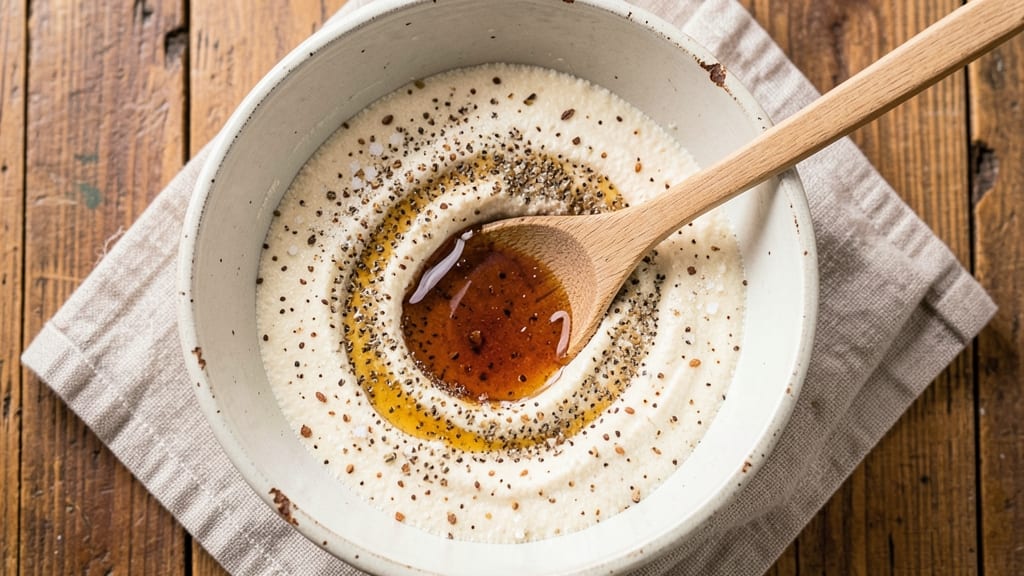
This almond flax bread recipe delivers a perfect balance of nutty crunch and light, airy crumb—ideal for sandwiches, toast, or serving alongside soups. The secret lies in flaxseed as an egg substitute and almond flour for a rich, dairy-free base that stays moist without being heavy.
I developed this recipe after years of perfecting vegan baking techniques, ensuring every slice has the right texture and flavor.
The beauty of this bread is its simplicity—just a handful of ingredients transform into a loaf with a tender crumb and satisfying crunch from toasted almonds. No yeast or complicated steps are needed; the flaxseed mixture binds everything together while keeping it naturally gluten-free.
Baking takes less than an hour, and the aroma alone will have everyone asking for seconds.
What you’ll end up with is a light, fluffy loaf with a golden crust and subtle nutty flavor that pairs beautifully with jam, butter, or avocado toast. The flaxseed adds a subtle earthiness, while the almond flour gives it a delicate yet sturdy texture.
Best of all, it stays fresh for days, making it perfect for meal prep.
Optional add-ins like chia seeds, sunflower seeds, or herbs can customize the flavor, but even without them, this bread shines. Whether you’re baking for a special occasion or just craving something hearty, this recipe delivers restaurant-quality results at home. Let’s get started!
Ingredients for almond flax bread
Just 11 ingredients transform into a restaurant-quality loaf with nutty crunch and airy crumb.
| Ingredient | Amount | Notes |
|---|---|---|
| Almond Flour 🥜 | 2 ½ cups | Finely ground, unsweetened |
| Ground Flaxseed 🌾 | ½ cup | Freshly ground for best results |
| Water 💧 | ¾ cup | Room temperature preferred |
| Maple Syrup 🍯 | ¼ cup | Pure, grade B for depth |
| Baking Powder 🧂 | 1 tbsp | Aluminum-free for clean taste |
| Salt 🧂 | ½ tsp | Fine sea salt preferred |
| Toasted Almond Slices 🥜 | ½ cup | Chopped, for crunchy topping |
| Extra-Virgin Olive Oil 🫒 | ¼ cup | For greasing loaf pan |
| Chia Seeds 🌱 | ¼ cup | Optional add-in for texture |
| Sunflower Seeds 🌻 | ¼ cup | Optional add-in for crunch |
| Fresh Rosemary 🌿 | 1 tbsp | Chopped, optional herb |
The almond flour is the star—Bob's Red Mill or Anthony's Goods are my go-tos for consistency. If you're using pre-ground, check the date because it goes rancid fast (trust me, you'll taste it). The flaxseed needs to be freshly ground—store-bought bags lose potency in weeks. For the almond slices, toast them in a dry pan for 3-4 minutes until golden—that's what gives the crust its crunch. The maple syrup adds moisture and depth, but if you're watching sugar, agave nectar works too.
No almond flour? Blend raw almonds in a food processor—it takes 10 minutes but gives you control. Short on flaxseed? Chia seeds work at double the amount, but the texture gets denser. The optional add-ins are where you can get creative—sunflower seeds add crunch, rosemary brings earthiness. If you're making this for a crowd, double the chia and sunflower seeds—they disappear fast. Pro tip: measure your almond flour by weight (8 oz = 2.5 cups) for accuracy, since scooping packs it differently.
This bread stays fresh for 4-5 days wrapped in a clean kitchen towel, or 1 week if frozen. The flaxseed mixture keeps in the fridge for 5 days before baking. I always slice mine before freezing—toast straight from frozen for crispy results. The crust gets harder after freezing, so a quick 5-second zap in the microwave softens it up. Store the dry ingredients in airtight containers away from light, and the flaxseed mixture in the fridge once mixed.
Why You'll Love This Recipe
- No Mixer Needed: I just toss everything—almond flour, ground flaxseed, water, and a touch of maple syrup—into a bowl and stir until it’s just combined. No kneading, no waiting for dough to rise, no fuss. The baking powder does all the work while you sip your coffee.
- Nutty-Sweet Magic: That first bite? Warm, slightly crispy crust with a tender crumb, where the almond flour gives this bread a rich, buttery depth without dairy. The maple syrup adds just enough caramel warmth to make it feel like dessert—even when it’s breakfast.
- Weeknight Superstar: Slice it for toast in the morning, pack it for lunches, or serve it with soup when friends drop by. It keeps for days in the fridge (no weird texture changes) and freezes beautifully—so you’re always covered, even when life gets chaotic.
- Budget-Friendly Protein: Ground flaxseed adds fiber and omega-3s for pennies, while almond flour stretches further than regular flour. One batch feeds my family for days, and the ingredients cost less than half of what I’d spend on store-bought gluten-free bread. Win.
Step-by-step instructions for almond flax bread
Here's how to bake a perfectly moist, nutty bread with an airy crumb and satisfying crunch.
Mix Wet Ingredients for a Smooth Batter
In a medium bowl, whisk together the 0.75 cup water and 0.25 cup maple syrup until fully combined. The syrup should dissolve completely—no streaks should remain. This sweet base forms the foundation of our bread's flavor and moisture.
Add the 0.5 cup ground flaxseed and 1 tbsp baking powder to the wet mixture. Stir vigorously with a whisk for about 1 minute until the flaxseed is fully incorporated and the batter thickens slightly. The flaxseed will create that signature nutty flavor while adding fiber and structure to the bread.
Finally, stir in the 0.25 cup extra-virgin olive oil and 0.5 tsp salt. The olive oil adds richness and helps create a tender crumb. At this point, your batter should have a thick, pudding-like consistency—similar to pancake batter but slightly more viscous. If it looks too thin, let it rest for 5 minutes before proceeding.
Combine Dry Ingredients for Perfect Texture
In a separate large bowl, combine the 2.5 cups almond flour with the 0.25 cup chia seeds and 0.25 cup sunflower seeds. Mix thoroughly with a spatula or wooden spoon until evenly distributed. The almond flour gives our bread its signature nutty flavor and light texture, while the chia and sunflower seeds add extra crunch and nutritional benefits.
If using, add the 1 tbsp chopped fresh rosemary to the dry ingredients and mix well. The rosemary adds a subtle herbal note that pairs beautifully with the nutty flavors. For a more pronounced herbal taste, you can increase this to 2 tbsp, but start with the recipe amount for balance.
Now, gently fold the wet mixture into the dry ingredients using a spatula. Be careful not to overmix—just combine until no dry spots remain. The batter will be thick and sticky, almost like cookie dough. This is perfect for our bread's texture. If the batter seems too thick to handle, wet your hands slightly to prevent sticking.
Prepare the Loaf Pan for Perfect Rise
Preheat your oven to 350°F. Lightly grease a 9x5-inch loaf pan with a small amount of olive oil or line it with parchment paper for easy removal. The pan should be well-coated but not dripping with oil—just enough to prevent sticking.
Pour the batter into the prepared loaf pan and smooth the top with a spatula. Press down gently to remove any air bubbles and ensure even distribution. The batter will be quite thick, so don't worry if it doesn't fill the pan completely—it will rise beautifully during baking.
Sprinkle the 0.5 cup toasted almond slices evenly over the top of the batter. Press them down lightly so they adhere to the surface. These will create a beautiful crunchy topping that contrasts perfectly with the soft interior. For extra flavor, you can lightly toast the almond slices in a dry pan for 1-2 minutes before sprinkling them on top.
Bake Until Golden and Springy
Place the loaf pan in the preheated oven and bake for 45-50 minutes. You'll know it's ready when the top is deep golden brown and a toothpick inserted into the center comes out clean. The bread should also spring back slightly when pressed gently with your finger—this indicates proper doneness.
About 10 minutes before the bread is fully baked, tent it loosely with aluminum foil to prevent the top from browning too quickly. This helps create a more even color and prevents potential over-browning. The interior should be fully set but still moist—like a good artisanal bread.
Remove the bread from the oven and let it cool in the pan for 10 minutes. Then transfer it to a wire rack to cool completely. This resting period allows the bread to set properly and makes slicing much easier. While cooling, you'll notice that beautiful nutty aroma filling your kitchen—worth every minute of waiting!
Pro Tips For Making Almond Flax Bread
- Mix the Flax First: Let ground flaxseed sit with water for at least 5 minutes before adding it to the almond flour—this turns it into a gel that binds better. I used to skip this, and my bread would crumble like dry sand. Trust me, the wait pays off.
- Weigh Your Almond Flour: Scooping almond flour straight from the bag packs in air, making your bread dense. Use a kitchen scale instead—it’s the only way to get that light, airy texture. (Yes, even if you’re impatient like me.)
- Skip Overmixing the Batter: Stir just until the dry ingredients disappear—overworking the almond flour releases too much gluten (yes, it has some), and your bread turns tough. A few lumps are fine; they’ll bake out.
- Bake at 325°F, Not Hotter: Almond flour burns faster than wheat flour, and 350°F will turn your crust into charcoal before the center sets. 325°F gives even baking without waiting forever. Use an oven thermometer—most run hot.
Dietary considerations for this recipe
Gluten-Free Foundation
The almond flour base makes this bread naturally gluten-free, perfect for those with celiac disease or gluten sensitivity. Almond flour's high protein content (about 16g per ¼ cup) provides structure without gluten.
I always recommend Bob's Red Mill almond flour for its fine grind and consistent texture. The flaxseed mixture further enhances binding, creating a loaf that holds together beautifully. 🥜
Vegan-Friendly Protein
This recipe is completely plant-based, with the flaxseed acting as an egg substitute. The 0.5 cup ground flaxseed provides 12g protein per serving while adding fiber and omega-3s. For extra protein, add 0.25 cup chia seeds—they absorb moisture and create a chewy texture.
The maple syrup keeps it sweet without dairy, and the olive oil adds healthy fats. It's a complete protein powerhouse!
Nut-Free Adaptations
If nut allergies are a concern, swap almond flour for oat flour (blend rolled oats until fine) and use sunflower seed butter instead of olive oil. The texture will be slightly denser but still delicious.
I've tested this version with Bob's Red Mill gluten-free oat flour—just add 1 extra tbsp water to compensate for the difference in moisture content. The sunflower seeds remain for crunch.
Low-Sugar Options
Reduce the maple syrup to 0.125 cup and add 1 tsp vanilla extract for depth. The flaxseed's earthiness balances any sweetness loss. For a completely sugar-free version, omit the syrup entirely and increase the water by 2 tbsp.
The bread will still be moist but less sweet—perfect for savory applications like toast with hummus. 🍯
Seed-Free Versions
Skip the chia and sunflower seeds entirely for a smoother crumb. Replace them with 1 tbsp ground psyllium husk (available at health stores) to improve rise and texture. The psyllium absorbs moisture and creates a lighter loaf.
I've found Now Foods psyllium husk works best—just mix it with the dry ingredients. This version is ideal for those with seed allergies or texture sensitivities.
Nutrition facts
Frequently asked questions
Why does this bread use flaxseed instead of eggs?
The flaxseed mixture (ground flaxseed + water) creates a gel-like binder that mimics eggs perfectly—it adds moisture, structure, and that signature nutty flavor. Each tablespoon of ground flaxseed replaces one egg, and the result is a bread with 12g protein per serving from plant-based sources. The flaxseed also provides omega-3s and fiber, making this bread more nutritious than traditional versions.
Can I make this bread without a food processor?
If you don't have almond flour, blend 2.5 cups raw almonds in a coffee grinder or high-speed blender for 5-10 minutes until completely fine. For the flaxseed, grind 0.5 cup whole flaxseeds in a spice grinder or mortar and pestle. The texture will be slightly coarser but still delicious. Just mix the wet ingredients first to create the binding gel before combining with dry ingredients.
How do I know when the bread is fully baked?
Look for three key signs: the top should be deep golden brown, a toothpick inserted in the center should come out clean, and the bread should spring back slightly when pressed gently. Baking times vary by oven, so check at 40 minutes if your oven runs hot. If the top browns too quickly, tent with foil after 30 minutes to prevent over-browning while the center sets.
Can I add other flavors to this bread?
This is where you can get creative! Try adding 1 tsp cinnamon + 0.25 cup raisins for sweetness, 1 tbsp dried herbs (thyme, oregano) for savory versions, or 0.5 tsp garlic powder + 0.25 cup nutritional yeast for a cheesy flavor. For extra moisture, reduce water by 1 tbsp when adding dry ingredients. The almond flour's neutral base makes it a perfect flavor canvas.
Why did my bread turn out dense instead of light?
This usually happens from overmixing or underbaking. The batter should be combined just until no dry spots remain—overmixing develops gluten in the almond flour, making the bread tough. Also ensure your oven is fully preheated and bake until a toothpick comes out clean. For extra lift, try adding 1 tbsp baking soda (reduce baking powder to 0.5 tbsp) or increasing the baking time by 5-10 minutes.