
Main Courses
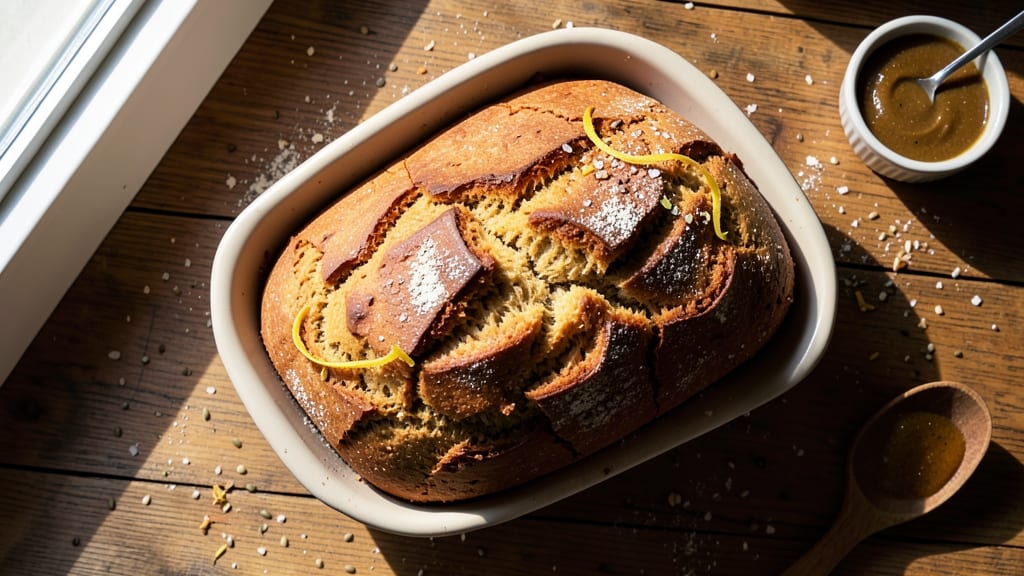
This almond flour bread recipe no yeast delivers the perfect solution for those avoiding gluten, yeast, or long rising times—light, airy loaves that bake in under an hour.
The secret lies in almond flour’s natural moisture retention and a clever binding technique using flax eggs, creating structure without traditional yeast. I developed this after years of testing vegan-friendly breads, and it’s finally the one that doesn’t crumble or taste dry.
What sets this recipe apart is its foolproof method—no yeast means no waiting, and the flax eggs (ground flaxseed + water) replace eggs perfectly while adding subtle nuttiness.
The bread rises beautifully in the oven thanks to baking soda and a touch of cream of tartar, creating that classic loaf texture without yeast fermentation. Perfect for sandwiches, toast, or French toast, this bread holds up better than most gluten-free alternatives.
The result is a golden, tender loaf with a crisp crust and moist interior—no gummy texture here. The almond flour gives it a delicate sweetness, while the flax eggs ensure it stays together slice after slice.
Best of all, it’s naturally vegan, egg-free, and yeast-free, making it suitable for nearly any dietary need. Ready in just 50 minutes, this bread is the ultimate quick-bake solution.
For extra flavor, brush the baked loaf with a simple glaze of powdered sugar and almond milk, or toast it until golden for the perfect crunch. Store wrapped at room temperature for up to 3 days, or freeze for longer shelf life.
Here’s how to make it—no yeast, no stress, just great bread.
Ingredients for almond flour bread recipe no yeast
Golden, tender loaves with zero yeast—just almond flour and clever flax magic!
| Ingredient | Amount | Notes |
|---|---|---|
| Almond Flour 🌰 | 3 cups | Finely ground, unsweetened |
| Ground Flaxseed 🌱 | ½ cup | For flax eggs |
| Water 💧 | 1 ¼ cups | For flax eggs |
| Baking Soda 🧂 | 1 tsp | Activates with cream of tartar |
| Cream of Tartar 🍋 | ½ tsp | For lift and structure |
| Salt 🧂 | ½ tsp | Fine sea salt |
| Powdered Sugar 🍬 | ¼ cup | For glaze |
| Unsweetened Almond Milk 🥛 | ½ cup | For glaze |
| Vanilla Extract 🌿 | 1 tsp | Pure vanilla |
| Coconut Oil 🥥 | ¼ cup | Melted, full-fat |
| Maple Syrup 🍁 | ¼ cup | For subtle sweetness |
| Apple Cider Vinegar 🍎 | 1 tbsp | For tang |
Almond flour is the star here—Bob’s Red Mill or Anthony’s Goods are my go-tos for consistency. The finer the grind, the lighter your bread. I always grab the unsweetened version to control sweetness. If you’re buying in bulk, store it in the freezer to prevent rancidity. For the flax eggs, ground flaxseed is key—pre-ground works, but freshly ground adds extra nuttiness. The coconut oil needs to be full-fat for that rich mouthfeel, and organic if you’re picky about additives. Maple syrup should be Grade B for deeper flavor, but Grade A works too.
No almond flour? Oat flour or cashew flour can replace up to half, but texture will shift. Short on flaxseed? Chia seeds work at the same ratio, but chia has a stronger flavor. Cream of tartar hard to find? Lemon juice at the same amount gives similar tang. The apple cider vinegar is non-negotiable for that classic bread tang—substitute white vinegar if needed. For extra richness, add 1 tbsp tahini to the wet ingredients. The vanilla extract? Imitation won’t cut it—pure vanilla is worth the splurge for that authentic aroma.
This bread keeps beautifully—wrap tightly in parchment paper and store at room temperature for 3 days, or freeze for up to 3 months. For the glaze, mix powdered sugar and almond milk right before brushing to prevent crystallization. Toasted slices stay fresh longer, and the crust gets even crispier. Leftovers? Perfect for French toast—just dip in a flax egg mixture and pan-fry. The flax eggs in the recipe? They’re also great for vegan pancakes if you’ve got extra.
Why You'll Love This Recipe
- No Mixer Needed: I’ll be real—this bread comes together with just a bowl and a spoon. The ground flaxseed acts like a binder, so no kneading, no waiting for yeast to rise, and no fancy equipment. Honestly, I’ve made it in my daughter’s plastic mixing bowl while she “helped” stir.
- Nutty, Not Dry: That almond flour gives it a rich, buttery depth you won’t find in regular bread. The cream of tartar (yes, it’s a thing) keeps it tender, so you get that satisfying chew without the gummy aftertaste. Between us, it’s the only bread I’ll eat when I’m craving something indulgent but still healthy.
- Meal Prep MVP: Slice it fresh, toast it later—this bread holds up for days in the fridge. I pack it for lunches, freeze slices for quick breakfasts, or even use it to make croutons. No sad, stale leftovers here; it’s my go-to for keeping meals interesting without extra work.
- Budget-Friendly Luxury: Almond flour might seem pricey, but a little goes a long way, and this recipe uses just enough to make it feel special. The flaxseed and baking soda cut costs further, so you’re getting a restaurant-worthy loaf without breaking the bank. Plus, it’s naturally gluten-free—so it’s the one bread I can eat without guilt.
Step-by-step instructions for almond flour bread
This no-yeast almond flour bread delivers a light, airy texture without any waiting—just mix, bake, and enjoy.
Create Flax Eggs and Mix Wet Ingredients
In a medium bowl, whisk together the 0.5 cup ground flaxseed and 1.25 cups water. Let this mixture sit for 5 minutes—it will thicken into flax eggs, which replace traditional eggs perfectly. While it thickens, melt the 0.25 cup coconut oil in a small saucepan over low heat (or microwave in 10-second bursts), then let it cool slightly.
In a separate large bowl, combine the melted coconut oil, 0.25 cup maple syrup, 1 tbsp apple cider vinegar, and 1 tsp vanilla extract. Stir until smooth and fully integrated. Here's the thing—this step ensures the bread stays moist and flavorful. If you skip melting the coconut oil properly, you'll end up with a dense loaf instead of a tender one.
Combine Dry Ingredients and Form the Batter
Sift the 3 cups almond flour into the wet ingredients, then add the 1 tsp baking soda, 0.5 tsp cream of tartar, and 0.5 tsp salt. Stir gently with a spatula until just combined—you should still see small flour streaks. Overmixing develops gluten, which we don't want in a gluten-free bread. Add the flax eggs and mix until everything comes together into a thick, sticky batter.
The reason we wait until the flax eggs are fully formed is that they bind the batter properly. If you add them too early, the mixture will be too runny and won't hold together. Your batter should be thick enough to hold its shape when dropped from a spoon—this ensures a good rise in the oven.
Prepare the Glaze and Shape the Loaf
In a small bowl, whisk together the 0.5 cup unsweetened almond milk, 0.25 cup powdered sugar, and 1 tsp vanilla extract to make the glaze. This sweet topping adds moisture and a beautiful finish. While the glaze rests, line a 9x5-inch loaf pan with parchment paper, leaving an overhang on the sides for easy removal.
Transfer the batter to the prepared loaf pan and smooth the top with a spatula. Don't worry if it looks uneven—this bread doesn't need perfect symmetry. Tap the pan gently on the counter 3-4 times to eliminate any air bubbles. This step prevents large pockets of air that could cause the bread to collapse during baking.
Bake to Golden Perfection
Preheat your oven to 350°F and bake the loaf for 45-50 minutes until the top is golden brown and a toothpick inserted in the center comes out clean. I know it seems like a long time, but patience is key here—almond flour bread needs time to fully set and develop its texture. If you open the oven door early, the bread might sink.
About 10 minutes before the bread is done, brush the top with the almond milk glaze. Watch it transform from dull to glossy—this is when you'll know it's ready. Let the bread cool in the pan for 10 minutes, then transfer it to a wire rack to cool completely. This cooling period allows the bread to set properly and makes slicing much easier.
Slice and Serve
Once the bread has cooled completely, remove it from the pan using the parchment overhang. Slice it into ½-inch thick pieces using a sharp serrated knife. The bread should have a tender crumb with a slightly crisp exterior—this is the magic of the baking soda and cream of tartar working together. Serve it warm with butter or jam, or save it for toast in the morning.
Here's the best part: this bread stays fresh for 3-4 days when stored in an airtight container. If you find any slices getting dry, simply toast them to revive the texture. The subtle sweetness from the maple syrup and the tang from the apple cider vinegar make every bite irresistible.
Pro Tips For Making Almond Flour Bread Recipe No Yeast
- Mix Flaxseed First: Combine ground flaxseed with water immediately—let it sit for 5 minutes to form a gel before adding anything else. I learned this the hard way when my bread turned out dense and gummy; the gel binds better and mimics egg behavior properly.
- Weigh Your Almond Flour: Use a kitchen scale for almond flour—spooning it leads to inconsistent volumes. A 1-gram difference can throw off texture, and this stuff packs tightly. Trust me, your bread will thank you with a lighter crumb.
- Skip Overmixing: Stir just until combined—overworking the batter activates gluten in any hidden wheat traces and makes the bread tough. This isn’t cake batter; treat it like you’re folding in a delicate omelet.
- Bake Until Internal Temp: Check doneness at 190°F (88°C) with an instant-read thermometer—visual cues fail with almond flour. Underbaked bread stays gummy, and overbaking turns it dry. No guessing; the thermometer wins every time.
Troubleshooting perfect results
Dense or Gummy Texture
If your bread turns out dense or gummy, it’s likely due to overmixing or insufficient moisture retention. Almond flour absorbs liquid differently than wheat flour, so the batter needs to be thick but not dry.
I find that under-mixing (just until combined) is key—overmixing develops gluten-like properties, even though it’s gluten-free. Also, ensure your coconut oil is fully melted before combining with wet ingredients; cold oil can create pockets that prevent even baking. 🌰
Uneven Rise or Collapse
An uneven rise or collapsed loaf usually means the baking soda and cream of tartar didn’t activate properly. Make sure your baking soda is fresh (old baking soda loses potency) and that the cream of tartar is measured accurately.
Preheat your oven to 350°F and avoid opening the oven door during the first 30 minutes of baking—temperature fluctuations can cause the bread to sink. If your oven runs hot, reduce the temperature to 325°F for a more gradual rise.
Dry or Crumbly Crust
A dry or crumbly crust often happens when the bread cools too quickly or the glaze isn’t applied correctly. Let the bread cool in the pan for 10 minutes before transferring to a wire rack—this traps moisture and prevents a tough exterior.
For the glaze, mix the powdered sugar and almond milk right before brushing to avoid crystallization. If the crust is still dry after baking, brush it with a thin layer of melted coconut oil while warm to restore moisture.
Bread Sticks to Pan
If your bread sticks to the loaf pan, it’s usually because the parchment paper wasn’t properly lined or the pan wasn’t greased enough.
I always use parchment paper with overhang to make removal easier, but if you’re using a metal pan, lightly grease it with coconut oil before pouring in the batter. Avoid nonstick spray—it can leave a residue that makes the bread taste off.
For extra insurance, dust the pan with a light layer of almond flour before adding the batter. ✨
Bland Flavor
Bland flavor typically means the vanilla extract or apple cider vinegar was skipped or used sparingly. These ingredients add depth—vanilla for sweetness and vinegar for tang. If your bread tastes flat, try adding ½ tsp cinnamon or 1 tsp tahini to the wet ingredients for extra richness.
For a stronger flavor, use pure vanilla extract (not imitation) and ensure the apple cider vinegar is fresh—old vinegar loses its tang.
Burnt Top or Uneven Color
A burnt top or uneven color usually means the oven isn’t calibrated or the bread was baked too long. Almond flour bread can darken quickly, so keep an eye on it after 40 minutes.
If the top browns too fast, tent the pan with aluminum foil for the last 10 minutes of baking. For even color, rotate the pan halfway through baking (around 25 minutes). If your oven has hot spots, use an oven thermometer to ensure accurate temperature readings.
Nutrition facts
Frequently asked questions
Why does this almond flour bread need flax eggs instead of regular eggs?
Flax eggs create the same binding effect as traditional eggs while keeping the recipe vegan and gluten-free. The ground flaxseed absorbs water to form a gel-like consistency that mimics egg proteins, helping hold the bread together during baking. Plus, they add a subtle nuttiness that complements the almond flour perfectly!
Can I make this bread without a loaf pan?
Shape the batter into a free-form round or oval on a parchment-lined baking sheet. Bake at 350°F for 35-40 minutes until golden. For extra structure, press the batter into a ½-inch thick round shape before baking. This works especially well for a rustic, artisan-style loaf.
How do I store leftovers to keep them fresh?
Wrap cooled slices tightly in plastic wrap or store in an airtight container at room temperature for up to 3 days. For longer storage, freeze individual slices wrapped in parchment paper for up to 3 months. Toasting revives any dried-out slices perfectly!
What if I don't have cream of tartar?
Use ½ tsp lemon juice as a substitute—it provides the same acidic lift to activate the baking soda. The bread will still rise, though the texture might be slightly less tender. For best results, measure carefully since too much acid can make the bread taste sharp.
Can I add mix-ins like seeds or chocolate chips?
Yes! Fold in 1-2 tablespoons of seeds (chia, pumpkin, or sunflower) or mini chocolate chips during Step 2. Keep it to 10% of the batter to avoid density. For extra flavor, try ½ tsp cinnamon or 1 tbsp tahini—both pair beautifully with almond flour.