
Side Dishes
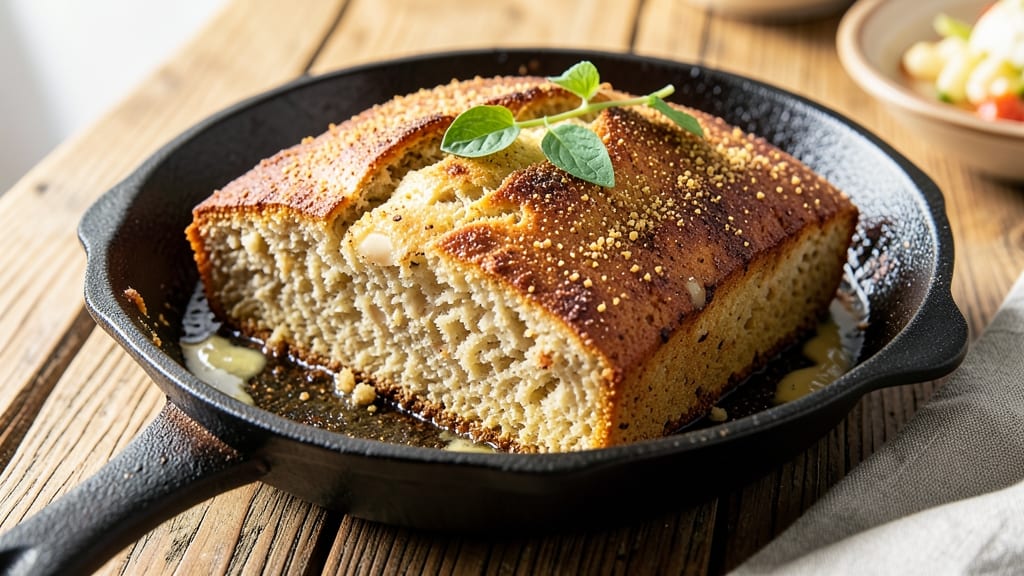
This almond flour cornbread recipe delivers the perfect balance of crumbly texture and smoky-sweet flavor without a single grain of traditional flour.
The secret lies in the almond flour's natural richness, which creates a tender yet firm crumb with just the right amount of bite—ideal for those following gluten-free or low-carb diets. What sets this apart is how the cornmeal adds subtle sweetness while keeping the texture light and airy.
The baking process is straightforward but critical: mixing dry ingredients first ensures even distribution, while the wet components—eggs, almond milk, and melted butter—bind everything together for a moist yet sturdy crumb.
Baking at 350°F for 20-25 minutes yields a golden-brown top with a crispy edge, all while maintaining a soft interior. The addition of honey or maple syrup enhances the sweetness, but it’s optional if you prefer a more savory profile.
This cornbread pairs beautifully with hearty soups, chili, or even as a side to grilled meats, offering a gluten-free alternative that doesn’t compromise on flavor. The almond flour adds a nutty depth that complements the corn’s natural sweetness, making every bite satisfying.
Whether you're baking for a meal or prepping ahead, this recipe ensures a crowd-pleasing result with minimal effort.
For extra flavor, consider adding a sprinkle of smoked paprika or fresh herbs before baking—these elevate the dish without overpowering its natural taste. The versatility of this recipe makes it a staple for any kitchen, whether you're adapting to dietary needs or simply craving something different. Let’s get baking!
Ingredients for almond flour corn bread
Eight gluten-free essentials transform into a cornbread with nutty crunch and smoky-sweet harmony.
| Ingredient | Amount | Notes |
|---|---|---|
| Almond Flour 🌰 | 2 cups | Finely ground, unsweetened preferred |
| Fine Cornmeal 🌽 | ½ cup | Stone-ground for best texture |
| Baking Powder 🧂 | 1 ½ tbsp | Aluminum-free for best rise |
| Salt 🧂 | ½ tsp | Diamond Crystal kosher salt |
| Smoked Paprika 🌶️ | 1 tsp | For authentic smoky depth |
| Large Eggs 🥚 | 3 whole | Room temperature for even mixing |
| Unsalted Butter 🧈 | ½ cup | Melted, cooled slightly |
| Unsweetened Almond Milk 🥛 | ¾ cup | Room temperature for smooth batter |
| Pure Maple Syrup 🍁 | ¼ cup | Grade B for robust flavor |
| Fresh Rosemary 🌿 | 1 tbsp | Finely chopped, for herbal brightness |
| Fresh Sage 🌿 | 1 tbsp | Finely chopped, optional but recommended |
The almond flour is non-negotiable here—Bob’s Red Mill or Anthony’s Goods are my go-tos for consistent texture. Look for finely ground flour with minimal clumps, as this ensures a tender crumb. The cornmeal should be fine, not coarse—Muth’s or Arrowhead Mills brands deliver that perfect stone-ground quality. Smoked paprika is where the magic happens; Penzeys or McCormick smoked varieties add that authentic depth without overpowering. Fresh herbs like rosemary and sage elevate the dish, but if you're short on time, dried herbs at half the amount work in a pinch.
No almond milk? Coconut milk or cashew milk provide a similar neutral base, though the texture may vary slightly. Substituting maple syrup with honey is tricky—maple’s earthy notes complement the almond flour better. For extra moisture, add an additional 1 tbsp of melted butter. If you prefer a sweeter profile, increase the syrup to 0.375 cup, but remember this is a versatile recipe that works beautifully savory too. The eggs can be replaced with flax eggs (3 tbsp ground flaxseed + 9 tbsp water) for a vegan adaptation, though texture may differ slightly.
Store the cornbread in an airtight container at room temperature for up to 3 days, or freeze for 3 months for maximum freshness. To reheat, wrap slices in foil and warm in a 350°F oven for 5-7 minutes. For best results, bake immediately after mixing—this cornbread holds its texture well but loses crispness if left to sit. Portion into individual servings before freezing for easy meal prep.
Why You'll Love This Recipe
- Five-Ingredient Magic: I swear, this recipe is one of those rare finds where the ingredient list reads like a grocery store speedrun. Almond flour and fine cornmeal team up to create that perfect crumbly-yet-tender texture without any weird substitutions. Honestly, I’ve made it twice in the same week because it’s that foolproof.
- Smoky Secret Weapon: That pinch of smoked paprika? It’s the flavor hack I didn’t know I needed. It gives the bread this warm, earthy depth that pairs insanely well with chili, soups, or even just butter straight from the fridge. Between us, it’s the reason I keep this recipe on repeat—it’s ridiculously good.
- Weeknight & Meal Prep: This isn’t just for Sunday dinners. I’ve baked a batch on a Monday morning to pair with eggs, reheated slices for a quick breakfast, and even packed it in lunches—still fresh-tasting days later. The best part? It’s got that sturdy, sliceable quality that holds up when you’re in a rush.
- Budget-Friendly Crumb: Almond flour can feel pricey, but here’s the thing: this recipe uses just enough to make it special without breaking the bank. Plus, the fine cornmeal stretches it further, so you get more bang for your buck. I’ll be real—it’s one of my go-to budget-friendly indulgences that doesn’t skimp on taste.
Step-by-step instructions for almond flour cornbread
This method delivers a perfectly balanced cornbread with a tender crumb and satisfying crunch.
Preheat and Prepare the Pan
Preheat your oven to 350°F and position a rack in the lower third. Grease an 8-inch square baking pan or cast-iron skillet generously with unsalted butter, using a paper towel to ensure even coverage. The butter will create a golden crust while preventing sticking. If using a cast-iron skillet, place it in the oven while preheating to ensure even heat distribution.
I like to add a thin layer of the 2 cups almond flour to the pan after greasing—just enough to form a light dusting. Tap out any excess and return the pan to the oven for 2 minutes before adding the batter. This extra step creates a crispy, flavorful base that mimics traditional cornbread texture.
Whisk Dry Ingredients Together
In a large mixing bowl, combine the 2 cups almond flour, 0.5 cup fine cornmeal, 1.5 tbsp baking powder, 0.5 tsp salt, and 1 tsp smoked paprika. Whisk vigorously for 30 seconds to aerate the almond flour and distribute the cornmeal evenly. The almond flour should look fluffy and light, with no visible lumps.
This step is crucial for achieving the right texture. Almond flour can be dense, so thorough mixing incorporates air that will create a lighter crumb. I press down gently on the mixture with my fingers—if it holds its shape, whisk for another 10 seconds to break up any remaining clumps.
Combine Wet Ingredients
In a separate bowl, melt the 0.5 cup unsalted butter in 10-second intervals in the microwave, stirring between each interval, until fully melted but not hot. Let it cool for 2 minutes until just warm to the touch. Add the 0.75 cup unsweetened almond milk, 0.25 cup pure maple syrup, 3 whole large eggs, 1 tbsp finely chopped fresh rosemary, and 1 tbsp finely chopped fresh sage.
Whisk this mixture until smooth and homogeneous, scraping the sides of the bowl to incorporate any butter that might have solidified. The batter should be thick but pourable, with a vibrant green hue from the rosemary and sage. If the batter appears too thick after whisking, add 1-2 tablespoons additional almond milk to reach the desired consistency.
Fold and Pour the Batter
Gradually pour the wet ingredients into the dry ingredients while whisking continuously. Stop mixing as soon as the batter comes together—overmixing develops gluten and can make the cornbread dense. The batter should be thick but still flow smoothly when poured. If it's too stiff, add 1 tablespoon almond milk at a time until it reaches a consistency similar to heavy pancake batter.
Immediately pour the batter into the prepared pan. Use a spatula to spread it evenly, creating a smooth surface. Tap the pan gently on the counter to release any air bubbles. The batter should fill the pan to about ¾ inch depth. Sprinkle the remaining 1 tbsp finely chopped rosemary and 1 tbsp finely chopped sage evenly over the top for an aromatic finish.
Bake to Golden Perfection
Bake for 25-30 minutes until the edges are deep golden brown and a toothpick inserted in the center comes out clean. The top should have a slightly crisp crust, while the interior remains tender and moist. If the edges brown too quickly, tent the pan with aluminum foil after 15 minutes to prevent overbrowning.
I know it might seem tempting to check early, but resist the urge. The almond flour can continue cooking after removal, so pull it out when the center still looks slightly underdone. Let it rest in the pan for 5 minutes before transferring to a wire rack. This resting period allows the internal heat to distribute evenly, ensuring a perfectly balanced texture from edge to center.
Pro Tips For Making Almond Flour Corn Bread
- Preheat Like It’s 1985: Your oven needs to hit 375°F before the batter goes in—no exceptions. Almond flour plays tricks if the pan’s cold, and you’ll end up with a dense brick instead of that crispy edge you crave. I learned this the hard way after a batch that looked like a hockey puck.
- Whisk the Dry Mix: Combine almond flour, cornmeal, baking powder, and salt by hand for 30 seconds before adding wet ingredients. This ensures even distribution—especially the baking powder—and prevents lumpy pockets that’ll make your bread sink in the middle. (Yes, even if you’re impatient like me.)
- Skip the Overmixing: Stir the batter just until combined—maybe 10 strokes max. Almond flour releases gluten when overworked, turning your bread into a sad, chewy loaf instead of a tender, crumbly masterpiece. Fold in the smoked paprika last so it doesn’t settle to the bottom like lazy seasoning.
- Grease with Butter, Not Oil: Use melted butter (not oil) to coat your pan—about 2 tablespoons. The fat renders a golden crust, and the buttery aroma seeps into the bread. I used oil once; the result was a pale, sad side dish. (Your future self will regret it.)
Pro cooking tips for this recipe
Perfect Pan Prep
Grease your 8-inch square pan or cast-iron skillet with unsalted butter until it's fully coated—this isn't just about preventing sticking. The butter creates a golden crust that mimics traditional cornbread.
I like to add a thin layer of almond flour to the pan after greasing, then tap out excess before baking. This extra step adds a crispy, flavorful base that makes all the difference. 🧈
Dry Ingredient Aeration
Whisk the almond flour and cornmeal for 30 seconds until fluffy—this incorporates air that prevents a dense crumb. Press down gently with your fingers; if it holds shape, whisk another 10 seconds to break up any clumps.
The goal is to create a light, airy texture that's still sturdy enough to hold its shape. I've found that baking powder needs to be distributed evenly here for optimal rise.
Wet Ingredient Timing
Melt the butter in 10-second microwave intervals to prevent overheating, then cool it for 2 minutes before mixing. This ensures the wet ingredients don't cook the eggs prematurely. The almond milk should be room temperature—cold milk can make the batter separate.
I always whisk vigorously to combine everything smoothly, scraping the bowl's sides to incorporate any butter that might have solidified.
Batter Consistency Check
Your batter should be thick but pourable—similar to heavy pancake batter. If it's too stiff, add 1 tablespoon almond milk at a time until it reaches the right consistency. I've ruined a batch or two by overmixing, so I stop as soon as the batter comes together.
Pour immediately into the pan and tap gently to release air bubbles—this ensures an even bake and prevents sinking in the center.
Baking Precision
Bake at 350°F for 25-30 minutes until the edges are deep golden brown and a toothpick comes out clean. If the edges brown too quickly, tent with foil after 15 minutes.
The almond flour can continue cooking after removal, so pull it out when the center still looks slightly underdone. Let it rest in the pan for 5 minutes—this crucial step ensures even texture from edge to center. 🔥
Herb Finishing Touch
Sprinkle the remaining rosemary and sage over the top before baking for maximum aroma. These herbs release their essential oils during baking, adding a fragrant finish. I often add a light dusting of smoked paprika as well—just ½ teaspoon—to enhance the smoky depth without overpowering the natural flavors.
The result is a cornbread with layers of complexity that keep everyone reaching for seconds.
Nutrition facts
Frequently asked questions
Why does my almond flour cornbread turn out dense instead of light?
Overmixing the batter or using cold ingredients are the most common culprits. Always whisk just until combined—stop immediately when the batter comes together. Also, ensure your almond flour is finely ground and room temperature. Cold eggs or butter can make the texture heavy, so let them sit out for 30 minutes before mixing.
Can I make this cornbread without eggs for a vegan version?
Yes! Replace the 3 eggs with 3 flax eggs (3 tbsp ground flaxseed + 9 tbsp water, mixed and rested for 5 minutes). For extra moisture, add 1 tbsp extra almond milk. The texture will be slightly denser but still delicious. The baking time may increase by 2-3 minutes due to the flax's different binding properties.
How do I store leftovers to keep them fresh?
Store in an airtight container at room temperature for up to 3 days, or freeze for 3 months. To reheat, wrap slices in foil and warm in a 350°F oven for 5-7 minutes. For extra crispiness, toast slices in a dry skillet over medium-low heat for 1-2 minutes per side. The almond flour helps maintain moisture better than traditional flour.
What's the best way to add extra sweetness without making it too sugary?
Start with the 0.25 cup maple syrup called for, then adjust to taste. For subtle sweetness, add 1 tbsp honey or mashed banana to the wet ingredients. If you prefer a caramelized top, sprinkle 1 tbsp brown sugar before baking. The key is to balance sweetness with the natural nutty flavor of the almond flour.
Can I use coconut flour instead of almond flour?
Not directly—coconut flour absorbs much more liquid and has a different texture. For a 1:1 substitution, you'd need to adjust the recipe significantly (reduce coconut flour to 1 cup and add 1.5 cups extra almond milk). However, this changes the final product's flavor and crumb. If you must substitute, consider using half almond flour and half coconut flour with careful adjustments.