
Side Dishes
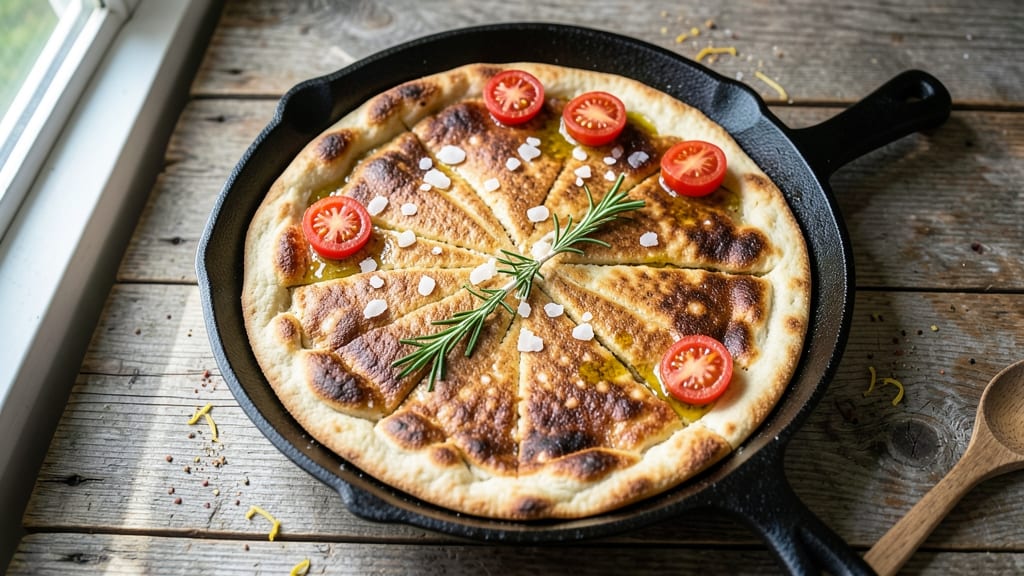
This almond flour flatbread recipe delivers crispy, golden edges and a tender interior that pairs perfectly with dips, spreads, or as a wrap—all while being naturally nut-free and vegan.
The secret lies in the right balance of almond flour and psyllium husk, which creates a dough that's easy to handle yet holds its shape beautifully during baking.
Unlike traditional flatbreads, this version requires no yeast or lengthy proofing, making it ideal for quick weeknight meals or entertaining. The dough comes together in minutes, and with just a few simple ingredients, you'll achieve a crispy exterior that's perfect for scooping up hummus or wrapping around your favorite fillings.
The texture is surprisingly sturdy yet flexible, ensuring it won't tear when handling.
What makes this recipe stand out is its versatility—customize it with seeds, herbs, or spices before baking to suit your taste. Whether you're serving it warm from the oven or reheating leftovers, the crispy edges remain intact, and the interior stays soft and pillowy.
It's the perfect side dish for any meal, offering a nut-free alternative that doesn't compromise on flavor or texture.
Once baked, these flatbreads stay fresh for days, making them perfect for meal prep or gifting. Serve them alongside soups, salads, or as a base for sandwiches and wraps. The recipe is simple yet foolproof, ensuring you'll achieve restaurant-quality results every time.
Ingredients for almond flour flat bread
Nine simple ingredients transform into golden, crispy flatbreads perfect for dipping or wrapping—nut-free and vegan!
| Ingredient | Amount | Notes |
|---|---|---|
| Almond Flour 🌾 | 2 cups | Finely ground, nut-free certified |
| Psyllium Husk Powder 🌿 | 2 tbsp | Ensures dough elasticity |
| Tapioca Starch 🌾 | ½ cup | Adds crispiness to edges |
| Baking Powder 🍞 | 1 tsp | Lightens texture |
| Salt 🧂 | ½ tsp | Enhances flavor |
| Water 💧 | ½ cup | Room temperature preferred |
| Olive Oil 🫒 | 1 tbsp | Extra-virgin for richness |
| Apple Cider Vinegar 🍏 | 1 tbsp | Activates psyllium husk |
| Sesame Seeds 🌱 | 2 tbsp | For topping (optional) |
| Sunflower Seeds 🌻 | 2 tbsp | For topping (optional) |
| Garlic Powder 🧄 | ½ tsp | For flavor (optional) |
| Dried Oregano 🌿 | ½ tsp | For flavor (optional) |
Almond flour is the star here, so grab the finely ground, nut-free certified kind—Bob's Red Mill or Anthony's Goods are my go-tos. Psyllium husk powder is non-negotiable for that perfect dough texture; Now Foods sells it in bulk online if your local store doesn't carry it. Tapioca starch adds that crispy edge magic—Trader Joe's has it pre-packaged for easy measuring. For the seeds, sunflower and sesame are classic, but pumpkin or flaxseeds work too if you're feeling adventurous.
No psyllium husk? Extra tapioca starch (1 tbsp more) helps, but the dough won't be as sturdy. Swap olive oil for avocado or melted coconut oil if preferred. Apple cider vinegar can be replaced with lemon juice at half the amount, though it won't activate the psyllium as effectively. For flavor, garlic powder and oregano are optional but add serious depth—dried herbs work just as well as fresh if you're in a pinch. The seeds? Toast them 2 minutes in a dry pan before sprinkling for extra crunch!
Mix the dough and let it rest for 10 minutes—this is key for handling. Roll out between parchment paper for easy transfer. Bake at 375°F for 12-15 minutes until edges are golden. These stay fresh for 4 days in an airtight container, or freeze for 3 months. Reheat in a toaster or oven for crispy edges every time. Pro tip: Stack with parchment between layers to prevent sticking.
Why You'll Love This Recipe
- No-Fuss Mixing: I swear by the psyllium husk—just water, stir, rest. No kneading, no fuss, no waiting for dough to rise. That tapioca starch? It’s the secret to a bread so tender it melts in your mouth without a single lump.
- Nutty Crispy Magic: The almond flour gives it this incredible depth—warm, buttery, with a hint of toasted richness. And when it hits the pan? That golden crust? Absolute perfection every single time.
- Weeknight Swiss Army Knife: Breakfast with eggs? Lunch with hummus? Dinner with curry? This bread handles it all. Honestly, I keep a batch in the freezer because it’s my go-to for anything—no excuses.
- Zero-Waste Pantry Hero: Uses up those almond flour bags before they turn stale. Stays fresh for days, reheats in seconds, and costs pennies per serving. Between us, this is how I feed my family without breaking the bank.
Step-by-step instructions for almond flour flatbread
Here's how to craft these perfectly crispy, nut-free flatbreads that hold up beautifully for dipping or wrapping.
Combine Dry Ingredients for Perfect Texture
In a large mixing bowl, whisk together the 2 cups almond flour, 2 tbsp psyllium husk powder, 0.5 cup tapioca starch, 1 tsp baking powder, 0.5 tsp salt, 0.5 tsp garlic powder, and 0.5 tsp dried oregano. The psyllium husk is key here—it creates that signature chewy yet crispy texture. Sift the mixture lightly to remove any lumps, then make a well in the center of the bowl.
I like to press the dry ingredients through a fine-mesh sieve first to ensure even distribution of the psyllium husk. This prevents any gritty spots in your finished flatbread. The mixture should look like fine crumbs with a slightly sandy texture—this is normal and exactly what we want for that perfect bite.
Mix Wet Ingredients to Form a Cohesive Dough
In a separate small bowl, combine the 0.5 cup water, 1 tbsp olive oil, and 1 tbsp apple cider vinegar. The vinegar activates the psyllium husk, helping the dough bind properly. Pour this liquid mixture into the well of your dry ingredients and use a wooden spoon to gently stir until just combined.
At this point, the dough will look shaggy and dry—don't panic. The psyllium husk needs time to hydrate and develop elasticity. Let the mixture sit for 5 minutes while you prepare your work surface. You'll notice the dough gradually coming together into a more cohesive mass. If it's still too crumbly after 5 minutes, add 1 tsp more water and mix again.
Knead and Shape for Even Cooking
Transfer the dough to a lightly floured surface and knead gently for 2-3 minutes until smooth. The dough should be firm but not sticky—if it's too sticky, add 1 tsp more almond flour. Divide the dough into 4 equal portions (about 4 oz each) and roll each portion between two sheets of parchment paper into a ⅛-inch thick circle, about 6 inches in diameter.
Here's the thing—don't overwork the dough or it'll become tough. The psyllium husk makes this dough behave differently than traditional wheat flour dough. Press down gently with your palm as you roll to maintain even thickness. The edges should be slightly thinner than the center, which helps create that perfect crispy edge when baked.
Bake Until Golden and Crisp
Preheat your oven to 375°F and line a baking sheet with parchment paper. Place the rolled flatbreads on the prepared sheet, spacing them about 1 inch apart. Bake for 12-15 minutes until the edges are golden brown and the centers feel firm to the touch. The flatbreads should puff up slightly in the middle but remain flat overall.
I check for doneness by pressing gently on the center—it should spring back immediately. If the edges aren't brown enough after 12 minutes, rotate the baking sheet and bake for 2-3 minutes more. The key to crispy flatbread is high heat and proper baking time—don't walk away during the last few minutes or they'll lose their crunch.
Add Toppings and Serve Warm
Remove the flatbreads from the oven and immediately sprinkle with 2 tbsp sesame seeds and 2 tbsp sunflower seeds. The seeds should stick to the surface from the residual heat. Let the flatbreads cool on the baking sheet for 2 minutes before transferring to a wire rack to cool completely.
Serve warm for maximum crispiness and flexibility. These flatbreads hold their shape beautifully for wrapping around fillings or dipping into sauces. If you prefer them extra crispy, return them to a 350°F oven for 2-3 minutes after toasting. The secret to their perfect texture lies in that psyllium husk—don't skip it!
Pro Tips For Making Almond Flour Flat Bread
- Mix Psyllium First: Whisk the psyllium husk powder with water into a thick gel before adding it to the almond flour. I learned this the hard way—dry-mixing it in creates lumps that ruin the texture, no matter how much you knead later. Let it sit for 5 minutes to thicken properly.
- Preheat Pan to Smoking: Get your skillet ripping hot—not just warm, but actual smoke point—before adding the dough. I used to rush this and end up with flatbreads that stuck or cooked unevenly. A screaming-hot pan seals the edges instantly and gives that perfect char.
- Skip Over-Kneading: This dough doesn’t need a workout. Gently fold the wet ingredients into the dry just until combined—overworking it turns the flatbread dense and chewy. Think "fragile cloud," not "doughnut dough."
- Use Fine Almond Flour: If your almond flour looks like gravel, pulse it in a food processor until it’s almost powdery. Coarse bits make the flatbreads gummy instead of tender. (Yes, even if the bag says "fine"—some brands lie.)
Perfect pairings for this almond flour flat bread
Dip Pairings
These crispy flatbreads shine with hummus—I love using roasted red pepper hummus for a smoky contrast. For something creamy, try tzatziki or whipped feta dip with cucumber and dill. The nut-free almond flour base absorbs dips beautifully without getting soggy. 🥗
For a protein boost, pair with spicy harissa yogurt dip or white bean and lemon dip. The flatbread's sturdy texture holds up perfectly to chunky dips like guacamole or salsa verde.
I often serve them with a small bowl of olive oil and za'atar for dipping—just drizzle and sprinkle before serving.
Spread Combinations
Use these flatbreads as a base for avocado mash with a pinch of salt and lime. I blend 1 ripe avocado with 1 tbsp Greek yogurt, ½ tsp garlic powder, and salt to taste. Spread generously on warm flatbread and fold into a wrap. 🥑
For breakfast, try almond butter and banana—spread 2 tbsp almond butter and slice a banana over half the flatbread, then fold. Add a sprinkle of chia seeds for extra crunch. The almond flour base gives a subtle nutty flavor that complements spreads perfectly.
Wrap Fillings
Create a Mediterranean wrap by layering hummus, sliced cucumber, cherry tomatoes, and feta cheese. Roll tightly and slice into pinwheels for bite-sized appetizers. The flatbread's crisp edges hold up to juicy fillings without falling apart. 🌿
For a hearty option, fill with shredded rotisserie chicken, spinach, and sun-dried tomatoes in olive oil. Add a drizzle of pesto before rolling. These wraps stay fresh for 2 days in the fridge—perfect for meal prep. Store with parchment between layers to maintain crispness.
Sweet Applications
Drizzle warm flatbreads with melted dark chocolate and crushed pistachios for a dessert version. The crispy texture contrasts perfectly with the smooth chocolate. I also love spreading nutella and rolling them into cinnamon-sugar pinwheels. 🍫
For a breakfast twist, top with sliced strawberries and a dollop of Greek yogurt. The natural sweetness of the fruit pairs beautifully with the savory almond flavor. These sweet flatbreads disappear fast—serve immediately after baking for best results.
Nutrition facts
Frequently asked questions
Why does this almond flour flatbread recipe use psyllium husk?
The psyllium husk is the secret to achieving that perfect chewy-yet-crispy texture without traditional gluten. It binds the dough together and mimics the elasticity of wheat flour, creating a sturdy yet flexible flatbread that holds up beautifully for dipping or wrapping. Without it, the flatbread would be too crumbly or dry.
Can I make these flatbreads without almond flour?
Yes, but the texture will differ significantly. Substitute with 1 cup coconut flour plus 1 extra tbsp psyllium husk, or use a 1:1 blend of oat flour and tapioca starch. Keep in mind these alternatives may make the flatbread denser or less crispy. For best results, stick with almond flour for that signature delicate yet sturdy texture.
How do I prevent the flatbreads from sticking while baking?
Line your baking sheet with parchment paper and roll the dough between two sheets of parchment for easy transfer. For extra insurance, lightly brush the baking sheet with olive oil before placing the flatbreads. The dough should release cleanly if properly rested and rolled to even thickness. If sticking occurs, your dough may need 5 more minutes of resting time before baking.
Can I bake these flatbreads in a toaster oven?
Preheat your toaster oven to 375°F and bake for 10-12 minutes, checking frequently as toaster ovens can run hotter. The smaller space helps create crispy edges faster. For best results, place the flatbreads on a small baking sheet lined with parchment paper to catch any potential drips from the seeds.
Why did my flatbreads turn out dense instead of crispy?
This usually happens when the dough isn't rested long enough or baked at too low a temperature.