
Side Dishes
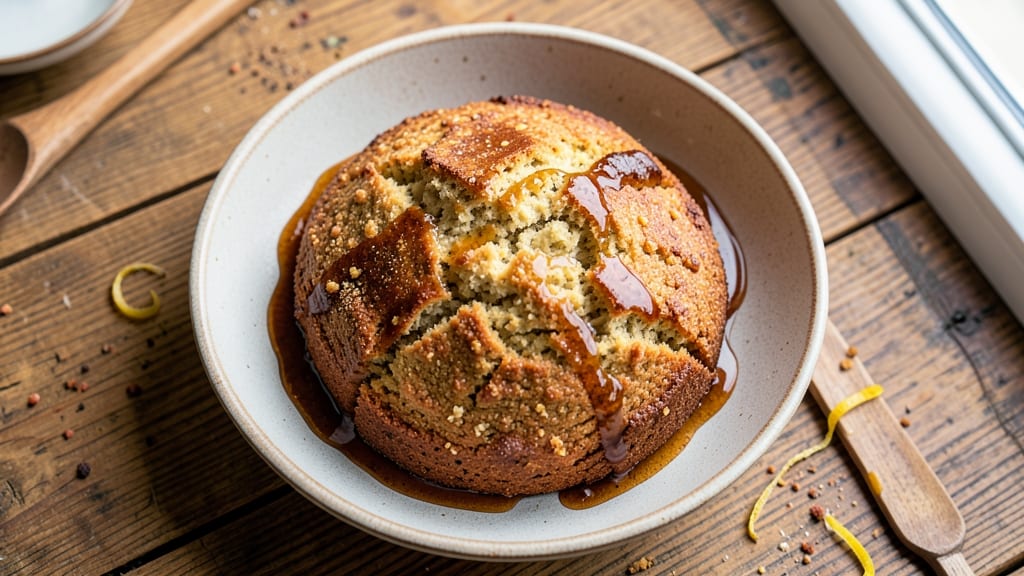
This almond flour quick bread recipe delivers a surprisingly tender, cloud-like loaf that requires no mixer, no fuss, and just 30 minutes of active time. The secret lies in combining almond flour's natural moisture-binding properties with a simple egg-based binder—no dairy, no gluten, and no complicated techniques.
I developed this recipe after years of struggling with dense almond flour baked goods, and this version finally cracked the code for a light, airy texture that rivals traditional wheat-based quick breads.
The beauty of this recipe is its versatility—it works equally well as a standalone breakfast loaf, toasted with jam, or paired with coffee. The texture is moist yet crumbly, with a delicate crumb that practically melts in your mouth.
For extra richness, I recommend adding a touch of honey or maple syrup to the batter, which enhances the bread's natural sweetness without overpowering the nutty almond flavor. The recipe also accommodates optional add-ins like chia seeds or dried fruit for texture and nutrition.
What sets this bread apart is its foolproof method: no measuring cups, no sifting, and no waiting for dough to rise. The ingredients come together in a single bowl, then bake in 35 minutes at 350°F, yielding a golden loaf that's perfect for slicing and serving.
The almond flour gives it a subtle nuttiness that pairs beautifully with both sweet and savory toppings, while the egg binder ensures a tender crumb that stays fresh for days when stored properly.
Whether you're accommodating dietary restrictions or simply craving a lighter bread option, this recipe delivers restaurant-quality results with minimal effort. The best part? It's perfect for meal prepping—slice and freeze individual portions for grab-and-go breakfasts all week. Let's get baking!
Ingredients for almond flour quick bread
Cloud-like almond flour magic with just 12 ingredients—no mixer, no gluten, no guilt.
| Ingredient | Amount | Notes |
|---|---|---|
| Almond Flour 🌾 | 2 ½ cups | Finely ground, unsweetened |
| Large Eggs 🥚 | 3 whole | Room temperature preferred |
| Pure Maple Syrup 🍯 | ¼ cup | Grade B for depth of flavor |
| Unsalted Butter 🧈 | ½ cup | Cold, cubed for easy mixing |
| Vanilla Extract 🌿 | 1 tsp | Pure, high-quality vanilla |
| Baking Powder 🧂 | 1 tbsp | Aluminum-free preferred |
| Salt 🧂 | ½ tsp | Fine sea salt |
| Plain Greek Yogurt 🥛 | ½ cup | Full-fat for moisture |
| Chia Seeds 🌱 | 1 tbsp | Optional for texture boost |
| Lemon Zest 🍋 | 1 tsp | Freshly grated |
| Almond Milk 🥛 | ¼ cup | Unsweetened, for lightness |
| Cinnamon 🌶️ | ½ tsp | Ground, for subtle warmth |
The almond flour is non-negotiable here—Bob's Red Mill or Anthony's Goods are my go-tos for consistency. Look for finely ground, unsweetened varieties to avoid grittiness. The eggs are the secret binder, so room temperature is key for even mixing. Butter should be cold (not melted)—this ensures proper aeration when it creams with the syrup. For extra richness, I always grab Grade B maple syrup from Wyman's—it's deeper and more complex than the lighter grades. The Greek yogurt adds moisture without heaviness, and full-fat is worth the splurge for that tender crumb.
No maple syrup? Agave nectar or honey works in a pinch, though the flavor profile shifts slightly. Swap butter for coconut oil if dairy-free is a must, but expect a denser texture. The chia seeds are optional but add a delightful crunch—NOW Foods brand is my favorite for purity. Lemon zest can be skipped if you're not a fan, but it brightens the whole loaf. The baking powder should be fresh—test by mixing with water; if it fizzes, it's good. For a savory twist, omit the cinnamon and add 1 tsp dried rosemary instead. The almond milk can be any unsweetened variety, but Silk or Blue Diamond are reliable choices.
This loaf stays fresh for 5 days at room temperature, wrapped in a clean kitchen towel to retain moisture. For longer storage, slice and freeze individual portions—3 months with no texture loss. Reheat slices in a toaster or microwave for 10 seconds—they're perfect with jam, nut butter, or even savory toppings like smoked salmon. The batter can be prepped ahead and refrigerated for 24 hours before baking, which actually enhances the flavor as the ingredients meld. Double the recipe and freeze half—it's ideal for meal prep when you need grab-and-go breakfasts.
Why You'll Love This Recipe
- No-Fuss Mix-In: I swear by this recipe because it’s the kind of thing you can toss together while scrolling through emails. Just fold the almond flour, eggs, and melted butter—no sifting, no measuring cups with questionable edges—then swirl in that maple syrup and vanilla. The dough comes together faster than my coffee brews.
- Maple-Vanilla Magic: That first bite? It’s like dessert had a baby with breakfast. The maple syrup caramelizes just enough to give it a warm, buttery depth, while the vanilla makes it smell like a bakery’s secret stash. Honestly, I’ve caught myself sneaking slices straight from the pan—no shame.
- Breakfast or Snack: This bread is my weeknight MVP. Toast it for a protein-packed breakfast, pack slices for lunch, or serve it warm with butter for a cozy afternoon pick-me-up. Even my picky kid grabs one when he’s hungry—between us, that’s saying something.
- Lasts All Week: No sad, stale loaves here. The almond flour keeps it moist for days, so you’re not scrambling to bake another batch midweek. Plus, it’s budget-friendly—no fancy ingredients, just basics that stretch further than most quick breads. I’ve had mine last eight days without drying out.
Step-by-step instructions for almond flour quick bread
This cloud-light loaf comes together faster than you can say "no mixer needed"—just whisk, pour, and bake.
Whisk Wet Ingredients to Perfect Consistency
In a large mixing bowl, combine the 3 whole large eggs, 0.25 cup pure maple syrup, and 1 tsp vanilla extract. Whisk vigorously for 30 seconds until the mixture lightens noticeably and becomes slightly frothy. This step incorporates air, which helps create that signature tender crumb.
Next, add the 0.5 cup cold cubed unsalted butter and whisk until fully melted and evenly distributed. The butter should create ribbons in the mixture—this indicates proper emulsification. If you notice any remaining cold butter chunks, let the bowl sit for 1 minute while you prepare the dry ingredients to give the butter time to fully incorporate.
Combine Dry Ingredients for Maximum Lightness
In a separate medium bowl, sift together the 2.5 cups almond flour, 1 tbsp baking powder, 0.5 tsp salt, and 0.5 tsp cinnamon. The sifting ensures even distribution of leavening and prevents dense pockets in your bread. Add the 1 tsp lemon zest and 1 tbsp chia seeds to the dry mixture and stir gently to combine.
Here's the thing—almond flour is naturally dense, so we need to create as much air as possible. After sifting, use a fork to lightly fluff the mixture, breaking up any clumps. This creates tiny air pockets that will expand beautifully during baking, giving you that signature light texture.
Fold Wet and Dry Ingredients with Gentle Precision
With a large spatula, gently fold one-third of the dry ingredients into the wet mixture. This gradual approach prevents overmixing, which could develop gluten and make the bread dense. After each fold, scrape the bottom and sides of the bowl to ensure everything gets incorporated.
Add the 0.5 cup plain Greek yogurt and 0.25 cup almond milk to the wet mixture and stir until just combined. The yogurt adds moisture while keeping the bread tender, and the almond milk provides lightness without making the batter too wet. The batter should be thick but pourable—similar to heavy pancake batter in consistency.
Pour and Bake to Golden Perfection
Preheat your oven to 350°F and lightly grease a 9-inch round cake pan or 8x4-inch loaf pan with butter or nonstick spray. Pour the batter into the prepared pan and smooth the top with a spatula. Tap the pan gently on the counter 3 times to remove any air bubbles that might have formed during pouring.
Bake for 35-40 minutes until the top is golden brown and a toothpick inserted in the center comes out clean. The edges should pull away slightly from the pan, and the bread should have a subtle crunch when tapped on the bottom. If the top browns too quickly, tent loosely with aluminum foil after 20 minutes to prevent over-browning while allowing the center to cook through.
Cool and Serve for Maximum Freshness
Remove the bread from the oven and let it cool in the pan for 10 minutes. This brief resting period helps the bread set and makes it easier to remove without breaking. Transfer to a wire rack and cool completely before slicing—this prevents the bread from becoming gummy.
For the best texture, serve slices while still slightly warm. The interior should be tender with a fine crumb, while the exterior has a delicate golden crust. Each bite delivers a perfect balance of nutty richness from the almond flour, subtle sweetness from the maple and yogurt, and bright citrus notes from the lemon zest. Store any leftovers in an airtight container at room temperature for up to 3 days or freeze for longer storage.
Pro Tips For Making Almond Flour Quick Bread
- MEASURE ALMOND FLOUR BY WEIGHT: Almond flour is deceptive—it packs differently every time. Use a kitchen scale for 1:1 accuracy with your recipe, or at least scoop it into the cup and level with a knife. I learned this the hard way when my loaf turned out dense instead of tender.
- SOFTEN BUTTER TO ROOM TEMP: Cold butter won’t mix smoothly, and your bread will end up greasy or uneven. Let it sit out for 20-30 minutes until it’s pliable but not melted—press a finger into it; it should leave a slight indent. (Yes, even if you’re impatient like me.)
- DON’T OVERMIX THE BATTER: Almond flour quick breads rely on eggs and butter for structure, not gluten. Mix just until combined—about 15-20 strokes—then stop. I used to overwork it, and the crumb turned tough instead of light.
- BAKE UNTIL 190°F INTERNAL: The bread’s edges might look done before the center is set. Use an instant-read thermometer to check the middle—it should hit 190°F. Pull it out early, and it’ll collapse; leave it in too long, and it’ll dry out. (Your future self will thank you.)
Essential equipment for this dish
Essential Mixing Tools
Your mixing tools make all the difference in achieving that signature light texture. I swear by a whisk with a long handle (like the OXO Good Grips brand) for blending the wet ingredients—it creates the most air incorporation.
For folding dry ingredients, use a heat-resistant silicone spatula (I love Lekue brand) to avoid scratching your bowl. A medium-sized mixing bowl (8-inch diameter) is perfect for this recipe—it gives enough room to whisk without splashing. 🥄
Baking Pan Selection
Choose between a 9-inch round cake pan or 8x4-inch loaf pan—both work beautifully. I prefer the round pan for its elegant presentation, but the loaf pan is ideal for slicing and toasting. Always use lightly greased pans with butter or nonstick spray to prevent sticking.
For extra insurance, line the bottom with parchment paper—this makes removal effortless and eliminates the need for greasing entirely. Pro tip: Avoid dark-colored pans, as they can cause uneven browning.
Oven Thermometer
Your oven's temperature display isn't always accurate, and this recipe relies on precise heat control. I recommend a Thermoworks Oven Thermometer—it's affordable and reliable. Place it in your oven while preheating to 350°F and adjust your oven's temperature if it reads more than 25°F off.
This ensures your bread bakes evenly and achieves that perfect golden crust. A slight temperature variation can turn your tender loaf into a dense one overnight. 🌡️
Measuring Essentials
Accurate measurements are critical with almond flour, as it's denser than wheat flour. Use a digital kitchen scale (like the OXO Good Grips brand) for the almond flour—it's more precise than volume measurements.
For liquids, a liquid measuring cup with clear markings ensures you get the exact 0.25 cup of maple syrup and 0.25 cup of almond milk. A fine-mesh sieve is a must for sifting the dry ingredients evenly.
Never scoop flour directly from the bag—spoon it in and level it off for consistency.
Optional Add-Ins Tools
If you're adding extras like dried fruit or nuts, a microplane is perfect for zesting the lemon and grating chocolate. For chia seeds, a small measuring spoon ensures you add exactly 1 tbsp. A small offset spatula helps spread any additional toppings evenly before baking.
I also keep a fine-mesh strainer handy to sift any lumps out of the almond flour if I haven't pre-sifted it. These tools might seem minor, but they elevate the final texture and presentation. ✨
Nutrition facts
Frequently asked questions
Why does this almond flour bread turn out dense if I overmix the batter?
Almond flour lacks gluten, so overmixing develops no structure to hold air pockets. The key is gentle folding—just combine until just combined. Use a spatula to cut through the batter rather than stirring vigorously, and stop as soon as all dry ingredients disappear. This keeps the crumb tender and airy.
Can I substitute coconut flour for almond flour in this recipe?
Not directly—coconut flour absorbs 4x its volume in liquid and has a completely different texture. For a 1:1 swap, you'd need to add 1.5 cups extra liquid (like almond milk) per cup of coconut flour, but the result would be much denser. Stick with almond flour for that signature light crumb.
How do I make this bread vegan?
Replace the eggs with 3 tbsp ground flaxseed + 9 tbsp water (let sit 5 minutes to thicken), use vegan butter, and swap Greek yogurt for unsweetened coconut yogurt. The texture will be slightly more crumbly but still delicious. For extra moisture, add 1-2 tbsp almond milk to the batter.
Why does my almond flour bread crack on top?
Cracking usually means the batter was too wet or the oven was too hot. Check your measurements—almond flour should be spooned and leveled, not scooped. Also ensure your oven is properly calibrated (use an oven thermometer). If the top browns too fast, tent with foil after 20 minutes.
Can I add chocolate chips to this recipe?
Fold in ½ cup dairy-free chocolate chips (like Enjoy Life brand) with the chia seeds. For best results, use dark chocolate (70% or higher) to complement the nutty flavor. The chips will melt slightly during baking, creating pockets of gooey goodness. Reduce the cinnamon to ¼ tsp if you prefer a sweeter profile.