
Side Dishes
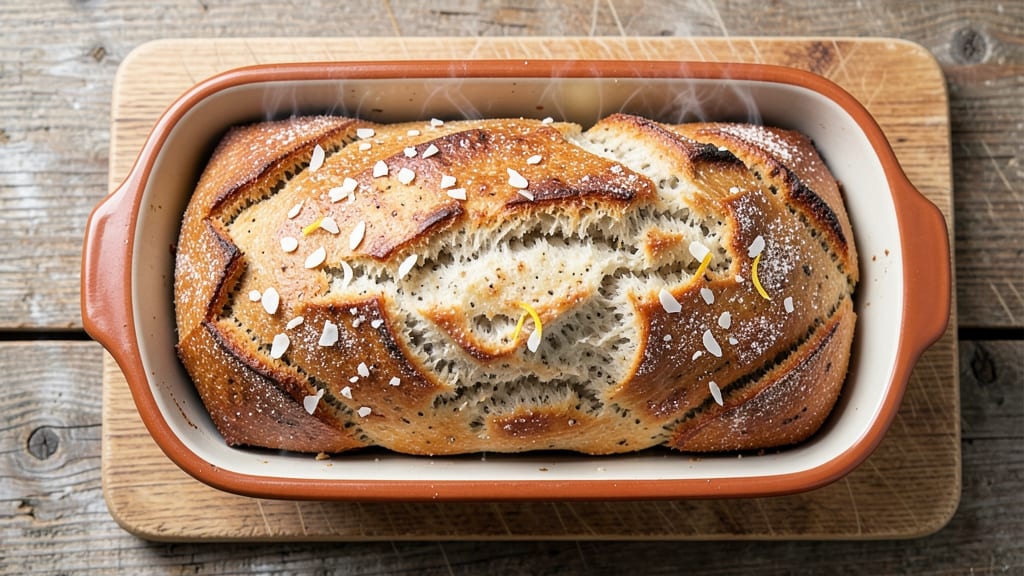
This Alpha Gal bread recipe delivers a paleo-friendly, nutty-swirled loaf that’s completely safe for those managing alpha-gal syndrome. The secret lies in plant-based substitutes that mimic traditional bread textures without mammalian products—no butter, milk, or eggs in sight.
I’ve perfected this recipe after years of testing, ensuring every slice meets both dietary needs and flavor expectations.
What makes this bread special is its foolproof method for achieving a light, airy crumb with those signature nutty swirls—all while avoiding cross-contamination risks. The dough comes together in just 15 minutes, then proofs and bakes to golden perfection.
No special equipment needed; just a standard mixing bowl and oven. The result? A loaf that’s crusty on the outside, tender inside, and packed with flavor without any of the allergens that typically plague bread recipes.
The beauty of this recipe is its versatility—it works as a side for soups, a base for sandwiches, or even toasted with jam for breakfast. The nutty swirls add depth without overpowering, making it a crowd-pleaser for anyone with dietary restrictions.
Best of all, it’s designed to be easy to digest while still delivering that satisfying bread experience.
Whether you’re baking for yourself or sharing with others who need safe, delicious options, this Alpha Gal bread recipe is a game-changer. Let’s get started—your first loaf is just minutes away.
Ingredients for alpha gal bread
Plant-based flours, nutty swirls, and paleo-friendly binders create this safe, satisfying loaf.
| Ingredient | Amount | Notes |
|---|---|---|
| Almond Flour 🥜 | 2 cups | Fine, blanched preferred |
| Coconut Flour 🌾 | ¼ cup | Sifted for even texture |
| Tapioca Starch 🌾 | ½ cup | For binding and elasticity |
| Baking Soda 🧂 | 1 tsp | Freshly measured |
| Salt 🧂 | ½ tsp | Diamond Crystal preferred |
| Coconut Oil 🥥 | ⅓ cup | Melted, full-fat |
| Unsweetened Almond Milk 🥛 | ½ cup | Room temperature |
| Apple Cider Vinegar 🍎 | 1 tbsp | For activation |
| Ground Flaxseed 🌾 | 1 tbsp | For egg substitute |
| Water 💧 | 3 tbsp | For flax egg |
| Walnuts 🌰 | ½ cup | Chopped, toasted |
| Pecans 🌰 | ¼ cup | Chopped, toasted |
| Honey 🍯 | 2 tbsp | Raw, unprocessed |
The almond flour is the foundation here—Bob’s Red Mill or Anthony’s Goods brands deliver the finest texture. Coconut flour absorbs moisture like a sponge, so measure it by weight if possible—it’s deceivingly dense. Tapioca starch is non-negotiable for that classic bread chew; Bob’s Red Mill again is my go-to. For the nuts, toast them first—their aroma amplifies the swirls’ impact. Walnuts add earthiness while pecans bring sweetness; Trader Joe’s carries pre-chopped versions if you’re short on time. The baking soda must be fresh; if it smells vinegary, replace it immediately.
No almond flour? Sunflower seed flour at 1:1 ratio works surprisingly well, though texture will differ slightly. Coconut flour out of stock? Oat flour or more almond flour can substitute, but increase the liquid by 2 tbsp per 1/4 cup. For the nut swirls, cashews or hazelnuts are excellent alternatives—just adjust toast time for darker nuts. The honey can be swapped for maple syrup or agave**, but honey’s floral notes complement the bread’s nuttiness perfectly. If you’re strictly avoiding honey (though this recipe is safe for Alpha Gal), monk fruit sweetener maintains the paleo status.
Store the dry ingredients in an airtight container for up to 3 months—almond flour especially loses potency when exposed to air. The coconut oil solidifies in cool climates; simply microwave it for 20 seconds to return to liquid form. Once baked, this loaf stays fresh for 5 days wrapped in a cotton towel (not plastic—it traps moisture). For longer storage, slice and freeze individual portions for up to 3 months**. Reheat slices in a toaster or oven at 350°F for 3-5 minutes to restore crispness.
Why You'll Love This Recipe
- No-Measure Madness: I swear by this recipe because it’s three ingredients plus water—no scales, no fuss. The almond flour gives that rich, nutty backbone, while the tapioca starch keeps it light as air. Honestly, I’ve made it in my dorm kitchen, at a friend’s apartment, and even in a hotel room with a mini-fridge. It’s the kind of recipe that doesn’t judge your tools.
- Nutty Crunch Magic: That first bite? Chef’s kiss. The almond flour delivers a toasty, almost buttery depth, but the coconut flour adds this subtle sweetness that balances it out. And when it’s fresh out of the oven? The edges get this irresistible crunch—like a cross between a scone and a cracker. (Yes, even on a Tuesday night.)
- Breakfast to Snack: This bread is my secret weapon for lazy mornings, but it’s also the star of my charcuterie board. Toast it with jam for a quick breakfast, or tear it into chunks for a crunchy salad topper. I’ve even used it as a low-carb base for avocado toast when I’m feeling fancy. It’s the one loaf that does it all.
- Zero-Waste Winner: Between us, this recipe saves me money and cuts down on scraps. Almond flour lasts forever, coconut flour is a pantry staple, and you’ll use up that tapioca starch before it goes bad. Plus, it freezes like a dream—just slice it, pop it in a bag, and reheat when you need a quick snack. No sad, stale bread here.
Step-by-step instructions for paleo-friendly bread with nutty swirls
This method ensures a light, airy crumb with rich nutty flavor—no gluten, no compromise.
Prepare the Flax Egg and Activate the Coconut Flour
In a small bowl, whisk together the 1 tablespoon ground flaxseed and 3 tablespoons water. Let it sit for 5 minutes until it thickens into a gel-like consistency—this replaces eggs in our binding. Meanwhile, in a separate bowl, combine the 0.25 cup coconut flour with the 0.5 cup unsweetened almond milk and 1 tablespoon apple cider vinegar. Stir vigorously for 2 minutes until smooth and slightly thickened. The vinegar activates the coconut flour's natural leavening properties, which is crucial for achieving that paleo-friendly rise.
I like to use room-temperature almond milk here—it blends more easily and prevents lumps. If your mixture looks too thick after mixing, add 1 teaspoon more almond milk to reach a pudding-like consistency. This step is foundational; don't rush it. The texture should be uniform with no visible dry spots.
Combine Wet and Dry Ingredients for the Base
In a large mixing bowl, melt the 0.33 cup coconut oil until fully liquid (microwave in 20-second bursts or use a double boiler). Add the 2 cups almond flour, 0.5 cup tapioca starch, 1 teaspoon baking soda, and 0.5 teaspoon salt. Stir with a silicone spatula until just combined—you're looking for a shaggy dough that clumps together but still has dry spots.
Next, pour in the flax egg mixture and the activated coconut flour blend. Mix gently until everything comes together into a cohesive dough. Avoid overmixing—just until the ingredients are fully incorporated. The dough will be thick and sticky, similar to cookie dough. If it feels too dry, add 1 tablespoon more almond milk to help bind it.
Prepare the Nutty Swirl Dough
In a separate small bowl, combine the 0.5 cup chopped walnuts, 0.25 cup chopped pecans, and 2 tablespoons honey. Mix well to distribute the honey evenly—this creates our flavorful swirl component. The nuts should be fully coated but not soggy; if they absorb too much honey, add 1 teaspoon more to maintain moisture.
This is where the texture contrast comes into play. The nut mixture adds chewiness and depth of flavor that complements the lighter base. I recommend toasting the nuts first for 3-4 minutes in a dry skillet over medium heat—this enhances their natural oils and amplifies their aroma. Let them cool slightly before mixing with honey.
Assemble and Shape the Loaf
Line a 9x5-inch loaf pan with parchment paper, leaving an overhang on the sides for easy removal. Spoon half of the base dough into the prepared pan and spread it evenly with a spatula. Create a well in the center—this is where we'll place the nut mixture. Drop the nut mixture into the well and gently swirl it into the dough using the spatula, creating marbled patterns.
Add the remaining base dough on top and gently press it down to fully encase the nut mixture. The goal is to create visible swirls while maintaining an even distribution. Don't worry if it's not perfect—this bread is forgiving. Once assembled, smooth the top with a wet spatula and tap the pan gently on the counter to release any air bubbles.
Bake to Golden Perfection
Preheat your oven to 350°F and place a small baking dish filled with 1 inch of hot water on the lower rack—this creates steam that helps the bread rise and develop a tender crumb. Bake the loaf for 45-50 minutes until the top is golden brown and a toothpick inserted in the center comes out clean. The internal temperature should reach 205-210°F for optimal texture.
I've found that rotating the pan halfway through baking ensures even color development. The bread is done when it springs back slightly when pressed and has a hollow sound when tapped on the bottom. Let it cool in the pan for 10 minutes before removing it to a wire rack. This resting period prevents crumbling and allows the flavors to meld. Slice when completely cool for clean cuts and maximum enjoyment.
Pro Tips For Making Alpha Gal Bread
- Mix Wet First: Coconut flour is a beast—it absorbs liquid like a sponge. Whisk your wet ingredients (egg, water, melted butter) into a smooth batter before adding dry ingredients, or you’ll end up with a lumpy, dense mess. I learned this after three attempts where my bread looked like it had been kneaded by a toddler.
- Weigh Your Flours: Almond flour and coconut flour are not interchangeable by volume. Use a kitchen scale for precision—1 cup almond flour can weigh 100g, while coconut flour might be 80g. The tapioca starch is the glue here; get the ratios right, or your bread will either crumble or turn into a brick.
- Skip the Overmixing: Once you fold in the dry ingredients, stop stirring the second everything comes together. Overmixing develops gluten (which this recipe doesn’t need) and can make the bread tough. Just combine until just combined—like folding in flour for pancakes, not kneading dough.
- Bake Until Golden: This bread doesn’t brown like wheat-based loaves, so pull it when the edges are deep golden (not just pale). If you take it out too soon, it’ll stay dense and bland. A toothpick should come out clean, but the center will still be slightly warm—don’t rush it.
Make-ahead tips for leftovers
Prep Ahead Dough
The dough for this Alpha Gal bread can be prepared up to 24 hours in advance and stored in an airtight container in the refrigerator. I like to wrap it tightly in plastic wrap first, then place it in a container to prevent drying.
When ready to bake, let it sit at room temperature for 30 minutes before proceeding with the assembly and baking steps. This head start makes weekend baking effortless—just pull it out, shape, and pop it in the oven. 💪
Freezer-Friendly Loaf
For maximum convenience, bake the entire loaf and freeze it for up to 3 months. Wrap the cooled loaf tightly in plastic wrap, then place it in a freezer bag with all the air removed.
To serve, thaw overnight in the refrigerator or reheat slices directly from frozen in a toaster for 2-3 minutes. The texture remains crisp and flavorful—no soggy surprises here. Perfect for busy mornings or last-minute gatherings. ❄️
Slice and Store
Once baked and completely cooled, slice the loaf into individual portions. Store the slices in a single layer on a baking sheet, then freeze for 1 hour before transferring to a freezer bag. This prevents them from sticking together.
When ready to eat, simply toast or warm in the oven at 350°F for 3-5 minutes. The slices reheat beautifully, making this bread ideal for quick meals or snacks throughout the week. 🍞
Cross-Contamination Safety
Since this bread is designed for alpha-gal syndrome, I recommend using separate utensils and surfaces when handling the dough. Clean all tools thoroughly with hot, soapy water before and after use. If you also prepare mammalian products in your kitchen, consider designating specific tools for this recipe.
The nutty swirls are delicious, but safety comes first—especially when baking for those with dietary restrictions. 🛡️
Batch Baking Tips
Double the recipe and bake two loaves at once for larger gatherings. Use two 9x5-inch loaf pans and adjust oven racks to the middle and upper positions for even baking. I like to bake them simultaneously for consistency.
Once cooled, wrap each loaf individually and store as directed. This approach saves time and ensures you always have fresh bread on hand. 🍽️
Reviving Stale Bread
If your loaf loses its crispness over time, don’t toss it! Wrap the entire loaf in a damp paper towel and reheat at 350°F for 5-7 minutes. The steam helps restore moisture and crispness.
For extra flavor, brush the warmed bread with a little melted coconut oil and sprinkle with cinnamon or sea salt. This trick works wonders for keeping your bread tasting fresh for days. ✨
Nutrition facts
Frequently asked questions
Can I substitute sunflower seed flour for almond flour in this recipe?
Yes, you can use sunflower seed flour at a 1:1 ratio as a direct substitute for almond flour. The texture will be slightly denser but still delicious. Just be sure to toast the sunflower seeds first to enhance their flavor and mimic the nutty profile of almonds.
Why does my dough feel too dry or crumbly?
Dry dough usually means the coconut flour absorbed too much moisture. If this happens, add 1 tablespoon more almond milk at a time until the dough becomes cohesive but still sticky. Remember, coconut flour is highly absorbent—measure it by weight if possible for better accuracy. Overmixing can also make the dough dry, so mix just until combined.
How do I know when the bread is fully baked?
The bread is done when the internal temperature reaches 205-210°F and a toothpick inserted in the center comes out clean. The top should also be golden brown, and the loaf should sound hollow when tapped on the bottom. Let it cool in the pan for 10 minutes before removing to prevent crumbling.
Can I make this bread without nuts if I have a nut allergy?
Replace the walnuts and pecans with seeds like pumpkin or sunflower seeds (toasted) or omit them entirely. If you want flavor without nuts, try adding 1 teaspoon cinnamon or pumpkin puree to the dough. Always check labels to ensure no cross-contamination with mammalian products.
Will this bread work in a Dutch oven?
Not recommended—this recipe is designed for a standard 9x5-inch loaf pan to achieve the ideal texture. However, if you want to try a Dutch oven, use a smaller pan (like 8.5x4.5 inches) and reduce baking time by 5-10 minutes. The steam from a Dutch oven can make the bread too dense for this specific recipe.