
Side Dishes
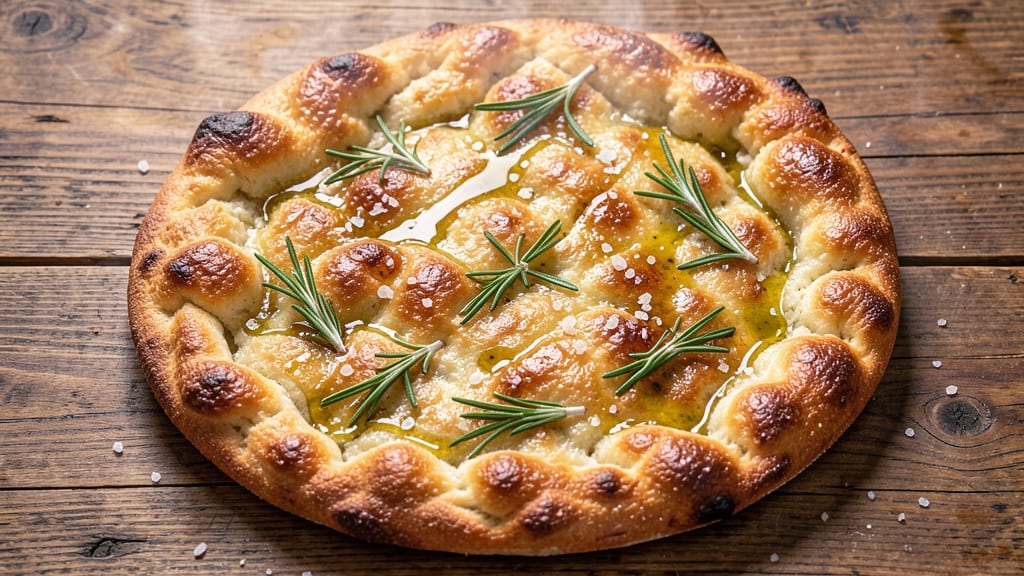
This amazing focaccia bread recipe delivers restaurant-quality results with a crispy, golden crust and herby crunch that'll make you the star of any dinner party. ✨ The secret lies in the olive oil—generously brushed into the dough and baked until it pools into shimmering pockets of flavor.
I've perfected this technique after years of trial and error, and trust me, it's worth every extra minute.
The dough gets its signature texture from a long, slow rise and gentle dimpling with your fingertips, creating those coveted air pockets that make focaccia so irresistible.
No fancy equipment needed—just a bowl, a warm spot, and patience (the hardest part). The aroma alone as it bakes will have everyone gathering around your kitchen.
By the time it emerges from the oven, you'll have a loaf with crispy edges, tender centers, and a golden crust that practically glistens with olive oil.
The herby topping adds freshness and crunch, while the flaky salt crystals bring everything together in perfect harmony. This isn't just bread—it's an experience.
Serve warm with olive oil for dipping or use as a base for bruschetta. The best part? Leftovers stay fresh for days, making this the ultimate make-ahead side dish. Let's get baking!
Ingredients for amazing focaccia bread
Six ingredients transform into golden, herby focaccia that'll steal the show at any meal.
| Ingredient | Amount | Notes |
|---|---|---|
| Active Dry Yeast 🍞 | ¼ tsp | Ensure it's fresh (not expired) |
| Warm Water 💧 | 1 ¼ cups | 110°F for optimal yeast activation |
| All-Purpose Flour 🌾 | 4 cups | Plus 1 tbsp for dusting |
| Extra-Virgin Olive Oil 🫒 | 1 ½ cups | High quality, fruity variety |
| Fine Sea Salt 🧂 | 1 ½ tsp | Diamond Crystal preferred |
| Fresh Rosemary 🌿 | ¼ cup | Finely chopped, stems removed |
| Fresh Thyme 🌿 | ¼ cup | Leaves only, finely chopped |
| Fresh Parsley 🌿 | ¼ cup | Flat-leaf, finely chopped |
| Flaky Sea Salt 🧂 | ½ tsp | For final topping (Maldon preferred) |
| Coarse Kosher Salt 🧂 | 1 tbsp | For shaping dough |
The olive oil is non-negotiable here—Trader Joe's or Whole Foods carry the best fruity varieties. I always grab a large bottle of California extra-virgin for this recipe, and trust me, it makes all the difference. The yeast? Fresh is key—check the date on the package, and if it's been sitting in your pantry for months, toss it. For the herbs, farmers markets have the freshest rosemary and thyme, but grocery store bunches work too if you use them within a few days. The flaky salt? Maldon or Jacobsen are worth the splurge for that signature crunch.
No extra-virgin olive oil? Light olive oil works in a pinch, but you'll lose that fruity depth. Fresh herbs wilt fast—dried herbs at half the amount get you close, though nothing beats the fresh stuff. Short on rosemary? Substitute with more thyme and parsley. The flaky salt can be swapped for coarse kosher salt sprinkled generously, but it won't have that same luxurious texture. And if you're out of Diamond Crystal, any fine sea salt will do—just measure carefully since grain sizes vary.
This dough is a beast—it needs time. Let it rise overnight in the fridge for the best flavor. Store any leftovers wrapped in a clean kitchen towel at room temp for 2-3 days, or freeze for up to 3 months by wrapping tightly in plastic. Reheat slices in a 350°F oven for 5-10 minutes to restore that crispy magic. Pro tip: Toast stale focaccia and rub with fresh garlic for a quick appetizer.
Why You'll Love This Recipe
- No-Knead Magic: I mix, wait, and bake—no fancy techniques. That yeast and olive oil combo does all the work while I sip my coffee.
- Olive Oil Bliss: The moment it hits the oven, that oil infuses into every bite—crispy, golden, and ridiculously good. No butter needed.
- Weeknight Wonder: Toss it with tomatoes for bruschetta or slice it for sandwiches. It’s my go-to for lazy dinners or fancy gatherings—no judgment.
- Budget-Friendly Staple: A few cents’ worth of flour and oil stretch into meals for days. Freeze slices for toast later—zero waste, all flavor.
Step-by-step instructions for olive oil-poofed focaccia bread
This method guarantees a crispy, golden crust with that signature herby aroma—every time.
🍳 Step 1: Activate the Yeast and Mix the Dough
In a large bowl, combine the 1.25 cups warm water (about 110°F) with the 0.25 tsp active dry yeast. Let it sit for 5-10 minutes until it becomes frothy and bubbly—this tells you the yeast is alive and ready to work. If it doesn't bubble, your yeast might be old, and you'll need to start over.
Once bubbly, add the 4 cups all-purpose flour and 1.5 tsp fine sea salt to the bowl. Mix with a wooden spoon until a shaggy dough forms. Then, drizzle in 1 cup of the extra-virgin olive oil and stir until the dough starts pulling away from the sides of the bowl. The dough will be sticky—that's normal! Here's where it gets fun—add the 0.25 cup chopped fresh rosemary, 0.25 cup chopped fresh thyme, and 0.25 cup chopped fresh parsley, mixing them in until evenly distributed. The herbs will infuse the dough with incredible aroma and flavor.
👨🍳 Step 2: Knead and Rest the Dough
Turn the dough out onto a lightly floured surface (use that extra 1 tbsp flour for dusting) and knead for 5-7 minutes until smooth and elastic. You're looking for a dough that springs back when pressed gently—this means the gluten has developed properly. Don't worry if it's still sticky; focaccia dough should be softer than bread dough.
Place the dough back in the bowl, drizzle with the remaining 0.5 cups extra-virgin olive oil, cover with a damp towel, and let it rise at room temperature for 1-2 hours or until it's doubled in size. The dough should feel puffy and jiggly when you press it lightly with a finger. This resting period allows the yeast to work its magic and the flavors to meld together beautifully.
🍳 Step 3: Shape and First Rise in the Pan
Preheat your oven to 425°F and line a 9x13-inch baking sheet with parchment paper. Transfer the risen dough to the prepared pan and gently press it out to fit the dimensions, using your fingers to create dimples all over the surface. This not only helps with even baking but also creates those delicious pockets for extra olive oil.
Drizzle the dough generously with the remaining 0.25 cups extra-virgin olive oil (you should have about that much left) and sprinkle evenly with the 1 tbsp coarse kosher salt. Let it rise again for 30-45 minutes until it puffs up noticeably. The edges should look slightly rounded, and the dimples will deepen as the dough expands. This second rise is crucial for that airy, pillowy texture.
🔥 Step 4: Bake to Golden Perfection
Bake the focaccia for 20-25 minutes until the crust is deep golden brown and the edges look crispy. You'll smell that incredible herby aroma filling your kitchen—this is the moment that matters! The top should be puffed and slightly cracked in places, with the dimples filled with golden oil. If it's browning too quickly, tent loosely with foil to prevent burning while it finishes baking.
Remove from the oven and immediately sprinkle with the 0.5 tsp flaky sea salt. Let it cool for 5-10 minutes before slicing—this resting time ensures clean cuts and prevents the bread from falling apart. The result should be a crispy, olive oil-poofed crust with a soft, herby interior that's perfect for dipping or serving with soups and salads.
Pro Tips For Making Amazing Focaccia Bread
- Test Your Yeast First: Skip the guesswork—mix 1 teaspoon yeast with ¼ cup warm water and 1 teaspoon sugar. If it doesn’t foam in 5–10 minutes, toss it and use fresh. I learned this the hard way after baking a flat, sad loaf from old yeast that just looked fine.
- Dough Too Stiff? Add Oil: If your dough feels like concrete after kneading, drizzle in 1–2 teaspoons extra olive oil and fold it in. The oil keeps it tender and prevents overworking—my focaccia used to crack like dry riverbeds until I started doing this.
- Preheat Pan After Shaping: Let your shaped dough rest in the pan for 30 minutes before baking. This gives the yeast one last push to rise while the oil soaks in, resulting in a taller, airier crumb. (Yes, even if you’re impatient like me.)
- Salt the Dough Twice: Sprinkle half the salt into the dough, then save the rest for the final dimple-and-oil step. The second hit of salt right before baking crisps the surface and deepens the flavor—my focaccia used to taste bland until I doubled down on this.
Troubleshooting this recipe
Dough Too Sticky?
Focaccia dough is naturally sticky, but if it feels unmanageable, add 1-2 tbsp more flour while kneading. Work quickly—too much flour can make it dry. I like to wet my hands slightly to prevent sticking while shaping.
If the dough tears when dimpling, let it rest 10-15 minutes longer before handling. 💪
Uneven Rising?
Cold spots in your kitchen can cause uneven rising. Place the dough in a warm oven with the light on (turned off) for 1-2 minutes to create a cozy environment.
If one side rises faster, rotate the bowl halfway through rising. For extra insurance, use a proofing basket lined with a floured towel to help it expand evenly.
Pale or Soggy Crust?
This usually means insufficient heat or moisture loss. Brush the dough with an extra 1-2 tbsp olive oil before baking and bake at 450°F instead of 425°F for the first 10 minutes.
A baking stone or steel helps create a crispier crust. For extra crunch, broil for 1-2 minutes at the end (watch closely!).
Herbs Not Infusing?
Fresh herbs need time to release their oils. Chop them finely and mix them into the dough during the first kneading, not just on top. For extra flavor, steep the herbs in ¼ cup warm water for 5 minutes before adding to the dough.
If using dried herbs, increase to 1 tbsp each and toast them in a dry pan for 30 seconds to intensify their aroma.
Dense or Heavy Texture?
Over-kneading or under-rising causes dense focaccia. Aim for 5-7 minutes of kneading—just until the dough pulls away from the bowl. If it's not doubling in size after 2 hours, your yeast may be dead.
Let it rise in a warm spot (80-85°F)—near a heating vent or in a turned-off oven with the light on works well. Patience is key!
Browning Too Fast?
This happens when the oven is too hot or the dough is too wet. Lower the oven temp to 400°F and tent the pan with foil after 15 minutes. For extra insurance, place a tray of water on the lower rack to add moisture to the air.
If using a dark baking sheet, switch to a lighter one to prevent over-browning. Let the focaccia cool slightly before slicing for cleaner cuts.
Nutrition facts
Frequently asked questions
Can I make focaccia without fresh herbs?
Yes! Use 1 tablespoon each of dried rosemary, thyme, and parsley instead. For extra flavor, toast the dried herbs in a dry pan for 30 seconds before adding to the dough. The aroma will be more intense than using dried herbs straight from the jar.
How do I store leftover focaccia?
Wrap cooled focaccia tightly in a clean kitchen towel and store at room temperature for 2-3 days. For longer storage, freeze slices wrapped in plastic for up to 3 months. To revive, reheat in a 350°F oven for 5-10 minutes until crispy again.
Why does my focaccia turn out dense?
Dense focaccia usually means the dough didn't rise enough or was over-kneaded. Let it rise in a warm spot (80-85°F)—try placing it in a turned-off oven with the light on. Knead only until the dough pulls away from the bowl (5-7 minutes), and don't skip the second rise in the pan. Patience is key!
Can I use a different type of oil?
Extra-virgin olive oil is ideal for its fruity flavor, but you can substitute with light olive oil or avocado oil in a pinch. Avoid vegetable oils—they lack the rich taste that makes focaccia special. If using a lighter oil, add 1 extra tablespoon to compensate for lower flavor.
How do I make focaccia without dimples?
Skip the dimpling step for a smoother surface, but you'll miss the signature pockets of olive oil. If you prefer no dimples, simply stretch the dough gently in the pan and brush with extra oil before baking. The texture will still be delicious—just less dramatic!