
Desserts
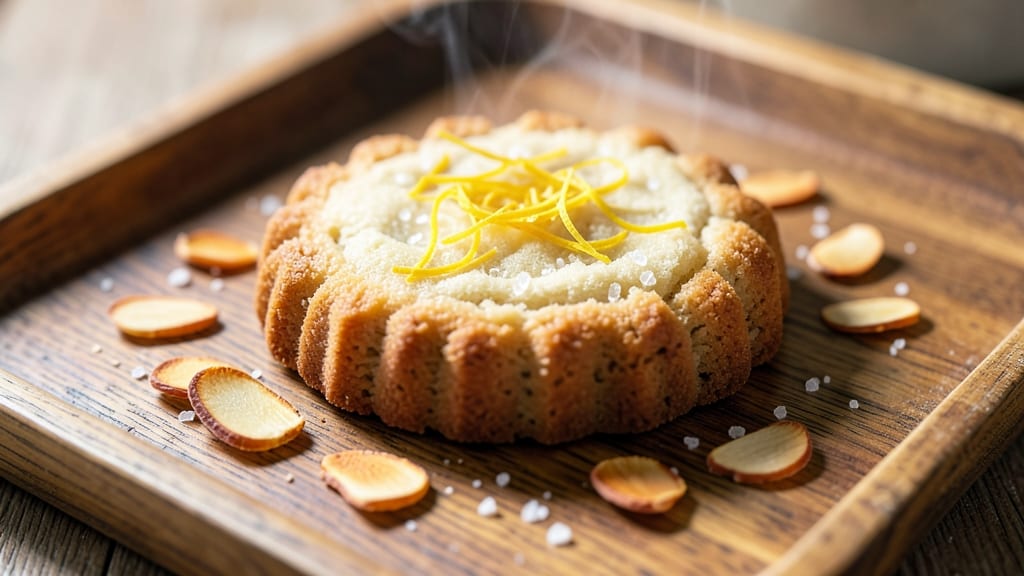
This amazing shortbread cookie recipe delivers the perfect balance of crisp edges and sandpaper-soft centers that melt in your mouth. 💛 The secret lies in chilled butter and precise mixing—no overworking the dough, just gentle folding until it holds together.
I've been perfecting this recipe for years, and it's the one people always ask for seconds of.
What makes these shortbread cookies truly special is the texture contrast: the outside stays delightfully crisp while the inside remains tender and crumbly. You only need five simple ingredients—butter, sugar, flour, and a pinch of salt—that come together in minutes.
The dough is easy to handle, and baking at a precise 325°F ensures golden edges without burning.
Once out of the oven, these cookies develop that signature buttery aroma that fills your kitchen. The flavor is pure, rich, and slightly sweet—no artificial aftertaste, just the natural taste of high-quality butter and flour. They're perfect for holidays, gifts, or just treating yourself to something truly delicious.
For extra flair, try adding lemon zest or finely chopped nuts to the dough before baking. These variations keep the classic shortbread experience fresh while adding exciting twists. Let's get baking—your taste buds will thank you!
Ingredients for amazing shortbread cookie
Five simple ingredients create the perfect buttery shortbread magic you'll crave again and again.
| Ingredient | Amount | Notes |
|---|---|---|
| Unsalted Butter 🧈 | 1 cup | Cold and cubed for texture |
| Granulated Sugar 🍚 | ½ cup | Superfine preferred for smoothness |
| All-Purpose Flour 🌾 | 2 cups | Sifted for light texture |
| Fine Sea Salt 🧂 | ¼ tsp | Kosher or flaky salt preferred |
| Lemon Zest 🍋 | 1 tbsp | Optional for bright flavor |
| Almond Slices 🥜 | ¼ cup | Finely chopped, optional garnish |
The butter is non-negotiable here—European-style unsalted butter like Plugrá or Land O'Lakes gives the best flavor, but any good brand works. Grab it from the dairy case and let it chill in the fridge for at least 30 minutes before using. The sugar? Superfine sugar dissolves better, but regular granulated works if you pulse it in a food processor. Flour matters too—King Arthur or Gold Medal brands are my go-tos for consistent results. If you're feeling fancy, grab a flaky sea salt like Maldon for that gourmet touch on top.
No superfine sugar? Pulse regular sugar in a food processor for 30 seconds—it'll work in a pinch. Short on almonds? Pistachios or walnuts add a different buttery crunch. The lemon zest is optional but worth it—one organic lemon gives you plenty for this batch. For extra flavor, swap half the butter for brown butter (cook it until nutty and cool completely). If your dough feels too dry, add 1 tsp cold milk to help bind it. And trust me, don't overmix—just fold until it comes together.
Store dough in the fridge for up to 3 days wrapped in plastic, or freeze for 3 months for fresh-baked cookies anytime. Once baked, these cookies stay crisp for 5 days in an airtight container, but they're best enjoyed within 2 days for that perfect melt-in-your-mouth texture. For gifting, package them in clear cellophane bags with a ribbon—everyone will think you're a pro. Leftovers? Toss them in the oven at 300°F for 5 minutes to revive the crispiness.
Why You'll Love This Recipe
- Three-Ingredient Magic: I swear, this recipe feels like cheating—just butter, sugar, and flour (plus a pinch of salt and lemon zest, of course). My lazy Sunday mornings now include a batch of these while I sip coffee, no fancy tools or measuring cups required.
- Bright & Buttery Bliss: That lemon zest? It’s the secret weapon—bright, citrusy, and just enough to cut through the richness. The texture is what really sells me: crisp edges, melt-in-your-mouth centers, and a crumb that’s dangerously easy to over-bake (I’ve learned that the hard way).
- Party in a Jar: Honestly, these are my go-to for holiday gifts, teacher appreciation gifts, or just because. I portion them into jars, tie a ribbon, and boom—everyone thinks I’m a baking genius. They freeze like a dream, too, so I always have a stash for last-minute favors.
- Budget-Friendly Luxury: Unsalted butter and flour? Pantry staples. No weird ingredients or pricey add-ins. A single batch costs me less than $3 and makes enough for two dozen cookies—meaning I can treat myself and my friends without breaking the bank. Plus, leftovers? They disappear faster than I can say “second cup of tea.”
Step-by-step instructions for crisp-edged shortbread cookies
Here's how to make buttery, melt-in-your-mouth shortbread with perfect texture every time.
👨🍳 Step 1: Cut and Cream the Cold Butter
Place the 1 cup unsalted butter (cold and cubed) in a stand mixer fitted with the paddle attachment. Mix on medium speed for 1-2 minutes until the butter becomes fluffy and pale. This step is crucial—it incorporates air for that signature light texture. If your butter melts, chill the bowl for 10 minutes before continuing.
I like to press down on the butter with a spatula during mixing to help it cream properly. You'll know it's ready when it looks like whipped butter and nearly doubles in volume. This ensures your cookies will have that perfect crisp edge while staying soft inside.
👨🍳 Step 2: Add Sugar and Mix Until Combined
Add the 0.5 cup granulated sugar and mix on medium speed for another 1-2 minutes until fully incorporated. The sugar will dissolve into the butter, creating a smooth, slightly grainy paste. If using superfine sugar, this process happens faster—just keep an eye on it.
This is where the magic happens for that perfect balance of sweetness. The sugar helps create the crisp edges while keeping the centers tender. Don't worry if the mixture looks slightly curdled—it will come together in the next step. Give it a taste at this point—it should be sweet but not cloying.
👨🍳 Step 3: Incorporate Dry Ingredients Gently
In a separate bowl, whisk together the 2 cups all-purpose flour, 0.25 teaspoon fine sea salt, and the 1 tablespoon lemon zest (if using). With the mixer on low speed, gradually add the dry ingredients to the butter mixture. Mix just until combined—you should still see small flour streaks. Overmixing develops gluten, which makes cookies tough.
Here's the thing—shortbread is all about gentle handling. Once the dough comes together, it will be slightly crumbly. That's normal! Don't be tempted to add more liquid. Press the dough together with your hands until it forms a cohesive mass. It should hold together when pressed but still feel slightly dry.
🥘 Step 4: Shape and Chill the Dough
Turn the dough out onto a lightly floured surface and divide it into 4 equal portions. Flatten each portion into a ½-inch thick disc and wrap each tightly in plastic wrap. Chill in the refrigerator for at least 1 hour (I prefer 2 hours for best results). This chilling step is non-negotiable—it prevents the cookies from spreading too much in the oven.
While the dough chills, preheat your oven to 325°F. Line two baking sheets with parchment paper. The cold dough is easier to handle and gives you those beautiful crisp edges. If you're short on time, you can chill the dough for 30 minutes in the freezer instead.
🔥 Step 5: Cut and Bake to Golden Perfection
Remove one disc of dough from the refrigerator and roll it out on a floured surface to about ¼-inch thickness. Use a 2-inch round cutter to cut out cookies, pressing straight down and twisting slightly to release them cleanly. Place cookies 1 inch apart on the prepared baking sheets. Gather the scraps, re-roll, and cut more cookies until you've used all the dough.
Bake for 12-15 minutes until the edges are golden brown but the centers still look slightly pale. They'll continue cooking on the hot pan after you remove them. For that extra touch, sprinkle the 0.25 cup almond slices on half the cookies right after removing them from the oven—press them gently so they stick.
Let the cookies cool on the baking sheet for 5 minutes before transferring to a wire rack. They'll firm up as they cool but will still be tender inside. Enjoy them warm for the ultimate experience—crisp edges, sandpaper-soft centers, and that perfect buttery flavor in every bite.
Pro Tips For Making Amazing Shortbread Cookie
- Chill the Dough Properly: I learned this the hard way—skipping the fridge and baking straight from the mixer. Give that dough a solid 24 hours in the fridge, wrapped tight. The cold slows gluten development, so your cookies stay tender and crisp, not tough. (Yes, even if you’re impatient like me.)
- Use Cold Butter, No Exceptions: Cut that unsalted butter into tiny cubes and freeze it for 10 minutes before mixing. Cold butter creates pockets of steam, making your shortbread flaky and light. I was skeptical until I tried it—now I never skip this step.
- Don’t Overmix the Dough: Mix just until the flour disappears, about 30 seconds. Overworking it turns shortbread into a sad, dense brick. My grandmother swore by this, and she was right: less handling means more crumbly perfection.
- Add Lemon Zest Last: Toss the zest in after the flour, then pulse it in just until combined. Fresh zest loses potency fast, so use it within 10 minutes of zesting. (And if you’re lazy, store-bought zest works—just double the amount.)
Flavor customization for these flavors
Citrus Zest Twists
Brighten your shortbread with 1 tablespoon lemon zest or orange zest for a refreshing twist. The citrus cuts through the richness beautifully—just
Nutty Additions
Finely chop ½ cup toasted almonds, pecans, or hazelnuts and fold them into the dough for texture contrast. I like to toast the nuts in a dry pan for 3-4 minutes until fragrant before mixing them in. For a more decadent version, swap half the butter for white chocolate chunks—they melt slightly during baking, creating pockets of gooey goodness. Just be sure to use high-quality nuts for the best flavor.
Spiced Variations
Warm up your shortbread with ½ teaspoon cinnamon or ¼ teaspoon cardamom. These spices pair wonderfully with the buttery base, adding depth without overpowering. For a festive touch, add ½ teaspoon ground ginger and a pinch of nutmeg.
These spices work best when combined with the lemon zest—imagine a bright, spiced shortbread perfect for holiday gifting. 🌟
Brown Butter Upgrade
Swap half the butter for brown butter to add a nutty, caramelized depth. Cook the butter until it turns golden brown and smells toasty, then let it cool completely before mixing. This rich flavor transformation takes your shortbread to the next level.
Pair it with 1 teaspoon maple syrup in the dough for an extra touch of sweetness that complements the brown butter beautifully.
Herbal Infusions
For a sophisticated twist, add 1 teaspoon dried lavender or 1 tablespoon finely chopped fresh rosemary. Lavender adds a delicate floral note that pairs surprisingly well with the buttery base, while rosemary brings an earthy aroma.
Use sparingly—these herbs should enhance, not dominate. This variation is perfect for serving with tea or as an elegant dessert option. ✨
Nutrition facts
Frequently asked questions
Why does my shortbread dough look crumbly?
That's completely normal! Shortbread dough is intentionally slightly crumbly—it's what gives these cookies their signature tender crumb. Just press the dough together gently with your hands until it forms a cohesive mass. If it feels too dry, add 1 teaspoon cold milk to help bind it, but don't overmix or the cookies will turn tough.
Can I make these without a stand mixer?
Use a pastry cutter or your fingers to work the cold butter into the flour until it resembles coarse crumbs. Then, mix in the sugar by hand until combined. The key is to keep everything cold—work quickly and don't overmix. The dough will still come together beautifully, just with a little more elbow grease.
How do I prevent my shortbread from spreading too much?
Chilling the dough is the secret! Always chill the dough discs for at least 1 hour (or 30 minutes in the freezer) before rolling. Also, keep your rolling pin and surface cold by chilling them in the freezer for 10 minutes before use. Bake at 325°F—higher temps cause spreading, while lower temps risk underbaking.
What's the best way to store homemade shortbread?
Keep them fresh by storing in an airtight container at room temperature for up to 5 days. For longer storage, freeze the dough discs (unrolled) for 3 months—just bake straight from frozen, adding 2-3 minutes to the baking time. To revive stale cookies, warm them in the oven at 300°F for 5 minutes until crisp again.
Can I use brown sugar instead of white?
While it's possible, I don't recommend it for classic shortbread. Brown sugar contains molasses which can make the cookies denser and add a caramelized flavor that doesn't complement the buttery base. If you want a sweeter version, try adding 1 teaspoon maple syrup to the dough instead—it keeps the texture light while adding natural sweetness.