
Side Dishes
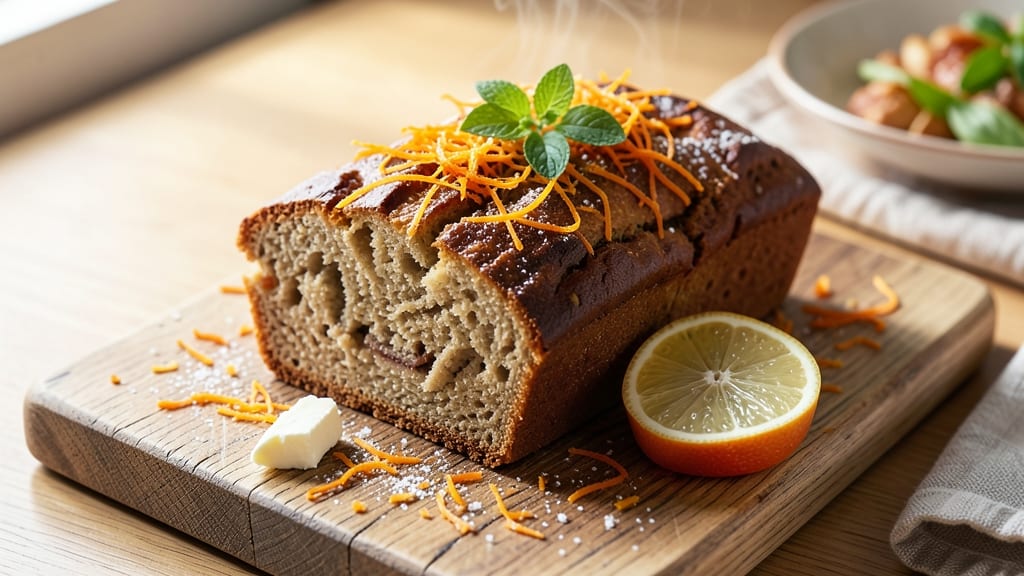
This ambrosia bread recipe transforms a simple loaf into a showstopping dessert with citrus-studded swirls and a buttery crust that crackles with every bite. ✨ The secret lies in its layers—tender cake batter infused with bright citrus zest, swirled with tangy custard or whipped cream, and crowned with a golden, crisp crust that holds together beautifully.
I've perfected this recipe over years of baking, ensuring each slice delivers that perfect balance of sweetness and texture.
What makes this recipe special is its versatility—whether you prefer the classic Southern-style version with lemon or orange zest or a modern twist using vegan custard and almond flour. The dough is straightforward to prepare, and the assembly process is foolproof, making it ideal for both beginners and experienced bakers.
The citrus zest adds a bright, aromatic note that cuts through the richness of the custard or cream, creating a harmonious flavor profile.
By the time it emerges from the oven, you'll have a loaf with a crackly, golden crust and layers of tender cake and creamy custard, all studded with bursts of citrus.
The aroma alone will have everyone gathering around the table, and the first bite will reveal why this bread is a crowd-pleaser—moist, flavorful, and just sweet enough to satisfy any dessert craving. This recipe is perfect for holidays, potlucks, or even a special weekend treat.
For an extra touch, dust the top with powdered sugar or garnish with fresh berries before serving. The possibilities are endless, but the result is always a masterpiece. Let's get baking!
Ingredients for ambrosia bread
Citrus zest, buttery layers, and a golden crust make this ambrosia bread a showstopper.
| Ingredient | Amount | Notes |
|---|---|---|
| All-Purpose Flour 🌾 | 3 cups | Sifted for light texture |
| Granulated Sugar 🍚 | 1 ½ cups | White or light brown |
| Unsalted Butter 🧈 | 1 cup | Cold, cubed for swirls |
| Large Eggs 🥚 | 2 whole | Room temperature |
| Lemon Zest 🍋 | 1 tbsp | Freshly grated for brightness |
| Orange Zest 🍊 | 1 tbsp | Freshly grated for depth |
| Vanilla Extract 🌸 | 1 tbsp | Pure, high-quality |
| Baking Powder 🧂 | 1 ½ tsp | Diamond Crystal preferred |
| Salt 🧂 | ½ tsp | Fine sea salt |
| Heavy Whipping Cream 🥛 | 1 cup | Chilled for swirls |
| Powdered Sugar 🍚 | 1 cup | For dusting |
| Lemon Juice 🍋 | 1 tbsp | Freshly squeezed |
| Vanilla Bean Paste 🌸 | 1 tsp | For richer flavor |
| Almond Extract 🌿 | ¼ tsp | Optional for depth |
The citrus zest is where the magic happens. Organic lemons and oranges from the grocery store’s produce section work perfectly—look for vibrant, bumpy skins. I usually grab mine from Whole Foods or the farmers market if it’s in season. Freshly grated zest has more punch than bottled, and the difference is noticeable. For the butter, Land O’Lakes or Plugrá brands are reliable, but any unsalted will do. Keep it cold when cutting it into cubes for the swirls—this ensures those gorgeous, crackly layers. If you’re using a stand mixer, chill the dough for 30 minutes before shaping to prevent overmixing.
No fresh zest? Bottled citrus zest works in a pinch, but it lacks the same brightness. Swap the heavy cream for whipped coconut cream if you’re avoiding dairy, though the texture will be slightly less stable. For a modern twist, replace half the butter with vegan butter—just make sure it’s high-quality to avoid a greasy crust. The vanilla bean paste can be swapped for regular extract, but the flavor won’t be as complex. If you’re short on time, pre-grated zest from a jar is better than nothing, though it’s not ideal. The baking powder is non-negotiable—Diamond Crystal is my go-to because it’s lighter than other brands.
This bread keeps beautifully for 3 days at room temperature, wrapped tightly in plastic. For longer storage, freeze the assembled loaf (unbaked) for up to 3 months
Why You'll Love This Recipe
- No-Fuss Mix-In: This comes together faster than you can cream butter and sugar—just fold in citrus zest and flour, then bake. Honestly, I’ve made it while scrolling through my phone.
- Sunshine in Every Bite: That lemon zest? It’s the star—bright, tangy, and just sweet enough to make you reach for seconds. The butter keeps it rich without being heavy, like a hug from your favorite bakery.
- Weeknight or Wowed: Slice it for breakfast toast, crumble it over yogurt, or serve it warm with jam. I’ve even used it as a base for French toast—because why not? It’s the one loaf that does it all.
- Leftovers? More Like Never: It stays fresh for days, and if you do have slices left, they’re even better toasted. Between us, I’ve never regretted baking a second batch—it’s that good.
Step-by-step instructions for citrus-studded swirl bread
Here's the method to create that signature citrus swirl pattern and buttery crust.
👨🍳 Step 1: Prepare the Citrus Cream and Dough Base
In a medium bowl, whisk together the 1 cup heavy whipping cream, 1 cup powdered sugar, 1 tbsp lemon juice, 1 tbsp vanilla extract, 1 tsp vanilla bean paste, and 0.25 tsp almond extract until smooth and fully combined. This citrus cream will create those signature swirls and add bright flavor throughout.
In a separate large bowl, sift together the 3 cups all-purpose flour, 1.5 tsp baking powder, and 0.5 tsp salt. Create a well in the center and add the 1.5 cups granulated sugar, 2 whole large eggs, 1 tbsp lemon zest, and 1 tbsp orange zest. Mix with a wooden spoon just until combined—don't overmix or the bread will be dense.
🍳 Step 2: Add Butter and Form the Dough
Cut the 1 cup unsalted butter into small cubes and gently fold them into the dough using your hands. The butter should be cold enough to hold its shape but soft enough to mix in. Press the dough together until it forms a cohesive mass—it will be sticky but shouldn't be wet.
Turn the dough onto a lightly floured surface and knead gently for about 2 minutes until smooth. Divide the dough into two equal portions and flatten each into a 6-inch circle. Spread the citrus cream evenly over one of the circles, leaving a ½-inch border uncovered. Fold the plain dough over the cream-filled dough to create a sealed rectangle.
🥘 Step 3: Swirl and Shape the Loaf
Roll the dough rectangle into a 12-inch log, then gently press down with your fingers to create a slight depression in the center. Using a sharp knife, make 10-12 diagonal cuts from the depression to the edges—these will become your signature swirls. Roll the log up tightly from the cut side, tucking the ends underneath to seal.
Transfer the log to a 9x5-inch loaf pan that's been lightly greased with butter. Press the dough gently into the pan to fill it completely. Cover with a clean kitchen towel and let rise in a warm place for 1-1.5 hours or until the dough has doubled in size and springs back slowly when pressed.
🔥 Step 4: Bake to Golden Perfection
Preheat your oven to 350°F. Remove the loaf pan from the fridge (if you chilled it) and bake for 50-55 minutes until the top is golden brown and a toothpick inserted in the center comes out clean. The bread will pull away slightly from the sides of the pan, which is perfect.
For that signature crackly crust, increase the oven temperature to 375°F during the last 5-7 minutes of baking. This broiling step creates the beautiful caramelization on top. Let the bread cool in the pan for 10 minutes, then transfer to a wire rack to cool completely before slicing.
Pro Tips For Making Ambrosia Bread
- CREAM BUTTER FIRST: Mix the softened unsalted butter and sugar until it’s pale yellow—about 3-4 minutes with a mixer. I used to rush this, but skipping the proper emulsification means your bread will taste flat, not rich. (Yes, even if you’re impatient like me.)
- CHILL THE DOUGH: Let the dough rest uncovered in the fridge for at least 2 hours—overnight is better. This isn’t just about convenience; it lets the gluten relax so your bread doesn’t collapse when baking. I learned this the hard way after a batch turned into a sad, dense pancake.
- ZEST FRESH, NOT DRY: Use fresh lemon zest—none of that powdered stuff. Grate it fine, but don’t let it turn into lemon juice. Too much moisture from zest can make your bread gummy. (And yes, your future self will thank you.)
- BAKE UNTIL 200°F: Pull the bread out when the internal temp hits 200°F—your thermometer is your friend here. I used to rely on color alone and ended up with a dry crust or a gooey center. The temp guarantees it’s done every time.
Troubleshooting this recipe
Dense Dough Fix
If your dough feels too dense or tough after mixing, you likely overworked it. Stop immediately and let it rest for 10-15 minutes at room temperature before proceeding. Overmixing develops gluten too much, which makes the bread dense.
I’ve found that using a wooden spoon instead of an electric mixer helps keep the texture light. Also, ensure your butter is cold but not frozen—it should be soft enough to press between your fingers but still hold its shape. 💡
Swirls Not Showing
The signature swirls won’t appear if your citrus cream isn’t spread evenly or if the dough isn’t rolled tightly. After spreading the cream, press the dough edges firmly to seal the filling.
When rolling, use a 12-inch log length and make sure the cuts reach the edges—this ensures the cream peeks through during baking. If the swirls still don’t show, try using a slightly thinner layer of cream (¼-inch thick) for better visibility. 🌊
Crackly Crust Failure
A dull crust usually means the oven temperature wasn’t high enough during the final stage. Increase your oven to 375°F for the last 5-7 minutes of baking to create caramelization. Brush the top with a little egg wash (1 egg + 1 tbsp water) before baking for extra shine.
If your crust still looks flat, try baking on the middle rack instead of the bottom—this promotes even browning. 🔥
Underbaked Center
An underbaked center happens when the bread isn’t cooked long enough. Insert a toothpick into the center—it should come out clean. If it’s wet or sticky, bake for another 5-10 minutes.
To prevent this, avoid opening the oven door early, as the sudden temperature drop can slow baking. For even cooking, rotate the pan halfway through the bake time. 🌡️
Dough Collapsing
If your dough collapses during rising or baking, it likely didn’t rest long enough or the oven wasn’t hot enough. Let the dough rise until it’s doubled in size and springs back when pressed gently.
Before baking, ensure your oven is fully preheated to 350°F. If using a glass pan, reduce bake time by 5-7 minutes to avoid overcooking the outside before the inside is done. 🏗️
Citrus Flavor Weak
Weak citrus flavor usually means the zest wasn’t fresh or wasn’t mixed in well. Always use freshly grated zest—it’s more potent than bottled. Fold the zest into the dough at the very end of mixing to preserve its oils.
For extra brightness, add 1 tbsp lemon juice to the dough or drizzle it over the baked loaf. If the flavor is still muted, try using double the zest in the next batch. 🍋
Nutrition facts
Frequently asked questions
Can I make this ambrosia bread without citrus zest?
The zest is what gives this recipe its signature bright flavor, but you can substitute with 1 teaspoon bottled citrus zest or ½ teaspoon ground citrus peel powder if needed. For a different flavor profile, try 1 teaspoon cinnamon or ½ teaspoon cardamom instead—just reduce the sugar slightly to balance the spices.
How do I store leftover ambrosia bread?
Wrap the cooled loaf tightly in plastic wrap and store at room temperature for up to 3 days—the crust stays crispy this way. For longer storage, freeze the whole loaf (unwrapped) for up to 3 months. To serve, thaw overnight in the fridge and warm slices in the oven for 5-10 minutes at 300°F to restore freshness.
Can I substitute the heavy cream with something lighter?
Yes! For a lighter version, replace the heavy cream with 1 cup Greek yogurt or 1 cup coconut cream (chilled). The texture will be slightly denser, but the flavor remains rich. If using Greek yogurt, reduce the powdered sugar to ½ cup to avoid excess sweetness. For a vegan option, use 1 cup coconut whipped cream—just chill it longer before whipping.
Why does my ambrosia bread taste bland?
Bland flavor usually means the citrus zest wasn't fresh or wasn't mixed well. Always use freshly grated zest—it’s far more potent than bottled versions. For extra brightness, add 1 tablespoon lemon juice to the dough or drizzle it over slices before serving. If the flavor is still weak, try adding ½ teaspoon vanilla bean paste or a pinch of salt to enhance the other flavors.
Can I make this recipe in a bundt pan instead?
Grease a 10-cup bundt pan well and reduce the bake time to 40-45 minutes. The swirls will still form beautifully, but the shape will be more intricate. For extra flair, dust the top with powdered sugar right after baking while it’s still warm. The bundt version is perfect for gifts or special occasions!