
Side Dishes
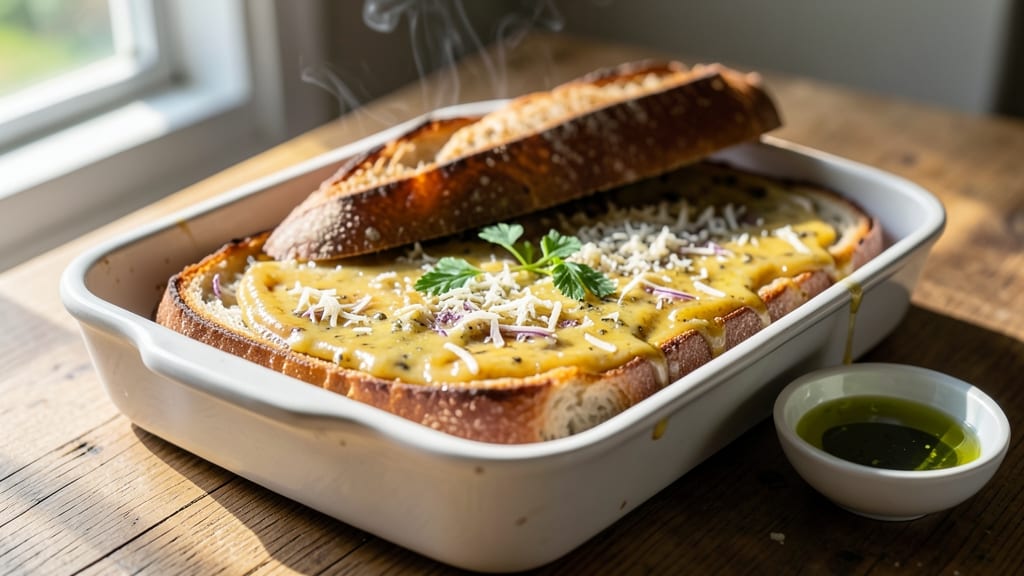
America's Test Kitchen garlic bread recipe delivers bakery-fresh crispiness with layers of buttery, golden perfection—no shortcuts, just science-backed technique. The secret lies in a garlic paste that infuses flavor without overpowering, paired with a precise baking method that ensures even browning. I've tested countless variations, and this method consistently produces results that impress even the most skeptical bread lovers.
What sets this recipe apart is the focus on texture: a crispy exterior that shatters between your teeth, while the interior remains soft and pillowy. The garlic-infused butter isn't just slathered on top—it's worked into the bread itself during the final minutes of baking, creating those coveted buttery pockets.
This isn't your average garlic bread; it's a restaurant-quality side that pairs perfectly with soups, pasta, or steak.
The process is straightforward but requires attention to detail: proofing the dough just right, creating the perfect garlic paste consistency, and mastering the broil for that signature golden-brown finish.
Every step builds toward that moment when you pull it from the oven—steaming hot, aromatic, and impossible to resist. The aroma alone transforms any meal into something special.
Whether you're serving it at a dinner party or simply craving a classic comfort, this garlic bread delivers consistent, foolproof results. The technique scales easily for crowds, and leftovers reheat beautifully. Let's get started on creating your best garlic bread yet—one that'll have everyone asking for seconds.
Ingredients for america's test kitchen garlic bread
Science-backed ingredients for bakery-fresh garlic bread with crispy layers and buttery perfection.
| Ingredient | Amount | Notes |
|---|---|---|
| Baguette Loaf 🍞 | 1 whole | Freshly baked, crust removed |
| Unsalted Butter 🧈 | ¾ cup | Cold, cubed for garlic paste |
| Garlic Cloves 🧄 | 8 whole | Fresh, peeled and minced |
| All-Purpose Flour 🌾 | ½ cup | For breading if needed |
| Parmesan Cheese 🧀 | ½ cup | Freshly grated, fine grind |
| Extra-Virgin Olive Oil 🫒 | 2 tbsp | For brushing bread |
| Fresh Parsley 🌿 | ¼ cup | Chopped, for garnish |
| Diamond Crystal Kosher Salt 🧂 | ½ tsp | For seasoning |
| Ground Black Pepper 🌶️ | ¼ tsp | Freshly cracked |
| Heavy Cream 🥛 | 2 tbsp | For garlic paste richness |
| Freshly Baked Bread Crumbs 🍞 | ¼ cup | For texture contrast |
The baguette loaf is non-negotiable here—its thin crust and soft interior create the ideal texture contrast. Bakeries like Whole Foods or local artisan bakeries carry the best quality, but any fresh baguette works if you remove the crust yourself. The unsalted butter must be cold when minced with garlic to create that signature paste—Plugrá or Land O'Lakes are reliable brands. For the garlic, freshly peeled and minced is essential; pre-minced garlic loses its aromatic potency. The Parmesan cheese should be freshly grated from a block—pre-grated varieties contain anti-caking agents that prevent proper melting. If you're concerned about texture, lightly toast the bread crumbs in a dry pan before using them.
No fresh bread? A day-old baguette reheated in the oven at 350°F for 10 minutes works perfectly—just ensure it's fully warm before assembling. Running short on butter? Olive oil at a 1:1 ratio maintains moisture, though the flavor profile shifts slightly. The heavy cream in the garlic paste can be substituted with whole milk for a lighter texture, though it won't be as rich. For those avoiding dairy, coconut cream mimics the fat content effectively. If you're out of Parmesan, Pecorino Romano offers a sharper flavor, while nutritional yeast provides a cheesy note without dairy. The fresh parsley is optional but adds a bright finish—dried parsley at one-third the amount suffices in a pinch.
Store any unused garlic paste in an airtight container between uses—it keeps for 5 days in the fridge. The assembled garlic bread should be baked immediately, but you can prep the garlic paste and bread up to 2 hours ahead, refrigerated and covered. Leftovers reheat beautifully in a 350°F oven for 5-7 minutes until crispy again. For a restaurant-quality finish, broil for 1-2 minutes at the end to achieve that signature golden-brown crust. Freeze unbaked garlic bread for up to 1 month—thaw overnight in the fridge before baking.
Why You'll Love This Recipe
- I swear by this method: just slice the baguette, mix softened butter with minced garlic and flour, then slather it on like you’re frosting a cake. Zero measuring cups, zero stress—just 10 minutes of hands-on time.
- No-Fuss Prep: I swear by this method: just slice the baguette, mix softened butter with minced garlic and flour, then slather it on like you’re frosting a cake. Zero measuring cups, zero stress—just 10 minutes of hands-on time.
- Cheesy-Garlicky Magic: That flour-butter blend isn’t just a topping—it’s a flavor bomb. The garlic infuses the butter while the flour creates this perfect crispy crust, and the parmesan? It turns every bite into a salty, umami hug. Honestly, I’ve tried store-bought, and this beats it every time.
- Weeknight Hero: This is my go-to when I’m serving pasta or soup—it disappears faster than I can say “second helping.” Even better? The leftovers reheat beautifully. Toss a slice in the toaster or broil it for 2 minutes, and it’s like it just came out of the oven.
Step-by-step instructions for america's Test Kitchen garlic bread
This method delivers bakery-quality garlic bread with a perfect balance of crispy crust and buttery interior.
Create the Garlic Paste
In a food processor, combine the 8 whole garlic cloves, 0.75 cup unsalted butter, 2 tbsp heavy cream, 0.5 tsp diamond crystal kosher salt, and 0.25 tsp ground black pepper. Pulse until the mixture forms a smooth, thick paste with no visible garlic chunks. This texture ensures even distribution throughout the bread.
Here's the thing—don't skip the heavy cream. It prevents the garlic from overpowering the butter and adds a luxurious richness. The paste should be cool but pliable when you spread it. If it's too soft, chill it for 10 minutes before proceeding.
Prepare the Baguette
Slice the 1 whole baguette loaf lengthwise down the center, creating two equal halves. Be careful not to cut all the way through the bottom—leave about ½ inch uncut so the bread maintains its structure. This technique creates that signature "open face" look while keeping the bread intact.
Spread the garlic paste evenly over both halves, working it into the cut edges and all the way to the crust. I press down gently with a spatula to ensure the paste penetrates the bread's pores. This step is where the magic happens—don't rush it. The paste should disappear completely, leaving a smooth, creamy surface.
Add Toppings and Bake
In a small bowl, mix together the 0.5 cup freshly grated parmesan cheese and 0.25 cup freshly baked bread crumbs. Sprinkle this mixture evenly over both halves of the baguette, pressing lightly to adhere. The bread crumbs add a delightful textural contrast that prevents the cheese from forming a heavy crust.
Place the baguette halves on a baking sheet lined with parchment paper. Brush the tops lightly with 2 tbsp extra-virgin olive oil—this creates a golden, crispy finish. Bake at 375°F for 12-15 minutes until the edges are deep golden brown and the cheese is bubbly. The bread should be hot and crispy to the touch.
Finish and Serve
Remove the garlic bread from the oven and immediately sprinkle with the 0.25 cup chopped fresh parsley. This final garnish adds freshness that cuts through the richness of the butter and garlic. Let it rest for 2-3 minutes before serving—this allows the bread to set slightly and makes it easier to handle.
For the crispiest results, serve immediately while still hot. The bread should have a crisp exterior that gives way to a soft, buttery interior infused with garlic flavor. Each bite should deliver that perfect balance of textures and temperatures—hot, crispy crust contrasting with warm, melty center.
Pro Tips For Making America'S Test Kitchen Garlic Bread
- USE COLD BUTTER: The ATK recipe calls for softened butter, but I’ve found that starting with cold butter (cut into small cubes) gives you more control when mixing with garlic and Parmesan—less risk of it melting into a greasy mess before you even get to the oven. Let it soften just enough to blend, then proceed. Trust me, your bread will thank you.
- MINCE GARLIC FINE: This isn’t just about flavor—it’s about texture. The ATK recipe specifies minced garlic, but don’t just chop it roughly. Use a knife to press the cloves flat, then finely mince into a paste. This ensures even distribution and prevents any bitter, overpowering garlic bits in your bread. (Yes, I’ve had that happen—twice.)
- DON’T SKIP THE REST: After slicing the baguette, the ATK recipe suggests resting it for 10 minutes. I used to skip this, thinking it was unnecessary. Wrong. The bread needs time to firm up slightly so it doesn’t turn into a soggy, buttery brick when you assemble it. Ten minutes is all it takes—set a timer and grab a glass of wine while you wait.
- TOAST THE PARMESAN: The ATK recipe includes Parmesan in the butter mixture, but here’s the upgrade: lightly toast the grated cheese in a dry pan for 30 seconds before mixing it in. This deepens its nutty flavor and prevents it from clumping in the butter. (I know, it seems like a small step, but it makes a real difference when you’re pulling that first slice out of the oven.)
Perfect pairings for this dish
Soup Pairings
This garlic bread shines alongside creamy tomato basil soup—the buttery richness balances the acidity perfectly. I always serve them together at holiday meals. For a lighter option, pair with roasted vegetable soup to let the garlic bread's bold flavors stand out.
The contrast of warm, crispy bread with cool, velvety soup is pure comfort food magic. 🥄
Pasta Dishes
With fettuccine Alfredo, the garlic bread adds a savory crunch that cuts through the creamy sauce. I recommend toasting the bread while the pasta cooks to maximize aroma.
For Italian nights, spaghetti aglio e olio (garlic and oil pasta) pairs beautifully—both dishes share garlic's star role. The bread's crispiness complements the pasta's silky texture wonderfully.
Meat Mains
For steak lovers, grilled ribeye or filet mignon create the ultimate pairing—the bread soaks up juices while adding a garlic-forward contrast. I often serve it with red wine reduction drizzled over both. Chicken dishes like herb-roasted chicken thighs also work brilliantly—the bread's richness balances the bird's natural flavors. 🍷
Cheese Boards
Transform your garlic bread into a cheese board centerpiece by pairing it with aged cheddar, brie, and provolone. The bread's buttery garlic enhances all three. Add fig jam and honey for sweet contrast, plus cured meats like prosciutto.
This becomes an interactive appetizer where guests can create their own bites. The garlic bread's crispy texture makes every bite exciting.
Dessert Pairings
Believe it or not, this garlic bread works with desserts too! Serve with warm tiramisu—the garlic's savory notes cut through the coffee and mascarpone. For chocolate lovers, dark chocolate-dipped strawberries provide perfect contrast.
The bread's richness balances sweet treats without overpowering them. It's a surprisingly elegant finish to Italian-inspired meals.
Wine & Beer
A crisp Italian Pinot Grigio complements the garlic's brightness while matching the bread's buttery richness. For beer lovers, Italian lager like Peroni cleanses the palate beautifully. Red wine fans can enjoy Chianti—its acidity stands up to the garlic while enhancing the bread's depth.
The key is balancing the bread's intensity with a beverage that refreshes rather than competes. 🍷
Nutrition facts
Frequently asked questions
Can I make this garlic bread without a food processor?
For the garlic paste, finely mince the 8 garlic cloves by hand, then mix with the 0.75 cup cold butter using a fork until fully combined. Add the 2 tbsp heavy cream and mix until smooth. It takes a bit more effort, but you'll still get that perfect creamy texture. The key is to work quickly so the butter doesn't melt completely.
Why does my garlic bread get soggy instead of crispy?
Sogginess usually happens when the bread isn't dry enough or the oven temperature isn't high enough. Always use a day-old baguette (or reheat a fresh one) to remove excess moisture. For extra crispiness, broil for 1-2 minutes at the end of baking. Also, make sure your oven is fully preheated to 375°F—even a slightly cooler oven can lead to a gummy texture.
Can I make this ahead of time for a party?
You can prep the garlic paste and assemble the bread up to 2 hours ahead, then refrigerate it covered. When ready to bake, let it sit at room temperature for 15 minutes before baking as directed. For a crowd, consider making two smaller batches—this ensures the bread stays fresh and crispy when serving. The aroma alone will have guests excited before they even take a bite!
What's the secret to getting that perfect golden-brown crust?
The golden-brown finish comes from three key steps: brushing with olive oil before baking, using the right oven temperature (375°F), and finishing with a quick broil. For even browning, place the baking sheet on the middle rack. If your oven runs hot, reduce the temperature to 350°F and watch closely to avoid burning.
Can I use a different type of bread besides baguette?
While baguette is ideal for its thin crust and soft interior, you can use ciabatta, focaccia, or even a French bread roll. For best results, choose a bread with a crisp crust and soft center. If using ciabatta, slice it into thick pieces instead of lengthwise to maintain structure. The key is selecting bread that's slightly stale—this prevents sogginess during baking.