
Side Dishes
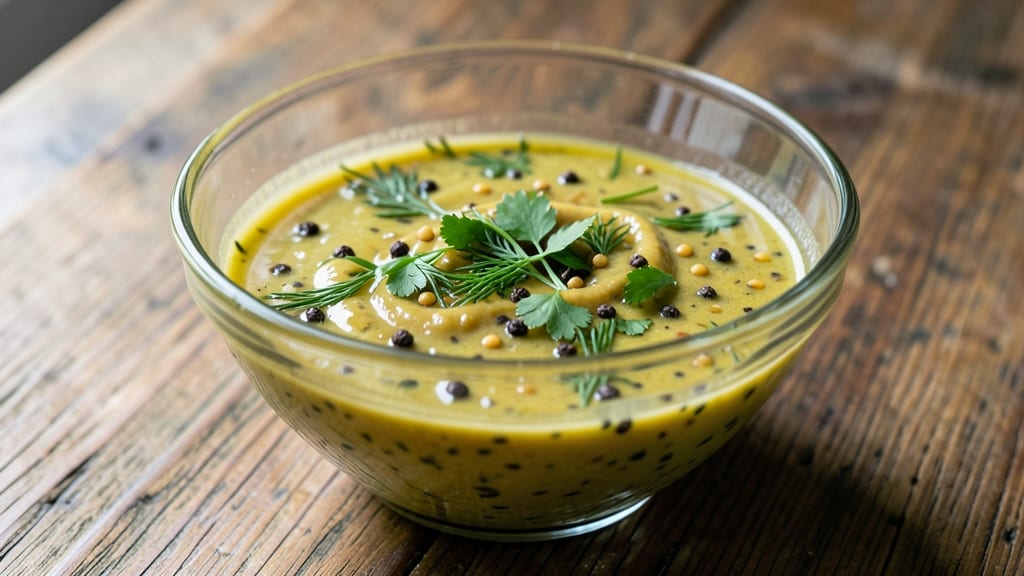
This Amish bread dressing recipe transforms simple ingredients into a warm, aromatic companion for sandwiches, salads, or fresh bread. 💛 The secret lies in slow-infused spices and herbs that develop deep, comforting flavors over time—just like the Amish tradition of patience in cooking.
What sets this dressing apart is its balance of tangy vinegar, rich oil, and earthy spices that create harmony in every bite.
The recipe relies on traditional techniques: whisking together oil, vinegar, and herbs until fully emulsified, then letting the flavors meld for at least 30 minutes (or overnight for even deeper taste).
No fancy equipment is needed—just a bowl, whisk, and a little time. The result is a dressing that’s creamy, aromatic, and perfect for elevating homemade bread, roasted vegetables, or hearty sandwiches.
What makes this dressing truly special is its versatility. Use it to drizzle over fresh salads, mix into coleslaw, or spread generously on warm Amish-style bread. The warm spices—like mustard seed and black pepper—add a subtle kick, while the herbs bring freshness that brightens any dish.
It’s the kind of dressing that turns simple meals into something memorable.
Store it in the refrigerator for up to two weeks, or make a double batch to have on hand for quick meals. The flavors only improve with time, making it a staple in any kitchen. Let’s get started on creating this homestyle favorite!
Ingredients for amish bread dressing
Simple ingredients that blend into a dressing rich with Amish homestyle warmth and tradition.
| Ingredient | Amount | Notes |
|---|---|---|
| Extra-Virgin Olive Oil 🫒 | 1 cup | High-quality, fruity variety preferred |
| Apple Cider Vinegar 🍎 | ⅓ cup | Raw, unfiltered for depth of flavor |
| Dijon Mustard 🌶️ | 1 tbsp | Mild or medium intensity works best |
| Raw Honey 🍯 | 2 tbsp | Local honey adds subtle floral notes |
| Fresh Parsley 🌿 | ¼ cup | Finely chopped, stems removed |
| Fresh Dill 🌿 | ¼ cup | Finely chopped, stems removed |
| Yellow Mustard Seeds 🌶️ | 1 tsp | Toasted lightly for enhanced flavor |
| Ground Black Peppercorns 🌶️ | ½ tsp | Freshly ground for optimal aroma |
| Diamond Crystal Kosher Salt 🧂 | ½ tsp | Fine grain preferred for balance |
| Ground Cinnamon 🍃 | ¼ tsp | Warm, aromatic variety |
The olive oil and vinegar form the dressing's base, so quality matters here. California avocado oil or Italian extra-virgin olive oil from Trader Joe's or Whole Foods add depth, while raw apple cider vinegar from local orchards brings authentic tang. For the mustard seeds, toast them in a dry skillet for 30 seconds until fragrant—this step unlocks their full potential. Fresh herbs should be vibrant green, not wilted, and store-bought bunches from farmers markets often surpass grocery store quality. The honey? Local varieties from roadside stands add subtle floral complexity that store-bought can't match.
No Dijon mustard? Whisk together 1 tbsp regular yellow mustard with 1 tsp lemon juice for a close substitute. Short on fresh dill? Dried dill at one-third the amount works in a pinch, though it lacks freshness. Running low on honey? Maple syrup or agave nectar provide similar sweetness, though they alter the flavor profile slightly. The cinnamon is optional but recommended—it's what gives this dressing its signature Amish warmth. For a tangier dressing, increase the vinegar by 1 tbsp; for more richness, add 1 extra tbsp of olive oil. Whisk everything together thoroughly to ensure proper emulsification.
This dressing keeps beautifully in the fridge for up to 2 weeks, with flavors deepening over time. Store it in a glass jar with a tight seal to preserve freshness. For best results, let it sit at room temperature for 30 minutes before using—this allows the spices and herbs to fully infuse. Double batches are ideal for meal prep; simply divide into small glass containers for easy grab-and-go use. The dressing also freezes well for up to 6 months, though texture may separate slightly upon thawing—just whisk again before using.
Why You'll Love This Recipe
- No-Fuss Mixing: I swear by this recipe because it’s just a bowl and a whisk—no fancy techniques. Toss in the olive oil, vinegar, mustard, and honey, then fold in the parsley. That’s it. Honestly, I’ve made it while chatting on the phone, and it still turns out bright and tangy.
- Sweet-Tangy Magic: The honey and apple cider vinegar? Chef’s kiss. That sharp, fruity bite cuts through the richness of the olive oil, while the Dijon mustard adds just enough depth. It’s the kind of dressing that makes you pour it on everything—even toast in the morning.
- Weeknight Sidekick: This dressing is my go-to for salads, roasted veggies, or even drizzled over grilled chicken. Between us, I’ve used it as a marinade (yes, it works) and as a dip for crusty bread. It’s the one pantry staple that never lets me down.
- Leftovers That Won’t Let You Down: Make a big batch—it keeps for weeks in the fridge. I’ve had it last through three lunches and still taste fresh. Plus, the ingredients are cheap and easy to find, so you’re not breaking the bank for flavor that sticks around.
Step-by-step instructions for homestyle Amish bread dressing
This dressing combines rustic flavors with simple techniques for a perfect balance of tangy, sweet, and herbal notes.
👨🍳 Step 1: Toast the Mustard Seeds for Depth
Heat a dry skillet over medium-low heat. Add the 1 teaspoon yellow mustard seeds and toast for 2-3 minutes until they begin to pop and turn a golden color. This step unlocks their nutty aroma—don't walk away, as they burn quickly once they start popping.
Transfer the toasted seeds to a small bowl and let them cool for 1 minute. The warmth will release their oils, intensifying the dressing's complexity. Keep them nearby as you'll add them back into the mixture shortly.
🍳 Step 2: Whisk Together the Base Ingredients
In a medium bowl, combine the 1 cup extra-virgin olive oil, ⅓ cup apple cider vinegar, 1 tablespoon Dijon mustard, and 2 tablespoons raw honey. Use a whisk to blend vigorously for 30 seconds until the honey dissolves completely and the mixture becomes emulsified.
This foundational blend creates the dressing's backbone. The acidity from the vinegar will mellow as it sits, while the honey adds subtle sweetness that balances the tang. The Dijon mustard provides depth without overpowering the delicate herbs we'll add next.
👨🍳 Step 3: Incorporate the Fresh Herbs
Add the ¼ cup finely chopped fresh parsley and ¼ cup finely chopped fresh dill to the bowl. Fold them gently with a silicone spatula, being careful not to overmix. The herbs should be evenly distributed throughout the dressing, but you'll still see visible flecks—this texture is intentional and adds visual appeal.
Here's the thing—fresh herbs release their oils when combined with fat, so don't skip this step. The parsley brings brightness while the dill adds a subtle anise-like warmth. If your herbs are particularly wet, pat them dry with a paper towel first to prevent the dressing from separating.
🥘 Step 4: Season and Emulsify
Return the toasted mustard seeds to the bowl and add the ½ teaspoon ground black peppercorns, ½ teaspoon Diamond Crystal kosher salt, and ¼ teaspoon ground cinnamon. Whisk everything together until the spices are fully incorporated and the dressing reaches a smooth, homogeneous consistency.
The cinnamon might seem unusual, but it adds a warm, earthy note that complements the dressing's rustic character. Taste as you go—you may need to adjust the salt slightly depending on your vinegar's acidity. The dressing should taste vibrantly tangy with underlying sweetness and herbal complexity.
⏰ Step 5: Rest and Adjust
Let the dressing sit at room temperature for 10-15 minutes before serving. This resting period allows the flavors to meld and any slight separation to re-emulsify naturally. The texture will become more cohesive, and the spices will develop their full aroma.
If the dressing appears too thick after resting, whisk in 1-2 teaspoons of warm water to reach your desired consistency. For extra richness, you can also add an additional 1 tablespoon of olive oil. This dressing works beautifully as a salad dressing, sandwich spread, or drizzle over roasted vegetables—its versatility makes it a kitchen staple.
Pro Tips For Making Amish Bread Dressing
- Whisk Like You Mean It: This isn’t a smoothie—aggressive whisking for 30 seconds after adding Dijon mustard and honey breaks the honey’s clumps and emulsifies the oil and vinegar instantly. I used to half-ass it, and the dressing always separated later. Don’t be lazy; your fork will thank you.
- Chill Before Serving: Pour the dressing into a jar and refrigerate for at least 30 minutes before serving. The flavors meld better, and the parsley’s freshness settles in. I learned this the hard way—serving it warm made the vinegar taste harsh. Patience here makes all the difference.
- Use Cold Honey: Scoop the raw honey straight from the fridge—it’s thicker and mixes better with the mustard and oil. Room-temperature honey can turn the dressing grainy. Trust me, this tiny step keeps your dressing silky smooth without extra whisking.
- Skip the Vinegar Shortcut: Don’t swap apple cider vinegar for white vinegar or balsamic—this dressing relies on the tangy depth of apple cider. I tried cutting corners once, and the flavor was flat. If you’re out, dilute a splash of lemon juice, but it won’t be the same.
Common mistakes when making this recipe
Over-Whisking the Herbs
I’ve seen this happen more than once—someone gets excited and starts whisking the herbs into oblivion. The result? A dressing that looks like mud and loses all its texture and visual appeal.
Herbs should be folded in gently with a spatula until evenly distributed, not pulverized. The flecks of parsley and dill add freshness and beauty to your dish. 🌿
Skipping the Resting Time
Rushing to serve this dressing right after mixing is a big mistake. The flavors need time to meld—at least 10-15 minutes at room temperature. If you skip this step, the spices and herbs won’t develop their full aroma, and the dressing might separate.
Trust me, patience pays off here. The longer it sits, the better it tastes.
Using Low-Quality Ingredients
This dressing relies on high-quality ingredients to shine. Using cheap olive oil or store-bought vinegar that’s been pasteurized will make the final product taste flat. Invest in extra-virgin olive oil and raw apple cider vinegar—the difference is night and day.
The same goes for fresh herbs; wilted or old herbs will turn your dressing bitter. 🫒
Ignoring the Mustard Seed Toasting
Toasted mustard seeds add a nutty depth that raw seeds can’t match. Skipping this step means missing out on that extra layer of flavor. Heat the seeds in a dry skillet for just 2-3 minutes until they pop—don’t walk away!
Over-toasting will burn them and make the dressing taste bitter. Keep them nearby and add them back in once cooled.
Not Adjusting Seasoning
Every batch of this dressing is different because ingredients vary. Taste as you go and adjust the salt or honey as needed. Some vinegars are more acidic, while others are milder. The dressing should balance tangy, sweet, and herbal notes.
If it’s too sharp, add a touch more honey; if it’s too bland, a pinch of salt or extra pepper will fix it.
Storing Improperly
Storing this dressing in plastic containers or leaving it uncovered in the fridge will cause it to separate or absorb odors. Always use an airtight glass jar and press the herbs down to keep them submerged.
If it separates after refrigeration, just whisk it again before using. It’s normal for dressings to separate when cold—they’ll come back together when stirred. ❄️
Nutrition facts
Frequently asked questions
Can I make this dressing without fresh herbs?
For a ¼ cup of fresh dill, use 1 teaspoon dried dill, and for parsley, use 1 tablespoon dried parsley. The flavor will be slightly less vibrant, but the dressing will still have great depth. If you're using dried herbs, add them after whisking the base ingredients to prevent clumping.
How can I use this dressing beyond salads?
This versatile dressing works beautifully as a sandwich spread, drizzled over roasted vegetables, or mixed into coleslaw. Try it as a dip for warm bread or even a marinade for grilled chicken. The warm spices make it perfect for fall and winter meals, while the fresh herbs keep it bright for summer dishes.
Why does my dressing separate after refrigeration?
This is completely normal! Oil and vinegar-based dressings often separate when cold, but they'll re-emulsify when whisked again. Give it a good stir before using, or let it sit at room temperature for 10 minutes to restore its creamy texture. For future batches, try adding ½ teaspoon of Dijon mustard or 1 teaspoon of honey to help stabilize the emulsion.
Can I substitute apple cider vinegar with another vinegar?
Yes, but the flavor will change. White vinegar works in a pinch, though it's more harsh. For a milder alternative, try rice vinegar or balsamic vinegar (reduce to ⅛ cup for balsamic to avoid overpowering sweetness). If using balsamic, let it sit for 30 minutes before adding other ingredients to allow its rich notes to develop.
How do I make this dressing spicier?
Add ¼ teaspoon of cayenne pepper or ½ teaspoon of smoked paprika for heat. For a more complex spice blend, try adding ¼ teaspoon of ground coriander and ⅛ teaspoon of red pepper flakes. Always taste as you go—you can adjust the heat level to your preference. The cinnamon already adds warmth, so these additions will complement rather than overpower the dressing's natural flavors.