
Side Dishes
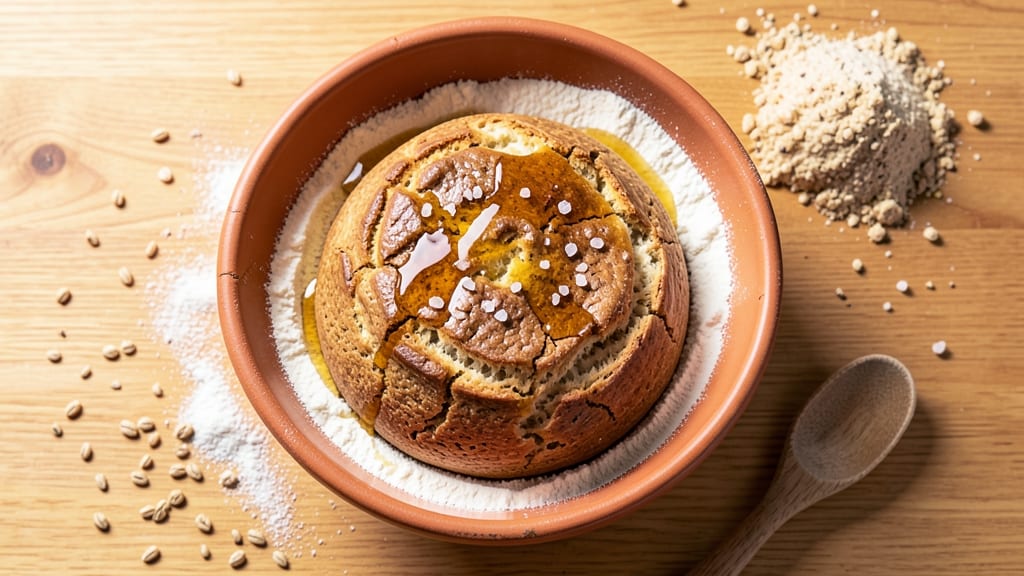
Creating an authentic Amish friendship bread sourdough starter recipe begins with a vibrant sourdough starter—the heart of this beloved tradition. This recipe captures the essence of community and craftsmanship, where each loaf carries the care of shared hands and time-honored techniques.
The starter, nurtured over days, develops a tangy depth that transforms simple flour and water into something extraordinary.
The process unfolds in stages: feeding your starter daily, shaping the dough with patience, and scoring those iconic cross-tops before baking. Traditional kneading and proofing create a crusty exterior with a tender crumb inside—perfect for slicing and sharing.
Every step honors the Amish practice of giving bread as a gesture of friendship and hospitality.
What makes this recipe special is the balance between simplicity and precision. With just a few ingredients—flour, water, yeast, and salt—you’ll achieve a loaf that tastes like a homemade masterpiece.
The sourdough starter’s fermentation not only enhances flavor but also makes this bread easier to digest, a practical touch rooted in Amish values.
Once baked, the aroma of freshly risen bread fills the kitchen, signaling a meal ready to be shared. Whether you’re baking for a gathering or treating yourself to a taste of tradition, this recipe delivers a loaf that’s as meaningful as it is delicious.
Let’s get started on a piece of history, one knead at a time.
Ingredients for amish friendship bread sourdough starter
Nine essential ingredients transform simple flour and water into a vibrant sourdough starter foundation for authentic Amish friendship bread.
| Ingredient | Amount | Notes |
|---|---|---|
| Unbleached All-Purpose Flour 🌾 | 2 cups | Organic preferred for optimal fermentation |
| Filtered Water 💧 | 1 ½ cups | Room temperature, 70-75°F |
| Active Dry Yeast 🍞 | ¼ tsp | Freshness tested in warm water |
| Diamond Crystal Kosher Salt 🧂 | ½ tsp | Fine grain for even distribution |
| Raw Honey 🍯 | 1 tbsp | Local variety for subtle flavor notes |
| Whole Wheat Flour 🌾 | ½ cup | Enhances fermentation complexity |
| Rye Flour 🌾 | ¼ cup | Traditional Amish sourdough touch |
| Apple Cider Vinegar 🍎 | 1 tsp | Boosts fermentation activity |
| Unsalted Butter 🧈 | 1 tbsp | Cultured butter preferred for flavor |
| Milk Kefir Grains 🥛 | 1 tbsp | Optional for enhanced probiotics |
| Brown Sugar 🍬 | 1 tbsp | Feeds starter during initial phase |
The flour selection is critical for authentic Amish sourdough. King Arthur or Bob's Red Mill unbleached all-purpose flour provides consistent fermentation results, while the whole wheat and rye flours contribute depth and complexity. For the yeast, Saf-Instant ensures reliable activation without proofing time. The honey and brown sugar serve dual purposes: they feed the starter during early stages while adding subtle sweetness that enhances the bread's digestibility—a hallmark of Amish baking tradition. Store your flours in airtight containers away from heat sources to preserve their vitality for up to 6 months.
Substitutions should maintain the starter's microbial balance. If you lack rye flour, whole grain spelt flour works equally well, though it may alter fermentation timing slightly. For those avoiding honey, maple syrup at a 1:1 ratio preserves the starter's activity. The apple cider vinegar can be replaced with white vinegar at half the quantity, though it may impart a slightly sharper tang. When using milk kefir grains, ensure they're active by checking for bubbly fermentation in a small water sample. For the butter, vegetable ghee provides a neutral fat alternative without compromising texture.
Proper starter maintenance extends its usability for months. After initial feeding, store your starter in a glass jar with a loose lid in the refrigerator where it'll remain viable for 2-3 weeks without daily feedings. For long-term storage, freeze portions in ice cube trays with a bit of flour to maintain texture. When ready to bake, revive your starter by feeding it twice daily for 12-24 hours before incorporating into your bread dough. The butter and honey additions should be made during the final feeding to ensure proper incorporation into the dough structure.
Why You'll Love This Recipe
- I’ll be real: this takes less effort than my failed attempts with store-bought starters. Just mix flour, water, and a pinch of yeast—no fancy tools, no waiting weeks. That honey? It keeps things sweetly simple while the salt balances everything just right.
- No-Fuss Starter: I’ll be real: this takes less effort than my failed attempts with store-bought starters. Just mix flour, water, and a pinch of yeast—no fancy tools, no waiting weeks. That honey? It keeps things sweetly simple while the salt balances everything just right.
- Golden Crust Magic: Between us, the moment that crust turns golden and crispy? Worth every second. The yeast and honey work together to create this caramelized edge that’s impossible to resist—like a hug for your taste buds. (Yes, even on a Tuesday night.)
- Weeknight Wonder: This starter is my go-to when I need bread fast. Feed it once, and it’s ready for sandwiches, toast, or dinner rolls in days. Honestly, I’ve used it to fix everything from burnt toast to impromptu picnic baskets—it’s that reliable.
Step-by-step instructions for Amish friendship bread sourdough starter
This traditional method builds a robust starter with depth of flavor and reliable fermentation.
Mix Initial Starter Components
In a large mixing bowl, combine the 2 cups unbleached all-purpose flour, 0.5 cup whole wheat flour, and 0.25 cup rye flour. Whisk these dry ingredients together until fully integrated—the rye flour will add subtle earthiness while the whole wheat enhances fermentation complexity. In a separate measuring cup, mix the 1.5 cups filtered water at room temperature with the 1 tbsp raw honey and 1 tbsp brown sugar until the sugars dissolve completely. This sweetened water will feed the yeast and promote vigorous fermentation.
Create a well in the center of the dry flour mixture and pour in the sweetened water. Using a wooden spoon or silicone spatula, gradually incorporate the wet ingredients into the dry until a shaggy, uneven dough forms. The texture should resemble wet sand—sticky but not liquid. This initial mixture establishes the foundational structure for your starter.
Incorporate Fermentation Boosters
Add the 0.25 tsp active dry yeast to the bowl and stir gently to distribute. Next, incorporate the 1 tbsp milk kefir grains (if using) and 1 tsp apple cider vinegar—these components introduce beneficial bacteria and lactic acid that will enhance flavor development. Finally, work in the 1 tbsp unsalted butter, cutting it into small pieces first to prevent clumping. The butter adds richness while the vinegar creates an acidic environment that mimics traditional Amish fermentation practices.
Cover the bowl loosely with a clean kitchen towel or plastic wrap and let it rest at room temperature (70-75°F) for 2 hours. You'll notice bubbles forming on the surface and along the sides of the bowl—this indicates active fermentation. If no bubbles appear within the first hour, place the bowl in a slightly warmer environment (like near the oven with the light on) to encourage yeast activity.
Develop the Starter Through Feedings
After the initial 2-hour rest, your starter should have visibly increased in volume by about 50% and exhibit numerous bubbles throughout. Discard half of the starter (about 1 cup) to maintain manageable proportions. In a clean bowl, combine the remaining starter with 1 cup unbleached all-purpose flour and 0.5 cup filtered water at room temperature. Mix thoroughly until smooth, then cover and let ferment for another 4-6 hours at room temperature.
During this second fermentation, the starter should nearly double in size again and develop a tangy aroma. The 0.5 tsp diamond crystal kosher salt should be added during the third feeding (after the second fermentation completes) to regulate yeast activity and enhance flavor. This feeding schedule—discarding half, doubling the remaining, and adding fresh flour and water—creates the classic Amish friendship bread cycle that builds a robust, flavorful starter over time.
Maintain and Test Readiness
Once your starter reliably doubles in size within 4-6 hours after feedings and passes the float test (a small spoonful dropped in water should float), it's ready for baking. For maintenance, feed your starter every 12 hours by discarding half and replacing with equal parts flour and water. Store unused portions in the refrigerator where it will remain viable for up to 1 week—simply remove and feed before use.
The starter should exhibit a light, airy texture with a slightly domed surface when active. Its aroma will be pleasantly tangy with hints of caramelized sweetness from the honey and brown sugar. This well-developed starter will yield bread with an open crumb structure, crisp crust, and complex flavor profile characteristic of traditional Amish friendship bread.
Pro Tips For Making Amish Friendship Bread Sourdough Starter
- WEIGH YOUR FLOUR: The difference between 1 cup scooped-and-leveled and 1 cup packed is enough to sink your starter. Use a kitchen scale for the flour—this recipe is fussy about ratios, and even a 5-gram misstep can make your starter sluggish or gassy. (Yes, I’ve ruined batches by eyeballing it.)
- STORE HONEY CORRECTLY: Raw honey thickens over time, and lumpy honey won’t dissolve properly in your starter. Keep your jar in the fridge, and before measuring, microwave it for 10 seconds—just enough to loosen it. Cold, stiff honey means uneven hydration, and that throws off fermentation.
- DON’T SKIP THE WARM WATER: Your active dry yeast needs water between 105°F and 110°F—lukewarm, not scalding. Fill a jar halfway with water, microwave it for 30 seconds, then let it sit for a minute. Stick your finger in: if it feels like a baby bath, it’s ready. Cold water kills yeast; hot water cooks it.
- FEED AT THE SAME TIME: Amish friendship bread relies on consistent feeding schedules. Set a timer for the same time every day—morning or night, but always the same. Miss a feed, and your starter will either get lazy or go rogue. (I learned this after a weekend trip where my starter turned into a science experiment.)
Perfect pairings for this amish friendship bread sourdough starter
Classic Pairings
Serve your freshly baked Amish friendship bread with homemade apple butter—the sweet-tart balance complements the bread's crusty exterior and tender crumb beautifully. I like using Braeburn apples from local orchards, simmered with cinnamon sticks and maple syrup for that traditional Amish touch. 🍎
A simple sharp cheddar cheese platter with honeycomb drizzle creates an elegant pairing that highlights the bread's rustic charm. The Cabot Clothbound Cheddar melts slightly when warmed, while the honey adds a natural sweetness that contrasts the sourdough's tang.
For a vegetarian option, add sliced pear and walnuts for crunch and freshness.
Sweet Spreads
Blackberry jam made from summer berries adds a burst of fruitiness that cuts through the bread's richness. I recommend Ball Canning recipes for safe storage—simmer 2 cups blackberries with 1 cup sugar and 1 tbsp lemon juice until thickened. Spread generously on warm slices for the ultimate breakfast treat. 🍇
For a decadent touch, try brown butter and sea salt—melt 2 tbsp unsalted butter in a pan until nutty and golden, then drizzle over toasted bread sprinkled with flaky Maldon salt. The caramelized butter pairs perfectly with the bread's crusty texture and fermented depth.
Savory Companions
Pair your bread with smoked gouda and cured ham for a hearty lunch spread. The smoky depth of the cheese contrasts wonderfully with the bread's crust, while the ham adds a salty, savory element. I like using Hormel Black Forest Ham for its balanced flavor and tender texture. 🧀
For a lighter option, serve with olive tapenade made from Kalamata olives, garlic, and capers. The briny, herby flavors create a sophisticated contrast to the bread's sweet and tangy profile. Garnish with fresh rosemary for an aromatic finish that elevates the entire spread.
Beverage Pairings
A chilled glass of milk—preferably organic whole milk—is the classic Amish choice. The creamy richness enhances the bread's buttery notes while balancing its tang. For a non-dairy option, almond milk with a splash of vanilla extract works beautifully. 🥛
For coffee lovers, a strong brew of dark roast—like Peet's Major Dickason's Blend—complements the bread's crusty texture and fermented depth. The bold, slightly bitter notes cleanse the palate between bites, making each slice taste even more delicious. Add a touch of heavy cream for a luxurious finish.
Nutrition facts
Frequently asked questions
How long does it take to create a proper Amish friendship bread sourdough starter?
With consistent daily feedings, your starter should be ready for baking in 5-7 days. The first 2-3 days focus on establishing fermentation, while the final days refine flavor and predictability. Patience is key—rushing can lead to weak fermentation and bland bread.
Can I use this starter for other sourdough recipes?
Once active, this starter works beautifully for artisan loaves, crackers, or even waffles. The whole wheat and rye flours give it extra complexity that enhances other baked goods. Just adjust hydration levels based on your recipe's needs.
What's the best way to store my starter between uses?
Keep unused portions in the refrigerator where they'll stay viable for 1-2 weeks. Before baking, remove it and feed it twice daily for 12-24 hours to revive activity. For long-term storage, freeze portions in ice cube trays with a bit of flour to maintain texture.
Why did my starter develop a strange smell?
A strong vinegary or fruity aroma is normal during active fermentation. However, if it smells putrid or rotten, your starter may have gone bad—discard it and restart. Poor storage (tight lids, warm environments) or overfeeding can cause spoilage. Always use clean utensils to prevent contamination.
How do I know when my starter is ready for baking?
Your starter is ready when it reliably doubles in 4-6 hours after feeding and passes the float test (a spoonful dropped in water should float). It should also have a light, airy texture with a slightly tangy aroma. This indicates strong fermentation and proper acidity for flavor development.