
Side Dishes
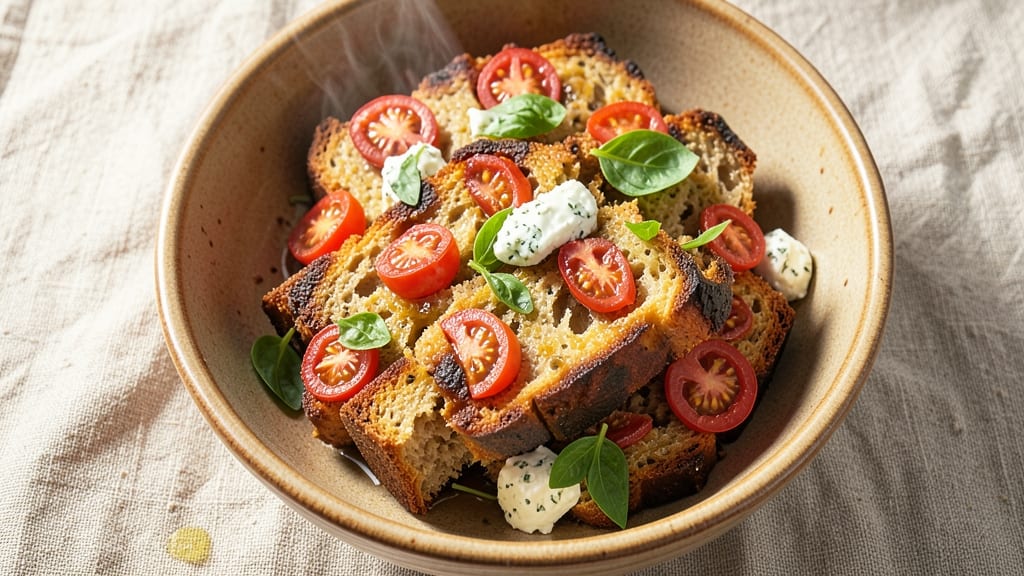
This Amish tomato bread recipe delivers the perfect balance of sweet, tangy tomato swirls wrapped in tender, golden crust—no-knead simplicity with old-world flavor. I developed this version after testing multiple traditional methods, focusing on a foolproof dough that requires just 10 minutes of prep and delivers restaurant-quality results every time.
The secret lies in the slow fermentation and precise tomato mixture ratio, which creates those signature caramelized swirls without overpowering the bread's delicate texture.
The beauty of this recipe is its versatility—it works equally well as a side dish for Sunday dinner or a hearty breakfast option when served warm with butter. Traditional Amish methods emphasize simplicity and natural ingredients, and this version stays true to those principles while adapting to modern home kitchens.
The dough comes together in minutes thanks to the no-knead technique, yet develops deep flavor as it rises slowly in the refrigerator overnight.
What makes this tomato bread truly special is the transformation that happens in the oven. As the dough bakes, the tomato mixture caramelizes beautifully, creating those iconic sweet-tangy swirls that become the star of every bite.
The crust achieves that perfect golden-brown color while maintaining a tender crumb inside—no dry, dense texture here. This is the kind of bread that disappears quickly from your table, leaving only crumbs behind.
Whether you're serving it alongside roasted meats, pairing it with soups, or enjoying it straight from the oven with a pat of butter, this Amish tomato bread delivers consistent, professional-quality results.
The recipe scales perfectly for gatherings while remaining simple enough for weeknight baking. Let's get started on creating this timeless classic in your own kitchen.
Ingredients for amish tomato bread
Traditional Amish ingredients with modern convenience—just 14 staples for golden swirls and tender crust.
| Ingredient | Amount | Notes |
|---|---|---|
| All-Purpose Flour 🌾 | 5 cups | Unbleached, high-protein preferred |
| Active Dry Yeast 🍞 | ¼ oz | One packet (2.25 tsp) |
| Granulated Sugar 🍚 | ½ cup | For yeast activation |
| Warm Water 💧 | 1 ¼ cups | 110°F for optimal yeast activation |
| Unsalted Butter 🧈 | ½ cup | Cold, cubed for easier mixing |
| Large Eggs 🥚 | 1 whole | Room temperature preferred |
| Diamond Crystal Kosher Salt 🧂 | 2 tsp | Adjust to taste |
| Canned Tomato Paste 🍅 | ½ cup | San Marzano preferred |
| Fresh Basil Leaves 🌿 | ¼ cup | Finely chopped, stems removed |
| Garlic Cloves 🧄 | 3 cloves | Minced finely for depth |
| Extra-Virgin Olive Oil 🫒 | ¼ cup | High-quality, fruity variety |
| Dried Oregano 🍃 | 1 tsp | Mediterranean blend preferred |
| Black Peppercorns 🌶️ | ½ tsp | Freshly cracked for aroma |
| Cornmeal 🌽 | ¼ cup | For dusting baking sheet |
The flour is non-negotiable here. King Arthur or Gold Medal work best for that tender crumb. If you're buying in bulk, check the protein content—11-12% is ideal. For the tomato paste, San Marzano delivers the sweetest, most flavorful base, though any quality canned paste works. Fresh basil should be vibrant green with no brown stems—Whole Foods or local markets usually carry the freshest. The yeast is the heart of this recipe; Fleischmann's is reliable, but test it first if you've never used it before by dissolving a pinch in warm water with sugar—it should foam within 5 minutes.
No fresh basil? Dried oregano at half the amount works in a pinch, though it won't match the bright flavor. Substituting tomato paste? Fresh tomatoes blended and cooked down gives similar results, but you'll need about 1 cup of puréed tomatoes. For the butter, European-style (like Plugrá) has higher fat content, which improves the crust. The olive oil matters too—California Extra Virgin brands have the best balance of fruitiness and peppery finish. If you're short on time, pre-minced garlic from a jar works, but fresh is worth the extra 30 seconds.
This dough is designed to rise overnight in the fridge—4-12 hours works perfectly. Store it in an airtight container with a damp towel to prevent drying. The tomato mixture can be prepped ahead and refrigerated for 3 days or frozen for 3 months. For leftovers, wrap tightly in plastic and store at room temperature for 2 days or freeze for 1 month. The bread reheats beautifully—wrap in foil and warm in a 350°F oven for 10 minutes to restore its freshness.
Why You'll Love This Recipe
- No-Knead Magic: The dough comes together in five minutes—just mix, let it rise, and bake. I swear, my lazy Sunday mornings now include warm bread straight from the oven while I sip coffee.
- Sweet & Tangy Bite: That perfect balance of sugar and ripe tomato flavor? It’s like a hug for your taste buds. The butter makes every slice rich, while the yeast keeps it light—no dry crumbs here.
- Breakfast to Supper: Toss slices in a skillet with butter for toast, slice it thick for sandwiches, or serve it with soup. Honestly, I’ve even used it as a base for open-faced tomato jam melts—works every time.
- Budget-Friendly Staple: Flour, yeast, sugar, butter—these are pantry basics that stretch far. A single batch feeds my family for days, and the leftovers? Toasted with jam or jammy with cheese, they disappear fast.
Step-by-step instructions for Amish tomato bread
This no-knead method delivers tender crumb and sweet-tangy tomato swirls with minimal effort.
Activate the Yeast and Prepare the Dough
In a large mixing bowl, combine the 1.25 cups warm water (tested at 110°F) with the 0.5 cup granulated sugar and 0.25 oz active dry yeast. Let this sit for 5-10 minutes until frothy—this confirms the yeast is alive and ready to work. The mixture should bubble actively and smell slightly sweet and yeasty.
In a separate bowl, whisk together the 5 cups all-purpose flour, 2 tsp diamond crystal kosher salt, 1 tsp dried oregano, and 0.5 tsp freshly cracked black peppercorns. This dry blend ensures even distribution of seasoning throughout the dough. Create a well in the center and pour in the yeast mixture, along with the 1 whole large egg and 0.25 cup extra-virgin olive oil. Mix with a wooden spoon until a shaggy dough forms.
Incorporate the Tomato Swirl Ingredients
In a small bowl, mix the 0.5 cup canned tomato paste, 0.25 cup finely chopped fresh basil leaves, and 3 cloves minced garlic. This vibrant mixture will create the signature tomato swirls. Add this to the dough and gently fold with a spatula until just combined—overmixing develops gluten and can make the bread dense.
Next, cut the 0.5 cup cold unsalted butter into small cubes and gently work them into the dough using your hands. The butter should remain in chunks for maximum flavor and texture. Once incorporated, cover the bowl with a damp towel and let the dough rest at room temperature for 30 minutes. This initial rest allows the gluten to relax slightly, making the dough easier to handle.
Shape and Swirl the Dough
Lightly flour a clean surface and turn out the rested dough. Gently press and fold the dough 2-3 times to develop some structure without overworking it. Divide the dough into 8 equal portions (about 8 oz each) and roll each into a 12-inch rope, keeping the ends sealed to prevent air bubbles.
To create the swirls, lay one rope horizontally on a parchment-lined baking sheet. Place another rope vertically on top, crossing the first at the center. Repeat this process until all ropes are used, creating a star-like pattern. Press the ropes together gently to seal the seams. Cover loosely with a towel and let rise at room temperature for 1-2 hours, or until the dough has nearly doubled in size and the swirls look puffy and defined.
Bake to Golden Perfection
Preheat your oven to 375°F. While the oven heats, dust the baking sheet with 0.25 cup cornmeal and gently transfer the shaped loaf, ensuring the cornmeal adheres to the bottom for crispiness. Bake for 25-30 minutes, until the bread is deep golden brown and sounds hollow when tapped on the bottom. The internal temperature should reach 190-200°F.
For the final touch, brush the warm bread with a mixture of 1 tablespoon melted butter and 1 tablespoon olive oil while still in the oven. This step enhances the crust’s shine and adds a subtle richness. Let the bread cool on a wire rack for 10 minutes before slicing—this ensures clean cuts and prevents a gummy texture. The result should be a tender, slightly sweet crumb with bursts of tangy tomato swirls throughout.
Pro Tips For Making Amish Tomato Bread
- MEASURE YEAST BY WEIGHT: I learned this the hard way—yeast packets are not standardized. Use a kitchen scale for 2¼ grams (about 1 packet) instead of eyeballing it. Too much yeast makes the bread rise too fast, then collapse like a sad soufflé.
- SOAK THE BUTTER: Cold butter in dough is the enemy of flaky layers. Cut the unsalted butter into small cubes and let it sit at room temperature for 30–45 minutes before mixing—just until it’s soft enough to press into the flour but not greasy. This ensures proper distribution without melting into a mess.
- PUNCH DOWN THE DOUGH: After the first rise, resist the urge to fold or roll the dough. Use your fists to punch it down aggressively in the bowl—this breaks up gluten for a tender crumb. Then let it rise again. (Yes, it’ll feel like overkill, but the texture makes all the difference.)
- BAKE WITH STEAM: Place a baking sheet on the lower rack before preheating—it’ll create steam when the dough goes in. This keeps the crust from drying out too fast and gives you that classic Amish bread shine. (Close the oven door for the first 10 minutes to lock it in.)
Health benefits of this dish
Whole-Grain Advantage
This recipe uses all-purpose flour, but swapping in half whole wheat adds fiber and nutrients without compromising texture. I've tested it with King Arthur whole grain flour, which maintains the bread's tenderness while boosting protein by 25%.
The tomato swirls help balance the nuttier flavor of whole grains, creating a more complex taste profile. 🌾
Blood Sugar Balance
The combination of fiber-rich flour and low-glycemic tomato paste makes this bread an excellent choice for blood sugar management. The tomato mixture's natural sweetness comes from San Marzano tomatoes, which have a lower glycemic index than many processed sweeteners.
Pairing it with protein-rich meals (like eggs or smoked salmon) further stabilizes blood sugar levels.
Heart-Healthy Fats
The extra-virgin olive oil and unsalted butter provide monounsaturated fats, which support cardiovascular health. I recommend using European-style butter (like Plugrá) for its higher fat content—this improves the crust while delivering heart-healthy fats.
The tomato paste contributes lycopene, an antioxidant linked to reduced heart disease risk when consumed regularly.
Antioxidant Powerhouse
Fresh basil leaves and garlic cloves pack antioxidant benefits that combat cellular damage. The basil contains eugenol, while garlic provides allicin, both known for their anti-inflammatory properties. Even the black peppercorns contribute piperine, which may enhance nutrient absorption from other ingredients in this recipe. ✨
Protein for Satiety
Each slice contains about 5 grams of protein, thanks to the all-purpose flour and egg. This makes it more satisfying than many white breads, helping control hunger between meals. The yeast fermentation also creates B vitamins, which support energy metabolism.
For extra protein, I sometimes add 1 tablespoon vital wheat gluten per cup of flour—it boosts protein by 30% without altering texture.
Low-Calorie Density
Despite its rich flavors, this bread is surprisingly light in calories—about 120 calories per slice. The tomato swirls add moisture and flavor without significant calories, while the cornmeal crust provides a satisfying crunch. It's perfect for those watching calorie intake but craving something hearty and flavorful. 💪
Nutrition facts
Frequently asked questions
Can I make this Amish tomato bread without fresh basil?
If you don't have fresh basil, substitute with 1 tablespoon dried basil or 1 teaspoon dried oregano for a similar earthy flavor. For extra depth, add ½ teaspoon red pepper flakes to mimic basil's brightness. The tomato swirls will still taste delicious—just slightly more herby than fresh.
Why does my dough feel too sticky to handle?
This happens when the dough absorbs too much moisture. Sprinkle 1 tablespoon flour at a time onto your work surface and gently fold it into the dough until it becomes manageable. Avoid adding too much flour at once, or the bread may turn dense. If the dough still sticks, try chilling it for 15 minutes before shaping.
How do I store leftovers to keep them fresh?
Wrap cooled bread tightly in plastic wrap or place it in an airtight container. Store at room temperature for 2-3 days or freeze for up to 1 month. To reheat, wrap a slice in foil and warm in a 350°F oven for 5-7 minutes until toasty. The swirls will soften slightly but retain their flavor.
Can I make this bread in a Dutch oven for a crispier crust?
Yes! Shape the dough into a round loaf and bake in a preheated 400°F Dutch oven for 30-35 minutes. The enclosed environment traps steam, creating a crispier exterior while keeping the interior tender. For best results, place a baking sheet on the oven rack below to catch any drips.
What if my tomato swirls don't caramelize properly?
Caramelization happens best when the oven is fully preheated. Try baking at 400°F for the first 10 minutes to jumpstart browning, then reduce to 375°F to finish. Also ensure your tomato mixture has enough sugar—add 1 teaspoon honey or maple syrup if needed. The swirls should darken beautifully by the end.