
Side Dishes
Andy's East Coast Kitchen bread recipe delivers the perfect balance of rustic charm and artisanal quality—think golden, crispy crowns with tender interiors swirled with walnut and honey. This isn’t your average loaf; it’s a showstopper that captures the warmth of coastal bakeries, where every slice offers a mix of nutty depth and subtle sweetness. The secret lies in a slow fermentation that develops rich flavor while keeping the texture light and airy.
What makes this recipe stand out is the walnut-honey swirl, a nod to East Coast traditions where wholesome ingredients shine. The dough gets its signature texture from a combination of bread flour and a touch of rye, creating that signature crispy crust while maintaining a soft, pillowy crumb.
Proofing overnight in the fridge enhances the flavor, ensuring each bite is packed with character.
By the time you pull it from the oven, you’ll have a loaf with a crusty crown that crackles satisfyingly and a tender interior punctuated with swirls of honeyed walnuts.
The aroma alone will transform your kitchen into a bakery, and the flavor—sweet, nutty, and slightly tangy—makes it perfect for breakfast toast or a cozy snack. This bread is the kind of recipe that turns simple ingredients into something extraordinary.
Ready to bake? The process is straightforward but requires patience—worth every minute for that homemade touch. Whether you’re serving it warm with butter or saving slices for sandwiches, this loaf is a game-changer for any kitchen. Let’s get started!
Ingredients for andy's east coast kitchen bread
Wholesome flours, nutty richness, and slow fermentation create Andy's signature East Coast loaf.
| Ingredient | Amount | Notes |
|---|---|---|
| Bread Flour 🌾 | 4 cups | High-protein for structure |
| Rye Flour 🌾 | ¼ cup | For subtle tang and texture |
| Active Dry Yeast 🍞 | 2 ¼ tsp | Freshly opened for best rise |
| Granulated Sugar 🍚 | ½ tsp | Feeds yeast for fermentation |
| Salt 🧂 | 1 ½ tsp | Kosher or sea salt preferred |
| Warm Water 💧 | 1 ½ cups | 110°F for ideal yeast activation |
| Unsalted Butter 🧈 | ½ cup | Cold, cubed for easier mixing |
| Honey 🍯 | ¼ cup | Wildflower for floral notes |
| Walnuts 🥜 | 1 cup | Chopped, toasted for richness |
| Large Eggs 🥚 | 1 whole | Room temperature for even mixing |
| Cornmeal 🌽 | ¼ cup | For dusting and crispy crown |
| Coarse Sea Salt 🧂 | ½ tsp | For final crust sprinkle |
| Ice Water ❄️ | ¼ cup | For final dough adjustment |
The flours are the foundation—bread flour delivers structure while rye flour adds depth. King Arthur or Bob's Red Mill are my go-tos for consistency, but any high-protein bread flour works. For the rye, dark rye gives more tang than light varieties. Walnuts should be raw and unprocessed—toast them lightly in a dry pan until fragrant (about 5 minutes) to enhance their flavor. Honey? Local wildflower if possible, but any liquid honey will work. The yeast is critical: always check the expiration date, and if it's been sitting in your pantry for months, test it first—sprinkle in warm water with sugar and wait 10 minutes for bubbles.
No rye flour? Substitute half the amount with whole wheat flour, though the texture will be denser. Out of walnuts? Pecans or hazelnuts work in a pinch, but toast them longer to compensate for their milder flavor. The butter must be cold—softened but not melted—to prevent over-developing the gluten. For the honey, if you're out, maple syrup is the next best option, though it's more pronounced. The cornmeal is non-negotiable for that crispy crown—white or yellow both work, but avoid fine cornmeal. And if your kitchen is warm, chill the dough for 30 minutes before shaping to prevent overproofing.
This dough is best made a day ahead—overnight cold fermentation is key. Store shaped loaves in the fridge, covered, for up to 24 hours before baking. Once baked, the bread keeps well at room temperature for 3 days wrapped in a cloth, or 1 week frozen. For extra crispiness, reheat slices in a 350°F oven for 5-10 minutes. The walnut-honey swirls stay fresh for 5 days refrigerated, though they'll soften slightly—great for toast or sandwiches. If you make extra dough, freeze portions for up to 3 months—just thaw overnight in the fridge before baking.
Why You'll Love This Recipe
- No-Knead Magic: I swear by this—just mix, let it rise, and bake. The rye flour gives it that deep, nutty backbone without any of the fuss of shaping dough by hand. Honestly, I’ve made this while scrolling through my phone.
- Earthy Crusty Delight: That combo of bread and rye flour? It’s the secret. The crust gets this perfect chewy crunch, while the inside stays soft and pillowy—like a hug from your favorite baker. (Yes, even on a Tuesday night.)
- Weeknight Workhorse: Slice it for toast, tear it for sandwiches, or freeze half for lazy mornings. It’s the one loaf that does it all, and the yeast does all the heavy lifting so you don’t have to.
- Budget-Friendly Staple: Five ingredients, zero waste. The rye adds richness without breaking the bank, and a single batch lasts me days—sometimes even weeks if I’m sneaky with leftovers. My wallet and my stomach thank me.
Step-by-step instructions for walnut-honey swirl bread
Here's how to craft this rich, textured loaf with a crispy crown and sweet nutty swirls.
Activate the Yeast and Mix the Dough
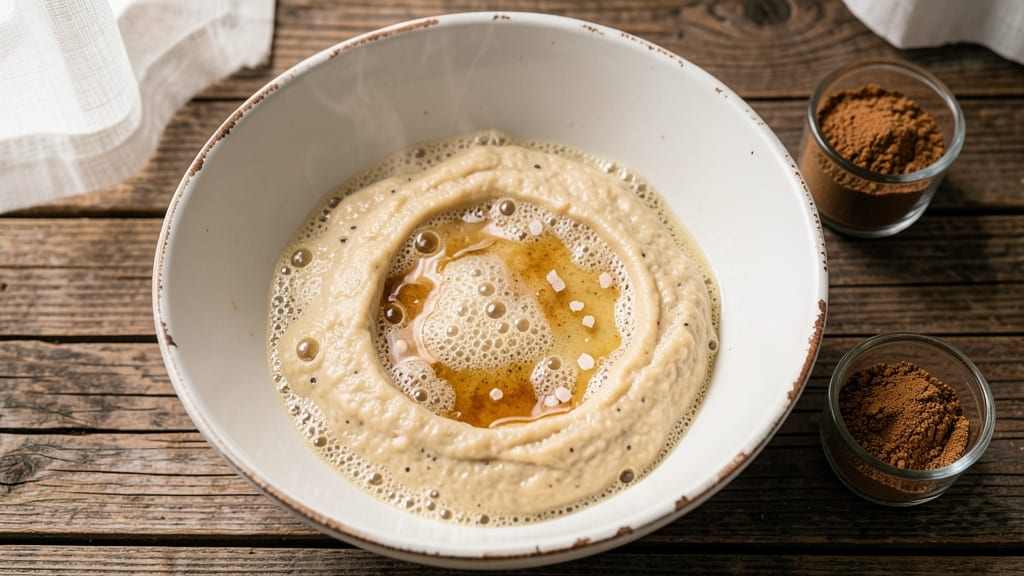
In a large bowl, combine the 1.5 cups warm water (110°F), 2.25 tsp active dry yeast, and 0.5 tsp granulated sugar. Let sit for 5-7 minutes until foamy. This activation step ensures your yeast is lively and ready to work - you'll see bubbles forming on the surface when it's ready.
In a separate bowl, whisk together the 4 cups bread flour, 0.25 cup rye flour, and 1.5 tsp salt. Create a well in the center and add the yeast mixture along with the 0.5 cup unsalted butter (cold, cubed) and 0.25 cup honey. Using a wooden spoon, mix until a shaggy dough forms. The dough will be sticky at first - that's normal with this high-hydration recipe.
Knead Until Elastic and Smooth
Turn the dough onto a lightly floured surface and knead for 8-10 minutes until smooth and elastic. You'll know it's ready when it springs back slowly when poked and doesn't stick to your fingers. If the dough feels too sticky, wet your hands slightly - don't add more flour or you'll inhibit gluten development.
Shape the dough into a ball and place it back in the bowl. Cover with a damp towel and let rise at room temperature for 1-1.5 hours or until doubled in size. You're looking for the dough to puff up noticeably and feel light when pressed gently with a finger.
Prepare the Walnut-Honey Filling
While the dough rises, toast the 1 cup walnuts in a dry skillet over medium heat for 5-7 minutes until fragrant and golden. Let cool completely, then chop them coarsely. In a small bowl, mix the toasted walnuts with 2 tablespoons of the honey reserved from the dough mixture. This filling will create those beautiful swirls throughout the bread.
Shape and Proof the Dough
Punch down the risen dough and divide it into four equal pieces. Roll each piece into a 12-inch rope about 1 inch thick. Place one rope on a parchment-lined baking sheet and spread 1 tablespoon of the walnut-honey mixture down the center. Roll the dough tightly around the filling to create a log shape. Repeat with remaining dough and filling.
Place the shaped loaves on a baking sheet dusted with 0.25 cup cornmeal and cover with a damp towel. Let proof for 45-60 minutes until puffy. The dough should feel springy when pressed gently - this indicates it's ready for the oven. Preheat your oven to 375°F during this final proofing time.
Bake to Golden Perfection
Bake the loaves for 30-35 minutes until golden brown and hollow-sounding when tapped on the bottom. In the last 5 minutes, sprinkle each loaf with 0.5 tsp coarse sea salt for that signature crusty crown. For extra shine, brush the tops with the remaining 2 tablespoons honey while still warm.
Let the bread cool on a wire rack for at least 30 minutes before slicing. The interior should be tender with pockets of sweet walnut filling visible throughout. This bread keeps well wrapped at room temperature for 2-3 days or can be frozen for up to 3 months.
Pro Tips For Making Andy'S East Coast Kitchen Bread
- Weigh Your Flours: I learned this the hard way—measuring flours by volume (especially rye) leads to inconsistent results. Use a scale for both bread and rye flour; this recipe relies on precise ratios, and even a 5-gram difference throws off the texture.
- Bloom the Yeast Properly: Skip the "just mix it in" approach—proof your yeast in warm water (105°F) with that sugar for 5-7 minutes until frothy. Cold water kills it, and this rye-heavy dough needs active yeast to handle the density.
- Knead Just Enough: This isn’t a baguette—over-kneading turns the dough tough. Work it until it’s smooth but still slightly tacky (about 8-10 minutes by hand). Rye’s grittiness fights gluten, so less is better here.
- Let It Rise Twice: The first rise builds structure, but the second—after shaping—develops flavor. Cover the dough loosely (oil spray helps) and give it 1.5–2 hours to puff up again. Patience here makes the crust crisp and the crumb open.
Perfect pairings for this recipe
Breakfast Pairings
This walnut-honey swirl bread is a breakfast champion when paired with scrambled eggs and crispy bacon—the nutty sweetness balances the savory flavors beautifully. I like toasting thick slices and spreading them with local honey butter (mix softened butter with a touch more honey) for extra richness.
For a lighter option, try it with Greek yogurt and fresh berries—it’s like dessert for breakfast. 🥞
Cheese Board Essentials
No cheese board is complete without this bread! Pair it with aged cheddar, brie, and sharp gouda for a mix of tangy and creamy textures. The walnuts complement the richness of the cheese, while the honey adds a touch of sweetness.
Add cured meats like prosciutto or salami, and you’ve got a showstopper spread. I always include dried apricots or fig jam for an extra layer of flavor. 🧀
Soup and Sandwich Star
This bread excels as a soup dipper—the crispy crust soaks up broth beautifully. Try it with tomato basil soup or creamy butternut squash soup for a comforting meal.
For sandwiches, layer it with turkey, avocado, and herb cream cheese or go classic with peanut butter and banana. The honey-walnut swirls add a delightful crunch and sweetness to every bite. 🥪
Dessert-Inspired Twists
Why stop at savory pairings? Use this bread for dessert toast—spread slices with mascarpone cheese and raspberry jam, then toast until golden. For a decadent treat, drizzle with melted dark chocolate and sprinkle with flaky sea salt.
It’s like a cross between a croissant and a dessert—trust me, your guests will be impressed. 🍫
Beverage Pairings
Match this bread’s nutty-sweet profile with coffee—the bitterness of a dark roast balances the honey perfectly. For tea lovers, earl grey or chamomile complements the warmth of the walnuts. If you prefer alcohol, a dry Riesling or light ale enhances the flavors without overpowering them.
I often enjoy it with a glass of sparkling apple cider for a refreshing twist. 🍷
Make-Ahead Serving Ideas
Pre-slice the bread and store in an airtight container for up to 3 days—it’s perfect for quick toast or charcuterie boards. For a gourmet charcuterie, arrange slices with whipped goat cheese, cured meats, and dried fruits.
The honey-walnut swirls stay fresh longer than you’d expect, making this bread ideal for meal prep. 🧺
Nutrition facts
Frequently asked questions
Can I make this bread without rye flour?
If you don't have rye flour, substitute it with ½ cup whole wheat flour for a slightly denser texture. For a closer match, use ½ cup all-purpose flour instead, though the subtle tang will be missing. The bread will still be delicious—just adjust your expectations for texture slightly.
How do I know when the dough is fully proofed?
Press your finger gently into the dough—if it springs back slowly (like Jell-O) and leaves a slight indentation, it's ready. For visual confirmation, look for the dough to have doubled in size and feel noticeably lighter. If it springs back quickly, give it another 15-20 minutes of proofing.
Can I bake this bread in a Dutch oven?
Yes! A Dutch oven creates an even better crust. Preheat it with the loaves inside for 30 minutes before baking. Cover and bake for 30-35 minutes, then remove the lid and bake 5-10 minutes more until golden. This method intensifies the crust's crispiness while keeping the interior tender.
Why did my bread turn out dense instead of light?
Dense bread often results from over-kneading, underproofing, or too much flour. Check your yeast—if it wasn't active (no bubbles in 5-7 minutes), replace it. Also, ensure your water is 110°F (not hot) and avoid adding extra flour during kneading. Let the dough rest longer if it feels tight.
How should I store leftover bread?
Wrap cooled loaves in a clean kitchen towel or beeswax wrap and store at room temperature for 2-3 days. For longer storage, slice and freeze—reheat individual slices in a 350°F oven for 5 minutes to restore crispiness. The honey-walnut swirls stay fresh surprisingly well!