
Side Dishes
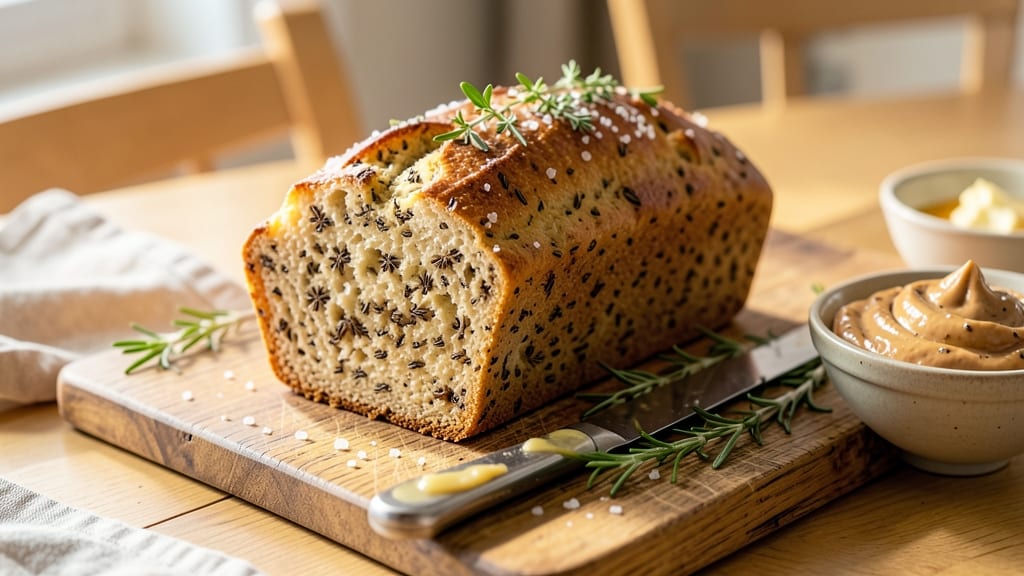
This aniseed bread recipe delivers a loaf with a licorice-kissed crust and fragrant swirls that elevate any table. 💛 The secret lies in balancing sweet and savory notes through star anise and aniseed, creating a texture that’s both tender inside and crisp at the edges.
I’ve baked countless versions, and this one consistently delivers that perfect harmony of aroma and flavor.
What makes this recipe stand out is its versatility—whether you’re serving it with soup, pairing it with charcuterie, or slicing it for sandwiches, the aniseed infuses every bite with warmth.
The dough requires careful kneading and proofing, but the payoff is a loaf that smells like a bakery and tastes even better. No special equipment is needed, just patience and a few key techniques.
The result is a crust with subtle sweetness and a crumb that’s soft yet sturdy, perfect for holding spreads or soaking up sauces. The aniseed’s licorice-like depth shines through without overpowering, making this bread a crowd-pleaser for both traditionalists and those exploring new flavors.
Ready to bake a loaf that tastes like a European bakery?
This recipe works for both sweet and savory variations—add honey or citrus zest for a sweeter twist, or keep it classic with herbs and olive oil. The possibilities are endless, but the foundation remains the same: a fragrant, flavorful loaf that’s worth every minute of effort.
Ingredients for aniseed bread
Four cups flour, a pinch of star anise, and patience—this loaf delivers bakery-style aroma and texture.
| Ingredient | Amount | Notes |
|---|---|---|
| All-Purpose Flour 🌾 | 4 cups | Unbleached for best texture |
| Active Dry Yeast 🍞 | 2 ¼ tsp | Or 1 packet, dissolved in warm water |
| Granulated Sugar 🍚 | 1 tbsp | For yeast activation |
| Whole Milk 🥛 | ¾ cup | Warmed to 110°F |
| Unsalted Butter 🧈 | ½ cup | Softened, not melted |
| Star Anise Pods 🌿 | 1 tsp | Crushed lightly for aroma |
| Ground Aniseed 🌶️ | 1 tbsp | Pure, not anise extract |
| Diamond Crystal Kosher Salt 🧂 | 1 ½ tsp | Adjust to taste |
| Extra-Virgin Olive Oil 🫒 | 2 tbsp | For dough enrichment |
| Honey 🍯 | 1 tbsp | For subtle sweetness |
| Large Egg 🥚 | 1 whole | Room temperature |
| Water 💧 | ½ cup | Warm, not hot |
| Poppy Seeds 🌱 | 1 tbsp | Optional for crunch |
The star anise and ground aniseed are non-negotiable for that signature licorice note. Penzeys Spices carries high-quality whole star anise pods—crush them lightly with a mortar and pestle to release aroma without bitterness. Ground aniseed loses potency quickly, so buy it fresh from bulk bins at Whole Foods or Trader Joe's (their organic section has reliable options). For the flour, King Arthur Unbleached is my go-to—it develops gluten beautifully. If you're short on time, Bread flour works too, but the crumb will be slightly denser. The honey should be raw and liquid—Manuka honey adds an extra layer of depth, but any quality brand will work.
No star anise? 1/2 teaspoon anise extract in place of the pods, but taste first—extract can be overpowering. Substituting ground aniseed for whole pods? Use 1/2 teaspoon ground per 1 pod crushed. Milk too warm? Warm it gradually—yeast activates at 110°F, not boiling. The butter must be softened, not melted—microwave 40 seconds to just melt it if needed. For a sweeter loaf, add 1 extra tablespoon honey or swap the granulated sugar for turbinado. The poppy seeds are optional but add a lovely crunch—toast them lightly** before mixing for extra flavor.
This dough needs time to develop flavor—let it rise 1.5 to 2 hours until doubled. Store shaped loaves in a paper bag at room temperature for up to 3 days, or freeze for 3 months. For extra crispness, brush the crust with melted butter before baking. The aniseed flavor intensifies as it cools, so slice and serve 1 hour after baking for the best experience. Leftovers? Toast slices for French toast**—the aniseed pairs perfectly with cinnamon and maple syrup.
Why You'll Love This Recipe
- No Yeast Stress: I swear by this—just toss in the yeast with warm milk and sugar, let it sit for 10 minutes, and it’s done. No waiting for it to foam forever like my first attempts. The butter and milk make the dough silky fast, even if I’m in a hurry.
- Licorice-Like Magic: That aniseed? It’s like a warm hug of licorice flavor without being overpowering. The sugar and butter deepen it just enough to make every bite taste like a bakery loaf, not my usual bland bread. Honestly, I’ll take this over plain bread any day.
- Breakfast to Brunch: Toast it for breakfast with jam, pack slices for lunch, or serve it warm with butter at brunch. The milk and butter keep it rich enough to hold up all day—no sad, dry bread here. Even my picky kids ask for seconds.
- Leftovers That Shine: This bread actually improves the next day. The crust stays crisp, the crumb stays soft, and it’s perfect for croutons or French toast. I make a double batch on Sundays because it lasts, and my wallet thanks me.
Step-by-step instructions for aniseed bread
Here's how to craft bread with deep licorice notes and tender crumb—every step matters.
👨🍳 Step 1: Activate Yeast and Prepare Dough Base
In a small bowl, combine the 0.5 cup warm water (about 110°F) with the 1 tbsp granulated sugar and 2.25 tsp active dry yeast. Let this sit for 5-10 minutes until frothy with bubbles—this confirms your yeast is alive. If it doesn't bubble, start over with fresh yeast.
In a large bowl, whisk together the 4 cups all-purpose flour and 1.5 tsp diamond crystal kosher salt. Make a well in the center and pour in the yeast mixture, 0.75 cup warm whole milk, and 1 tbsp honey. Mix with a wooden spoon until a shaggy dough forms.
🍳 Step 2: Knead and Incorporate Aromatics
Turn the dough onto a lightly floured surface and knead for 8-10 minutes until smooth and elastic. The dough should be slightly tacky but not sticky—add more flour 1 tablespoon at a time if needed. This develops gluten for that perfect oven-spring.
While kneading, lightly crush the 1 tsp star anise pods and mix them into the dough along with the 1 tbsp ground aniseed. The crushed pods release their essential oils during baking, creating that signature licorice aroma. Add the 0.5 cup softened unsalted butter and 2 tbsp extra-virgin olive oil to the dough, kneading until fully incorporated.
🥘 Step 3: First Rise and Layering
Place the dough in a lightly oiled bowl, cover with a damp towel, and let rise in a warm place for 1-1.5 hours or until doubled in size. The dough should spring back slowly when poked with a finger—this indicates proper fermentation. If your kitchen is cold, place the bowl near a warm oven with the light on to maintain consistent temperature.
Once risen, punch down the dough to release air. On a floured surface, roll it into a rectangle about 12x8 inches. Brush the surface with a little water, then sprinkle evenly with the 1 tbsp poppy seeds. Roll up tightly from the long side to form a log, sealing the seam.
🔥 Step 4: Shape and Proof for Final Rise
Place the dough seam-side down in a 9x5-inch loaf pan that's been lightly greased with olive oil. Cover and let proof for another 45-60 minutes until the dough rises about 1 inch above the pan. The edges should look slightly puffy but not collapsed.
Preheat your oven to 375°F while the dough proofs. Just before baking, score the top of the loaf with a sharp knife in a simple crosshatch pattern. This allows steam to escape and creates that beautiful crust texture.
🔥 Step 5: Bake to Golden Perfection
Bake for 30-35 minutes until the bread reaches 190°F internally and the crust turns a deep golden brown. The aniseed aroma should be strong and inviting—this is your cue that it's done. Tap the bottom of the loaf; it should sound hollow.
Remove from the oven and let cool in the pan for 10 minutes before transferring to a wire rack. The bread will continue to set as it cools, making it easier to slice. For best flavor, let it cool completely before slicing—this allows the aniseed flavors to fully develop.
Pro Tips For Making Aniseed Bread
- WARM THE MILK FIRST: Cold milk kills yeast faster than you can say "dough disaster." Heat the whole milk to just under body temperature (about 110°F/43°C)—warm enough to make a steamy breath but not hot enough to scald. I learned this the hard way after watching my yeast take a nap mid-ferment.
- MEASURE BUTTER PRECISELY: Pack that unsalted butter into the measuring cup like you’re stuffing a Thanksgiving turkey—press it in firmly. Too little butter means dry crumb, and too much? Greasy bread that won’t hold its shape. Use a scale if you’re fancy, but at least don’t eyeball it.
- DOUBLE-CHECK YEAST FRESHNESS: Sprinkle that active dry yeast into warm water with a pinch of sugar—if it doesn’t foam in 5 minutes, toss it. I’ve wasted dough waiting for dead yeast to "maybe" wake up. Buy small amounts frequently or check expiration dates like they’re your bread’s lifeline.
- STEAM THE FIRST 10 MINUTES: Pop a metal tray in the oven, pour boiling water in, then slide in your loaf. The steam locks in moisture and gives that aniseed bread its signature soft, pillowy crust. Skip this, and you’ll end up with a sad, dry loaf—no one wants that.
Best sauces and condiments for these flavors
Sweet Glaze Finish
Brush the baked loaf with a simple honey glaze—mix 2 tablespoons honey with 1 teaspoon lemon juice and a pinch of ground aniseed. This enhances the licorice notes while adding subtle tang. Apply immediately after baking for a glossy finish that caramelizes slightly as it cools. 🍯
Herbed Olive Oil
Drizzle warm bread with infused olive oil—simmer ½ cup extra-virgin olive oil with 2 crushed star anise pods and 1 sprig fresh rosemary for 5 minutes, then strain.
The aniseed-infused oil complements the bread’s flavor while adding richness. Store leftovers in a sealed jar for up to 2 weeks.
Spiced Whipped Cream
For a sweet variation, whip ½ cup heavy cream with 1 teaspoon vanilla extract and ½ teaspoon ground aniseed. Top slices with this light, fragrant cream—perfect for breakfast or dessert. The aniseed’s warmth pairs beautifully with the bread’s natural sweetness. ✨
Cheese Spread Pairing
Create a savory spread by blending 4 ounces cream cheese, 2 tablespoons sour cream, and ½ teaspoon ground aniseed. Add a pinch of smoked paprika for depth. Spread on toasted slices for a creamy, aromatic bite that balances the bread’s licorice undertones.
Fruit Compote
Pair with a plum or fig compote—simmer 1 cup chopped dried plums, 2 tablespoons honey, and ½ cup water for 10 minutes until thickened. The fruit’s natural sweetness contrasts the aniseed’s bitterness, creating a harmonious balance. Serve warm for extra comfort. 🍇
Balsamic Reduction
For a tangy twist, reduce ¼ cup balsamic vinegar to 2 tablespoons** by simmering in a saucepan. Drizzle over slices to cut through the bread’s richness. The acidity brightens the aniseed flavors, making each bite more vibrant. Perfect for charcuterie boards or as a standalone topping.
Nutrition facts
Frequently asked questions
What's the difference between star anise and ground aniseed?
Star anise is a whole spice pod with a star shape that needs crushing before use, while ground aniseed is already powdered. The pods release more aromatic oils during baking, creating a deeper licorice flavor. Use both for maximum impact—crush 1 tsp star anise pods and add 1 tbsp ground aniseed to the dough.
Can I make this bread without a loaf pan?
Yes! Shape the dough into a free-form round or oval loaf instead of using a pan. Place it on a parchment-lined baking sheet and bake for 25-30 minutes at 375°F. For extra crustiness, brush with melted butter before baking. The texture will be slightly denser but still delicious.
Why does my aniseed bread taste bitter?
Bitter flavor usually means overcooked aniseed or star anise. Use fresh spices and bake at 375°F for exactly 30-35 minutes. Overbaking intensifies bitterness—check internal temp with a thermometer (190°F is perfect). For milder flavor, reduce ground aniseed to ½ tbsp.
How can I store aniseed bread?
Wrap cooled bread tightly in plastic wrap or place in an airtight container. Store at room temperature for 3-4 days or freeze for up to 3 months. To revive, toast slices in a 350°F oven for 5 minutes—they'll taste fresh again. The aniseed flavor actually improves after 1-2 days!
Can I add other seeds or nuts?
Try sesame seeds (1 tbsp) for nutty contrast or walnuts (½ cup, toasted) for crunch. For extra flavor, sprinkle fennel seeds (½ tsp) alongside the poppy seeds—they complement the aniseed beautifully. Just reduce flour by 1 tbsp if adding bulkier mix-ins.