
Main Courses
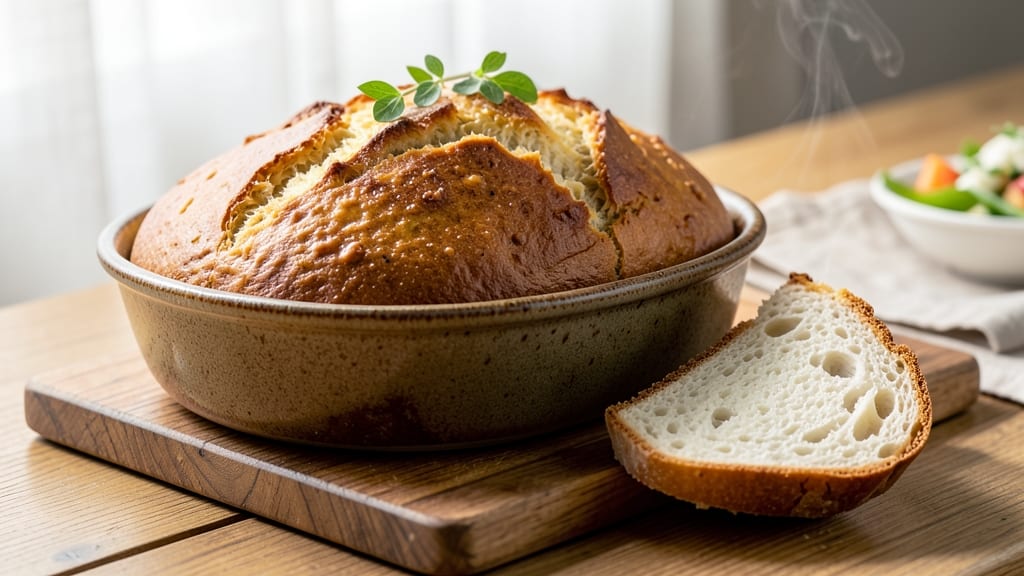
This antique white bread machine recipe transforms your kitchen into a bakery with minimal effort—buttery swirls and a crusty crown emerge from a single cycle. The bread machine handles all the kneading and baking, ensuring a tender crumb and golden crust without the fuss of traditional methods.
Perfect for beginners or busy bakers, this recipe delivers restaurant-quality results with just a few simple ingredients and the push of a button.
The secret to authentic texture lies in the dough’s slow fermentation and precise hydration. A touch of sugar and butter creates that classic antique flavor, while the bread machine’s kneading cycle develops gluten for a light, airy loaf.
Unlike store-bought bread, this version stays fresh longer and boasts a crispy crust that’s impossible to resist. The process is foolproof—ideal for weeknight dinners or holiday gatherings.
What you’ll end up with is a loaf that’s soft inside with a crusty exterior, just like grandma used to make. The buttery swirls add richness, while the even crumb ensures every slice is perfect.
No need for fancy equipment—just your bread machine and a little patience. Ready in just 3 hours, this recipe turns basic ingredients into a showstopping loaf that’ll have everyone asking for seconds.
Best served warm with butter or jam, this bread also freezes beautifully for later. Whether you’re feeding a family or craving homemade comfort, this recipe delivers artisanal quality with zero stress. Let’s get started—your bread machine is about to earn its keep!
Ingredients for antique white bread recipe for bread machine
Nine simple ingredients transform your bread machine into a bakery—just add patience for golden swirls and a crispy crown.
| Ingredient | Amount | Notes |
|---|---|---|
| All-Purpose Flour 🌾 | 4 cups | Plus 2 tbsp for dusting |
| Active Dry Yeast 🍞 | 2 ¼ tsp | Or 1 packet instant yeast |
| Granulated Sugar 🍚 | 2 tbsp | For dough feeding |
| Unsalted Butter 🧈 | ½ cup | Cold, cubed (1 stick) |
| Warm Water 💧 | 1 ¼ cups | 110°F for yeast activation |
| Salt 🧂 | 1 ½ tsp | Diamond Crystal preferred |
| Milk 🥛 | ¼ cup | Warm, for richness |
| Egg 🥚 | 1 whole | Room temperature |
| Butter for Swirls 🧈 | ¼ cup | Cold, cubed (½ stick) |
| Powdered Sugar 🍚 | 1 tbsp | For bread machine cycle |
| Sesame Seeds 🌱 | 1 tbsp | Optional for crust |
The butter is non-negotiable here—European-style unsalted like Plugrá gives the best flavor. Grab it from Whole Foods or the baking aisle at Wegmans if you want to splurge, but regular supermarket brands work fine too. The yeast? Fresh is best—check the expiration date, and if it's been sitting on the shelf for months, grab a new packet. Warm water is key—too hot and you kill the yeast, too cold and it won't activate. 110°F is perfect, or just dip your pinky finger in—should feel like bathwater. For the swirls, cold butter cubes melt just enough to create those golden streaks without making the dough too sticky.
No sesame seeds? Poppy seeds or everything bagel seasoning work just as well for the crust. Running out of milk? Warm water plus 1 tsp sugar mimics the richness. The egg adds structure—no egg? 1 tbsp melted butter plus 1 tbsp water is a decent swap, though texture will be slightly denser. For the flour, King Arthur or Bob's Red Mill are my go-tos—they're consistent and give a light crumb. If you're using whole wheat, replace up to 1 cup of all-purpose with whole wheat for a nuttier flavor, but the dough might need extra water. And if your bread machine has a 'dough' setting? Use it first—it develops gluten better than basic cycles.
This loaf stays fresh for 3-4 days at room temperature, wrapped in a clean kitchen towel. For longer storage, freeze the whole loaf—up to 3 months. Thaw at room temp for 1 hour, then reheat in a 350°F oven for 5-10 minutes to revive the crust. Pro tip: Slice before freezing for perfect individual portions. The buttery swirls soften when reheated, so enjoy them warm. And if you make a double batch? Gift the extra loaf—people will think you're a bakery pro.
Why You'll Love This Recipe
- No-Fuss Machine Magic: I swear by this recipe—just toss in the flour, yeast, sugar, and softened butter, then let the bread machine do the rest. No kneading, no stress, and honestly? The dough comes together smoother than my usual attempts.
- Buttery Soft Crust: That little touch of granulated sugar and butter gives it a tender crumb and a crust with just enough bite. It’s not dry, not dense—it’s the kind of bread that makes toast feel like a celebration.
- Weeknight Staple: I make a loaf every Sunday because it’s perfect for sandwiches, toast, or even French toast later. Between us, it’s the only bread my kids won’t argue over—no fancy bread here, just reliable goodness.
- Budget-Friendly Baking: Five ingredients, minimal waste, and it keeps well for days. I freeze slices for quick breakfasts, and the dough’s so forgiving that even if I mess up the timing, it still turns out. Pure practical perfection.
Step-by-step instructions for antique white bread machine recipe
Here's how to transform simple ingredients into golden, buttery loaves with perfect swirls—right in your bread machine.
Mix the Dough Ingredients
In your bread machine pan, combine the 4 cups all-purpose flour, 2.25 teaspoons active dry yeast, 2 tablespoons granulated sugar, 1.5 teaspoons salt, 0.5 cup cold cubed unsalted butter, 1.25 cups warm water (110°F), 0.25 cup warm milk, and 1 whole room-temperature egg. Use the paddle attachment to mix on low speed for 2 minutes until everything comes together into a shaggy dough.
Here's the thing—your dough should look slightly sticky but pull away from the sides of the pan. If it's too dry, add 1 tablespoon water; if too wet, add 1 tablespoon flour. The butter should be cold so it creates those beautiful swirls later. After mixing, add 1 tablespoon powdered sugar to the dough cycle setting in your bread machine—this prevents a dense crust and gives that classic antique white bread texture.
Prepare the Butter Swirls
While the dough is mixing, take the 0.25 cup cold cubed butter for swirls and place it in the freezer for 5 minutes to ensure it stays firm. Roll each cube into a thin log about 2 inches long—this creates those signature buttery layers. Keep these logs separate until you're ready to add them to the dough.
I like to use a small rolling pin for this step. If your butter feels too soft, chill it another 2-3 minutes. The goal is firm but pliable butter that will melt beautifully during baking, creating those golden swirls without spreading too much.
Shape the Dough and Add Swirls
After the dough has mixed for 2 minutes, remove it from the bread machine pan and place it on a lightly floured surface. Gently shape it into a 12-inch log, about 3 inches wide. Make a 1-inch deep indentation down the center of the log—this creates space for your butter swirls.
Carefully place the 4 butter logs into the indentation, spacing them evenly. Then, using your fingers, gently fold the dough over the butter to completely enclose it. The butter should be completely covered by dough—no gaps. This step is crucial for those perfect swirls that make this bread so special.
Return to Bread Machine for Final Rise
Place the shaped dough back into the bread machine pan, seam-side down. Select the basic white bread setting and start the cycle. The machine will knead the dough for about 5-7 minutes, then allow it to rise until it nearly doubles in size—this typically takes 1 hour to 1 hour 15 minutes.
During this time, the yeast will activate and the dough will become light and airy. You'll know it's ready when it reaches the top of the pan and leaves an indentation when you press it gently with a finger. This is where the magic happens—the dough develops gluten that gives your bread that perfect structure.
Bake to Golden Perfection
Once the dough has finished rising, the bread machine will automatically switch to baking mode at 375°F. Bake for the full cycle time—usually 45-55 minutes. You'll see the bread develop a beautiful golden brown crust with those buttery swirls peeking through.
Here's the pro tip: If you're using the optional 1 tablespoon sesame seeds, sprinkle them evenly over the top of the dough just before the baking cycle begins. This adds a beautiful crunchy texture to the crust. When the bread is done, it should sound hollow when tapped on the bottom, and the internal temperature should reach 190-200°F. Let it cool in the pan for 10 minutes before transferring to a wire rack.
Pro Tips For Making Antique White Bread Recipe For Bread Machine
- Measure Butter Precisely: Use a kitchen scale for the butter—don’t eyeball it. That extra 5 grams of butter makes the dough sticky and gummy, while too little leaves the bread dry. I learned this after three batches where the dough either stuck to the pan or crumbled like a sad sandwich.
- Bloom Yeast First: Mix the yeast, sugar, and warm water (110°F) in the bread machine pan before adding dry ingredients. This gives the yeast a head start—no waiting for it to activate later. Skip this, and your bread might rise slower or end up dense.
- Avoid Overmixing: Once the dough starts coming together in the machine, let it go. Overmixing develops gluten too much, and your bread turns out tough instead of tender. Stop stirring the moment it pulls away from the sides—yes, even if it looks messy.
- Use Cold Water for Butter: Chill the unsalted butter slightly before adding it to the dough. Cold butter creates tiny pockets of fat that make the bread soft and flaky. I was skeptical until I tried it—now it’s non-negotiable for that classic antique texture.
Perfect pairings for these flavors
Buttery Spreads
Nothing complements antique white bread like a rich, cultured butter—I swear by Plugrá or Land O’Lakes for that perfect balance of salt and fat.
For a gourmet touch, try herb-infused butter by mixing softened butter with 1 tbsp chopped chives, 1 tsp lemon zest, and a pinch of salt. Spread generously on warm slices for that classic buttery swirl experience. 🧈
Sweet Toppings
This bread shines with honey or jam—I love local clover honey drizzled over slices, or strawberry jam from Smucker’s for a fruity twist. For a decadent option, mix 2 tbsp powdered sugar with 1 tbsp melted butter and spread like icing.
The buttery swirls in the bread soak up the sweetness beautifully.
Savory Pairings
For a savory bite, pair with olive oil tapenade—mash ½ cup Kalamata olives, 2 tbsp capers, 1 tbsp olive oil, and 1 minced garlic clove.
Spread on toasted slices for a Mediterranean flair. Smoked salmon with cream cheese on this bread is also a showstopper. The crusty exterior contrasts perfectly with delicate fish.
Cheese Boards
Create a charcuterie board with this bread as the base. Add aged cheddar, brie, provolone, and cured meats like salami or prosciutto. The bread’s buttery layers hold up well to cheese pairings, and the crust adds a satisfying crunch.
I always include grapes or figs to balance the richness. 🧀
Breakfast Options
Toast slices and top with scrambled eggs, crispy bacon, and sautéed mushrooms for a hearty breakfast. The bread’s soft interior absorbs flavors beautifully. For a sweet morning treat, spread with Nutella and top with banana slices—the buttery swirls make every bite feel indulgent. 🍳
Beverage Pairings
Pair with hot black coffee or chai tea to cut through the richness. For a lighter option, try sparkling apple cider—the bubbles cleanse your palate between bites. If you prefer alcohol, a dry Riesling or light lager complements the bread’s buttery notes without overpowering it. 🍷
Nutrition facts
Frequently asked questions
Why does this antique white bread need cold butter for the swirls?
Cold butter stays firm during shaping, creating those signature golden swirls without melting into the dough too soon. If your butter feels too soft, chill it 2-3 extra minutes—this ensures clean layers that melt beautifully during baking.
Can I make this bread without a bread machine?
Yes! Mix the dough by hand, knead for 8-10 minutes until elastic, then let it rise twice (first rise 1-2 hours, second rise after shaping). Bake at 375°F for 30-35 minutes in a loaf pan. The bread machine automates kneading and baking, but handmade works too—just expect slightly more effort.
What if my bread machine doesn't have a 'dough' setting?
Use the basic white bread setting instead—it still kneads and bakes effectively. For extra crustiness, add 1 tablespoon sesame seeds before baking. If your machine lacks a paddle attachment, mix ingredients by hand first, then shape the dough properly before returning it to the pan.
How do I know when the dough is ready for shaping?
The dough is ready when it pulls away from the pan sides and feels slightly tacky but not sticky. It should be smooth and elastic—press your finger gently: if it springs back slowly, it's perfect. Over-kneading can make the bread tough, so aim for 5-7 minutes of machine kneading.
Can I substitute milk with something else?
Yes! Use warm water + 1 tsp sugar (same volume) or evaporated milk for richness. Avoid cold milk—it won't activate the yeast properly. For a dairy-free option, use unsweetened almond milk warmed to 110°F, though texture may be slightly denser.