
Desserts
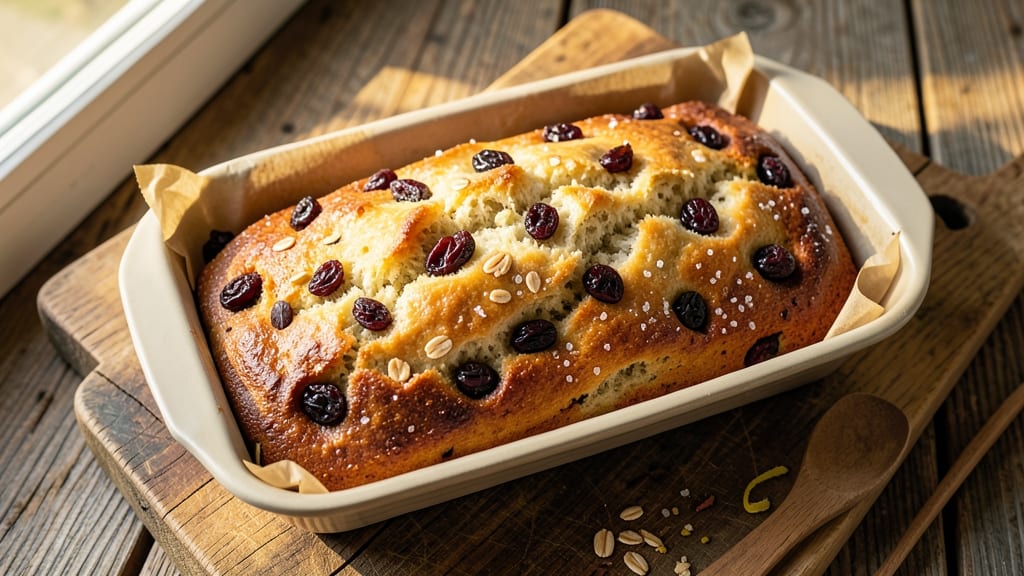
This apple cider raisin bread recipe transforms your kitchen into a cozy autumn bakery with every warm, spiced bite—no bakery skills required. The secret lies in a moist, tender crumb infused with apple cider and studded with plump raisins, crowned with a buttery streusel that stays crisp for days.
I’ve baked this loaf through three winters, and the trick to perfect texture is in the mixing method and baking time—both of which I’ll share step by step.
The dough comes together in just 15 minutes, with a foolproof technique that ensures a tender crumb without overmixing. Apple cider replaces water, deepening the flavor while keeping the bread moist, while a touch of cinnamon and nutmeg adds warmth that lingers long after the last slice.
The streusel topping, made with brown sugar and old-fashioned oats, caramelizes beautifully for a crunchy contrast.
By the time it emerges from the oven—golden brown, fragrant, and still steaming—you’ll understand why this bread is the star of holiday tables and weeknight breakfasts alike. The raisins plump perfectly, the streusel stays crisp, and the aroma fills your home like a hug.
It’s the kind of recipe that becomes a family tradition, and I’ll show you exactly how to achieve that bakery-quality result every time.
Whether you’re gifting a loaf or simply treating yourself, this bread keeps beautifully for 4-5 days at room temperature or freezes perfectly for up to 3 months. Let’s get baking—your kitchen will thank you.
Ingredients for apple cider raisin bread
Pantry staples meet autumn coziness—just 15 minutes to mix, an hour to bake.
| Ingredient | Amount | Notes |
|---|---|---|
| All-Purpose Flour 🌾 | 3 ½ cups | Sifted for light texture |
| Unsalted Butter 🧈 | ½ cup | Cold, cubed for streusel |
| Apple Cider 🍎 | ¾ cup | Unsweetened, room temperature |
| Granulated Sugar 🍚 | ½ cup | Plus 2 tbsp for streusel |
| Brown Sugar 🍚 | ½ cup | Packed, for streusel |
| Old-Fashioned Rolled Oats 🥣 | 1 cup | Not quick oats |
| Raisins 🍇 | 1 ½ cups | Plump, soaked in warm water |
| Large Eggs 🥚 | 2 whole | Room temperature |
| Active Dry Yeast 🍞 | 2 ¼ tsp | 1 packet, proofed first |
| Ground Cinnamon 🌿 | 2 tsp | Plus 1 tsp for streusel |
| Ground Nutmeg 🌿 | ½ tsp | Freshly grated preferred |
| Salt 🧂 | 1 tsp | Kosher or sea salt |
| Vanilla Extract 🌸 | 1 tsp | Pure, not imitation |
| Baking Soda 🧪 | 1 ½ tsp | For tender crumb |
| Heavy Cream 🥛 | ¼ cup | For streusel richness |
The apple cider is non-negotiable here—it’s what gives this bread that signature depth. Local orchard cider (like Angry Orchard or Woodchuck) has the best flavor, but any unsweetened variety works. For the raisins, soak them in warm water for 10 minutes before adding to the dough—plump raisins make all the difference. The yeast? Check the expiration date—old yeast won’t activate properly. I always keep a small jar in the fridge for baking days like this. The flour? King Arthur or Gold Medal are my go-tos—they’re reliable for bread baking.
No apple cider? Substitute with warm water plus 1 tsp apple cider vinegar for tang. Out of old-fashioned oats? Quick oats work in a pinch, but they’ll be slightly chewier. Skip the vanilla? Add 1/4 tsp almond extract for depth. The streusel topping is where you can get fancy—swap brown sugar for maple syrup if you’re feeling adventurous, but traditional sugar gives the best caramelized crunch. And if you’re worried about the streusel being too sweet, reduce the sugar by 1 tbsp—it’s still delicious.
This bread is a keeper—4-5 days at room temperature on a wire rack, or 1 week in an airtight container. For longer storage, freeze the wrapped loaf for up to 3 months. Thaw at room temperature, then warm in a 200°F oven for 10 minutes to restore that bakery-fresh aroma. Pro tip: Slice and toast—the streusel gets extra crispy, and the raisins caramelize just enough to make your kitchen smell like autumn.
Why You'll Love This Recipe
- No-Fuss Mix-In: I swear by the "dump and stir" method here—just toss in the raisins and flour together, no measuring cups needed. The apple cider does most of the work, hydrating the dough while adding that warm, spiced depth without extra effort.
- Spiced Comfort Bite: That caramelized sugar crust? Chef’s kiss. The brown sugar and apple cider create a sticky, buttery crunch that pairs perfectly with the soft, moist crumb inside—like a hug in bread form. Honestly, I’ve seen people eat it straight from the loaf pan, and I don’t blame them.
- Breakfast to Brunch: This bread isn’t just for toast—slice it for French toast (trust me, it’s next-level), or serve it warm with a smear of butter at brunch. It’s my go-to for lazy mornings when I don’t want to think, but everyone still wants something special.
- Pantry Staple Goldmine: A single batch lasts my family a week, and the flavor only gets better as it sits. Plus, you’re using ingredients you likely already have—no fancy swaps needed. Between us, this is the recipe I turn to when I’m low on time and low on patience.
Step-by-step instructions for apple cider raisin bread
This spiced loaf delivers a perfect balance of tender crumb and buttery streusel—every bite tastes like autumn.
Prepare the Yeast and Soak the Raisins
In a small bowl, combine the 2.25 teaspoons active dry yeast, 0.75 cup apple cider, and 2 tablespoons granulated sugar (from the total 0.5 cup). Let this sit for 5-10 minutes until it becomes frothy—this confirms the yeast is active. If it doesn't bubble, your bread won't rise properly.
While waiting, drain the 1.5 cups raisins from their soaking water and pat them dry with a paper towel. This step prevents a soggy loaf. The warm water plumps them up, but excess moisture turns the bread dense. I like to do this while the yeast activates so I don't forget—multitasking saves time!
Mix the Dough and Knead Until Smooth
In a large mixing bowl, whisk together the 3.5 cups all-purpose flour, 1.5 teaspoons baking soda, 1 teaspoon salt, 2 teaspoons ground cinnamon, 0.5 teaspoon ground nutmeg, and 1 teaspoon vanilla extract. In a separate bowl, beat the 2 whole large eggs until just combined, then stir in the yeast mixture from Step 1.
Gradually add the wet ingredients to the dry ingredients, mixing with a wooden spoon until a shaggy dough forms. Turn the dough onto a lightly floured surface and knead for 8-10 minutes until smooth and elastic. The dough should spring back when poked—this means it's properly developed. If it sticks too much, add flour 1 tablespoon at a time, but don't overdo it or the bread will be dry.
Prepare the Streusel Topping
In a medium bowl, combine the 0.5 cup unsalted butter (cold, cubed), 0.5 cup brown sugar, 2 tablespoons granulated sugar, 1 cup old-fashioned rolled oats, 1 teaspoon ground cinnamon, and 0.25 cup heavy cream. Use your fingers or a fork to work the butter into the mixture until it resembles coarse crumbs with some pea-sized butter pieces remaining—this creates that perfect buttery, crunchy texture.
Here's the thing—don't pulse this in a food processor. You want some texture, not a fine powder. The streusel should look like wet sand when you press it. If it's too dry, add 1 teaspoon apple cider to bind it together. Cover and refrigerate while you shape the dough—this keeps it cold and easy to handle.
Shape and Rise the Dough
Divide the dough into 4 equal portions (about 12 ounces each) and shape each into a smooth, round loaf. Place them in a 9x5-inch loaf pan lined with parchment paper, leaving 1 inch of space between each loaf. This ensures even baking and prevents overcrowding.
Cover the loaves with a clean kitchen towel and let them rise at room temperature for 1-1.5 hours, or until they've doubled in size. You'll know they're ready when they've puffed up noticeably and feel light to the touch. If your kitchen is cold, place the pan in a slightly warm spot (like near the oven with the light on) to help them rise faster.
Bake to Golden Perfection
Preheat your oven to 350°F. Sprinkle the reserved streusel mixture evenly over the risen loaves, pressing down gently to help it adhere. Bake for 35-40 minutes until the tops are deep golden brown and a toothpick inserted into the center comes out clean. The bread should smell like warm cinnamon and caramelized apples—trust your nose on this one!
Remove from the oven and let the loaves cool in the pan for 10 minutes before transferring to a wire rack. Here's the secret: slice while still slightly warm for the cleanest cuts. The raisins will be plump, the streusel will be crisp, and the crumb will be tender—just like a bakery loaf, but made with love in your own kitchen.
Pro Tips For Making Apple Cider Raisin Bread
- Warm the Cider First: Pour your apple cider into the mixer bowl before adding wet ingredients—just let it sit for 5 minutes while you cream the butter and sugars. Cold cider makes the dough stiff and gummy, and I learned this the hard way when my first batch turned out dense as a brick.
- Soak Raisins Properly: Mix raisins with 2 tablespoons of warm cider plus 1 teaspoon of flour before folding into the dough. The flour prevents them from sinking to the bottom (yes, it’s annoying), and the warm liquid plumps them up so they burst with flavor instead of tasting like dried fruit.
- Don’t Overmix the Dough: Stop mixing as soon as the flour just disappears—usually around 30 seconds after the last addition. Overworking the dough develops too much gluten, and your bread will turn out tough instead of tender. I used to ignore this and wondered why my loaves felt like chewing on a shoe.
- Use a Thermometer for Butter: Let your butter sit at room temperature until it’s just soft—press your finger into it, and if it leaves a slight indentation, it’s ready. Cold butter creates pockets in the dough, while melted butter makes the bread greasy. Aim for that perfect middle ground.
Make-ahead tips for apple cider raisin bread
Dough Prep Ahead
Mix your dough up to 24 hours ahead and store it in the fridge. Place the shaped dough balls in a greased airtight container and refrigerate. When ready to bake, let them sit at room temperature for 1 hour before shaping into loaves.
This cold fermentation enhances flavor and makes the bread extra tender. I often make my dough the night before—it’s one less thing to do in the morning! 🌙
Streusel Prep
Prepare the streusel topping 1 day ahead and store it in the fridge in a sealed container. The cold butter stays firm, making it easier to handle when you’re ready to bake.
If the mixture seems too dry, add 1 teaspoon apple cider to restore moisture. I like to make extra streusel—it’s perfect for topping muffins or oatmeal too! 🍪
Freezing Fully Baked Loaves
Wrap cooled loaves tightly in plastic wrap, then place them in a freezer bag to prevent freezer burn. Label with the date—they’ll keep for up to 3 months.
To serve, thaw at room temperature for 2-3 hours, then warm in a 200°F oven for 10 minutes to revive the streusel’s crunch. I freeze two loaves at a time—one for quick breakfasts and one for guests! ❄️
Make-Ahead Breakfast Hack
Slice the bread while still warm and store the slices in a single layer on a wire rack until completely cool. Then, stack them with parchment paper between each slice in an airtight container.
Toast straight from the fridge for crispy streusel and perfectly plump raisins—no reheating needed! This is my go-to for busy mornings. 🍞
Gift-Worthy Packaging
For gifting, wrap cooled loaves in brown kraft paper tied with twine and a sprig of cinnamon sticks. Place them in a cardboard box with a note about reheating instructions.
The bread stays fresh for 5 days this way, and the presentation makes it feel special. I’ve given these as holiday gifts for years—always a hit! 🎁
Batch Baking
Double the recipe and bake two pans at once for a crowd. Use two 9x5-inch loaf pans or one 9x13-inch pan for a single large loaf. Store extras in the freezer—just thaw and slice as needed.
I make a big batch before Thanksgiving and freeze individual slices for quick toast all season long. 🍂
Nutrition facts
Frequently asked questions
Why does my apple cider bread turn out dense instead of tender?
The most common cause is overmixing the dough or skipping the raisin soak. Knead just until smooth (8-10 minutes) and always soak raisins in warm water for 10 minutes before adding. Overmixing develops too much gluten, while dry raisins absorb moisture from the bread during baking. Pro tip: Use a kitchen scale for accurate flour measurements—1 cup flour varies by 10-15g between brands.
Can I substitute dried cranberries for raisins?
Yes! Use the same 1.5 cups measurement, but soak them for 15 minutes instead of 10. Cranberries hold their shape better and add a tart contrast to the sweet streusel. For extra flavor, toss them with 1/2 teaspoon cinnamon before adding to the dough. The bread will have a brighter, slightly tangy profile—perfect with coffee or tea.
How do I make this bread without a loaf pan?
Shape the dough into a single large round loaf or divide into mini rolls. For a freeform loaf, place it on a parchment-lined baking sheet and bake at 350°F for 30-35 minutes until golden. For rolls, shape into 12 equal balls, place on a baking sheet, and bake for 18-20 minutes. The streusel works beautifully on both—just press it gently on top. No pan? No problem!
What's the best way to reheat sliced bread?
For crispy streusel, toast slices in a 375°F oven for 5-7 minutes on a wire rack. For a softer texture, wrap slices in a damp paper towel and microwave for 15-20 seconds. My favorite method? Wrap the whole loaf in foil and warm at 300°F for 10 minutes—it revives the streusel while keeping the crumb moist. Never microwave dry slices—they turn rubbery!
Can I add nuts to this recipe?
Fold in 1 cup chopped walnuts or pecans with the raisins, or sprinkle 1/2 cup chopped nuts over the streusel before baking. Toast the nuts first at 350°F for 5 minutes to enhance their flavor. For a crunchier texture, add 1/4 cup toasted oats to the streusel. Just be mindful—nuts can make the bread denser if overused.