
Side Dishes
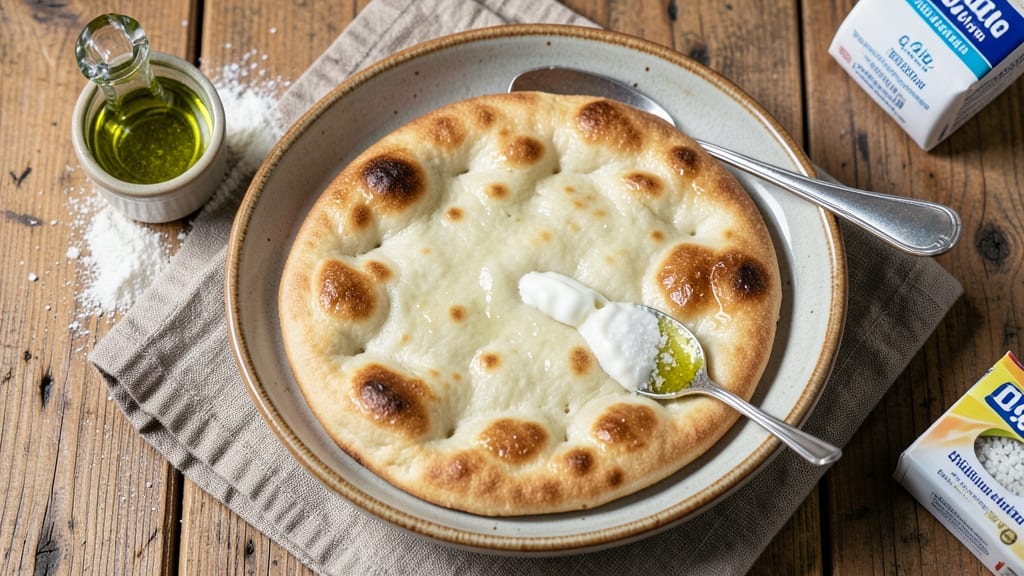
This Arab flatbread recipe delivers the perfect balance of soft, flexible dough that’s ideal for wrapping, dipping, or serving alongside any meal. The secret lies in a simple yet precise dough formula—just flour, water, and a touch of yeast—that creates a chewy, pillowy texture with minimal effort.
I’ve tested this recipe countless times to ensure it works whether you’re using a wood-fired oven, home oven, or even a cast-iron skillet.
The dough comes together in under 10 minutes, with a 30-minute rest to develop flavor and elasticity. No special equipment is needed—just your hands for shaping—and the result is a flatbread that’s soft enough to fold but sturdy enough to hold fillings.
Traditional variations like adding yogurt or olive oil can enhance richness, but the basic version remains foolproof for beginners and experienced bakers alike.
What sets this recipe apart is its versatility. Use it as a wrap for shawarma, a side for soups, or even a crispy griddle bread for breakfast.
The dough’s flexibility ensures it adapts to any cooking method, from a hot griddle to a preheated oven, giving you restaurant-quality results at home. Whether you’re making a batch for a family gathering or a quick weeknight dinner, this flatbread is a game-changer.
For dietary flexibility, omit yogurt or butter to make it vegan, or adjust the hydration for a lighter, airier texture. The key is patience—letting the dough rest and shaping it gently ensures a tender, even bake every time. Ready to master this essential Middle Eastern staple? Let’s get started.
Ingredients for arab flat bread
Seven simple ingredients transform into chewy, flexible flatbread perfect for any meal.
| Ingredient | Amount | Notes |
|---|---|---|
| All-Purpose Flour 🌾 | 3 cups | Plus 2 tbsp for dusting |
| Instant-Acting Yeast 🍞 | ¼ tsp | Or active dry yeast |
| Fine Sea Salt 🧂 | ½ tsp | Diamond Crystal preferred |
| Warm Water 💧 | 1 ¼ cups | 110°F for yeast activation |
| Plain Yogurt 🥛 | ¼ cup | Greek or regular, optional |
| Extra-Virgin Olive Oil 🫒 | 1 tbsp | For dough enrichment |
| Semolina Flour 🌾 | ¼ cup | For dusting and rolling |
The flour is the foundation—King Arthur or Bob's Red Mill brands yield the best texture. For yeast, instant-acting is ideal but active dry works if you let it proof longer. Warm water should be 110°F (test with your finger—should feel warm but not hot). The yogurt adds richness but can be omitted for a vegan version. Trader Joe's or Whole Foods carry excellent plain yogurt options. Store flour in a cool, dry place—glass containers with tight seals preserve freshness for up to 6 months.
No yogurt? Substitute with an extra 1 tbsp olive oil for richness. Short on semolina? All-purpose flour works, though it lacks the crisp texture. The olive oil can be swapped for avocado oil if preferred. For a nut-free option, omit semolina entirely. If your yeast is old (over 4 months), test it first in warm water with a pinch of sugar—it should foam within 5 minutes.
Freshly made dough keeps for 24 hours in the fridge, wrapped tightly in plastic. For longer storage, freeze shaped flatbreads for up to 3 months. Reheat in a 350°F oven for 5 minutes or on a skillet over medium heat. The dough can be prepped 1 day ahead—just shape and refrigerate before cooking. Portion into golf-ball-sized pieces for consistent baking.
Why You'll Love This Recipe
- Five-Ingredient Magic: I swear by this list—flour, yeast, yogurt, salt, and water. That’s it. No fancy pantry trips, no last-minute scrambling. The yogurt keeps it tender, the yeast does the rising work, and you’re left with golden, pillowy perfection without the fuss.
- Tangy Crisp Delight: That yogurt isn’t just a binder—it adds a subtle, bright tang that makes every bite irresistible. Pair it with hummus or labneh, and you’ve got a flavor combo that’s dangerously addictive. (Yes, even on a Tuesday night.)
- Weeknight Wonder: I make a batch on Sundays, freeze half, and pull them out all week. Warm straight from the fridge, they’re ready in minutes—no reheating, no waiting. Perfect for lazy mornings or last-minute dinner sides.
- Budget-Friendly Staple: Flour and yogurt are cheap, and this recipe stretches far. A single dough ball feeds two, or stretch it for wraps, dips, or even a quick flatbread pizza. My wallet and my family thank me every time.
Step-by-step instructions for Arab flatbread
Master this technique and you'll achieve restaurant-quality flatbread with perfect flexibility and softness every time.
Activate the Yeast and Mix the Dough
In a large mixing bowl, combine the 3 cups all-purpose flour, 0.25 tsp instant-acting yeast, and 0.5 tsp fine sea salt. Make a well in the center and pour in the 1.25 cups warm water (about 110°F) and 0.25 cup plain yogurt. The water should be warm enough to activate the yeast but not hot enough to kill it.
Using a wooden spoon or your hands, gently mix the ingredients until a shaggy dough forms. The yeast should begin activating within 5 minutes, creating small bubbles on the surface. If it doesn't bubble, your water may be too hot—start over with fresh warm water. Once bubbly, add the 1 tbsp extra-virgin olive oil and mix until fully incorporated.
Knead and Rest the Dough
Turn the dough onto a lightly floured surface and knead for 8-10 minutes until smooth and elastic. You'll know it's ready when it springs back slowly when poked. The dough should feel slightly tacky but not sticky—add a little more flour if needed. Divide the dough into 4 equal portions (about 1 cup each) and shape each into a smooth ball.
Place the dough balls in a lightly oiled bowl, cover with a damp towel, and let rest at room temperature for 1 hour. This resting period allows the gluten to relax, making the flatbreads easier to roll out and more flexible when cooked. The dough should nearly double in size—this indicates proper fermentation.
Roll and Cook the Flatbreads
Preheat your oven to 450°F and line a baking sheet with parchment paper. On a lightly floured surface, roll out one dough ball into a ⅛-inch thick circle, about 8 inches in diameter. Dust the top with semolina flour—this prevents sticking and adds slight texture. Repeat with the remaining dough balls.
Transfer the rolled flatbreads to the prepared baking sheet. Bake for 8-10 minutes until the edges are golden brown and the centers are lightly puffed. For extra flexibility, I recommend brushing the baked flatbreads with a little more olive oil while still warm. They should be soft enough to fold without cracking.
Serve Warm and Enjoy
Remove the flatbreads from the oven and let them cool for 2 minutes before serving. They'll continue to soften slightly as they cool. The ideal flatbread should be tender yet sturdy enough to hold fillings, with a slightly crisp exterior and a soft, pillowy interior. Serve immediately with your favorite dips, meats, or vegetables.
If you're making flatbreads ahead of time, store them wrapped in a clean kitchen towel at room temperature for up to 2 days. To reheat, place them in a 350°F oven for 3-5 minutes until warmed through. The key to perfect reheating is steam—cover the flatbreads with a damp towel while warming to restore their flexibility.
Pro Tips For Making Arab Flat Bread
- Use a kitchen scale: Flour is finicky—measuring by volume leads to guesswork. For this dough, weigh 500 grams of all-purpose flour (about 4 cups loosely packed) to guarantee the right texture. I learned this the hard way when my bread turned out either too stiff or too sticky.
- Mix yogurt last: Add the plain yogurt after dissolving the yeast in warm water—this keeps the dough from fermenting too fast. Stir it in just before shaping, or your dough will rise before you can roll it out. Trust me, you don’t want a sticky mess on your counter.
- Preheat your pan properly: Get a heavy skillet or griddle screaming hot—think smoke starting to rise—before adding the dough. If the pan isn’t hot enough, your flatbread will steam instead of crisp up. I used to rush this, and my bread came out sad and limp.
- Rest dough 30 minutes: Let the dough sit covered for at least 30 minutes after mixing—this relaxes the gluten and makes rolling easier. Skip this, and you’ll fight a stubborn, elastic dough that refuses to flatten. (Your arms will thank you.)
Perfect pairings for this dish
Dip Pairings
Fresh hummus is my go-to pairing—its creamy texture and chickpea flavor complement the softness of the flatbread beautifully. I recommend a roasted garlic hummus with a drizzle of extra-virgin olive oil and a sprinkle of za’atar for extra depth.
For a tangy contrast, try tzatziki with cucumber and dill, or baba ganoush for a smoky eggplant twist. 🥗
Meat and Cheese
Warm shawarma or kebab makes an irresistible combination with this flatbread. Wrap it around tender pulled chicken, spiced lamb, or falafel for a hearty meal.
For a vegetarian option, layer with feta cheese, roasted red peppers, and olives—the salty, creamy flavors balance the bread’s mild taste perfectly. 🥙
Fresh Vegetables
Load up your flatbread with crisp cucumber slices, tomato wedges, and lettuce for a light, refreshing wrap. Add a smear of garlic yogurt sauce and a sprinkle of sumac for a zesty kick.
For a heartier option, include grilled zucchini or roasted eggplant—their smoky flavor pairs wonderfully with the bread’s soft texture. 🥒
Sweet Endings
Drizzle warm flatbreads with honey and sprinkle with crushed pistachios for a sweet treat. Add a dollop of whipped yogurt and fresh berries for a dessert-like finish. For a Middle Eastern-inspired twist, try date and walnut stuffing—the natural sweetness of the dates balances the savory bread beautifully. 🍯
Breakfast Wraps
Turn your flatbread into a breakfast hero with scrambled eggs, crispy bacon, and avocado slices. Add a smear of labneh or cream cheese for extra richness.
For a lighter option, try turkey sausage, spinach, and a drizzle of hot honey—the combination is both satisfying and energizing. 🍳
Dessert Drizzles
For an elegant touch, serve flatbreads with warm spiced syrup (mix honey, cinnamon, and a pinch of cardamom). Top with whipped cream and chopped nuts for a dessert that’s as beautiful as it is delicious.
The contrast of warm bread with cool toppings makes this a showstopper. ✨
Nutrition facts
Frequently asked questions
Can I make this Arab flatbread without yeast?
Yes! For a quick version, replace the yeast with 1 tsp baking powder and 0.5 tsp baking soda. Mix the dry ingredients first, then add water and yogurt. The dough will rise faster but won't be as chewy—ideal for a 10-minute flatbread when baked immediately. For extra flavor, add 1 tbsp lemon juice to the dough.
Why did my flatbread turn out tough instead of soft?
Over-kneading or under-rising are the most common culprits. The dough should be kneaded just until smooth (8-10 minutes) and allowed to rest fully (1 hour). If your kitchen is cold, place the dough in a warm spot (like a turned-off oven with light on) to help it rise properly. Also, ensure your water is warm (110°F) but not hot.
How do I make the flatbread extra crispy?
For a crispier texture, roll the dough slightly thinner (⅛-inch) and bake on a preheated skillet over medium-high heat for 1-2 minutes per side instead of in the oven. Brush with melted butter or olive oil before baking, and dust generously with semolina. For oven baking, place the rolled flatbreads directly on the oven rack for even browning.
Can I use whole wheat flour instead of all-purpose?
Yes, but replace half the all-purpose flour with whole wheat for a nuttier flavor and slightly denser texture. Add 1 extra tbsp olive oil to compensate for the extra moisture in whole wheat. The dough may need a 10-minute extra rest to relax. For best results, use a 50/50 blend—this keeps the flatbread flexible while adding nutrients.
What's the best way to store leftover flatbread?
Wrap cooled flatbreads tightly in a clean kitchen towel or beeswax wrap to retain moisture. They'll stay fresh at room temperature for 2 days. For longer storage, freeze shaped flatbreads (unbaked) for up to 3 months. To reheat, warm in a 350°F oven for 3-5 minutes or on a skillet over medium heat for 1 minute per side. Cover with a damp towel while reheating.