
Snacks
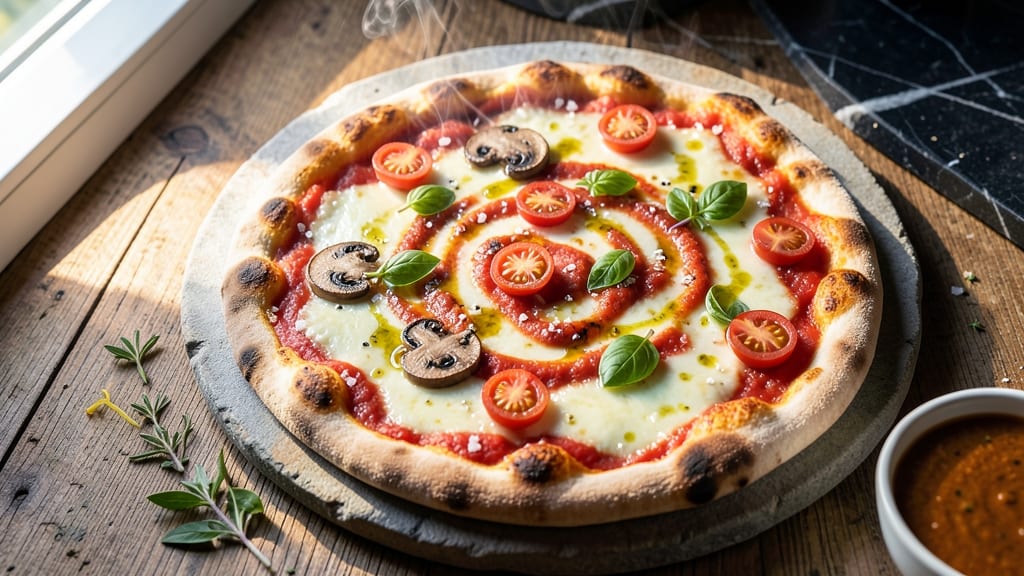
Atoria's flatbread pizza recipe delivers that perfect balance of chewy crust and melted cheese everyone craves. This isn't your typical thin-crust pizza—it's a thick, pillowy flatbread that bakes up with crisp edges and a tender center, holding toppings without falling apart.
The secret lies in the dough's hydration and a quick rise that develops just enough flavor without overworking the gluten.
What sets this recipe apart is the foolproof dough technique—no kneading required, just mix, rest, and roll. The dough stretches effortlessly into a thick, even circle that puffs beautifully in the oven, creating that signature Atoria-style texture.
Top it with your favorite sauce, cheese, and toppings, then bake until the cheese bubbles and the crust turns golden. It's the kind of pizza that makes you forget takeout exists.
This recipe is designed for restaurant-quality results at home, with a focus on simplicity and consistency. The dough can be made ahead and refrigerated, so you're never stuck without a quick meal.
Whether you're feeding a crowd or treating yourself to a solo dinner, the combination of chewy crust and gooey cheese will have everyone asking for seconds. Let's get started on creating your perfect flatbread pizza.
Once baked, the pizza emerges with a golden, slightly blistered crust that holds its shape while supporting the weight of melted cheese and toppings. The interior remains soft and pillowy, creating the ideal balance of textures in every bite.
Serve it warm, cut into squares, and enjoy the satisfaction of homemade pizza that rivals your favorite pizzeria. Here's how to make it happen.
Ingredients for atoria's flatbread pizza
Thirteen simple ingredients transform into Atoria's signature chewy crust and gooey cheese magic.
| Ingredient | Amount | Notes |
|---|---|---|
| All-Purpose Flour 🌾 | 3 ½ cups | Spooned and leveled, not packed |
| Active Dry Yeast 🍞 | ¼ tsp | Or 1 packet (2.25 tsp) |
| Granulated Sugar 🍚 | 1 tbsp | Feeds the yeast |
| Warm Water 💧 | 1 ¼ cups | 105-110°F (not boiling) |
| Olive Oil 🫒 | ½ cup | Extra-virgin preferred |
| Salt 🧂 | 1 ½ tsp | Diamond Crystal preferred |
| Pizza Sauce 🍅 | 1 cup | Store-bought or homemade |
| Mozzarella Cheese 🧀 | 1 ½ cups | Shredded, part-skim or whole-milk |
| Parmesan Cheese 🧀 | ½ cup | Freshly grated |
| Fresh Basil Leaves 🌿 | ¼ cup | Chopped, for garnish |
| Cornmeal 🌽 | 2 tbsp | For dusting pizza peel |
| Garlic Cloves 🧄 | 3 cloves | Minced, for sauce boost |
| Red Pepper Flakes 🌶️ | ½ tsp | Optional, for heat |
| Olive Oil 🫒 | 1 tbsp | For drizzling after baking |
The flour is non-negotiable for that signature chewy texture—King Arthur or Gold Medal are my go-tos, but any good all-purpose will work. Yeast can be tricky: if your kitchen's cold, warm the water to 110°F and let it sit for 5 minutes before mixing. Olive oil adds richness, but avocado oil works too if you're watching calories. For the cheese, low-moisture mozzarella is key—it melts better than fresh. Grab a block, shred it yourself, and store the rest for next time.
No pizza sauce on hand? Crushed tomatoes with garlic, olive oil, and a pinch of sugar work in a pinch. Fresh basil is ideal but dried oregano at half the amount gets the job done. Want extra flavor? Mix 1 tbsp tomato paste into the sauce—it intensifies the umami. The dough can be made ahead: refrigerate for up to 24 hours or freeze the dough ball for up to 1 month. Just let it come to room temp before rolling. For toppings, keep it simple: pepperoni, mushrooms, or just cheese all shine here.
Dough doubles best in a lightly oiled bowl covered with a damp towel—keeps it from drying out. Store leftover dough in an airtight container for up to 2 days or freeze for 3 months. The pizza sauce freezes well too, so make extra. Cheese gets sticky when melted, so use parchment paper under the pizza peel for easy transfer. Leftovers? Slice and reheat at 350°F for 10-12 minutes—they're even better the next day.
Why You'll Love This Recipe
- No-Yeast Panic: I swear by this dough—just flour, yeast, sugar, and warm water. No kneading, no waiting hours. Mix it, let it rise while you prep toppings, and boom: you’ve got a chewy, pillowy base in under an hour. (Yes, even when I forget to plan ahead.)
- Oil-Infused Crisp: That olive oil isn’t just for drizzling—it’s baked into the dough, giving every bite a buttery punch without tasting greasy. The edges get golden and crackly, while the center stays soft enough to fold like a napkin. Honestly, I’ve made store-bought crusts look sad next to this.
- Topping Freedom: Margherita? Sure. Meat lovers? Done. Even my picky teen devours it when I load it with mozzarella and honey. The flatbread’s neutral flavor lets toppings shine—so whether it’s a quick weeknight dinner or a showstopper for game day, it’s always the star.
- Leftovers That Don’t Suffer: Unlike crispy takeout pizza that turns soggy, these slices reheat like a dream—crispy again in 10 seconds under the broiler. I make a double batch on Sundays, freeze half, and still get applause when I pull them out later. Budget win, flavor win.
Step-by-step instructions for Atoria's flatbread pizza
Here's how to craft a perfectly chewy crust with irresistible melted cheese layers.
Activate the Yeast and Make the Dough
In a large bowl, whisk together the 1.25 cups warm water, 1 tbsp granulated sugar, and 0.25 tsp active dry yeast. Let it sit for 5-10 minutes until it becomes frothy—that's your signal the yeast is alive and ready to work. If it doesn't bubble, your yeast might be dead, and you'll need to start over.
Add the 3.5 cups all-purpose flour and 1.5 tsp salt to the bowl. Stir until a shaggy dough forms, then gradually drizzle in the 0.5 cup olive oil while mixing. Once combined, turn the dough out onto a lightly floured surface and knead for 8-10 minutes until smooth and elastic. You'll know it's ready when it springs back slightly when poked.
Let the Dough Rise for Perfect Texture
Place the dough in a lightly oiled bowl, cover it with a damp kitchen towel, and let it rise in a warm place for 1-2 hours, or until it has roughly doubled in size. I like to put it near a slightly warm oven with the light on—this creates the perfect cozy environment. Don't rush this step; proper rising time develops that signature chewy texture we're after.
After the dough rises, punch it down gently to release any air bubbles. This helps create a more compact dough that won't puff up too much during baking. Divide the dough into four equal pieces and let them rest for 10 minutes while you preheat your oven to 475°F. This resting period helps relax the gluten, making your flatbreads easier to roll out.
Prepare the Sauce and Cheese Mixture
In a small bowl, combine the 1 cup pizza sauce with the 3 minced garlic cloves and 0.5 tsp red pepper flakes (if using). Mix well and set aside. In another bowl, toss the 1.5 cups mozzarella cheese with the 0.5 cup freshly grated parmesan cheese. This combination gives you that perfect balance of creamy mozzarella and nutty parmesan in every bite.
While the oven preheats, sprinkle 2 tbsp cornmeal onto a baking sheet or pizza stone. This creates a barrier that prevents your flatbreads from sticking during baking. The cornmeal also adds a subtle crunch that complements the soft crust beautifully.
Assemble and Bake the Flatbread Pizzas
Roll out one piece of dough on a floured surface to about 1/8-inch thickness. Transfer it to the prepared baking sheet or pizza stone. Spread about 1/4 cup of the sauce mixture evenly over the dough, leaving a small border around the edges. Sprinkle about 1/4 of the cheese mixture over the sauce, then repeat with the remaining dough pieces.
Bake for 12-15 minutes until the crust is golden brown and the cheese is bubbly and beginning to brown. The edges should be slightly crispy while the center remains soft and chewy. If your oven runs hot, you might need to reduce the temperature to 450°F and bake for an extra minute or two.
Finish and Serve with Fresh Basil
Remove the pizzas from the oven and immediately drizzle each with 1 tbsp olive oil. This adds a beautiful sheen and enhances the flavors. Let them rest for 2-3 minutes, then sprinkle with the 0.25 cup chopped fresh basil leaves. The basil adds a bright, fresh contrast to the rich, cheesy flavors.
Slice each pizza into wedges and serve immediately while the crust is still warm and chewy. The combination of the crispy edges, soft center, and melted cheese creates the perfect balance in every bite. Enjoy your homemade Atoria-style flatbread pizzas with a side of marinara for dipping!
Pro Tips For Making Atoria'S Flatbread Pizza
- STRETCH THE DOUGH: Use a rolling pin to press the dough into a thin, even circle—about ¼-inch thick—before transferring it to your baking surface. I learned the hard way that skipping this step leaves you with a thick, chewy center that never quite crisps up, no matter how hot the oven gets.
- MEASURE WATER PRECISELY: The recipe calls for warm water, but "warm" is too vague—aim for 105–110°F (like a warm bath, not scalding). Too hot and you’ll kill the yeast; too cool and it won’t activate fully. I used to eyeball it and end up with dense, gummy dough every time.
- SALT THE WATER: Yes, even the yeast water needs a pinch of salt—about ½ teaspoon per cup of warm water. It balances the sugar and helps the yeast work efficiently. I was skeptical until I tried it: the dough rose faster and had a cleaner flavor.
- PREHEAT THE PAN: Cast iron or a pizza stone? Either way, get it screaming hot—500°F or higher—before adding the dough. Cold pans steal heat and leave you with soggy crust edges. I used to rush this, and the first few minutes of baking would always feel like a disappointment.
Best sauces and condiments for these flavors
Classic Marinara
Start with a simple yet flavorful marinara sauce made from 1 can (28 oz) San Marzano tomatoes, 3 cloves garlic (minced), 1 tbsp olive oil, 1 tsp dried oregano, ½ tsp red pepper flakes, and a pinch of salt.
Simmer for 20-25 minutes until thickened. The acidity cuts through the richness of the cheese, balancing every bite perfectly. 🍅
Garlic-White Sauce
For a creamy twist, blend 1 cup sour cream, ½ cup grated parmesan, 2 cloves roasted garlic, 1 tbsp lemon juice, and ½ tsp salt until smooth.
Spread a thin layer on the dough before adding cheese—this creates a tender, tangy base that pairs beautifully with mozzarella. It’s a game-changer for those who prefer a lighter sauce.
Pesto Swirl
Use ½ cup store-bought or homemade basil pesto (like Barilla or Sasso brands) and mix it with ¼ cup ricotta cheese to create a vibrant, herby swirl.
Dollop small spoonfuls over the flatbread before adding mozzarella. The bright, herby notes contrast the cheesy richness, making each bite feel fresh and dynamic.
Spicy Arrabbiata
Blend 1 can (14 oz) crushed tomatoes, 2 cloves garlic, 1 tbsp tomato paste, 1 tsp red pepper flakes, and ½ tsp chili flakes until smooth. Simmer for 15 minutes to intensify the heat.
This sauce adds a fiery kick that’s perfect for those who love bold flavors. Pair it with shredded fontina cheese for extra creaminess. 🌶️
Olive Oil & Herb Drizzle
Skip the sauce entirely and brush the rolled-out dough with 2 tbsp extra-virgin olive oil mixed with 1 tsp minced garlic and ½ tsp dried rosemary. Top with cheese and bake as usual.
The oil infuses the crust with rich, savory notes, while the herbs add an aromatic depth that stands up to the cheese.
Sweet & Tangy BBQ
Mix ½ cup BBQ sauce (like Sweet Baby Ray's) with ¼ cup sour cream to balance the sweetness. Spread it on the dough, then top with mozzarella and crumbled bacon.
Bake as usual, then finish with a sprinkle of green onions. The smoky-sweet sauce adds a fun, unexpected twist that kids and adults alike will love.
Nutrition facts
Frequently asked questions
Why does the dough need a second rest after punching it down?
This 10-minute rest relaxes the gluten strands, making the dough easier to roll out without tearing. It also helps create a more even texture in your flatbread, preventing uneven thickness that could lead to burnt spots or undercooked centers. Think of it as giving the dough a quick break before its final transformation!
Can I make this recipe without a pizza stone or baking sheet?
Use a cast-iron skillet preheated in the oven for 10 minutes before transferring the pizza. The skillet's heat retention creates that perfect crispy crust. Just dust it with cornmeal first to prevent sticking. Alternatively, a well-seasoned baking sheet works too—just watch the edges closely.
How do I fix dough that's too sticky to roll out?
Lightly dust your work surface with flour and your rolling pin with cornmeal. If it's still too sticky, wet your hands slightly and shape the dough into a ball before rolling. The dough should be 1/8-inch thick—if it's sticking too much, you may need to add 1-2 tablespoons more flour. Never over-flour, though, or your crust will turn tough.
What's the best way to reheat leftover flatbread pizza?
Slice the pizza and reheat at 350°F for 10-12 minutes on a baking sheet until the cheese is melted and the crust is crispy again. For extra crispiness, broil for 1-2 minutes at the end. Microwaving works in a pinch, but it makes the crust soggy—avoid it if possible. Leftovers taste even better reheated!
Can I make this recipe gluten-free?
Yes, but with adjustments! Use a 1:1 gluten-free flour blend (like Bob's Red Mill) and add 1 extra tablespoon of xanthan gum per cup of flour. You may also need to add 2-3 tablespoons extra water since gluten-free doughs are often drier. Let the dough rest 20 minutes** longer before rolling, as it's less elastic. The texture won't be identical, but it'll still be delicious!