
Desserts
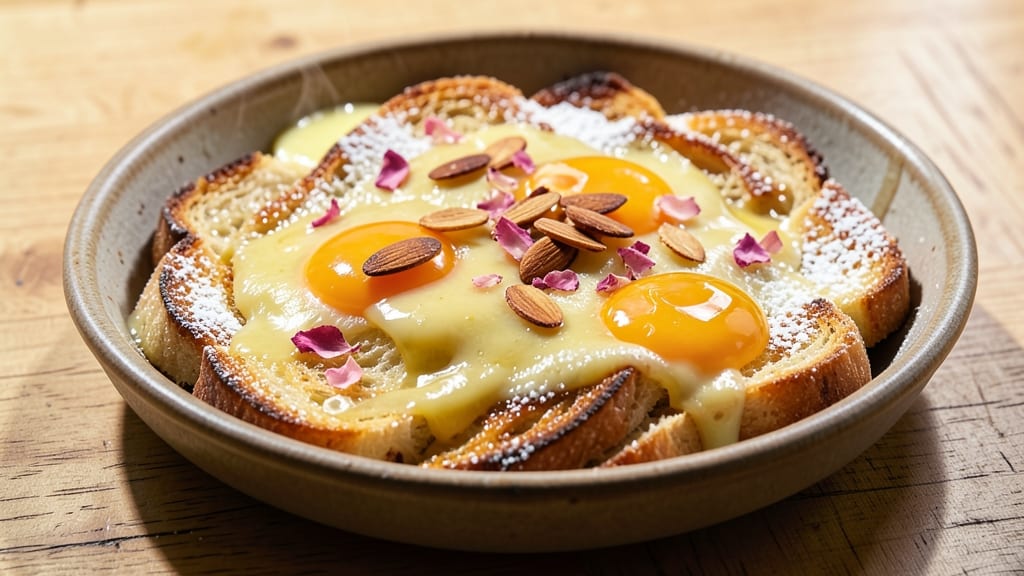
This Arabic bread pudding recipe brings the comforting flavors of the Middle East to your dessert table, where warm cardamom and cinnamon infuse every bite with nostalgic warmth. 💛 The secret lies in soaking stale bread with sweetened milk and egg custard, then baking until golden and fragrant—just like the puddings served at Arab cafés after dinner.
What makes this version special is the balance of traditional spices and simple ingredients, creating a dessert that feels both familiar and extraordinary.
The beauty of this recipe is in its adaptability—whether you're using day-old baguettes or Arabic khobz bread, the technique remains the same. Cardamom and cinnamon add depth, while a touch of rose water (optional but recommended) transports you to bustling souks.
The result is a dessert that's rich yet light, with a tender crumb and caramelized edges that make it impossible to resist.
Perfect for family gatherings or as a comforting weeknight treat, this bread pudding delivers restaurant-quality results with minimal effort. The custard soaks into the bread perfectly, creating a harmonious blend of textures and flavors.
Each bite offers a mix of creamy custard, spiced bread, and subtle floral notes—proof that homemade desserts can rival the best bakery creations.
Serve warm with a dusting of powdered sugar or a drizzle of honey for an authentic touch. This recipe scales beautifully, so you can easily adjust the size to feed a crowd or save leftovers for the next day. Let's create this timeless dessert together!
Ingredients for arabic bread pudding
Simple ingredients transform into a fragrant, cardamom-spiced dessert with Middle Eastern charm.
| Ingredient | Amount | Notes |
|---|---|---|
| Day-Old Baguette 🥖 | 8 pieces | Stale, crust removed, torn into chunks |
| Arabic Khobz Bread 🍞 | 8 pieces | Stale, torn into chunks (substitute for baguette) |
| Large Eggs 🥚 | 6 whole | Room temperature preferred |
| Whole Milk 🥛 | 3 cups | Full-fat for creaminess |
| Granulated Sugar 🍚 | 1 ½ cups | White or brown, packed |
| Unsalted Butter 🧈 | ½ cup | Melted, cooled slightly |
| Ground Cardamom 🌿 | 1 tbsp | Freshly ground preferred |
| Ground Cinnamon 🌶️ | 1 tsp | Sweet, aromatic variety |
| Vanilla Extract 💧 | 1 tsp | Pure, high-quality |
| Rose Water 🌹 | ½ tsp | Optional but recommended |
| Powdered Sugar 🍚 | ¼ cup | For dusting, plus more for garnish |
| Chopped Pistachios 🥜 | ¼ cup | Toasted, for garnish (optional) |
| Diamond Crystal Kosher Salt 🧂 | ½ tsp | For adjusting sweetness |
The bread is the heart of this pudding—day-old baguettes work perfectly, but Arabic khobz adds authentic texture. Look for stale loaves at your local bakery or use whatever you have on hand. Whole milk gives the best creaminess, but evaporated milk or half-and-half will work in a pinch. Cardamom is non-negotiable for that signature Middle Eastern warmth, so grab a small jar from the spice aisle—Penzeys or Trader Joe's carry good quality. If you can't find ground cardamom, crush whole pods between sheets of parchment paper for a fresher flavor.
No rose water? Skip it or use orange blossom water for a similar floral note. The sugar can be adjusted to taste—brown sugar adds subtle molasses notes if you prefer. For a richer version, replace half the milk with heavy cream. If you're short on time, pre-sliced baguette from the deli section works fine, but tearing it into chunks yourself gives better texture. The pistachios are optional but add beautiful color and crunch—Costco or bulk bins offer the best prices. Toast them quickly in a dry pan before adding to keep them fresh.
This pudding keeps beautifully for 3 days in the fridge, though it's best served warm. Reheat covered in a 350°F oven for about 15 minutes to restore that golden crust. For make-ahead convenience, assemble the pudding in a baking dish, cover with foil, and refrigerate overnight—bake straight from the fridge the next day. The flavors deepen as it sits, making leftovers even more delicious.
Why You'll Love This Recipe
- No Chopping Required: I swear by this trick—toss those stale baguette slices and khobz cubes straight into the milk without a single chop. The bread soaks up the liquid while you crack eggs and stir sugar, so minimal effort meets maximum reward.
- Caramelized Crust Magic: That golden, crispy top? It’s the secret weapon. The khobz’s chewy texture paired with the baguette’s airy crunch creates a contrast that’s ridiculously satisfying, especially when you pour a little extra milk over the top before baking.
- Breakfast or Dessert: Honestly, I make this for both—drizzle with honey for breakfast or dust with cinnamon sugar for dessert. It’s the ultimate crowd-pleaser when you’ve got guests over or need a quick, warm dish that feels special without the fuss.
- Leftovers? Better Than Fresh: Between us, the second day is when this bread pudding shines. The edges get even crispier, and the custard thickens into pure comfort. I always bake an extra portion because it disappears faster than I can reheat it.
Step-by-step instructions for cardamom-spiced bread pudding
Transforming stale bread into a fragrant, custardy dessert takes just a few simple steps.
👨🍳 Step 1: Prepare the Bread Base
In a large bowl, combine the 8 pieces day-old baguette and 8 pieces Arabic khobz bread, both torn into 1-inch chunks. The bread should be completely stale—this prevents a gummy texture. Arrange the chunks in an even layer on a baking sheet and broil for 3-4 minutes until lightly toasted and dry. This step is crucial for creating that perfect crispy exterior while maintaining a soft interior.
While the bread toasts, melt the 0.5 cup unsalted butter in a small saucepan over low heat until completely liquid. Remove from heat and let cool slightly—it should be warm but not hot when mixed with the eggs later. This butter will infuse the bread with rich flavor and help create a silky custard.
🍳 Step 2: Create the Custard Mixture
In a separate large bowl, whisk together the 6 whole large eggs, 3 cups whole milk, 1.5 cups granulated sugar, 1 tbsp ground cardamom, 1 tsp ground cinnamon, 1 tsp vanilla extract, and 0.5 tsp rose water until completely smooth. The mixture should be pale yellow with no visible streaks of egg. I like to use a whisk for this step—it incorporates air better than a fork, which helps create a lighter pudding texture.
Here's where the magic happens: Add the warm (but not hot) melted butter to the egg mixture and whisk vigorously for 1 minute. This step ensures the butter emulsifies properly, creating a velvety texture. If the mixture looks curdled, don't worry—it will smooth out when combined with the bread.
🥘 Step 3: Combine and Bake
Gently fold the toasted bread chunks into the custard mixture until every piece is thoroughly coated. The bread should absorb the custard but still maintain its shape—if it feels too dry, add 1-2 tablespoons of milk to loosen the mixture. Transfer everything to a 9x13-inch baking dish, pressing down lightly to help the bread settle evenly.
Bake at 350°F for 45-50 minutes until the top is golden brown and the center is just set (it should still have a slight wobble when gently shaken). The pudding is done when it springs back slowly when touched—this indicates it's fully set but still moist. If the edges brown too quickly, tent loosely with aluminum foil after 30 minutes to prevent over-browning.
🔥 Step 4: Finish and Serve
Remove the pudding from the oven and let it cool for 10 minutes before dusting with 0.25 cup powdered sugar and 0.25 cup toasted chopped pistachios. The cooling period allows the custard to thicken slightly and develop its signature creamy texture. I like to sprinkle the pistachios evenly across the top while the pudding is still warm—they'll stick better and add a delightful crunch.
For the perfect serving, cut into 6 equal squares (about 2x2 inches each) and serve warm. The exterior should be crispy and golden, while the interior remains soft and custardy with hints of cardamom and rose water. Pair with a scoop of vanilla ice cream or a dollop of whipped cream for an extra indulgent treat.
Pro Tips For Making Arabic Bread Pudding
- Soak the Bread Properly: Don’t just toss the bread in milk—cut the baguette and khobz into 1-inch cubes first, then pour enough warm milk to fully submerge them for at least 20 minutes. I learned this the hard way: dry bread soaks up liquid unevenly, leaving you with a soggy center and a dry crust. Let them sit until the milk is almost absorbed, then add a splash more if needed.
- Whisk Eggs Like a Pro: Beat the eggs until they’re pale yellow and thick enough to leave a faint trail when you lift the whisk. Over-mixing makes the pudding dense, but under-mixing means it won’t set right. Add the sugar gradually while whisking—this keeps it from clumping and ensures even sweetness throughout.
- Bake Until Golden, Not Just Set: The pudding’s done when the top is deep golden brown, not just jiggly in the center. I used to pull it out too soon, thinking it wasn’t quite ready, only to end up with a pale, gummy mess. Bake 5-10 minutes longer than you think, and resist the urge to peek—every time you open the oven, it loses heat and won’t brown properly.
- Toast the Bread First (Optional Upgrade): If you’re short on time or want extra crunch, lightly toast the bread cubes in a dry pan for 2-3 minutes before soaking. This cuts down on the total baking time and gives the pudding a nutty depth—my grandmother swore by this, and she was right. Just don’t over-toast, or the milk won’t penetrate the cubes.
Serving suggestions for this recipe
Warm Presentation
Serve this Arabic bread pudding warm straight from the oven for that perfect balance of crispy edges and creamy custard. I like to transfer the pudding to a serving platter and let it rest for 5 minutes to firm up slightly before cutting.
This ensures clean slices that hold their shape beautifully. Use a sharp 8-inch chef's knife to cut into 6 equal squares, about 2x2 inches each—this portion size feels generous yet elegant. 💛
Garnish Like a Pro
Finish each serving with a dusting of powdered sugar and a sprinkle of toasted pistachios for that authentic touch. For extra flair, drizzle with honey or date syrup (about 1 tbsp per serving) to enhance the Middle Eastern flavors.
If you're feeling adventurous, add a few drops of rose or orange blossom water to the syrup for a fragrant aroma. I also love garnishing with a pinch of ground cardamom on top—it adds a subtle pop of color and intensifies the spice.
Pair with Ice Cream
A scoop of vanilla bean ice cream or saffron ice cream cuts through the richness of the pudding beautifully. I recommend Häagen-Dazs vanilla or a high-quality homemade version for the best flavor.
For a lighter option, serve with a dollop of whipped cream infused with a hint of cardamom or rose water. The contrast between the warm pudding and cold ice cream creates a magical sensory experience—trust me, your guests will love it.
Coffee or Tea Pairing
Complement your dessert with a strong cup of Arabic coffee (like Turkish or Mocha coffee) or a fragrant mint tea. The bitterness of the coffee balances the sweetness of the pudding, while the mint tea adds a refreshing contrast.
For an extra special touch, serve the coffee in small dallah cups or traditional Arabic coffee pots. The ritual of sharing coffee with dessert is a cherished tradition in many Middle Eastern cultures, and it elevates the whole experience. 🌟
Make-Ahead Serving
This pudding actually tastes even better the next day! If you're prepping ahead, assemble the pudding in a baking dish, cover tightly with foil, and refrigerate overnight. When ready to serve, bake at 350°F for 20-25 minutes until warmed through and golden.
Reheat any leftovers in the oven or microwave (covered) for 1-2 minutes to restore that warm, comforting texture. The flavors deepen as it sits, making it perfect for meal prep or special occasions.
Family-Style Serving
For a cozy family gathering, serve the pudding in a large cast-iron skillet or baking dish right at the table. The rustic presentation adds to the homestyle charm of this dessert. Let everyone serve themselves, and encourage sharing—there's always a second helping!
Pair with a simple fruit compote (like pomegranate or apricot) to add a fresh, tangy contrast. The interactive element makes it feel like a special treat, even on a casual night in. 💡
Nutrition facts
Frequently asked questions
Can I use fresh bread instead of stale bread for this recipe?
The key to perfect texture is using completely stale bread—it absorbs the custard without becoming gummy. If you only have fresh bread, slice it thinly and toast it in the oven at 350°F for 10-15 minutes until completely dry. This mimics the effect of stale bread and prevents a soggy pudding.
What can I substitute if I don't have rose water?
Rose water adds that authentic floral note, but you can skip it entirely or use orange blossom water as a substitute. For a different flavor profile, try 1/2 teaspoon vanilla extract plus 1/4 teaspoon almond extract—it creates a sweet, nutty aroma. If you want to keep it simple, just omit it and rely on the cardamom and cinnamon for warmth.
How do I know when the bread pudding is fully cooked?
The pudding is done when the top is golden brown and the center has a slight wobble when gently shaken (like Jell-O). It should spring back slowly when touched—this means it's set but still creamy inside. For extra accuracy, use an instant-read thermometer: the center should reach 170°F. If the edges brown too quickly, tent with foil after 30 minutes.
Can I make this dessert without eggs?
Traditional Arabic bread pudding relies on eggs for structure, but you can make a vegan version using 6 tablespoons cornstarch or arrowroot powder mixed with 1 cup cold water to replace the eggs. Whisk this into the milk mixture before adding the bread. The texture will be slightly denser, but still delicious. For binding, add 1/2 cup silken tofu blended with the custard mixture.
Why did my pudding come out too dry?
Overbaking is usually the culprit—remove it when the center still has a slight wobble. Another common mistake is using too much bread relative to custard. For this recipe, the ratio should be 16 bread pieces to 6 eggs. If your oven runs hot, reduce temperature to 325°F and bake for 5-10 minutes longer. Always check for doneness at the lower end of the time range.