
Side Dishes
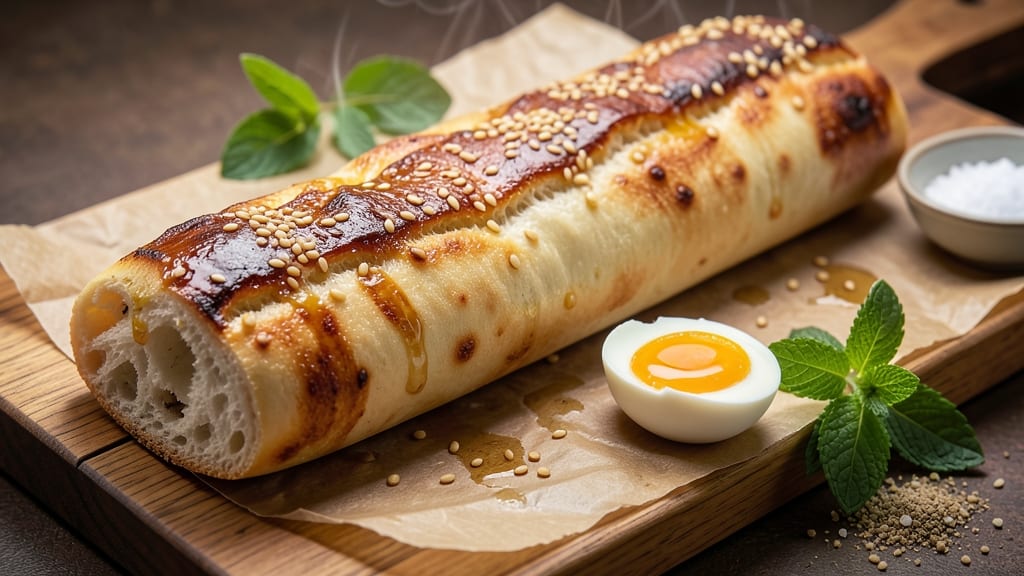
This Arabic shawarma bread recipe delivers the perfect balance of flaky layers and warm spice crunch that makes every bite irresistible. 🔥 The secret lies in a well-proofed dough infused with cumin and sesame seeds, baked to golden perfection for that signature texture.
Unlike store-bought flatbreads, this version stays soft inside while developing a crispy, aromatic crust that pairs beautifully with shawarma meat.
The dough is simple yet transformative—just flour, yeast, and a touch of sugar, combined with warm water and olive oil to create a tender base. The key to those signature flaky layers is folding the dough carefully during proofing, a technique that builds structure without sacrificing softness.
Whether you're serving it with shawarma, falafel, or hummus, this bread becomes the star of any Middle Eastern spread.
What sets this recipe apart is the way the spices—cumin, sesame, and a hint of paprika—infuse the dough, creating an aromatic crunch that complements the rich flavors of shawarma. The bread bakes in just 15 minutes, yielding a batch that stays fresh for days when stored properly.
It’s the kind of dish that transforms a simple meal into a cultural experience.
For extra authenticity, brush the baked bread with melted butter and sprinkle with extra sesame seeds before serving. This simple step adds depth and makes the bread even more irresistible. Ready to master the art of shawarma bread? Let’s get started.
Ingredients for arabic shawarma bread
Eight simple ingredients transform into aromatic, flaky shawarma bread with signature spice crunch.
| Ingredient | Amount | Notes |
|---|---|---|
| All-Purpose Flour 🌾 | 4 cups | High-protein preferred for flakiness |
| Active Dry Yeast 🍞 | ¼ tsp | Ensure it's fresh for best rise |
| Granulated Sugar 🍚 | 1 tbsp | Helps activate yeast quickly |
| Fine Sea Salt 🧂 | ¾ tsp | Kosher or Diamond Crystal preferred |
| Ground Cumin 🌿 | 1 ½ tsp | Toasted for deeper aroma |
| Sesame Seeds 🌰 | 2 tbsp | Toasted lightly before mixing |
| Smoked Paprika 🌶️ | ½ tsp | Adds subtle smoky depth |
| Extra-Virgin Olive Oil 🫒 | ½ cup | High-quality for flavor |
| Warm Water 💧 | 1 ¼ cups | 110°F for optimal yeast activation |
| Unsalted Butter 🧈 | 2 tbsp | Melted for brushing after baking |
| Sesame Seeds (extra) 🌰 | 1 tbsp | For final garnish before serving |
The flour is your foundation—King Arthur or Gold Medal work best for that signature flaky texture. Check the protein content on the package; aim for 11-12% for optimal results. Sesame seeds are non-negotiable here—they're what gives that signature crunch. Trader Joe's or Middle Eastern markets often have the best quality, but the regular grocery store kind works fine. The cumin should be freshly ground if possible, or buy it in small quantities from the spice aisle since it loses potency quickly. For the yeast, Bob's Red Mill or Fleischmann's are reliable brands that activate consistently.
No toasted sesame seeds? Lightly brown them in a dry pan for 2-3 minutes—just until fragrant. Running short on olive oil? Avocado oil works equally well. The warm water is crucial—too hot and you'll kill the yeast, too cold and it won't activate properly. Use a thermometer to hit that 110°F mark. For the smoked paprika, Penzeys or McCormick are solid choices, but any good-quality brand will do. The butter for brushing should be unsalted to let the spices shine, but if that's all you have, just reduce the added salt slightly. This dough is forgiving, but those spices are what make it sing—don't skip them.
This dough keeps beautifully in the fridge for up to 48 hours wrapped in plastic, or freeze the shaped dough balls for up to 3 months. For best texture, bake fresh from the fridge—just let it sit at room temperature for 30 minutes before proofing. The baked bread stays fresh for 2-3 days at room temperature wrapped in a clean kitchen towel. I always make a double batch—one for serving, one for freezing. The extra sesame seeds? Toast them fresh right before sprinkling for maximum crunch.
Why You'll Love This Recipe
- No-Knead Magic: I swear by this dough—just mix, let it rise, and forget it. The yeast does all the work while I sip tea, and that cumin? It infuses the whole loaf with warmth without overpowering.
- Crispy-Gold Perfection: That first bite—crust shattering, soft inside—is what makes it worth it. The sugar caramelizes just enough to give it a subtle sweetness, and the salt balances the cumin so it’s never too heavy.
- Shawarma’s Best Friend: Wrap it around chicken, falafel, or even just hummus and pickles. It’s the star of picnic spreads, late-night snacks, and even breakfast with a fried egg tucked inside. Honestly, I’ve lost track of how many ways I’ve used it.
- Pantry Staple Savings: Flour, yeast, salt—these are ingredients you already have. A batch makes six loaves, and they freeze beautifully. I bake a double batch every Sunday and pull them out all week. Budget-friendly? More like budget hero.
Step-by-step instructions for Arabic shawarma bread
Here's how to create those signature flaky layers with perfect spice crunch—every fold matters.
👨🍳 Step 1: Activate the Yeast and Mix the Dough
In a large mixing bowl, combine the 1.25 cups warm water (about 110°F) with the 1 tbsp granulated sugar and 0.25 tsp active dry yeast. Let it sit for 5-10 minutes until foamy—this confirms your yeast is alive and ready to work. If it doesn't foam, your yeast may be inactive.
In a separate bowl, whisk together the 4 cups all-purpose flour, 1.5 tsp ground cumin, 0.5 tsp smoked paprika, 0.75 tsp fine sea salt, and the 2 tbsp toasted sesame seeds. Create a well in the center and pour in the yeast mixture along with the 0.5 cup extra-virgin olive oil. Mix with a wooden spoon until a shaggy dough forms.
🥘 Step 2: Knead Until Silky and Elastic
Turn the dough onto a lightly floured surface and knead for 8-10 minutes until smooth and elastic. You'll know it's ready when it springs back slowly when pressed. This step develops gluten, which creates those signature flaky layers—don't rush it.
Real talk: if the dough feels sticky, add flour 1 tablespoon at a time until it comes together cleanly. Wrap the dough in plastic wrap and let it rest at room temperature for 1 hour or until doubled in size. This resting period relaxes the gluten for easier folding later.
🔪 Step 3: Fold and Shape for Maximum Flakiness
Punch down the rested dough and divide it into 8 equal portions (about 6 ounces each). Roll each portion into a 12-inch long, ½-inch thick rectangle. This is where the magic happens—fold each rectangle into thirds like a letter, then roll it out again to 12 inches long and ½-inch thick.
Repeat this fold-and-roll process 2 more times for each dough piece. Each fold creates multiple thin layers that will separate beautifully when baked. I press down gently on the folded dough during the first minute—this prevents it from curling and ensures even contact with the pan.
🔥 Step 4: Proof and Bake to Golden Perfection
Place the shaped dough pieces on a parchment-lined baking sheet, leaving 2 inches between them. Cover with a clean kitchen towel and let them proof for 30-45 minutes until they've puffed up noticeably. You'll see the edges start to round—that's your signal they're ready.
Preheat your oven to 375°F. Brush the tops of the dough pieces with melted 2 tbsp unsalted butter and sprinkle with the 1 tbsp extra sesame seeds. Bake for 15-18 minutes until the tops are golden brown and the internal temperature reaches 190°F. The bread should sound hollow when tapped on the bottom.
⏰ Step 5: Rest and Serve Warm
Transfer the baked bread to a wire rack and let them cool for 5 minutes before serving. This resting period allows the layers to set properly and prevents them from falling apart when sliced. The bread should have a crispy exterior with those signature flaky layers inside—each bite should deliver a perfect balance of texture and warm spice notes.
For serving, slice each loaf diagonally into ½-inch thick pieces. The layers should separate cleanly, revealing the beautiful texture that makes shawarma bread so special. Store any leftovers in an airtight container for up to 2 days—they reheat beautifully in a 350°F oven for 5-7 minutes.
Pro Tips For Making Arabic Shawarma Bread
- STRETCH THE DOUGH: I learned this the hard way—skipping the extra stretch in the final knead makes the bread dense and chewy. After the first rise, slap the dough onto a lightly floured surface and stretch it into a rough rectangle three times, folding it like a letter each time. The gluten aligns better, giving you that signature shawarma bread flakiness.
- SALT THE WATER: Your yeast will thank you if you dissolve the salt with the sugar in the warm water, not after. I used to add it later, and the yeast would fizz weakly—turns out, salt slows fermentation, so giving it time to dissolve first keeps the rise consistent. (Yes, even if you’re impatient like me.)
- DON’T OVERMIX THE CUMIN: This isn’t curry—ground cumin burns fast. Once you fold it into the dough, mix just until it disappears. Overdo it, and you’ll end up with a bitter, gray-tinged dough that smells like a spice shop, not shawarma. A light hand keeps the flavor bright.
- USE A PARCHMENT SLING: Forget greasing the bowl—cut a large sheet of parchment, fold it into a loose pouch, and place it inside the mixing bowl. After the first rise, just lift the dough out without sticking. I skip this when I’m lazy, but the dough is noticeably easier to handle, and the parchment saves cleanup. (Your future self will thank you.)
Make-ahead tips for this arabic shawarma bread
Dough Prep Ahead
Mix the dough up to 24 hours ahead and refrigerate it in an airtight container. The cold slows fermentation, giving you more control over proofing later. When ready to bake, let the cold dough sit at room temperature for 1 hour before shaping—this prevents overproofing.
I always make a double batch on Sundays so I have fresh bread ready for shawarma nights all week. 💫
Frozen Dough Balls
Shape the dough into balls and freeze them on a parchment-lined tray for 1 hour, then transfer to a freezer bag for up to 3 months. When you're ready to bake, thaw the frozen dough balls in the fridge overnight.
This method preserves the gluten structure perfectly, so your bread still gets those beautiful flaky layers. Just add 10 extra minutes to your proofing time after thawing. ❄️
Proofing Shortcuts
Short on time? Use the oven method for proofing: place the shaped dough on a baking sheet and turn your oven on to 200°F with the light on (no heat). Proof for 45-60 minutes—the light provides gentle warmth without overcooking.
This works especially well when you're baking right after shaping. I've used this trick when hosting dinner parties to save precious minutes. 🔥
Baked Bread Storage
Let baked bread cool completely before storing in an airtight container with a damp paper towel to maintain softness. At room temperature, it stays fresh for 2-3 days. For longer storage, freeze sliced bread in a single layer before bagging—this prevents soggy layers when reheating.
To revive, warm slices in a 350°F oven for 3-5 minutes until crispy again. 💡
Freezer-Friendly Baking
Bake the bread from frozen by adding 5 extra minutes to your baking time. The dough will rise slightly during baking, so don't overcrowd the pan. I've found that frozen bread develops a slightly crispier exterior, which some people actually prefer for serving with shawarma.
Just brush with extra butter after baking for maximum flavor impact. 🥖
Make-Ahead Serving Prep
Slice the bread and store in an airtight container with parchment paper between layers. This prevents sticking and keeps the layers separated for that signature presentation. When ready to serve, warm slices in a 375°F oven for 2 minutes—just enough to restore crispness without drying them out.
I always prep the bread this way when hosting, so guests can assemble their own shawarma wraps right at the table. ✨
Nutrition facts
Frequently asked questions
Why does this bread need to be folded multiple times?
Those folds create the signature flaky layers! Each fold builds multiple thin dough sheets that separate beautifully when baked, giving you that perfect texture. The more folds (up to 3), the more layers you'll get—just don't overwork the dough or it'll get tough.
Can I make this bread without sesame seeds?
While sesame seeds add that signature crunch and aroma, you can substitute with poppy seeds or toasted nigella seeds for a similar texture. Just reduce other seeds by 1 tbsp to maintain balance. The flavor will be different but still delicious!
How do I fix dough that didn't rise properly?
If your dough didn't double in size, it might be underproofed. Let it rest 30 more minutes covered with a warm towel. For overproofed dough (sunken center), reshape it quickly and bake immediately at 400°F for 12-15 minutes—the extra heat helps set the structure.
What's the best way to reheat leftover shawarma bread?
Wrap slices in foil and warm in a 350°F oven for 3-5 minutes to restore crispness. For extra flavor, brush with melted butter before reheating. A quick 10-second zap in the microwave works in a pinch, but oven reheating preserves the layers best.
Can I use this bread for other Middle Eastern dishes?
This versatile bread works perfectly with falafel, hummus, gyros, or even as a side for kebab. The flaky texture holds up to fillings while adding that warm spice crunch. Just slice it slightly thicker for heartier sandwiches.