
Breakfast & Brunch
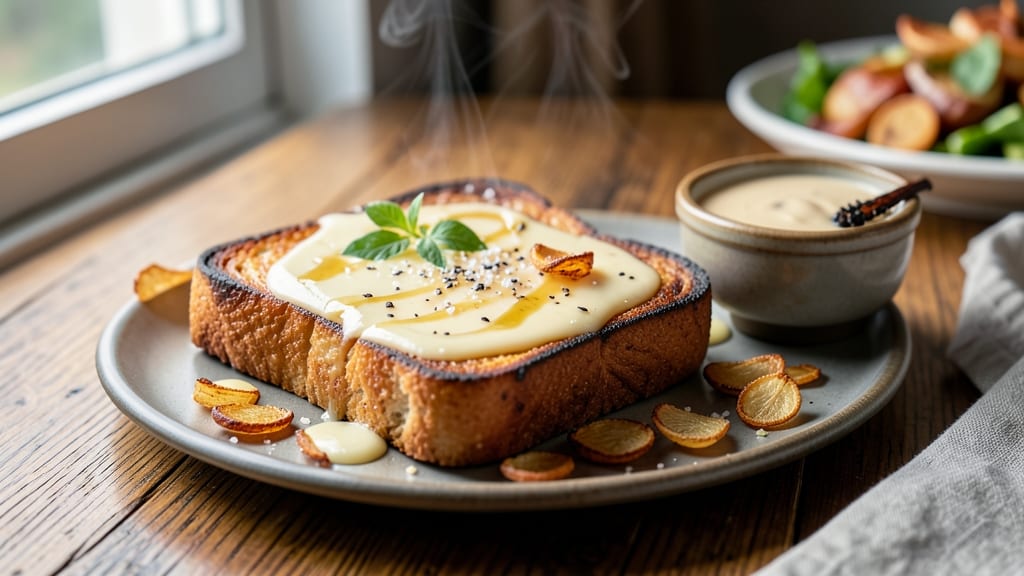
This artisan bread French toast recipe transforms stale loaves into golden, crispy-crusted masterpieces with a custardy interior—no one will believe it's made from yesterday's bread. The secret lies in a vanilla bean-infused custard that soaks into every nook, creating that signature restaurant-quality texture. I've perfected this technique after years of trial and error, ensuring the exterior stays shatteringly crisp while the center remains velvety soft.
What sets this recipe apart is the balance of simplicity and luxury—just a few pantry staples elevate ordinary bread into something extraordinary. The custard mixture, enriched with eggs and milk, absorbs perfectly into the bread's texture, while a hot skillet delivers that coveted caramelized crust.
This method works with any artisan loaf, from sourdough to brioche, making it versatile enough for breakfast or brunch.
The result is a dish that's both indulgent and impressive, with each bite offering a perfect harmony of crispy edges and custardy centers. Topped with powdered sugar, fresh berries, or a drizzle of maple syrup, it becomes a showstopper that's surprisingly easy to achieve.
Whether you're serving a crowd or treating yourself to a special morning, this recipe delivers restaurant-quality results at home.
For those craving modern twists, consider adding a matcha-infused custard or bourbon caramel drizzle—both elevate the classic while keeping the technique foolproof. Here's how to make it perfectly every time.
Ingredients for artisan bread french toast
Transform ordinary bread into restaurant-quality French toast with these essential ingredients.
| Ingredient | Amount | Notes |
|---|---|---|
| Artisan Bread Loaf 🍞 | 1 whole | Stale or day-old preferred |
| Large Eggs 🥚 | 6 whole | Room temperature for best blend |
| Whole Milk 🥛 | 1 ½ cups | Full-fat for creamiest custard |
| Vanilla Bean 🌿 | 1 whole | Scraped seeds plus pod |
| Granulated Sugar 🍚 | ½ cup | Fine grain preferred |
| Unsalted Butter 🧈 | ½ cup | Cold, cubed for even melting |
| Diamond Crystal Kosher Salt 🧂 | ½ tsp | Adjusts to taste |
| Ground Black Pepper 🌶️ | ¼ tsp | Freshly cracked preferred |
| Powdered Sugar 🍚 | ¼ cup | Confectioners' sugar |
| Fresh Berries 🍓 | 1 ½ cups | Sliced strawberries or raspberries |
| Pure Maple Syrup 🍯 | ¼ cup | Grade A for delicate flavor |
The vanilla bean is non-negotiable here—Madagascar Bourbon delivers the deepest flavor, but any quality bean works. Trader Joe's and specialty grocers carry excellent options, or split one bean for multiple uses. The artisan bread should be slightly stale (day-old works perfectly) for maximum custard absorption. Sourdough or brioche loaves hold up best to the frying process, but any crusty bread will work. For the custard, whole milk creates a richer texture—skip skim milk, as it produces a thinner, less luxurious result. The eggs should be at room temperature to blend seamlessly with the milk and sugar.
No vanilla bean? Pure vanilla extract at half the volume works in a pinch, though the flavor won't be as complex. Substituting almond milk for whole milk reduces richness but keeps the dish vegan-friendly (though the texture will differ). For the powdered sugar, ensure it's 100% pure cane sugar—some brands contain cornstarch fillers that alter the texture. The maple syrup should be Grade A for its delicate flavor profile; Grade B is too robust for this application. If you're short on time, pre-sliced bread (about 1-inch thick slices) ensures even cooking, while thicker slices yield a more rustic presentation.
Store the vanilla bean in the freezer to extend its life for up to 1 year. The powdered sugar keeps indefinitely in an airtight container, while fresh berries last 3-4 days in the fridge. For make-ahead convenience, prepare the custard mixture up to 1 day ahead and refrigerate—bring it to room temperature before dipping the bread. Leftover French toast reheats beautifully in a 350°F oven for 10-15 minutes, regaining its crispy exterior. Portion the maple syrup into small jars for easy drizzling at the table.
Why You'll Love This Recipe
- No Stale Bread Wasted: I swear by this trick—toss that slightly dried-out artisan loaf into the mix. The crust soaks up the egg-milk vanilla bath like a sponge, turning what would’ve been toast crumbs into something golden and irresistible. (Yes, even the ends get love.)
- Vanilla-Kissed Crisp: That split vanilla bean isn’t just for show—it infuses the custard with a warm, floral depth that makes every bite feel like a little indulgence. The sugar caramelizes just enough to give you that perfect balance of sweet and toasty, with a crisp edge that holds up to syrup or berries.
- Weeknight Crowd-Pleaser: This feeds four in under 20 minutes, and honestly? My picky teenager and my 80-year-old aunt both fight over the last slice. Serve it for breakfast, dessert, or even a lazy Sunday brunch—no one questions why you’re making French toast at 11 AM.
- Leftovers? Better Than Fresh: Between us, the second day is often the best. The bread firms up just enough to hold its shape, and reheating it in the oven with a drizzle of maple turns it into crispy, custardy perfection. Plus, it’s cheaper than takeout and way more impressive.
Step-by-step instructions for artisan bread French toast
Transform your stale artisan loaf into golden, crispy-edged perfection with this refined technique.
Prepare the Vanilla Bean Infusion
Split the whole vanilla bean lengthwise with a sharp knife and scrape out the seeds using the back of the knife. Place both the seeds and the empty pod into the 1.5 cups whole milk in a small saucepan. Heat over medium-low heat until the milk reaches 170°F—just before simmering. Remove from heat and let steep for 15 minutes to infuse the milk with deep vanilla flavor. This step ensures your custard has that luxurious, aromatic quality that sets this recipe apart from ordinary French toast.
While the milk infuses, whisk together the 6 whole large eggs, 0.5 cup granulated sugar, 0.5 tsp Diamond Crystal kosher salt, and 0.25 tsp ground black pepper in a large shallow bowl. The sugar should dissolve completely, creating a smooth batter that will soak into the bread's crumb. I always use room-temperature eggs for the best emulsification—they blend more smoothly and create a lighter custard.
Cut and Soak the Artisan Bread
Slice the 1 whole artisan bread loaf into ½-inch thick slices, cutting parallel to the crust for even thickness. For a rustic presentation, leave the crusts on—this adds texture and prevents the slices from becoming too soft. Arrange the slices in a single layer in the egg mixture, ensuring each side gets fully coated. Let them soak for 30 seconds per side, flipping carefully to saturate both sides completely. The bread should feel heavy but not soggy—this ensures a crispy exterior while maintaining a tender interior.
Here's the thing—artisan bread has a tighter crumb than standard bread, so it requires slightly longer soaking. If your slices aren't absorbing the custard quickly enough, gently press them down with a spatula to help the mixture penetrate. Don't rush this step; proper soaking is what creates that signature custardy center we're after.
Cook to Crispy Perfection
Heat 0.5 cup unsalted butter in a large skillet over medium heat until it melts completely and begins to foam. The butter should be hot enough to sizzle gently when you add the first slice of bread—this is your signal that it's ready. Working in batches to avoid overcrowding, add the soaked bread slices and cook for 2-3 minutes per side until they develop a deep golden brown crust with caramelized edges. Real talk: this is where the magic happens. The butter's fat content creates that irresistible crispiness while the residual heat from the pan finishes cooking the custard inside.
Don't walk away during this step. You'll know it's ready when the edges are golden brown and the underside releases easily from the pan. If you notice the butter burning before the bread is done, reduce the heat slightly—you want the butter to bubble but not smoke. The smell of caramelizing butter and vanilla will fill your kitchen, signaling success.
Assemble and Serve Immediately
Transfer the cooked French toast to a wire rack to drain any excess butter, then dust generously with 0.25 cup powdered sugar while still warm. The powdered sugar will melt slightly from the residual heat, creating a delicate, sweet coating. Arrange the slices on a serving platter and top with 1.5 cups fresh berries and 0.25 cup pure maple syrup. The berries add freshness to cut through the richness, while the maple syrup provides a natural sweetness that complements the vanilla infusion.
Serve immediately while the French toast is still warm and crispy. The contrast between the crisp exterior and creamy interior is what makes this recipe truly special. Each bite should deliver that perfect balance of textures—crunchy crust, custardy center, and a touch of sweetness from the berries and syrup. This isn't just breakfast; it's an experience that transforms ordinary bread into something extraordinary.
Pro Tips For Making Artisan Bread French Toast
- SOAK THE BREAD LONGER: Artisan bread stays dense if you rush this—give it 15-20 minutes in the egg-milk mix, flipping once halfway. I learned this the hard way when my first batch came out like a brick. The crust needs time to soften, not just the outside.
- USE ROOM-TEMP EGG MILK: Cold eggs and milk make for a sluggish batter. Whisk them together 10 minutes before dipping so the vanilla fully blooms and the mixture coats the bread evenly. Yes, even if you’re impatient like me—this makes a real difference.
- COOK LOW AND SLOW: High heat burns the outside before the center cooks. Medium-low is your friend here—golden edges take 2-3 minutes per side, not 90 seconds. I was skeptical until I tried it; the texture is actually better when you resist the urge to rush.
- SCRUB THE CRUST FIRST: Skip the crust, skip the flavor. Use a damp towel to wipe off the hard exterior of the artisan loaf before slicing—it soaks up more custard and gives you that perfect chewy bite. This isn’t the prettiest method, but it’s the tastiest.
Regional styles of this dish
French Toast in France
In France, this dish is called pain perdu—literally "lost bread"—and takes on a lighter, more delicate form than its American counterpart.
The French version uses a thinner egg-milk mixture (often with a splash of Cognac or Grand Marnier) and cooks the bread in clarified butter for a crispier, less greasy result.
I love how they serve it with orange zest and a dusting of powdered sugar, creating a bright, citrusy contrast that cuts through the richness. 🍊
Southern U.S. Style
Down South, French toast becomes a hearty, buttery indulgence—think brioche or cornbread soaked in a custard spiked with bourbon or pecan pie spice. The Southern approach emphasizes thick slices (almost like a pancake) and a generous drizzle of maple syrup or honey.
I once made a version with sausage crumbles mixed into the custard—trust me, it’s a game-changer for breakfast lovers who crave savory-sweet flavors. 🥓
Italian Frittata al Forno
Italy transforms French toast into frittata al forno, a baked version where bread cubes are mixed into a ricotta and egg batter, then baked until golden. The Italians often add rosemary, garlic, and Pecorino Romano for a savory twist.
This method is perfect for feeding a crowd—just arrange the bread cubes in a baking dish, pour the custard over them, and bake at 375°F for 25-30 minutes. It’s like a cross between French toast and a frittata! 🧀
German Brotpudding
Germany’s Brotpudding is a steamed, custardy bread pudding that’s essentially French toast’s more decadent cousin. The Germans soak stale rye or pumpernickel bread in a milk, egg, and raisin mixture, then steam it until set.
Top it with caramelized onions or applesauce for a comforting, spiced flavor. I’ve made this version with cinnamon and cardamom—it’s like dessert for breakfast! 🍏
Japanese Pan Puri Twist
For a fusion take, try a Japanese-inspired version using shokupan (milk bread) soaked in a matcha-infused custard and pan-fried until crispy. The matcha adds an earthy sweetness that pairs perfectly with red bean paste or kinako (roasted soybean flour).
This is a fantastic way to incorporate Japanese flavors into a classic dish—just be sure to use high-quality matcha powder for the best results. 🍵
Scandinavian Cardamom Version
In Scandinavia, French toast often includes cardamom and lingonberry jam for a bright, aromatic twist. The custard is sometimes thickened with cornstarch for extra stability, and the bread is often rye or whole wheat.
Serve it with whipped cream and a sprinkle of cinnamon sugar for a cozy, wintery breakfast. This version feels like a warm hug on a chilly morning! ❄️
Nutrition facts
Frequently asked questions
Can I use fresh artisan bread instead of stale?
Fresh bread works, but stale bread absorbs the custard better for that signature custardy center. If using fresh, cut slices ¼-inch thick and soak for 45 seconds per side—just long enough to coat without oversaturating. For best texture, let fresh slices sit at room temperature for 30 minutes before dipping to mimic stale bread's dryness.
Why is my French toast soggy instead of crispy?
Sogginess usually means one of two things: over-soaking the bread or undercooking it. Soak slices for exactly 30 seconds per side (no longer!) and cook in medium heat butter until edges are golden brown (2-3 minutes per side). Overcrowding the pan also steams the bread instead of crisping it—work in batches of 2 slices max.
What's the best bread for this recipe?
Any artisan loaf works, but brioche (rich and buttery) or sourdough (tangy and sturdy) are ideal. Avoid overly dense breads like rye—they won't absorb the custard well. For a lighter texture, try challah or baguette, while cinnamon swirl adds natural sweetness. The key is a tight crumb that holds up to frying.
Can I make this ahead of time?
Cooked French toast is best served immediately, but you can prep ahead: make the custard mixture up to 1 day ahead and refrigerate. For make-ahead serving, cook the slices just before eating and reheat in a 350°F oven for 5-7 minutes to restore crispiness. The custard flavor improves overnight, but texture suffers if reheated incorrectly.
How do I fix burnt butter without ruining the bread?
If the butter burns before the bread crisps, immediately remove the pan from heat and let it cool for 2 minutes. The bread will finish cooking from residual heat. For next time, use medium heat and watch for gentle bubbling—never smoking. If the bread is undercooked, return it to the pan with 1 tsp fresh butter and cook 30 seconds per side until golden.