
Side Dishes
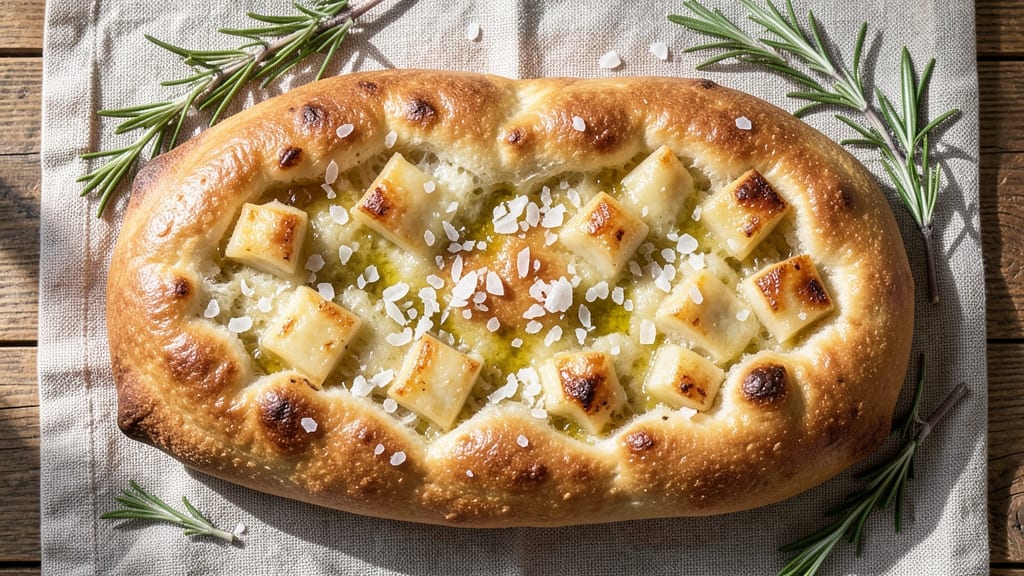
This Asiago focaccia bread recipe delivers golden, olive-studded crusts with pockets of melted cheese that pull apart at the touch—perfect for soaking up soups or serving as an elegant side. 💛 The secret lies in a simple dough enriched with Asiago cheese from the start, creating tender crumb and irresistible pull-apart texture.
Unlike traditional focaccia, this version incorporates cheese throughout, ensuring every bite delivers that creamy, nutty flavor.
The dough comes together in just 10 minutes of mixing, then rests while you prepare the olive topping—a mix of kalamata olives, coarse salt, and fresh rosemary that creates pockets of briny, aromatic contrast.
Baking at 425°F for 20-25 minutes yields a crust that's crisp yet tender, with a golden-brown hue that makes it look as good as it tastes.
What sets this apart is the Asiago's ability to melt into gooey pockets while maintaining structure—no soggy bread here. The result is a loaf that's substantial enough to serve as a main (with a drizzle of olive oil) or light enough to pair with salads and soups.
The aroma alone—warm bread, melted cheese, and rosemary—will have everyone at the table asking for seconds.
For extra indulgence, sprinkle additional Asiago on top before baking or add sun-dried tomatoes for a burst of acidity. Once cooled, slice into thick pieces to showcase those perfect cheese pockets. This focaccia proves you don't need fancy ingredients—just good technique and a little patience—for restaurant-quality results at home.
Ingredients for asiago focaccia bread
Eight simple ingredients transform into golden focaccia with melty Asiago pockets and briny olives.
| Ingredient | Amount | Notes |
|---|---|---|
| All-Purpose Flour 🌾 | 4 cups | Unbleached preferred for texture |
| Active Dry Yeast 🍞 | ¼ oz | Or 2.25 tsp for accuracy |
| Granulated Sugar 🍚 | 1 tbsp | Feeds yeast, not for sweetness |
| Instant Espresso Powder ☕ | 1 tsp | Enhances flavor, optional |
| Diamond Crystal Kosher Salt 🧂 | 1 ½ tsp | Adjusts to taste later |
| Extra-Virgin Olive Oil 🫒 | ¾ cup | High quality, fruity |
| Warm Water 💧 | 1 ¼ cups | 110°F ideal temperature |
| Shredded Asiago Cheese 🧀 | 1 ½ cups | Freshly grated preferred |
| Whole Milk 🥛 | ¼ cup | Full-fat for richness |
| Kalamata Olives 🫒 | ½ cup | Pitted, sliced into strips |
| Fresh Rosemary 🌿 | ¼ cup | Chopped, stems removed |
| Flaky Sea Salt 🧂 | 1 tbsp | For final topping |
The Asiago cheese is non-negotiable here—block form melts best, not pre-shredded. Whole Foods or Trader Joe's carry excellent options, or grab a wedge from the deli counter. Freshly grated means no clumps or additives. The olive oil should be extra-virgin—anything else tastes flat. For the yeast, Bob's Red Mill active dry is my go-to, but check the expiration date. If it smells off, toss it. The rosemary? Fresh is worth it—dried just can't match the aroma, but if that's all you've got, use twice the amount.
No Asiago? Parmigiano-Reggiano works in a pinch, though it's less nutty. Short on olives? Sun-dried tomatoes add acidity or skip them entirely. The espresso powder is optional but deepens the bread's complexity—instant coffee works too. For a lighter texture, replace half the milk with unsweetened almond milk. The flour matters—King Arthur or Gold Medal brands yield the best results. If you're gluten-sensitive, swap for a 1:1 gluten-free flour blend but expect a denser texture.
This dough doubles in size during proofing, so don't overfill your pan. Grease it well with olive oil—focaccia sticks if you're not careful. The cheese pockets form as it bakes, so don't press too hard when dimpling. Store leftovers at room temperature for 2 days or freeze for 3 months. To reheat, wrap in foil and warm at 350°F for 5-10 minutes. The flavor actually improves overnight once all the aromas meld together.
Why You'll Love This Recipe
- No-Knead Magic: I swear by this—just mix, let it rise, and bake. The yeast does all the work while you sip coffee (thanks to that instant espresso powder), and the dough practically falls into place.
- Melty Cheese Bliss: That first pull-apart bite? Warm, salty asiago stretching into crispy edges—it’s the kind of bread that makes you pause mid-slice. The espresso powder even deepens the richness, like a secret hug in every bite.
- Weeknight Superstar: Toss it in a basket for breakfast, tear it over salads, or use it to soak up pasta sauce. It’s my go-to for lazy dinners or when I need something hearty without the fuss.
- Budget-Friendly Stretch: A single batch feeds my family for days—sandwiches, toast, or even crumbled over soups. And with just flour, yeast, and a few pantry staples, it’s one of those recipes that always delivers without breaking the bank.
Step-by-step instructions for Asiago focaccia bread
Here's how to create a golden crust with melty cheese pockets—every step ensures perfect texture and flavor.
👨🍳 Step 1: Activate the Yeast and Mix the Dough
In a large bowl, combine the 1.25 cups warm water (around 110°F—test by dipping your finger in; it should feel warm but not hot), 1 tbsp granulated sugar, 1 tsp instant espresso powder, and 0.25 oz active dry yeast. Let this sit for 5-10 minutes until foamy. If it doesn't foam, your yeast may be inactive—start over with fresh yeast.
Add the 4 cups all-purpose flour and 1.5 tsp Diamond Crystal kosher salt to the bowl. Mix with a wooden spoon until a shaggy dough forms. Then drizzle in the 0.75 cup extra-virgin olive oil and 0.25 cup whole milk, mixing until fully incorporated. The dough should be soft but not sticky—if it's too dry, add 1 tsp warm water; if too sticky, sprinkle in 1 tbsp flour.
🥘 Step 2: Knead and Let the Dough Rise
Turn the dough onto a lightly floured surface and knead for 5-7 minutes until smooth and elastic. You'll know it's ready when it springs back slowly when poked. Place the dough in a lightly oiled bowl, cover with a damp towel, and let it rise in a warm place for 1-2 hours, or until doubled in size. A good test: poke the dough gently—if it leaves a slow-moving indent, it's ready.
While the dough rises, preheat your oven to 425°F. Line a 9x13-inch baking pan with parchment paper, leaving an overhang on the sides for easy removal later. This step is critical—parchment prevents sticking and makes cleanup effortless.
🍳 Step 3: Shape and Add Toppings
Once the dough has risen, gently press it into the prepared pan, stretching it to fit the edges. Use your fingers to create dimples all over the surface—this helps the cheese pockets form and creates that classic focaccia texture. Press down firmly but not so hard that you deflate the dough.
Evenly distribute the 1.5 cups shredded Asiago cheese, 0.5 cup sliced Kalamata olives, and 0.25 cup chopped fresh rosemary over the dough. Press them in lightly so they adhere. The cheese should melt into gooey pockets, while the olives and rosemary add bursts of flavor and texture.
🔥 Step 4: Bake to Golden Perfection
Bake the focaccia for 25-30 minutes until the edges are deep golden brown and the top is crispy. The cheese should be bubbling and slightly browned in spots. If the top browns too quickly, tent the pan with foil to prevent over-browning while the center finishes cooking.
Remove the focaccia from the oven and immediately sprinkle with 1 tbsp flaky sea salt. Let it cool in the pan for 10 minutes before transferring to a wire rack. The residual heat will help the cheese melt further and create those irresistible pockets. Serve warm for the best experience—each bite should deliver crispy crust, melty cheese, and briny olives.
Pro Tips For Making Asiago Focaccia Bread
- Bloom the Yeast Properly: Mix the yeast, sugar, and warm water first—don’t skip this step. The espresso powder goes in after the yeast blooms (about 5-7 minutes), or you’ll kill the yeast with bitterness. I learned this the hard way when my first batch smelled like burnt coffee.
- Measure Salt Precisely: Diamond Crystal kosher salt is not the same as table salt—use exactly what the recipe says. Too much, and your dough will fight you; too little, and the flavor won’t pop. My grandmother’s trick: Pack the salt into the measuring spoon and level it off. No guesswork.
- Don’t Overwork the Dough: Once you add flour, stop mixing the second the dough clumps together. Over-kneading develops gluten, and this focaccia needs a tender, airy crumb—not a chewy loaf. I used to punch it down like sourdough, and the texture suffered. Let the yeast do the work.
- Preheat Pan and Oven: Cast iron or a heavy baking sheet needs 30 minutes in a 425°F oven before the dough goes in. Cold metal steals heat, and your focaccia will steam instead of brown. I skipped this once and got a sad, pale loaf—now I never forget.
Regional styles of asiago focaccia bread
Italian Tradition
This Asiago focaccia traces its roots to Liguria, Italy, where focaccia originated as a simple bread baked in wood-fired ovens. Traditional versions use just flour, water, olive oil, and salt, but Italian home cooks began adding local cheeses like Pecorino or Parmigiano-Reggiano.
The addition of Asiago—with its nutty, buttery profile—is a modern twist that keeps the rustic soul while adding depth.
I first fell in love with focaccia in a tiny trattoria near Cinque Terre, where the baker would press dimples into the dough with his knuckles and finish with a sprinkle of coarse salt. 🌿
Northern Italian Twist
While Southern Italy favors rosemary and olives, Northern Italian regions like Lombardy and Piedmont often incorporate richer cheeses and herbs. Asiago, a cheese from the Veneto region, brings a creamy yet slightly tangy flavor that pairs perfectly with the briny olives.
For an authentic Northern touch, try swapping rosemary for fresh thyme or adding sun-dried porcini mushrooms to the dough. The result is a bread that feels both nostalgic and innovative—a hallmark of Italian regional cuisine.
American Homestyle
In the U.S., focaccia has evolved into a versatile side dish, often served at holiday dinners or family gatherings. The addition of Asiago cheese—popular in American grocery stores—makes this version especially approachable for home cooks.
I’ve seen it transformed into everything from a breakfast loaf with scrambled eggs to a holiday appetizer with prosciutto and figs. The key to its American appeal is flexibility: it’s hearty enough for a main but light enough to complement soups or salads. 🍽️
Modern Fusion
Chefs today are reimagining focaccia with global flavors while keeping its soul intact. For a fusion twist, try adding goat cheese and honey for a sweet-savory balance, or smoked paprika and chorizo for a Spanish-inspired kick.
I once experimented with a matcha and white miso version that became a hit at a brunch—proof that focaccia’s simple base can adapt to any cuisine. The secret? Start with the classic technique, then let your creativity guide the toppings.
Vegetarian-Friendly
Focaccia’s natural vegetarian roots make it a staple in plant-based diets, especially when loaded with cheese and herbs. Asiago’s rich flavor carries well in veggie-forward dishes, making it a great pairing for roasted vegetables or marinated tofu.
For extra protein, fold white beans or lentils into the dough before baking. This version is perfect for meatless Mondays or as a centerpiece for veggie-centric meals. The cheese pockets alone make it feel indulgent, even without meat. 💛
Nutrition facts
Frequently asked questions
Can I substitute Asiago cheese with another type?
Yes! While Asiago provides that signature nutty flavor, Parmigiano-Reggiano or Pecorino Romano work well as substitutes. For a milder taste, try Gruyère or Swiss cheese. Avoid pre-shredded cheese—it contains anti-caking agents that prevent proper melting. Freshly grated cheese creates those perfect gooey pockets!
Why is my focaccia dough too sticky?
Sticky dough usually means too much liquid or not enough flour. Sprinkle 1-2 tablespoons of flour onto your work surface and knead it in gradually. If the dough still feels too wet, let it rest for 10-15 minutes—the gluten will relax and absorb excess moisture. For extra insurance, chill the dough for 30 minutes before shaping.
How do I make this focaccia more flavorful?
Boost the flavor by adding 1 tsp garlic powder or 1 tbsp lemon zest to the dough, or sprinkle crushed red pepper flakes on top before baking. For depth, replace 1 tbsp water with 1 tbsp white wine or balsamic vinegar. Fresh herbs like thyme or basil also elevate the taste—just add them after baking for maximum aroma.
Can I bake this focaccia in a different pan?
Yes, but use a 9x13-inch pan for best results. For a smaller batch, try an 8x8-inch pan, but reduce the recipe by 25%. Avoid glass pans—they can cause uneven browning. If using a cast-iron skillet, preheat it for 10 minutes before adding the dough for extra crispiness.
How long can I store leftover focaccia?
Store in an airtight container at room temperature for 2-3 days or freeze for 3 months. To reheat, wrap slices in foil and warm at 350°F for 5-7 minutes until crispy again. For extra crunch, broil for 1-2 minutes at the end. The texture won't be as fresh, but the flavor stays delicious!