
Desserts
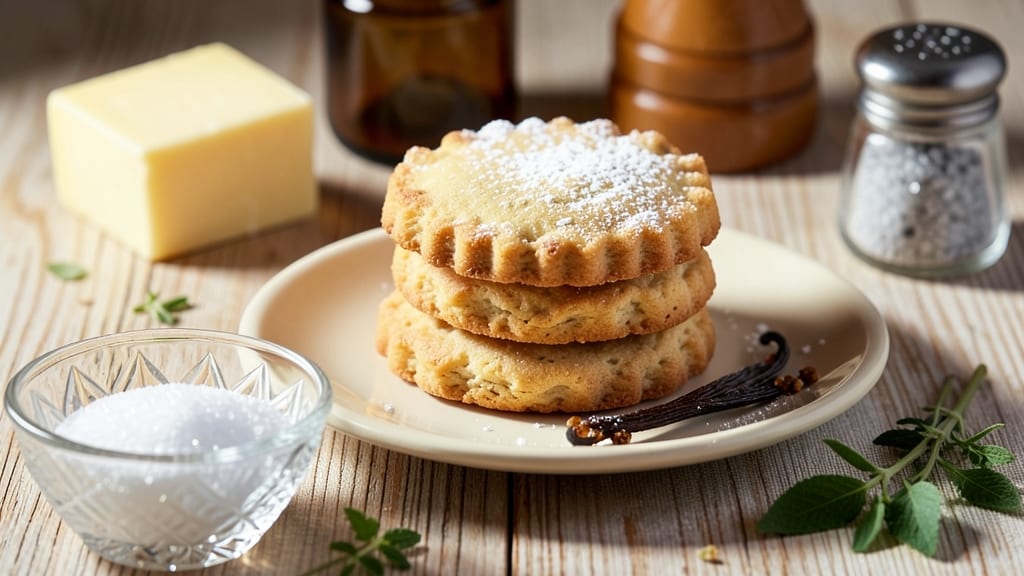
This Au Bon Pain shortbread cookie recipe delivers the signature buttery crunch and vanilla-kissed layers that made them legendary. The secret lies in a precise ratio of cold butter, fine sugar, and flour—mixed just until combined to create those signature tender-yet-crisp layers.
What sets these apart is the subtle vanilla infusion that enhances the buttery richness without overpowering it.
Professional bakers know the importance of chilling the dough thoroughly before rolling and cutting, which ensures clean edges and prevents spreading. The baking process is gentle—just enough heat to develop a delicate golden hue while maintaining that signature crumbly-yet-tender texture.
This isn't your average shortbread; it's a carefully balanced treat that dissolves in your mouth with every bite.
Once baked, the cookies should be cool enough to handle but still warm to the touch—perfect for dusting with powdered sugar or adding a hint of citrus zest for brightness. These cookies pair beautifully with a cup of tea or coffee, offering that comforting buttery crunch that makes them irresistible.
The recipe yields about two dozen cookies, so you'll have plenty to share or enjoy over several days.
For best results, store in an airtight container at room temperature for up to five days, or freeze for longer storage. The flavor only improves as the butter softens slightly, creating an even more indulgent texture.
Whether you're baking for a special occasion or simply treating yourself, these shortbread cookies are a foolproof way to recreate the magic of Au Bon Pain at home.
Ingredients for au bon pain shortbread cookie
Cold butter, fine sugar, and vanilla—just seven ingredients for legendary Au Bon Pain shortbread.
| Ingredient | Amount | Notes |
|---|---|---|
| Unsalted Butter 🧈 | 1 cup | Cold, cubed, European preferred |
| Granulated Sugar 🍚 | ½ cup | Fine, white sugar preferred |
| All-Purpose Flour 🌾 | 2 cups | Sifted, plus more for dusting |
| Pure Vanilla Extract 🌸 | 1 tbsp | High-quality, not imitation |
| Fine Sea Salt 🧂 | ¼ tsp | Diamond Crystal preferred |
| Powdered Sugar 🍚 | ¼ cup | For dusting, optional |
| Lemon Zest 🍋 | 1 tsp | Fresh, finely grated |
The butter is non-negotiable here. European-style unsalted butter has more fat content and better flavor—Plugrá or Kerrygold are my go-tos, but any good brand works. Keep it cold until mixing, or the dough will get gummy. The sugar should be fine, not coarse—Domino or C&H work perfectly. For vanilla, Nelson James or McCormick are worth the splurge, but even the basic stuff adds that signature kiss. Flour matters too—King Arthur or Gold Medal give the best texture. Sift it first to avoid lumps, and have extra on hand for dusting your work surface.
No European butter? Use two sticks of regular unsalted butter—just chill it longer before mixing. Short on vanilla? Vanilla bean paste works too, or even a pinch of vanilla sugar in a pinch. The lemon zest is optional but adds a lovely brightness—organic lemons from the grocery store work fine. For the salt, Diamond Crystal kosher dissolves perfectly, but any fine sea salt will do. If you're making these for guests, add a pinch more vanilla and zest—people notice those little details. The powdered sugar is just for dusting, so skip it if you prefer them plain.
These cookies keep beautifully. Store in an airtight container at room temperature for 5-6 days, or freeze for up to 3 months—they actually improve with time as the butter softens slightly. For gifting, wrap individually in parchment and tie with twine. The dough can be chilled for up to 24 hours before baking, which helps prevent spreading. If you make a double batch, freeze half the dough balls for later—just bake straight from frozen, adding 1-2 minutes to the time.
Why You'll Love This Recipe
- Four-Ingredient Magic: I swear, this recipe is the kind of simple that makes me feel like a baking genius. Just butter, sugar, flour, and a pinch of salt—no fancy mixers or last-minute ingredient scrambles.
- Butter-Sugar Bliss: That first bite of crispy edges melting into buttery vanilla goodness? It’s like biting into a cloud made of happiness. The sugar caramelizes just enough to give it that addictive crunch without being cloyingly sweet.
- Holiday or Snack Attack: Between us, these cookies are my go-to for holiday gifts, teacher appreciation gifts, or just because I need something to dunk in coffee. They freeze like a dream, so I always have a stash for lazy mornings.
- No-Waste Wonder: A single batch makes 24 cookies, and they keep for weeks in an airtight container. Honestly, I’ve had them last through three workweeks—no one in my house can resist them long enough for them to go stale.
Step-by-step instructions for Au Bon Pain shortbread cookies
Here's how to create those iconic buttery layers with a perfect crunch—just like the bakery.
Prepare the Dough with Cold Butter
In a stand mixer fitted with the paddle attachment, combine the 1 cup unsalted butter (cold and cubed) with the 0.5 cup granulated sugar. Beat on medium speed for 3-4 minutes until light and fluffy. You'll see the mixture nearly double in volume and turn pale yellow—this incorporates air that creates those signature layers.
Here's the thing—cold butter is critical. If your butter softens too much during mixing, the dough will spread excessively in the oven. I like to press the butter cubes between parchment paper with a rolling pin before adding them to keep them firm. Add the 1 tablespoon pure vanilla extract and 0.25 teaspoon fine sea salt during the last 30 seconds of mixing to distribute evenly.
Incorporate Dry Ingredients Gently
Reduce the mixer speed to low and gradually add the 2 cups all-purpose flour (sifted) along with the 1 teaspoon lemon zest. Mix just until combined—about 30-45 seconds. You should still see small flour streaks in the dough. Overmixing develops gluten, which makes the cookies tough instead of tender.
I press the dough together with my hands at this stage to ensure even distribution. The lemon zest adds a bright, subtle citrus note that balances the richness, while the flour provides structure without overpowering the buttery flavor. Don't worry if the dough looks slightly shaggy—it's supposed to be firm and cohesive, not smooth like pie dough.
Shape and Chill for Perfect Texture
Turn the dough out onto a lightly floured surface and divide it into two equal portions. Using your hands, shape each portion into a 6-inch round disc about ½-inch thick. Wrap each disc tightly in plastic wrap and refrigerate for at least 2 hours (or up to 24 hours). This chilling step is non-negotiable—it firms up the butter so the cookies hold their shape and develop that signature crunch.
Here's a pro tip: If you're short on time, you can freeze the discs for 30 minutes instead of chilling. Just make sure they're completely solid before baking. The colder the dough, the less it spreads, and the thicker your cookies will be when they come out of the oven.
Bake to Golden Perfection
Preheat your oven to 325°F and line two baking sheets with parchment paper. Place one of the chilled dough discs on a sheet and bake for 25-30 minutes until the edges are golden brown and the center feels firm to the touch. The cookies should look slightly underbaked in the middle—they'll continue cooking as they cool.
Here's where attention to detail matters: Rotate the baking sheet halfway through for even baking. If the tops brown too quickly, loosely tent the sheet with foil. Remove the cookies when they're just set in the center—they'll firm up as they cool. Repeat with the second disc. Let them cool completely on the baking sheet before transferring to a wire rack.
Dust and Serve for Maximum Wow Factor
Once completely cooled, use a sharp knife to cut each disc into 12 wedges (like a pizza). Dust the tops generously with the 0.25 cup powdered sugar using a fine-mesh sieve. This step isn't just for looks—the powdered sugar adds a delicate sweetness that contrasts beautifully with the buttery crunch.
Serve the cookies at room temperature for the best texture—they'll be crisp on the outside with a tender, almost melt-in-your-mouth center. These cookies keep well in an airtight container for up to 5 days, though I doubt they'll last that long. The vanilla and lemon zest flavors deepen slightly over time, making them even more irresistible.
Pro Tips For Making Au Bon Pain Shortbread Cookie
- CHILL THE DOUGH: I learned this the hard way—rolling out warm shortbread leads to cracks and sad, uneven cookies. Press the dough into the pan, then pop it in the fridge for 15 minutes before cutting. The cold makes all the difference for clean edges and even baking.
- USE COLD BUTTER: No, I’m not joking—pull the butter straight from the fridge. Cut it into cubes and let it sit for 10 minutes before mixing, but don’t let it soften past firm. Warm butter = greasy cookies that spread like a bad rumor. You want that melt-in-your-mouth texture, not a puddle.
- SALT THE FLOUR: Skip the salt shaker on the dough—mix ¼ teaspoon of fine sea salt directly into the flour before combining. The butter already has salt, and you don’t want a flavor bomb. This ensures every bite is balanced, not one where you’re tasting the salt in one cookie and nothing in the next.
- PRESS HARD, CUT FAST: Don’t be gentle. Press the dough firmly into the pan to fill every crack and crevice—this prevents thin spots that burn before the edges crisp. Then, use a sharp knife or cutter and press straight down once (no sawing). Wobbling = ragged edges. Speed matters here—hesitate, and the dough warms up.
Common mistakes when making this recipe
Overmixing the Dough
This is the #1 mistake I see—mixing the dough until it's smooth and elastic. Shortbread relies on underdeveloped gluten for that tender crumb. Once you've incorporated all the flour (about 30-45 seconds on low speed), stop immediately.
Overmixing creates tough cookies that lose their signature melt-in-your-mouth quality. I always check by pressing the dough—it should crumble slightly when gently squeezed, not spring back like pie dough. 💫
Skipping the Chill
Rushing the 2-hour chill is tempting, but it's what creates those clean edges and prevents spreading. Cold butter is key—when it softens too soon, cookies flatten into sad, thin discs. I've learned the hard way: if you're short on time, freeze the dough discs for 30 minutes instead.
Just make sure they're completely solid before baking. The texture difference is night and day!
Using Warm Butter
Room-temperature butter is a common downfall. The dough will become too soft, leading to excessive spreading and a dense texture. Always use cold, cubed butter straight from the fridge. For extra insurance, I press the butter cubes between parchment paper with a rolling pin before mixing to keep them firm.
This small step makes all the difference in achieving that signature layered texture. ❄️
Incorrect Baking Temperature
Shortbread is delicate—325°F is non-negotiable. Too hot (350°F+) causes rapid browning and a dry interior, while too cool (300°F) leaves them undercooked. I recommend using an oven thermometer to verify your oven's accuracy.
The cookies should look slightly underdone in the center when you remove them—they'll firm up as they cool. Rotate the pan halfway for even baking.
Overbaking for Color
Golden edges are beautiful, but don't let the cookies bake until fully set in the center. Shortbread should be firm but still tender when cool. Overbaking creates dry, crumbly cookies that lack that perfect buttery crunch.
I pull mine when the edges are just starting to turn golden and the center still feels slightly soft to the touch. They'll continue cooking as they cool on the baking sheet.
Not Preheating Properly
A cold oven leads to uneven baking and longer cook times. Always preheat for at least 15 minutes before baking. I place an oven thermometer inside during preheating to confirm it reaches 325°F. This ensures even heat distribution from the start.
Skipping this step can result in cookies that bake too slowly, losing their crisp edges and developing a gummy texture. A properly preheated oven is your secret weapon for perfect results. 🔥
Nutrition facts
Frequently asked questions
Can I make these shortbread cookies without vanilla?
You can omit the vanilla, but it's what gives Au Bon Pain's version its signature warmth. For a similar depth, try 1 teaspoon vanilla sugar or a pinch of ground cardamom (½ teaspoon). The lemon zest will still provide brightness, but the vanilla's floral notes balance the butter beautifully. If you're avoiding allergens, almond extract works too—just use half the amount.
Why do my shortbread cookies spread too much?
This usually happens when the butter gets too warm during mixing or baking. The fix: Use cold, cubed butter straight from the fridge, and chill the dough for at least 2 hours before baking. If you're in a hurry, freeze the dough discs for 30 minutes instead. Also check your oven temperature—325°F is critical; any hotter and they'll spread rapidly.
How do I store these cookies to keep them fresh?
For maximum freshness, store in an airtight container at room temperature for up to 5 days. The texture actually improves slightly as the butter softens! For longer storage, freeze the whole discs (before cutting) for up to 3 months. Thaw at room temperature before serving. Pro tip: Place a slice of bread in the container to absorb moisture and keep them crisp.
Can I make these gluten-free?
Yes, but texture will differ slightly. Replace the all-purpose flour with a 1:1 gluten-free baking flour (like Bob's Red Mill 1-to-1) plus ½ teaspoon xanthan gum. For best results, chill the dough longer (3 hours) and bake at 300°F for 5-7 minutes longer. The cookies will be more delicate but still delicious. Always test your gluten-free flour blend first—some brands behave differently in recipes.
What's the best way to cut these cookies?
Use a sharp chef's knife or pizza cutter for clean edges. Chill the baked discs for 10 minutes first to firm up the butter. Draw your knife through the center point to the edge, then rotate and repeat for 12 even wedges. For extra crisp edges, dip the knife in hot water between cuts. The powdered sugar dusting goes on after cutting—it sticks better to fresh surfaces!