
Side Dishes
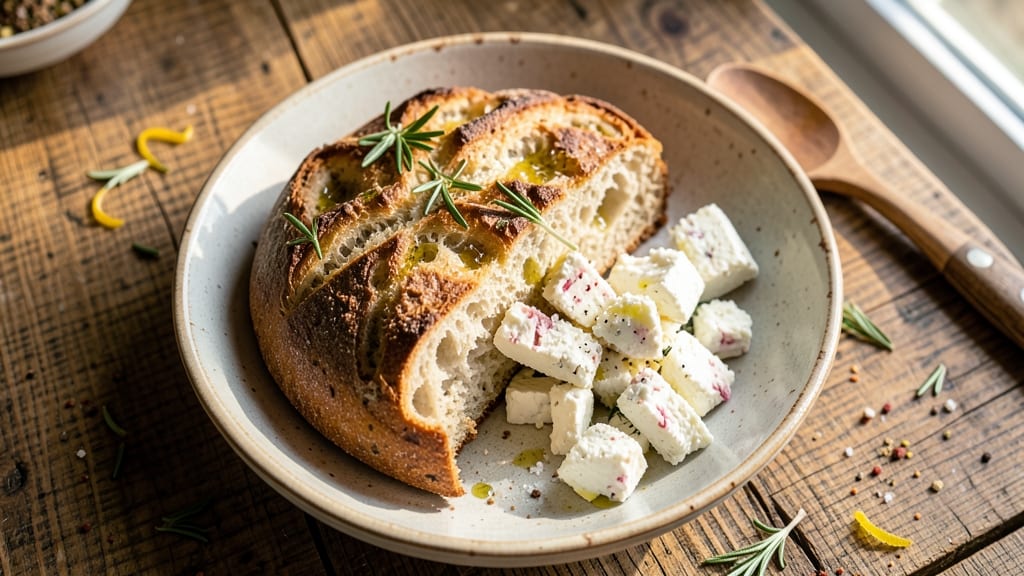
Aubree's feta bread delivers the perfect harmony of crispy golden crust and tender, cheesy threads that pull apart effortlessly. This recipe transforms simple dough into a showstopping side dish with just a handful of ingredients and a few key techniques.
The secret lies in properly incorporating the feta, ensuring those signature cheesy strands form without making the bread too dense.
What sets this bread apart is how the salty, tangy feta transforms ordinary dinner rolls into something extraordinary. The dough comes together in minutes, and the baking process creates that ideal contrast—crispy outside, soft inside, with feta strings that practically melt in your mouth.
Perfect for holidays, family dinners, or as a simple yet impressive side dish.
Ready in just 45 minutes from start to finish, this recipe requires no special equipment beyond a mixing bowl and baking sheet. The dough is simple to handle, and the feta incorporation is foolproof once you learn the trick.
Whether you're serving it warm with dinner or packing it for lunch the next day, the flavor and texture stay exceptional.
The best part? You can customize it with optional toppings like fresh herbs, a drizzle of olive oil, or even a sprinkle of sesame seeds for extra texture.
This bread is the kind of recipe that turns a simple meal into something memorable, and once you try it, you'll never go back to store-bought again.
Ingredients for aubree's feta bread
Eight simple ingredients transform into golden, cheesy bread with magic feta strands.
| Ingredient | Amount | Notes |
|---|---|---|
| All-Purpose Flour 🌾 | 3 ½ cups | Spooned and leveled for accuracy |
| Instant Yeast 🍞 | 1 tsp | Active dry works too |
| Granulated Sugar 🍚 | 1 tbsp | For yeast activation |
| Salt 🧂 | 1 tsp | Diamond Crystal preferred |
| Warm Water 💧 | 1 cup | 110°F for ideal yeast activation |
| Extra-Virgin Olive Oil 🫒 | ¼ cup | Plus extra for brushing |
| Block Feta Cheese 🧀 | 8 oz | Crumbled, salty variety |
| Large Egg 🥚 | 1 whole | Room temperature preferred |
| Fresh Rosemary 🌿 | 1 tbsp | Chopped, optional garnish |
| Sesame Seeds 🌻 | 1 tbsp | Optional topping |
| Coarse Sea Salt 🧂 | ½ tsp | For sprinkling on top |
| Black Pepper 🌶️ | ¼ tsp | Freshly cracked |
The feta is non-negotiable here—salty, crumbly blocks from the deli section are your best bet. Whole Foods or Trader Joe's carry excellent varieties, but any good-quality feta will work. I always grab the extra-salty kind because it adds that signature tang. If you can only find pre-crumbled feta, pulse it in a food processor for even distribution. The flour? King Arthur or Gold Medal are my go-tos—they handle the feta's moisture without getting gummy. And that yeast? Check the expiration date—old yeast won't activate properly, and you'll end up with dense bread instead of cheesy clouds.
No fresh rosemary? Dried works at half the amount, but trust me, fresh makes it special. Out of sesame seeds? Poppy seeds or everything bagel seasoning add great texture. The olive oil matters too—California brands like Corto or Lucini have that fruity punch that shines in the crust. For the dough, I always use a stand mixer with a dough hook for 3 minutes, but a wooden spoon works in a pinch. The key is mixing just until combined—overworking develops gluten, which we don't want here. Pro tip: Let the dough rest 10 minutes after mixing before shaping—it makes all the difference for those perfect cheese strands.
This bread stays fresh for 2 days at room temperature wrapped in a clean kitchen towel, but it's even better reheated. Pop slices in a 350°F oven for 5 minutes to revive that golden crust. For longer storage, freeze shaped loaves unbaked for 3 months—bake straight from frozen, adding 5 minutes to the time. The cheese strings get even more dramatic when reheated, which is why this bread is perfect for meal prep. I always make two batches—one for dinner, one to freeze for lazy breakfasts. And if you're feeling fancy, brush the warm bread with a little olive oil and sprinkle with flaky salt before serving.
Why You'll Love This Recipe
- Foolproof First Try: I’ll be real—this dough is almost idiot-proof. Just toss the flour, yeast, sugar, and salt in a bowl, add warm water, and mix until it stops sticking to your fingers. No kneading required, no waiting for a windowpane test. The yeast does all the work while you’re chopping veggies or waiting for the oven to heat.
- Salty-Sweet Magic: That little pinch of sugar in the dough? It’s not just for the yeast—it balances the feta’s sharpness later, giving you a crust with a just-right sweetness. And when you bake it, the feta melts into gooey pockets that make every bite taste like a hug from a Greek taverna.
- Weeknight Workhorse: This bread is my lazy dinner’s best friend. Toss it in the oven while you grill chicken or sauté garlic shrimp—it’ll be golden and ready by the time your protein hits the plate. Or, here’s what sold me: freeze half the batch. Toast straight from frozen? Yes, please. (My college-age kid lives for it.)
- Pantry Staple Power: Honestly, you’re already stocked for this. Flour, yeast, sugar, salt, water—it’s the kind of recipe that doesn’t judge your fridge’s contents. And because it’s so simple, I make it when I’m broke or when I’m hosting. Either way, it disappears fast, but the leftovers? Still amazing reheated or toasted the next morning.
Step-by-step instructions for aubree's feta bread
Here's how to create bread with irresistible feta threads and a perfectly crisp crust—every bite is magic.
Mix the Dough with Crumbled Feta
In a large mixing bowl, combine the 3.5 cups all-purpose flour, 1 tsp instant yeast, 1 tbsp granulated sugar, and 1 tsp salt. Whisk until evenly distributed—this ensures your yeast activates properly and the flavor balances perfectly.
Pour in the 1 cup warm water (around 110°F) and 0.25 cup extra-virgin olive oil, then mix with a wooden spoon until a shaggy dough forms. This is where the fun begins: crumble the 8 oz block feta cheese into small, uneven pieces and fold them into the dough by hand. You want visible feta threads throughout—they'll melt into gooey perfection when baked.
Knead the dough on a lightly floured surface for about 5 minutes until smooth and elastic. If it feels sticky, add a little more flour, but don’t overdo it—this bread needs moisture for that tender crumb. Shape into a round loaf and place it back in the bowl. Cover with a damp towel and let it rise in a warm place for 1 hour, or until doubled in size. This resting time lets the yeast work its magic and the feta flavors meld.
Shape and Second Rise
After the first rise, punch down the dough gently to release air, then shape it into a round loaf again. Place it in a lightly greased 9-inch round baking pan or on a parchment-lined baking sheet. Cover loosely with the damp towel and let it rise for another 30-45 minutes until puffy and nearly doubled. This second rise ensures a light, airy texture—don’t skip it!
While the dough rises, preheat your oven to 375°F. Brush the risen loaf lightly with a little extra olive oil and sprinkle the top with the 1 tbsp chopped fresh rosemary, 1 tbsp sesame seeds, 0.5 tsp coarse sea salt, and 0.25 tsp black pepper. This topping adds texture, aroma, and a beautiful golden crust. Let the dough rest for 5 minutes before baking—this helps the toppings adhere.
Bake to Golden Perfection
Bake the bread for 25-30 minutes until the crust is deep golden brown and the internal temperature reaches 190°F. The aroma of warm feta and rosemary will fill your kitchen—trust me, it’s worth the wait! If the top browns too quickly, tent the bread with foil for the last 5-10 minutes to prevent over-browning while the center finishes cooking.
Here’s the secret: as soon as it comes out of the oven, let the bread cool on a wire rack for 10 minutes. This resting time is crucial—it allows the feta to soften slightly and the crust to set properly. Slice into thick wedges and serve warm, straight from the oven. The contrast of the crispy crust, tender crumb, and melty feta threads is pure indulgence.
Serve with Confidence
This bread shines when served fresh, but it also holds up well for 2-3 days wrapped in plastic at room temperature. For extra flavor, drizzle with a little extra-virgin olive oil or serve alongside a simple Greek salad or hummus. The feta threads will pull gently when you cut into it—this is your sign of success!
Pro tip: If you’re feeling adventurous, sprinkle a little grated Parmesan on top before baking for an extra layer of umami. But no matter how you serve it, this bread is a showstopper—crusty, cheesy, and utterly irresistible.
Pro Tips For Making Aubree'S Feta Bread
- Measure Yeast Precisely: Use a kitchen scale for the instant yeast—1 packet isn’t always 2¼ teaspoons. I learned this the hard way when my bread rose unevenly; too much yeast makes it taste bitter, too little leaves it flat. Weigh it for consistency, especially if you’re baking in dry climates.
- Mix Water to 110°F: Warm water should be just below body temperature (110°F)—any hotter and you’ll kill the yeast before it even starts working. Test it by dipping your finger in; if it feels like a warm bath, not scalding, you’re good. Trust me, your dough will thank you.
- Skip the Over-Kneading: This dough doesn’t need brute force—just mix until combined, then let the feta chunks do the work. Over-kneading develops gluten, which can make the bread dense. Give it a few gentle stretches instead; the feta will distribute naturally as it rises.
- Proof in a Drawer: Place your shaped dough in a lightly oiled drawer (or a bowl) with a damp towel over it. The enclosed space traps heat and humidity, cutting proofing time by 20-30 minutes. I used to leave it on the counter, and it always took twice as long—this method is foolproof.
Serving suggestions for this recipe
Warm Dipping Sauces
Serve your feta bread with warm tzatziki sauce for a refreshing contrast. Mix 1 cup Greek yogurt, ½ cucumber (grated and drained), 1 tbsp lemon juice, 1 minced garlic clove, and 1 tbsp chopped dill.
The cool yogurt balances the bread’s warmth perfectly. For extra richness, try garlic aioli—whisk ½ cup mayonnaise with 1 roasted garlic clove and 1 tsp lemon zest. 🌿
Mediterranean Pairings
Pair this bread with classic Mediterranean flavors like olive tapenade or hummus. Spread ¼ cup olive tapenade (blended Kalamata olives, capers, and garlic) on warm slices.
For a lighter option, serve with roasted red pepper hummus—it complements the feta’s tang beautifully. A simple Greek salad with cucumbers, tomatoes, and red onion rounds out the meal.
Breakfast or Brunch
Turn this bread into a brunch star by topping it with scrambled eggs and crumbled bacon. The salty feta threads add depth to fluffy eggs, while crispy bacon ties everything together.
For a vegetarian option, layer avocado slices and cherry tomatoes on warm bread. A sprinkle of flaky sea salt and fresh black pepper elevates the dish instantly. ☀️
Cheese Board Companion
Create a stunning cheese board by pairing feta bread with aged cheddar, brie, and provolone. The bread’s crispy crust contrasts perfectly with creamy brie and sharp cheddar.
Add cured meats like salami or prosciutto, fig jam, and marinated artichokes for a well-rounded spread. The feta’s tang cuts through the richness, making every bite balanced.
Meal Prep Hack
Slice cooled bread and pack it in airtight containers with olive oil packets for easy reheating. At lunchtime, drizzle with extra-virgin olive oil and balsamic glaze for a quick, flavorful meal. The bread reheats beautifully in a toaster oven at 350°F for 5 minutes, restoring that golden crust.
Add a side of marinated olives or pickled vegetables for a complete, no-fuss lunch. 💡
Nutrition facts
Frequently asked questions
Why does my feta bread turn out dense instead of light and airy?
The most common cause is overworking the dough or skipping the resting periods. Knead just until smooth (5 minutes max) and let it rise fully (1 hour first rise, 30-45 minutes second rise). Also ensure your yeast is fresh—old yeast won't activate properly, leading to dense bread.
Can I make this bread without a stand mixer?
Use a large wooden spoon or your hands to mix the dough until shaggy, then knead by hand on a floured surface for 5-7 minutes. The key is mixing just until combined—over-kneading develops too much gluten, which makes the bread tough rather than tender.
How do I get those perfect feta strings instead of crumbly cheese?
The secret is using block feta (not pre-crumbled) and crumbling it into small, uneven pieces when folding it into the dough. The cheese needs to melt and stretch during baking, so avoid overmixing after adding it—just fold gently to distribute. Also ensure your feta is salty!
Can I make this bread in a different shape?
Yes! While the round loaf is traditional, you can shape it into a baguette, braided loaf, or even individual dinner rolls. For rolls, divide the dough into 8 equal pieces and shape into balls. They'll bake in 15-20 minutes at 375°F instead of 25-30 minutes.
What if I don't have fresh rosemary?
No problem! Use 1 tsp dried rosemary (half the amount) or swap for other herbs like thyme, oregano, or dried basil. For a different flavor profile, try sesame seeds, poppy seeds, or even everything bagel seasoning on top before baking.