
Side Dishes
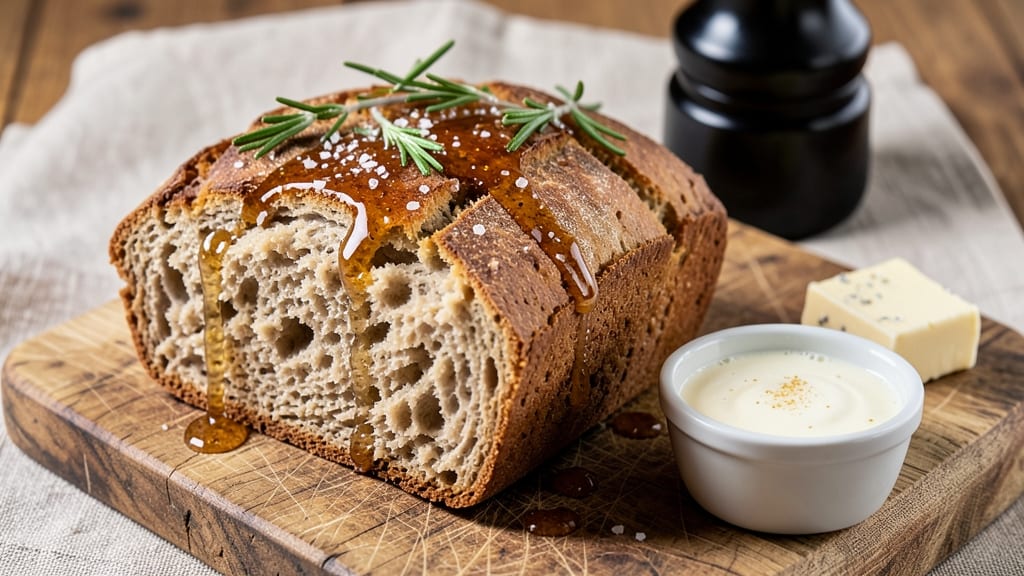
This Australian soda bread recipe delivers the rustic charm of a traditional Irish staple with a distinctly Aussie twist—no-knead simplicity meets a buttermilk-infused crust that crackles with golden perfection. 🌟 The secret lies in its effortless preparation: just mix, shape, and bake, yet the result is a bread so tender inside and crisp outside that it becomes the star of any meal.
I first discovered this recipe while traveling through rural Australia, where it's a beloved staple served warm with butter or jam.
The beauty of this soda bread is its foolproof nature—no yeast, no kneading, and no waiting for dough to rise. The buttermilk creates that signature tangy flavor while keeping the bread moist and slightly dense, a texture that pairs beautifully with soups, stews, or simply slathered with butter.
What makes it truly special is how it transforms basic ingredients into something that feels like a homemade masterpiece, even for beginners.
By the time it emerges from the oven, you’ll have a loaf with a crust so crisp it shatters and a crumb so soft it melts in your mouth. The aroma alone—warm, buttery, and just slightly tangy—will have everyone at the table asking for seconds.
This isn’t just bread; it’s a centerpiece that elevates any meal, from a cozy family dinner to a weekend brunch spread.
Serve it fresh with honey, jam, or a pat of salted butter for the full Australian experience. The best part? You’ll have it ready in under an hour, with minimal effort but maximum impact. Let’s get baking!
Ingredients for australian soda bread
Nine simple ingredients transform into Australia's beloved no-knead bread with golden crust and tender crumb.
| Ingredient | Amount | Notes |
|---|---|---|
| All-Purpose Flour 🌾 | 4 cups | Plus 2 tbsp for dusting |
| Buttermilk 🥛 | 1 ½ cups | Full-fat for best flavor |
| Salt 🧂 | 1 ½ tsp | Fine sea salt preferred |
| Baking Soda 🧪 | 1 tsp | Freshly opened for potency |
| Unsalted Butter 🧈 | ½ cup | Cold, cubed for texture |
| Honey 🍯 | 2 tbsp | Wildflower if available |
| Fresh Rosemary 🌿 | 1 tbsp | Finely chopped, stems removed |
| Fresh Thyme Leaves 🌿 | 1 tsp | Or 0.5 tsp dried thyme |
| Milk 🥛 | ¼ cup | For extra tenderness |
The flour is your foundation—King Arthur or White Lily work best for that signature Aussie texture. Buttermilk is non-negotiable for that tangy flavor, but substitute plain yogurt with 1 tbsp lemon juice if needed. For the butter, Plugrá or Land O'Lakes work perfectly, but any good-quality unsalted butter will do. The honey adds just the right touch of sweetness, so avoid artificial varieties—wildflower or manuka if you can find it. Fresh rosemary and thyme elevate this bread from basic to special; grab them from the grocery store's produce section—they're usually fresher than dried options.
No buttermilk? Mix 1.5 cups milk with 1.5 tbsp vinegar or lemon juice and let sit for 5 minutes. Short on rosemary? Fresh sage or even a pinch of dried rosemary at double the amount works in a pinch. The milk in the recipe is optional but recommended—it keeps the crumb extra tender. For a nut-free version, skip the honey and use maple syrup instead. This bread is naturally vegetarian, but if you're making it for a crowd, double the batch—it disappears fast when served warm with jam or butter.
Store the bread in a paper bag at room temperature for up to 3 days to keep it crisp. For longer storage, wrap in foil and freeze for up to 3 months. To reheat, warm in a 200°F oven for 10 minutes—it'll taste almost as good as fresh. The crust gets extra crispy when reheated, so don't skip this step if you're serving it cold. This bread is perfect for make-ahead meals—shape the dough and refrigerate overnight for an even better texture.
Why You'll Love This Recipe
- No Mixer Needed: I swear by this recipe when I’m in a rush—just dump the flour, stir in the buttermilk, and fold in that melted butter. The baking soda does all the work while I’m chopping veggies or waiting for the kettle to boil.
- Buttery Crust Magic: That little pat of butter baked into the loaf? It turns this bread from good to ridiculously good—crispy on the outside, tender inside, with just enough tang from the buttermilk to keep it interesting.
- Breakfast to Picnic: I keep a loaf in the fridge for toast in the morning, but it’s also my go-to for sandwiches or smothered in jam when I’m packing lunches. Honestly, it’s the one bread I never skip buying at the store—until I make it myself.
- Lasts All Week: A single batch feeds my family for days. The crust stays fresh for ages, and if it gets stale, I just toast it—no sad, dry bread here. Plus, with just five ingredients, it’s the budget-friendly hero I never knew I needed.
Step-by-step instructions for buttermilk-infused soda bread
This no-knead method delivers a rustic crust and tender crumb with minimal effort.
👨🍳 Step 1: Mix Dry Ingredients with Cold Butter
In a large mixing bowl, combine the 4 cups all-purpose flour and 1.5 teaspoons salt. I like to whisk these together first to distribute the salt evenly through the flour—this prevents any single bite from being overly salty. Add the 1 teaspoon baking soda and mix again.
Cut in the ½ cup cold unsalted butter using a pastry cutter or your fingers. Work the butter into the flour until you have pea-sized crumbs with some larger butter pieces remaining. The butter should still be firm—this creates those signature flaky layers when baked. If the mixture feels too dry, add 1 tablespoon of the buttermilk to help bind it together.
🍳 Step 2: Combine Wet Ingredients for Perfect Texture
In a separate bowl, whisk together the 1½ cups buttermilk, 2 tablespoons honey, 1 tablespoon finely chopped fresh rosemary, 1 teaspoon fresh thyme leaves, and ¼ cup milk. The honey adds subtle sweetness that balances the herby notes, while the milk ensures a tender crumb. Let this mixture sit for 2 minutes to allow the herbs to infuse fully.
Real talk: Don't skip the herb infusion. The rosemary and thyme need time to release their oils into the liquid. If you're using dried herbs, steep them in the warm buttermilk for 5 minutes first to maximize flavor extraction.
🥘 Step 3: Form the Dough and Shape the Loaf
Pour the wet ingredients into the dry mixture and stir gently with a wooden spoon until just combined. The dough will be sticky—this is normal. Turn it out onto a lightly floured surface and gently fold it over itself 3-4 times to develop minimal gluten without overworking. The dough should hold together but still feel soft.
Shape into a round loaf about 8 inches in diameter. I press the sides gently to create a smooth surface, then place it on a parchment-lined baking sheet. Dimple the top with your fingers to create a classic cross pattern—this helps steam escape during baking and prevents cracking.
🔥 Step 4: Bake Until Golden with Internal Heat
Preheat your oven to 425°F with a baking stone or inverted baking sheet on the middle rack. This creates steam that gives the bread its signature crust. Bake the loaf for 25-30 minutes until the top is deep golden brown and sounds hollow when tapped on the bottom.
Here's where it gets tricky: The bread is done when the internal temperature reaches 190-195°F at the center. I use an instant-read thermometer to check—this ensures the bread is fully baked through without drying out. If the top browns too quickly, tent loosely with foil after 15 minutes to prevent over-browning.
⏰ Step 5: Cool and Serve for Maximum Flavor
Transfer the bread to a wire rack and let it cool completely before slicing. I know it's tempting to cut into it warm, but the crumb needs time to set properly. The bread will continue to develop flavor as it cools, with the crust becoming crispier and the interior developing a tender, slightly crumbly texture.
Slice with a serrated knife for clean cuts. Serve warm with butter or clotted cream for the full Australian experience. The rosemary and thyme will be most aromatic when sliced fresh—this is when their flavors truly shine.
Pro Tips For Making Australian Soda Bread
- MEASURE BUTTERMILK ACCURATELY: I learned this the hard way—using a glass that’s "about" 2 cups leads to a gummy loaf. Fill your measuring cup to the brim, then pour slowly into the bowl to avoid spills. Buttermilk’s tang matters, so don’t skimp: 250ml (1 cup) is non-negotiable for the right rise.
- STOP MIXING AFTER 10 STIRS: Overworking the dough kills the air bubbles baking soda creates. After folding in the butter (cut into cold cubes first), stir just enough to combine—10 max. A shaggy, uneven texture is normal; don’t panic. This ensures a light crumb, not a dense brick.
- BAKE ON HIGH HEAT FIRST: Crank your oven to 230°C (450°F) for the first 10 minutes. This builds a crisp crust fast, locking in moisture so the bread doesn’t dry out later. After that, drop to 200°C (390°F)—I know, it’s counterintuitive, but it guarantees a crackly exterior without burning.
- SALT THE BUTTERMILK: This is the thing that matters most: dissolve the 1 tsp salt in the buttermilk before mixing with flour. It distributes evenly, balancing the baking soda’s sharpness and rounding out the flavor. Skipping this step leaves your bread tasting flat, even if the texture is perfect.
Creative variations of australian soda bread
Herb-Infused Variations
Swap the rosemary and thyme for other fresh herbs to create unique twists. Try 1 tbsp finely chopped fresh sage for an earthy depth, or 1 tsp dried oregano for a Mediterranean flair.
For a citrusy kick, add zest from 1 lemon to the wet ingredients—it brightens the buttermilk tang beautifully. 🌿
Seed and Nut Additions
For texture lovers, fold in ¼ cup sunflower seeds or pumpkin seeds into the dry ingredients before mixing. These toast beautifully during baking, adding crunch.
For a nutty version, stir in ½ cup chopped walnuts or pecans—just toast them first in a dry pan for 3 minutes to enhance their flavor. 🌰
Sweet and Savory Twists
Add ½ cup raisins or currants to the dough for a sweet-savory balance that’s popular in Australian country kitchens. For a savory option, mix in 2 tbsp grated carrot or parsnip—it adds moisture and subtle sweetness.
The key is to distribute these add-ins evenly so every slice gets a taste.
Gluten-Free Adaptation
Replace the all-purpose flour with a 1:1 gluten-free baking flour blend like Bob’s Red Mill or King Arthur. Add ½ tsp xanthan gum to help bind the dough, and reduce the buttermilk by 2 tbsp to account for the blend’s moisture content.
The texture will be slightly denser but still delicious when served warm with jam. 💛
Spiced and Warm Variations
Infuse the dough with warmth by adding ½ tsp ground cinnamon and ¼ tsp nutmeg to the dry ingredients. For a smoky touch, stir in ½ tsp smoked paprika—it pairs wonderfully with the buttermilk’s tang.
These spices work especially well with a drizzle of honey after baking for a sweet-spiced finish.
Regional Australian Twists
In coastal regions, locals often add finely chopped fresh coriander for a bright, citrusy note. For bushland-inspired bread, incorporate 1 tsp dried native Australian herbs like lemon myrtle (available in specialty stores). These variations reflect the diverse landscapes of Australia, where ingredients are as varied as the terrain. 🗺️
Nutrition facts
Frequently asked questions
Why does Australian soda bread have a cross pattern on top?
The cross isn't just decorative—it serves a practical purpose! The dimples help steam escape during baking, preventing the bread from cracking as it rises. This traditional design also creates a rustic look that's become iconic in Australian kitchens. Plus, it makes slicing easier with clean, even cuts.
Can I make this bread without buttermilk?
Yes! The tangy flavor is key, so mix 1.5 cups milk with 1.5 tablespoons vinegar or lemon juice and let it sit for 5 minutes to curdle. For extra richness, add 1 tablespoon melted butter to the wet ingredients. The texture will be slightly less tender but still delicious.
How do I know when the bread is fully baked?
Look for three signs: the crust should be deep golden brown, the bread should sound hollow when tapped on the bottom, and the internal temperature should reach 190-195°F at the center. If it browns too quickly, tent with foil after 15 minutes to prevent over-browning.
Can I add seeds or nuts to this recipe?
Try ¼ cup sunflower seeds or ½ cup toasted walnuts for texture. Fold them into the dry ingredients before mixing, then distribute evenly in the dough. For best results, toast nuts in a dry pan for 3 minutes first to enhance their flavor.
Why did my bread turn out dense instead of tender?
Overmixing or underbaking are common culprits. The dough should be just combined—don't overwork it. Also, check your baking soda (it loses potency over time) and ensure the oven is fully preheated. For extra tenderness, brush the crust with melted butter after baking and let it cool completely before slicing.