
Side Dishes
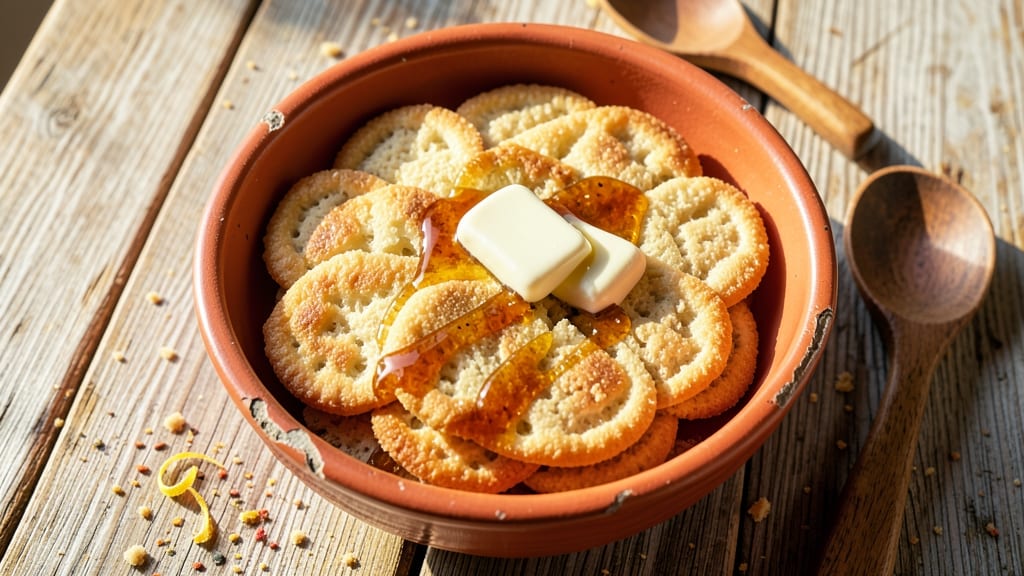
This authentic American Indian fry bread delivers the smoky, puffed perfection that’s been a staple at gatherings for generations. The secret lies in a simple dough of flour, water, fat, and salt, fried to golden crispness in one pan—just like it’s been made for centuries.
Every bite carries history, tradition, and a satisfying crunch that’s impossible to resist.
The dough comes together in minutes with just five ingredients, but the magic happens during frying. High heat transforms the dough into airy, pillowy layers with a crisp exterior, a technique perfected by Native communities across the Southwest.
Whether served sweet with honey or savory with chili, this fry bread is versatile enough for any meal.
What makes this recipe truly special is its authenticity—no shortcuts, just the traditional method passed down through generations. The result is a dish that’s both comforting and impressive, with a texture that’s light yet sturdy enough to hold toppings.
It’s the kind of recipe that brings people together, just like it always has.
Serve it warm with your favorite toppings or enjoy it plain—either way, you’ll taste the heart and history behind every bite. This is fry bread as it should be made, with respect for its roots and a modern twist that keeps it relevant for today’s kitchens.
Ingredients for authentic american indian fry bread
Five core ingredients transform into golden, puffed fry bread with tradition at its heart.
| Ingredient | Amount | Notes |
|---|---|---|
| All-Purpose Flour 🌾 | 3 cups | White or whole wheat for traditional texture |
| Unsalted Butter 🧈 | ½ cup | Cold, cut into small cubes |
| Water 💧 | 1 cup | Lukewarm for smoother dough |
| Salt 🧂 | 1 tsp | Fine sea salt preferred |
| Vegetable Oil 🫒 | 2 cups | High smoke point for frying |
| Honey 🍯 | ¼ cup | Optional for sweet topping |
| Powdered Sugar 🍚 | ¼ cup | Optional for dusting |
| Chili Powder 🌶️ | 1 tbsp | Optional for savory topping |
The flour is non-negotiable—King Arthur or Gold Medal work best for that classic texture. Butter adds richness, but lard or shortening delivers that authentic crispness if you prefer. For the water, lukewarm is key—room temperature works, but not boiling. Salt should be fine sea or kosher; table salt burns easily. Goya or Crisco shortening are traditional choices for the fat, but butter gives a more familiar taste. The oil? Vegetable or canola with a high smoke point—no olive oil here.
No butter? Cold lard or shortening keeps the texture perfect. Short on honey? Maple syrup or powdered sugar works just as well. Chili powder can be swapped for cinnamon-sugar mix if you prefer sweet. The dough should be soft but not sticky—add a splash more water if needed. For extra authenticity, some use bacon fat instead of butter, but it adds a distinct smokiness. If your dough cracks while frying, don’t stress—it’s normal and won’t affect taste.
The dough keeps for 2 days in the fridge, covered tightly. For longer storage, freeze portions wrapped in plastic for up to 3 months. Fry bread reheats beautifully—just 30 seconds in a hot pan or 10 seconds in the microwave restores that crispy texture. Serve immediately for the best experience, or store in an airtight container with a paper towel to keep it dry. Leftovers make great French toast the next morning!
Why You'll Love This Recipe
- No-Fuss Dough: I swear, you only need four things: flour, butter, water, and salt. Mix it, let it rest, then fry—no rolling, no kneading, no stress. That butter in the dough? It’s what makes it tender, and honestly, it’s the secret weapon.
- Golden Crisp Magic: The moment it hits the oil, that dough puffs up like a dream, then crisps to perfection. Between us, the first bite is always the best—warm, buttery, and just salty enough to make you crave another.
- Party in a Basket: Fry bread isn’t just for breakfast. Serve it with honey, jam, or even chili—it’s the ultimate blank canvas. I’ve fed a crowd with this, and no one leaves hungry. (Yes, even on a Tuesday night.)
- Budget-Friendly Staple: A single batch costs pennies but fills the house with comfort. Leftovers? Reheat in the oven until crispy again. It’s my go-to when I need something filling, fast, and cheap—no guilt, just satisfaction.
Step-by-step instructions for authentic American Indian fry bread
Here's how to achieve that signature puffed, golden texture and rich flavor.
Mix the Dough to the Right Consistency
In a large mixing bowl, combine the 3 cups all-purpose flour and 1 teaspoon salt. Create a well in the center and add the 0.5 cup cold cubed butter. Using your fingers or a pastry cutter, work the butter into the flour until the mixture resembles coarse crumbs with pea-sized butter pieces remaining.
Gradually add the 1 cup lukewarm water while stirring with a wooden spoon. Mix just until the dough comes together—it should be slightly sticky but not wet. The dough should form a soft ball when pressed together. If it feels too dry, add 1 teaspoon more water; if too sticky, add 1 tablespoon more flour. This precise consistency is critical for achieving that signature puff.
Knead and Rest for Optimal Texture
Turn the dough onto a lightly floured surface and knead gently for 2-3 minutes until smooth and elastic. Be careful not to overwork it—just until it holds together when pressed. Divide the dough into 8 equal balls (about 2 ounces each) and flatten slightly with your palm.
Cover the dough balls with a clean kitchen towel and let them rest for 10 minutes at room temperature. This resting period relaxes the gluten and helps create that signature puff when fried. I always use this time to preheat my oil—no skipping this step, as it makes all the difference in texture.
Heat the Oil to the Perfect Temperature
Fill a deep skillet or Dutch oven with 2 cups vegetable oil and heat over medium heat until it reaches 350°F on a deep-fry thermometer. If you don't have a thermometer, test the oil by dropping in a small piece of dough—it should sizzle and float immediately. The oil should be hot enough to create bubbles around the dough but not smoke excessively.
This temperature is crucial—too low and the bread will absorb oil and become greasy; too high and it will burn before puffing. Maintain the oil at 350°F throughout cooking by adjusting the heat as needed. I like to keep a small bowl of flour nearby to dust my hands between batches.
Fry Until Golden and Puffed
Working in batches to avoid overcrowding, carefully place one dough ball into the hot oil. Fry for 1-2 minutes per side until golden brown and puffed to about 3-4 times its original size. Use a slotted spoon to flip the bread—don't press it down or it will lose its puff. The bread should float in the oil and develop a crisp exterior while remaining soft inside.
Transfer the fried bread to a paper towel-lined plate to drain excess oil. Repeat with all dough balls, maintaining the 350°F oil temperature between batches. If the oil temperature drops below 340°F, the bread will absorb too much oil and lose its signature crispness.
Serve with Traditional Toppings
While still warm, brush the fried bread with 0.25 cup honey for a sweet version, or dust with 0.25 cup powdered sugar. For a savory option, sprinkle with 1 tablespoon chili powder and serve immediately. The bread should be light, airy, and crisp on the outside with a soft, fluffy interior.
Serve with your choice of toppings—traditional pairings include honey, jam, powdered sugar, or savory options like chili, beans, or cheese. This authentic fry bread captures the perfect balance of texture and flavor that makes it a staple at gatherings and celebrations.
Pro Tips For Making Authentic American Indian Fry Bread
- CRANK THE HEAT HIGH: Fry bread needs 350°F oil—any lower and you’ll end up with greasy, doughy lumps instead of crispy clouds. I learned this the hard way after frying a batch at 325°F and getting sad, soggy results. Trust me, your oil should be so hot it shimmers like a desert mirage.
- KNEAD JUST UNTIL SMOOTH: Overworking the dough makes fry bread tough. Mix your flour, butter, water, and salt until it barely holds together—about 2 minutes by hand. My grandmother’s trick: press the dough between your palms until it’s uniform but still has a few small cracks. That’s the sweet spot.
- USE A SLOTTED SPOON, NOT YOUR HANDS: Dipping raw dough into hot oil with your fingers is how you end up with burns and a greasy kitchen. A slotted spoon lets you lower the dough gently, then lift it out without losing that perfect golden crust. (Yes, even if you’re impatient like me.)
- LET THE DOUGH REST 10 MINUTES: Skipping this step means your fry bread will puff unevenly or tear apart. After mixing, cover the dough with a damp towel and let it sit—this relaxes the gluten so it cooks evenly. I know, waiting feels pointless, but your future self will thank you when the bread comes out crisp and intact.
Flavor customization for authentic american indian fry bread
Sweet Versions
For a classic sweet twist, brush warm fry bread with local honey or maple syrup—I love using Wildflower honey for its floral notes. Dust with powdered sugar or sprinkle with cinnamon for extra warmth.
Try strawberry jam or peanut butter for a nostalgic touch that reminds me of powwow breakfasts. 🍯
Savory Options
Swap sweet toppings for chili powder or smoked paprika for a Southwestern kick. I often serve mine with refried beans and shredded cheese for a hearty breakfast. Another favorite? Bacon bits and sour cream—the smoky-sweet combo is unbeatable. For extra protein, top with scrambled eggs or pulled pork.
Spiced Variations
Add ½ teaspoon cayenne or garlic powder to the dough for subtle heat. For a dessert twist, mix 1 teaspoon vanilla extract into the dough before frying, then top with chocolate ganache.
I’ve also tried pumpkin spice in the dough for an autumnal version—it pairs perfectly with apple butter. 🌶️
Modern Twists
Get creative with Nutella or caramel drizzle for a gourmet touch. For a breakfast boost, serve with sausage gravy or yogurt and granola. Even avocado mash and lime crema work surprisingly well for a brunch-friendly version. The possibilities are endless—just keep the dough classic! 💫
Cultural Adaptations
In Navajo frybread, some communities add blue cornmeal to the dough for a nutty flavor. For a Pueblo-style twist, brush with honey and sprinkle with crushed pecans. Each region has its own traditions—honoring these keeps the dish authentic while letting you experiment. 🗺️
Dietary Swaps
Use whole wheat flour for a healthier version, or swap butter for coconut oil for a dairy-free option. For gluten-free, try almond flour (though texture will differ). I’ve also seen cauliflower rice used as a partial flour substitute—it’s a fun, low-carb twist! 🌱
Nutrition facts
Frequently asked questions
Why does traditional fry bread use lard or shortening instead of butter?
Authentic recipes often call for lard or shortening because these fats have higher smoke points, creating that signature crispy exterior while keeping the inside tender. Butter adds richness but can burn more easily at frying temperatures. For the most authentic texture, many Native communities traditionally used lard, which also gives a distinct flavor.
Can I make fry bread ahead of time?
Yes! The dough can be refrigerated for 2 days or frozen for 3 months in airtight containers. For best results, fry fresh and serve immediately, but you can reheat in a 375°F oven for 5-10 minutes or 10 seconds in the microwave to restore crispness. Store in an airtight container with a paper towel to prevent sogginess.
What's the difference between fry bread and tortillas?
While both are flatbreads, fry bread is made with a flour-water-fat-salt dough fried in oil until puffed, while tortillas are rolled thin and cooked on a dry surface. Fry bread has a crispy exterior and airy interior, while tortillas are softer and more pliable. The dough consistency and cooking method create completely different textures.
Why does my fry bread crack or not puff?
Cracking happens when the dough is too cold or the oil isn't hot enough (350°F). For perfect puffing, ensure your dough rests 10 minutes before frying and maintain consistent oil temperature. Overcrowding the pan can also prevent proper puffing—work in batches of 2-3 pieces at a time. A little cracking is normal, but it won't affect taste!
What are the most traditional toppings?
Historically, fry bread was served with honey, jam, or powdered sugar for sweet versions, or chili, beans, or cheese for savory options. At powwows, it's often enjoyed with bacon, eggs, or even chili. The key is keeping toppings simple to let the bread's natural flavor shine while adding complementary textures.