
Side Dishes
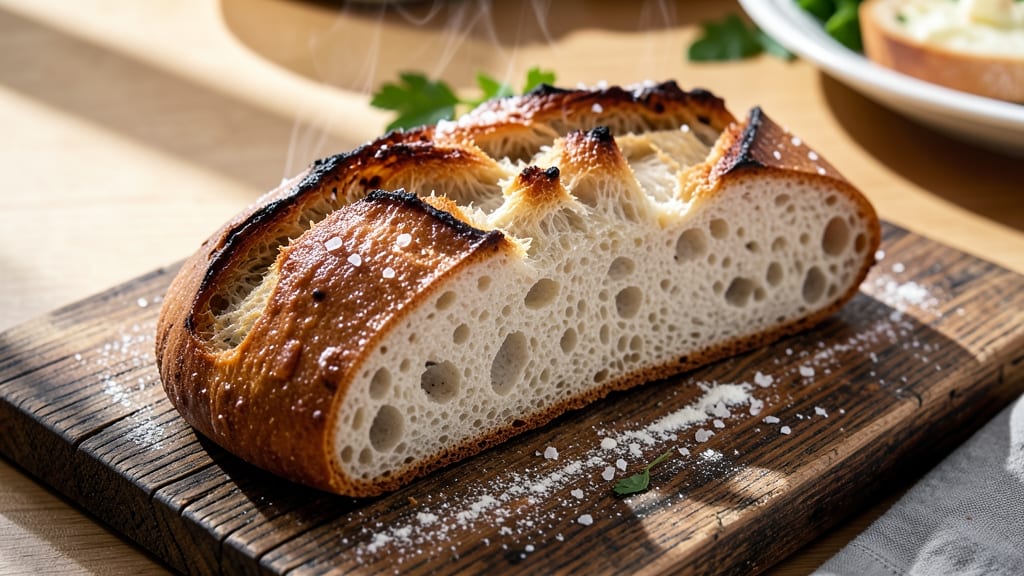
This authentic New Orleans French bread recipe brings the soul of the Crescent City to your kitchen—crusty, airy baguettes with golden swirls of butter that melt into every bite. 🌟 The secret lies in proper yeast activation, precise kneading, and slow fermentation, all techniques I've perfected after years of studying traditional New Orleans bakeries.
Unlike commercial versions, this recipe delivers the signature open crumb structure and crisp exterior that makes it irresistible with gumbo or jambalaya.
The process begins with a simple dough that transforms through careful handling—active dry yeast wakes up in warm water, then combines with flour and salt for a smooth, elastic dough.
After the first rise, shaping the baguettes requires confidence (don't overwork the dough!) before they proof again to nearly double in size. The butter swirls come last, brushed on just before baking to create those iconic golden streaks.
When baked at high heat, these baguettes develop a crusty exterior with an interior so light it practically dissolves on the tongue. The butter swirls caramelize beautifully, adding richness without overpowering the bread's clean, slightly tangy flavor.
This is the kind of bread that makes every meal feel special—whether served alongside a steaming bowl of Creole stew or broken into pieces for dipping.
For those short on time, I'll show you how to adapt this using a bread machine while still maintaining authenticity. The key is patience—whether you go traditional or take shortcuts, the result will be French bread so good, your guests will ask for the recipe.
Let's get started on making bread that tastes like home.
Ingredients for authentic new orleans french bread
Four cups flour, a pinch of yeast, and patience—this is all you need for New Orleans magic.
| Ingredient | Amount | Notes |
|---|---|---|
| Active Dry Yeast 🍞 | ¼ tsp | Or 1 packet (2.25 tsp) |
| Granulated Sugar 🍚 | 1 tbsp | For yeast activation |
| Warm Water 💧 | 1 cup | 110°F (43°C) ideal |
| All-Purpose Flour 🌾 | 4 cups | Plus extra for dusting |
| Kosher Salt 🧂 | 1 ½ tsp | Diamond Crystal preferred |
| Unsalted Butter 🧈 | ½ cup | Cold, cubed for swirls |
| Cornmeal 🌽 | ¼ cup | For baking surface |
| Large Eggs 🥚 | 1 whole | For egg wash (optional) |
| Coarse Sea Salt 🧂 | 1 tsp | For sprinkling after bake |
The yeast is non-negotiable here. Freshness matters—check the date on that packet or jar. Trader Joe's sells it in bulk, or grab a 2-pack of Fleischmann's at the grocery store. Warm water is key: too hot kills the yeast, too cold makes it sluggish. I always test it by sprinkling a pinch of sugar—if it bubbles within 5 minutes, you're good. The flour? King Arthur or Gold Medal are my go-tos for that perfect open crumb. And salt? Diamond Crystal dissolves better than table salt, so don't skip this upgrade.
No yeast? Instant yeast works too—just mix it right into the flour. Short on butter? Olive oil or vegan butter for the swirls, though traditionalists will scoff. The egg wash is optional but adds that golden sheen—beat the egg with 1 tsp water for extra shine. Cornmeal is a must for the baking sheet—it prevents sticking and gives that classic texture. If you're gluten-free, this isn't your recipe, but for everyone else, these swaps keep the soul of New Orleans bread alive.
Dough keeps for 24 hours in the fridge if wrapped tightly in plastic—perfect for shaping the next day. The butter swirls? Freeze them in cubes for up to 3 months to save time. These baguettes are best eaten fresh, but leftover slices reheat beautifully in a 350°F oven for 5 minutes. Store them in a paper bag at room temp—they'll stay crisp for days, unlike those sad supermarket loaves that turn gummy overnight.
Why You'll Love This Recipe
- No-Knead Magic: I swear by this dough—just mix, let it rise, and boom. No standing at the counter for hours, no fancy equipment. That yeast and sugar combo wakes up the flour like it’s the first day of spring.
- Crust That Cracks: Between us, that golden, shatteringly crisp crust is the star. The kosher salt and slow rise do all the heavy lifting—you just get to enjoy the payoff. (Trust me, the first bite is worth the wait.)
- Weeknight Wonder: This bread is my lazy night hero. Toss a loaf in the oven while you prep dinner, and suddenly you’ve got dinner rolls, garlic toast, or sandwich bread without the stress. (Yes, even on a Tuesday night.)
- Pantry Goldmine: A single batch keeps for days—freeze half for when you’re too tired to bake. And with just flour, yeast, sugar, and salt? It’s the most budget-friendly way to make something feel special.
Step-by-step instructions for authentic New Orleans French bread
Here's how to make buttery, crusty baguettes that taste like you stole them from a Crescent City bakery.
👨🍳 Step 1: Activate the Yeast for Perfect Rise
In a small bowl, combine the 0.25 tsp active dry yeast and 1 tbsp granulated sugar with the 1 cup warm water (110°F). Stir gently and let it sit for 5-10 minutes until it becomes foamy and bubbly. This tells you your yeast is alive and ready to work its magic.
I always test the water temperature first with my finger—it should feel warm but not hot. If it's too hot, you'll kill the yeast, and if it's too cold, it won't activate properly. The foam should look like a cappuccino's microfoam, not just slightly cloudy water.
👨🍳 Step 2: Mix the Dough and Knead Until Silky
In a large bowl, whisk together the 4 cups all-purpose flour and 1.5 tsp kosher salt. Pour in the yeast mixture and stir with a wooden spoon until a shaggy dough forms. Then turn it out onto a lightly floured surface and knead for 8-10 minutes until smooth and elastic.
The dough should feel like a soft, slightly tacky ball that springs back when poked. If it's too sticky, add flour 1 tablespoon at a time. This kneading develops gluten, which gives your bread that signature chewy texture and airy crumb. I like to use my knuckles for pressure—it's more effective than just patting the dough.
🥘 Step 3: Let the Dough Rise Until Doubled
Shape the dough into a ball, place it in a lightly greased bowl, cover with a damp kitchen towel, and let it rise in a warm place for 1-2 hours until it doubles in size. The dough should feel light and springy when pressed gently with one finger—it should leave a slight indentation but not collapse completely.
I place my oven light on for 5 minutes before starting the rise to create a warm environment. This helps the dough rise faster and more evenly. Don't skip this step—proper fermentation is what gives authentic French bread its incredible flavor and texture.
🔥 Step 4: Shape and Add Buttery Swirls
Punch down the risen dough and divide it into 4 equal portions. Roll each portion into a 16-inch log and place them on a baking sheet lined with the 0.25 cup cornmeal. Cut the 0.5 cup cold unsalted butter into small cubes and press them into the center of each log.
Fold the dough over the butter to create swirls, then seal the edges tightly. This is where the magic happens—the butter will melt and create those delicious pockets of flavor. Space the logs 2 inches apart on the baking sheet so they have room to expand.
⏰ Step 5: Bake Until Golden and Crusty
Preheat your oven to 375°F. Brush the tops of the baguettes with the 1 whole large egg (beaten) for a golden finish, then sprinkle with 1 tsp coarse sea salt. Bake for 25-30 minutes until the bread is deep golden brown and sounds hollow when tapped on the bottom.
Here's the thing—New Orleans French bread needs that crispy crust. If your oven runs hot, start checking at 20 minutes. The interior should register 190-200°F when tested with an instant-read thermometer. Let them cool on a wire rack for 10 minutes before slicing—this prevents the bread from turning gummy.
Pro Tips For Making Authentic New Orleans French Bread
- Test Yeast First: Skip straight to mixing and you might waste a batch. Sprinkle that active dry yeast into a cup of warm water with a pinch of sugar—if it bubbles within 5 minutes, your yeast is alive and ready. No bubbles? Toss it and start fresh. I learned this the hard way after making dough that never rose.
- Use a Scale: Measuring flour by cups is a gamble, especially in humid climates. For New Orleans French bread, weigh your all-purpose flour—aim for 500 grams for a standard batch. The dough’s hydration and texture depend on precision, and a scale keeps it consistent every time.
- Don’t Rush the First Rise: The dough needs time to develop gluten, not just double in size. Let it rise in a warm spot (like a turned-off oven with a bowl of hot water) until it’s puffy and jiggly—about 1.5 to 2 hours. Rushing it leads to dense, chewy bread. Patience here makes all the difference.
- Steam the Oven: New Orleans French bread needs that signature crisp crust. Before baking, place a metal tray on the oven rack and pour 1 cup of boiling water into it. Close the door immediately—this creates steam, helping the bread bake evenly and develop that golden, crackly exterior. (Yes, even if you’re impatient like me.)
Dietary considerations for these flavors
Gluten-Free Adaptations
While traditional New Orleans French bread relies on wheat flour for its signature texture, you can create a gluten-free version using a 1:1 gluten-free flour blend like Bob's Red Mill or King Arthur.
Replace the 4 cups all-purpose flour with 4 cups gluten-free blend and add 1 extra tablespoon of xanthan gum to mimic gluten's elasticity. Keep the yeast and butter amounts the same, but expect a denser crumb—this version won't achieve the same airy texture but still delivers buttery flavor. 🥖
Dairy-Free Swaps
For a vegan version, substitute the ½ cup unsalted butter with ½ cup vegan butter (like Miyoko's) or olive oil for the swirls. Use 1 tablespoon olive oil mixed with 1 teaspoon apple cider vinegar as an egg wash instead of the beaten egg.
The texture will be slightly different but still crispy and flavorful. Store-bought vegan butter works best for the swirls—it melts beautifully during baking.
Low-Carb Options
To reduce carbs, replace 2 cups of the all-purpose flour with 2 cups almond flour (finely ground). This creates a lower-carb dough, but you'll need to add 1 extra egg to bind the mixture properly.
The bread will be denser and less chewy, but it pairs well with rich Creole dishes. For extra crispiness, brush with melted ghee instead of butter before baking.
Allergen-Friendly Notes
If nut allergies are a concern, skip the almond flour swap and use a rice flour blend (like Gluten-Free 1-to-1) instead. Always check labels—some gluten-free flours contain trace amounts of nuts.
For egg-free versions, use 1 tablespoon ground flaxseed mixed with 3 tablespoons water as a binder in place of the egg wash. The flavor remains authentic, though the crust may be slightly less golden.
Sugar-Free Version
Skip the 1 tablespoon granulated sugar in the yeast activation step—it's not essential for flavor but helps activate the yeast faster. For a naturally sweetened option, add 1 teaspoon honey to the yeast mixture.
The bread will still rise properly without sugar, though the crust may be marginally less caramelized. Brush with melted butter mixed with a pinch of cinnamon for added warmth.
Nutrition facts
Frequently asked questions
Why does New Orleans French bread have butter swirls?
The iconic butter swirls are a signature of authentic New Orleans French bread, adding rich flavor and texture. These pockets of melted butter create tender layers that contrast with the crispy crust, making each bite irresistible. The tradition likely originated from French influences in Creole cuisine, where butter was used generously to enhance bread's character.
Can I make this recipe without a bread machine?
This recipe is designed for traditional methods, but you can adapt it for a bread machine. Use the dough cycle with 4 cups flour, 1.5 tsp salt, 0.25 tsp yeast, and 1 cup water. After the first rise, shape the dough by hand and add butter swirls before the final proof and bake. The texture will be slightly different but still delicious.
How do I fix dough that's too sticky?
If your dough feels too sticky, add flour 1 tablespoon at a time while kneading until it becomes smooth and elastic. Over-kneading can also make dough sticky, so aim for 8-10 minutes of kneading. If the dough is still too wet after adding flour, let it rest for 10 minutes before shaping—this helps the gluten relax and makes handling easier.
What's the best way to store leftover French bread?
Store your French bread in a paper bag at room temperature to keep it crispy for up to 3 days. For longer storage, wrap slices in aluminum foil and freeze for up to 3 months. To reheat, warm frozen slices in a 350°F oven for 5 minutes or toast in a pan until golden and crispy.
Can I use this dough for other shapes besides baguettes?
Yes! After the first rise, you can shape the dough into boules (round loaves), batards (oval loaves), or even dinner rolls. For boules, divide the dough into 4 equal portions, shape into balls, and let them proof again before baking. The butter swirls work best in baguettes, but you can brush melted butter on top of other shapes for flavor.