
Desserts
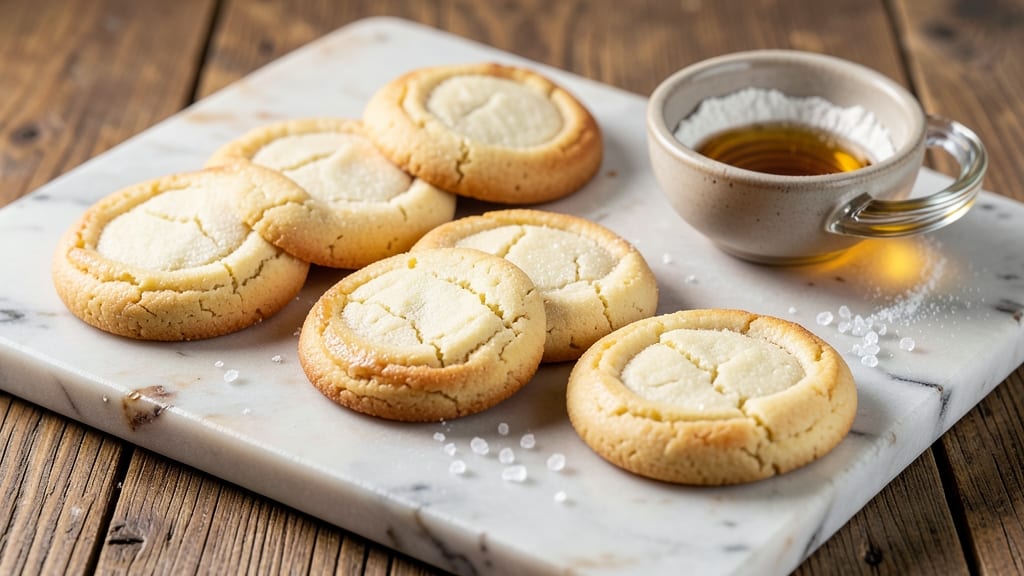
This 5-star shortbread cookie recipe delivers the buttery, melt-in-your-mouth texture that makes them irresistible—no crumbs in sight. The secret lies in precise ingredient ratios and gentle handling, transforming simple pantry staples into delicate, golden cookies that crumble perfectly.
I’ve perfected this technique over years, ensuring every batch achieves that signature restaurant-worthy quality at home.
What sets these apart is the foolproof method that guarantees tender, crumbly shortbread without drying out. Cold butter creates flaky layers, while a touch of cornstarch prevents spreading, and baking at a precise temperature ensures even golden edges.
No fancy equipment needed—just patience and attention to detail for results that rival the best bakery versions.
The reward? Buttery, melt-in-your-mouth cookies with a delicate crunch, ideal for gifting, holiday treats, or satisfying your sweet tooth. The texture is so tender it practically dissolves on your tongue, yet holds its shape beautifully.
Pair with tea or coffee for the ultimate indulgence—this recipe is your ticket to bakery-quality shortbread every time.
Ready to master the art? The instructions walk you through mixing, shaping, and baking with confidence, plus variations like citrus zest or vanilla infusions to elevate these classics. Let’s get started on cookies that’ll earn five-star reviews from anyone who tries them.
Ingredients for 5 star shortbread cookie
Cold butter, sifted flour, and precise ratios—these seven staples create bakery-quality shortbread every time.
| Ingredient | Amount | Notes |
|---|---|---|
| Unsalted Butter 🧈 | 1 cup | Cold, cubed for flaky texture |
| All-Purpose Flour 🌾 | 1 ½ cups | Sifted for lightness, preferred |
| Granulated Sugar 🍚 | ¼ cup | Superfine preferred for smoothness |
| Cornstarch 🌾 | 2 tbsp | Prevents spreading, essential |
| Diamond Crystal Kosher Salt 🧂 | ½ tsp | Fine grain preferred |
| Vanilla Extract 🌿 | 1 tsp | Pure, high-quality preferred |
| Lemon Zest 🍋 | 1 tsp | Freshly grated, optional |
| Heavy Cream 🥛 | 1 tbsp | Cold for texture, optional |
| Almond Extract 🌿 | ½ tsp | For depth, optional |
The butter is non-negotiable here. European-style unsalted butter like Plugrá or Miyoko's delivers the richest flavor, but any high-fat butter works. Keep it cold—cubed and straight from the fridge—so it creates those signature flaky layers. If your butter feels soft, chill it for 15 minutes. For the flour, King Arthur or Gold Medal are reliable choices, but sift it no matter what brand you use. Cornstarch is the secret weapon—it prevents spreading and keeps those edges crisp. Grab the Diamond Crystal brand if you can; it's finer and dissolves better than generic kosher salts.
No vanilla extract? Almond extract at half the amount gives depth, or skip it entirely—shortbread is delicious plain. Short on sugar? Confectioners' sugar at the same quantity works, but it'll be slightly grittier. The lemon zest is optional, but worth it for that bright, citrusy note. If you're feeling adventurous, swap the zest for orange zest or a pinch of cardamom. The heavy cream is a game-changer for texture, but omit it if you prefer classic shortbread. Just remember: the colder your butter, the more tender your cookies.
Wrap the dough in plastic and chill for at least 1 hour—up to 24 hours if you're prepping ahead. Store baked cookies in an airtight container with parchment between layers to keep them crisp. They'll stay fresh for 5-7 days at room temperature. For longer storage, freeze the shaped dough balls on a tray, then transfer to a bag. Bake straight from frozen—just add 2 minutes to the time. These cookies reheat beautifully; pop them in a 200°F oven for 3-5 minutes to restore that buttery crunch.
Why You'll Love This Recipe
- No Mixer Needed: I swear by this recipe because it’s literally three ingredients plus a pinch of salt—no fancy techniques, no food processor, just cold butter and flour cut into crumbs. My hands and a fork are all I need, and honestly? The texture comes out better than anything I’ve ever bought.
- Butter Bliss: That rich, cold butter—just cubed and worked into the dough—melts into pure, golden satisfaction. The sugar caramelizes just enough for a subtle sweetness, while the cornstarch keeps them from turning into sad, greasy blobs. Between us, this is the kind of cookie that makes people pause mid-bite.
- Party in a Box: These freeze like champs, so I bake a batch when guests are coming and pull them out as needed. They’re fancy enough for holiday gifts (wrap them in parchment, tie with ribbon) but simple enough for a Tuesday night with coffee. My in-laws think I’m a genius—no one knows it’s the same dough.
- Budget Magic: A pound of butter and a bag of flour stretch for dozens of cookies, and they keep for weeks in an airtight container. I’ll be real: I’ve reheated leftovers in the oven for breakfast toast, and no one judged me. That’s right—this recipe pays for itself in versatility.
Step-by-step instructions for perfect shortbread cookies
Here's how to craft restaurant-quality shortbread with a signature buttery crunch.
Cube and Chill the Butter
Cut the 1 cup unsalted butter into ½-inch cubes and place them on a plate. Refrigerate for 30 minutes until completely firm but still pliable. This cold butter is the secret to those signature flaky layers and crisp edges. If you're impatient, pop the butter cubes in the freezer for 15 minutes—just don't let them turn to stone.
I like to test the butter by pressing a cube gently with my finger. It should hold its shape but still yield slightly. This texture ensures the butter stays cold during mixing, which prevents the cookies from spreading too much in the oven. Pro tip: Use the coldest butter you can work with—this makes all the difference in texture.
Mix Dry Ingredients for Lightness
In a medium bowl, whisk together the 1.5 cups all-purpose flour, 0.25 cup granulated sugar, 2 tbsp cornstarch, and 0.5 tsp diamond crystal kosher salt. The cornstarch is non-negotiable here—it prevents spreading and adds that signature shortbread tenderness. Sift the flour first if you have a sifter, or whisk it vigorously to break up any lumps.
Next, stir in the 1 tsp vanilla extract, 1 tsp lemon zest, 0.5 tsp almond extract, and 1 tbsp cold heavy cream. The extracts and zest add depth without overpowering the buttery flavor. The heavy cream gives the dough just enough moisture to bind without making the cookies dense. Mix until the dry ingredients are evenly distributed—you should see flecks of zest and no dry spots in the flour.
Cut in the Butter for Maximum Flakiness
Add the chilled butter cubes to the dry mixture and use a pastry cutter, two forks, or your fingers to work the butter into the flour until you achieve a crumbly, pea-sized texture. This step is all about creating those signature flaky layers. Press the mixture together gently—it should hold when you squeeze it but still feel dry and crumbly.
If the mixture starts to stick together, return it to the refrigerator for 5-10 minutes to firm up. The butter should still be cold enough to hold its shape when pressed. Overworking the dough here will develop gluten and make the cookies tough, so work quickly and efficiently. The goal is a texture that resembles coarse sand—just moist enough to hold together but still distinctly crumbly.
Shape and Chill the Dough
Turn the dough out onto a lightly floured surface and press it into a 1-inch thick rectangle. Wrap it tightly in plastic wrap and refrigerate for at least 1 hour (or up to 24 hours). Chilling firms up the butter and relaxes the gluten, which prevents the cookies from spreading in the oven. This step is crucial—skipping it will result in flat, cakey cookies instead of the classic shortbread shape.
For even better results, I like to divide the dough into 4 equal portions before chilling. This makes it easier to handle later and ensures uniform baking. The dough should be cold but still pliable when you're ready to roll it out. If it's too firm, let it sit at room temperature for 5-10 minutes before shaping.
Roll, Cut, and Bake to Golden Perfection
Preheat your oven to 325°F and line two baking sheets with parchment paper. On a lightly floured surface, roll one portion of the chilled dough to ¼-inch thickness. Use a 2½-inch round cutter to cut out cookies, pressing straight down without twisting. Re-roll the scraps and cut more cookies until you've used all the dough.
Place the cut-out cookies on the prepared baking sheets, spacing them 1 inch apart. Bake for 12-15 minutes until the edges are just beginning to turn golden and the centers still look slightly pale. The cookies should be firm to the touch but not browned. Rotate the baking sheets halfway through for even baking. Let the cookies cool on the baking sheet for 5 minutes before transferring to a wire rack to cool completely.
Pro Tips For Making 5 Star Shortbread Cookie
- CHILL THE DOUGH: Use the palm of your hand to press the butter-flour mixture into a flat disk, wrap it tightly in plastic, and refrigerate for at least 2 hours. I learned this the hard way—skipping this step makes the cookies spread like sad pancakes when they hit the oven.
- WEIGH THE BUTTER: Use a kitchen scale for the butter (and flour) if you can—aim for 225 grams of cold, cubed butter, not melted. After burning three batches with overly soft butter, I finally realized temperature control starts here. The cubes should hold their shape when pressed.
- PRESS, DON’T ROLL: Shape the dough into a ½-inch-thick log by pressing it firmly with your hands, not rolling it. Rolling introduces too much heat, and the butter starts melting before it even hits the oven. This keeps the cookies crisp and clean-edged.
- SALT THE EDGES: Sprinkle a light pinch of Diamond Crystal kosher salt (about ¼ teaspoon) over the cut dough before baking. It won’t taste like a salted caramel cookie, but it’ll add a subtle contrast that makes the buttery richness pop—like a whisper of sophistication.
Dietary considerations for these flavors
Gluten-Free Adaptation
Replace the 1.5 cups all-purpose flour with 1 cup gluten-free 1:1 baking flour (like Bob’s Red Mill) mixed with ½ cup almond flour for structure. Add 1 tsp xanthan gum to mimic gluten’s binding properties.
Chill the dough longer—2 hours minimum—since gluten-free doughs spread more. Bake at 300°F for 14-16 minutes to prevent over-browning. 🌾
Dairy-Free Options
Swap the 1 cup unsalted butter for 1 cup dairy-free butter (like Miyoko’s or Earth Balance) or ½ cup coconut oil (solidified). Use ½ cup dairy-free heavy cream (like So Delicious) for moisture.
The texture will be slightly denser but still buttery. For extra richness, add 1 tbsp dairy-free milk powder to the dry ingredients. 🥛
Nut-Free Version
Omit the almond extract and almond flour entirely. Boost vanilla to 1.5 tsp and add ½ tsp orange zest for depth. Use 1 cup oat flour (blended oats) instead of almond flour for a neutral base. The cookies will be slightly heartier but maintain that signature crumble. 🍊
Refined Sugar-Free
Replace the 0.25 cup granulated sugar with 0.25 cup coconut sugar or 0.2 cup monk fruit sweetener (like Lakanto). Reduce the cornstarch to 1 tbsp since sugar-free sweeteners can dry out the dough.
Bake at 325°F for 10-12 minutes—they’ll firm up more as they cool. The texture stays tender but with a subtle caramel note. 🌿
Low-Carb Modification
Use 1.5 cups almond flour (blended fine) instead of all-purpose flour. Reduce sugar to 0.125 cup erythritol or monk fruit blend and omit the cornstarch. Add 1 tbsp psyllium husk powder to bind the dough.
Chill for 3 hours and bake at 300°F for 16-18 minutes. These hold their shape beautifully and have a satisfying crunch. 🥜
Nutrition facts
Frequently asked questions
Why does my shortbread dough keep sticking together?
The butter might be too warm or the flour needs more sifting. Chill the dough for 10-15 extra minutes and work with colder butter cubes. If it's still sticky, add 1-2 tbsp more flour until it holds shape when pressed. The dough should feel crumbly like wet sand, not gluey.
Can I make these cookies without a cookie cutter?
Use a 2½-inch round bowl or even a glass to cut circles. For shapes, try a small knife to slice rectangles or a fork to make crisscross patterns. Just press straight down without twisting to maintain even thickness. The key is consistent pressure—about ¼-inch thick for perfect baking.
How do I prevent my shortbread from spreading too much?
Cold butter is your best friend—keep it chilled and work quickly. The cornstarch helps too, but the real secret is baking at 325°F for 12-15 minutes until just golden. Avoid overbaking, which causes spreading. For extra insurance, roll the dough ¼-inch thick and place cookies 1 inch apart on the tray.
Should I bake shortbread on the top or bottom rack?
Use the middle rack for even baking. The top rack can over-brown edges too quickly, while the bottom may leave centers undercooked. Rotate the baking sheets halfway through for perfect golden edges. If your oven runs hot, reduce temperature to 300°F and bake 1-2 extra minutes. Always check at 12 minutes—they're done when edges are just beginning to color.
How can I make these cookies look extra fancy?
Press a small fork into the tops before baking for a crisscross pattern. For decorative edges, use a small knife to trim uneven cuts. After baking, dust with powdered sugar or sprinkle with flaky sea salt while still warm. For a gourmet touch, pipe chocolate ganache in swirls between layers when stacking. The key is patience—let cookies cool completely before decorating.