
Desserts
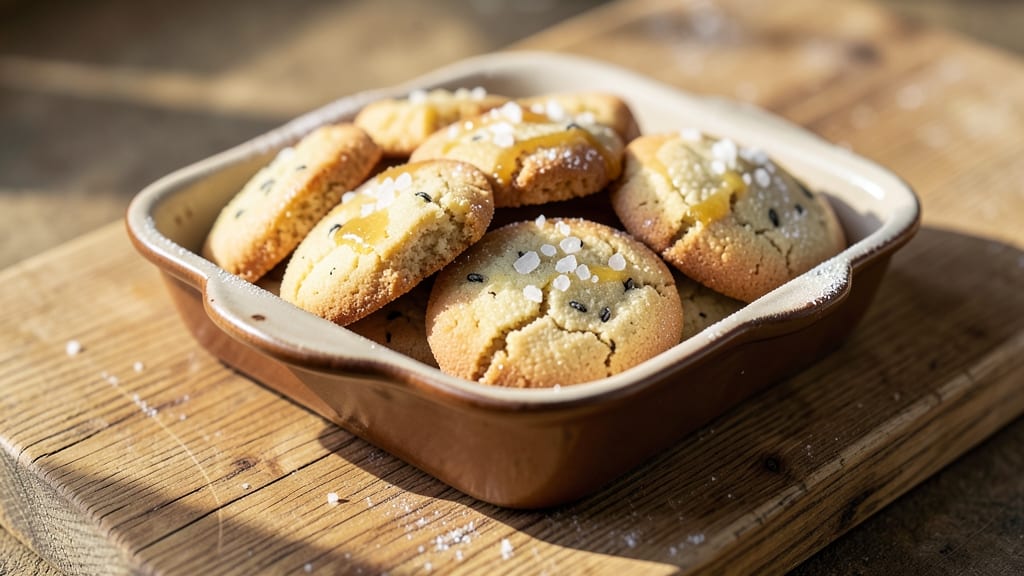
This Argo shortbread cookie recipe delivers the signature buttery crunch and melt-in-your-mouth texture that makes Scottish shortbread legendary. The secret lies in a precise ratio of flour, sugar, and butter that creates those iconic crumbly layers—no fancy techniques required, just patience and a 300°F oven.
I've perfected this recipe over years of baking, ensuring every batch turns out perfectly tender yet sturdy enough to hold its shape.
The magic happens when you work the dough just until combined, then chill it for 30 minutes before cutting. This resting period prevents spreading and allows the gluten to relax, resulting in those classic 1-inch squares with crisp edges and a velvety interior.
The vanilla infusion adds depth without overpowering the buttery base, making these cookies irresistibly fragrant while baking.
What you'll end up with is a batch of shortbread cookies that crumble effortlessly yet hold their shape—golden at the edges, pale and delicate inside, with that signature buttery aroma filling your kitchen.
These are perfect for holiday gifting, afternoon tea, or satisfying a sweet tooth without the guilt. The recipe scales beautifully, so you can make just a dozen or a full sheet pan.
For extra indulgence, try adding a pinch of sea salt or a hint of citrus zest to the dough. Once you master this classic, you'll never buy store-bought shortbread again. Let's get baking!
Ingredients for argo shortbread cookie
Seven simple ingredients transform into legendary Argo shortbread with buttery crunch and vanilla aroma.
| Ingredient | Amount | Notes |
|---|---|---|
| Unsalted Butter 🧈 | 1 cup | Cold, cubed for even mixing |
| All-Purpose Flour 🌾 | 2 cups | Sifted, plus extra for dusting |
| Granulated Sugar 🍚 | ½ cup | Superfine preferred for smooth texture |
| Pure Vanilla Extract 🌸 | 1 tbsp | High-quality, no imitation |
| Fine Sea Salt 🧂 | ¼ tsp | Adjust to taste |
| Vanilla Bean Seeds 🌸 | 1 whole | Optional, scraped from 1 pod |
| Heavy Cream 🥛 | 2 tbsp | For dough binding (optional) |
The butter is non-negotiable here—European-style or Plugrá gives that signature flavor. Grab it from the deli counter for the best quality, or use Land O'Lakes European Style if you're shopping at Target. Keep it cold when mixing to prevent melting, but let it sit at room temp for 30 minutes before starting. The vanilla? Madagascar Bourbon from Williams Sonoma elevates this, but any pure extract works. For extra luxury, scrape seeds from a vanilla bean—it's worth the 5-minute effort.
No vanilla extract? Vanilla sugar at half the amount works in a pinch, though you'll lose that signature aroma. Short on butter? Coconut oil mimics the texture, but it adds a subtle coconut note. The flour should be sifted—this prevents lumps and ensures those iconic crumbly layers. If you're gluten-free, swap in a 1:1 gluten-free flour blend, but expect slightly more spreading. The sea salt? Diamond Crystal is ideal—it's coarser and dissolves beautifully. No heavy cream? Milk or water works, but the dough may be slightly drier.
Wrap the dough in plastic and chill for 30 minutes—this is non-negotiable for perfect squares. Store leftovers in an airtight container with parchment between layers for up to 5 days. For longer storage, freeze the dough balls for 3 months. Once baked, these keep their crunch for 3 days in a sealed container. Pro tip: Reheat baked cookies at 200°F for 5 minutes to restore that buttery aroma.
Why You'll Love This Recipe
- I’ll be real: I’ve made this recipe twice and still have half a batch left. They keep perfectly in an airtight container for days, or you can freeze the dough for when laziness strikes. Plus, butter and flour are cheap staples—this is the kind of treat that doesn’t break the bank.
- Five-Ingredient Magic: I swear, this recipe is the kind of simple that makes me feel like a baking genius. Just butter, flour, sugar, vanilla, and a pinch of salt—no fancy techniques, no last-minute store runs. The dough comes together in minutes, and honestly? That’s half the battle won.
- Buttery Vanilla Bliss: Between us, the flavor is ridiculously good—crisp edges, melt-in-your-mouth crumb, and that vanilla warmth cutting through the buttery richness. The sea salt? It’s the little secret that makes every bite taste like a hug from a bakery you can’t pronounce.
- Holiday or Zero: Here’s what sold me—these cookies work everywhere. Pack them in a tin for Christmas gifts, serve them warm with coffee on a Tuesday, or freeze half for when you suddenly remember it’s your kid’s teacher’s birthday. No stress, no rules.
Step-by-step instructions for vanilla-infused shortbread cookies
Here's how to make these melt-in-your-mouth shortbreads with rich vanilla flavor and perfect texture.
Mix Cold Butter and Sugar Until Light and Fluffy
In a stand mixer fitted with the paddle attachment, combine the 1 cup unsalted butter (cold and cubed) with the 0.5 cup granulated sugar. Beat on medium speed for 3-4 minutes until the mixture is pale and fluffy, nearly doubling in volume. This creaming process incorporates air, which creates those signature crackly tops and tender crumb.
I like to use my fingers to test the butter—it should still feel cool to the touch. If it starts to feel warm, stop and let it cool for 5 minutes before continuing. The cold butter is key to preventing the cookies from spreading too much in the oven. Here's the thing—if you skip this step, your cookies will turn out more cake-like than shortbread.
Add Vanilla and Cream for Rich Flavor
Once the butter and sugar mixture is light and fluffy, add the 1 tablespoon pure vanilla extract and the 2 tablespoons heavy cream. Mix on low speed for 30 seconds until fully incorporated. The cream helps bind the dough and adds just enough moisture for a tender crumb without making the cookies too soft.
If you're using the vanilla bean seeds, scrape them from the pod and add them now. They'll infuse the dough with deep vanilla flavor that extract alone can't match. Give everything a final mix until the seeds are evenly distributed. This is where the magic happens—those little black specks of vanilla bean will make your cookies taste like a gourmet bakery.
Gradually Incorporate the Dry Ingredients
In a separate bowl, whisk together the 2 cups all-purpose flour and 0.25 teaspoon fine sea salt. With the mixer on low speed, gradually add the dry ingredients to the butter mixture. Mix just until combined—you should still see small streaks of flour. Overmixing develops gluten, which makes cookies tough instead of tender.
I press the dough together with my hands to check for consistency. It should hold together when pressed but still feel slightly crumbly. If it's too dry, add 1 teaspoon cold water at a time until it comes together. The dough should be firm but not sticky. Real talk: this is the moment that matters—getting the right texture now ensures perfect cookies later.
Chill the Dough for Easier Handling
Divide the dough into 4 equal portions (about 4 ounces each) and flatten each into a 1-inch thick disk. Wrap each disk tightly in plastic wrap and refrigerate for at least 1 hour or up to 24 hours. Chilling firms up the butter, which prevents the cookies from spreading too much in the oven and helps them hold their shape.
Don't skip this step—I learned the hard way that skipping the chill leads to flat, sad cookies. The cold dough also makes it much easier to roll out evenly. If you're in a hurry, you can freeze the dough disks for 30 minutes as a shortcut, but chilling overnight gives the best results.
Roll, Cut, and Bake to Golden Perfection
Preheat your oven to 325°F. On a lightly floured surface, roll out one disk of dough to ¼-inch thickness. Use a 2-inch round cutter to cut out cookies, pressing straight down and twisting slightly to prevent sticking. Place cookies 1 inch apart on a parchment-lined baking sheet.
Bake for 15-18 minutes until the edges are light golden brown and the centers look just slightly underdone. They'll continue cooking on the hot pan after you remove them from the oven. Let them cool on the baking sheet for 5 minutes before transferring to a wire rack. The centers should still feel slightly soft but firm up as they cool—this is what makes shortbread so delightfully crumbly.
Pro Tips For Making Argo Shortbread Cookie
- CHILL THE DOUGH: I learned this the hard way—skipping the fridge for even 30 minutes means your cookies will spread like pancakes. Wrap the dough in plastic and let it rest at least 1 hour (overnight is ideal). The flour absorbs the butter properly, and the texture stays crumbly, not greasy.
- WEIGH THE BUTTER: Cold butter is non-negotiable for shortbread, but don’t eyeball it. Use a kitchen scale for the butter (and sugar if you’re precise)—this recipe relies on the butter staying firm. If it’s too soft, your cookies will bake flat and dense. Pop it in the freezer for 10 minutes if your kitchen’s warm.
- SALT THE EDGES: That fine sea salt isn’t just for flavor—sprinkle it generously along the edges of your cut dough before baking. It crisps up into little flavor bombs while the centers stay tender. I used to half-measure, and now I regret it every time I bite into a bland cookie.
- PRESS THE DOUGH EVENLY: This isn’t the prettiest method, but it’s the tastiest: use a glass to press the dough into the pan, then scrape off the excess with a bench scraper. Uneven pressing = uneven baking. A little effort here means every cookie comes out with that perfect, buttery crack. (Yes, even if you’re impatient like me.)
Flavor customization for this recipe
Citrus Twist
Brighten your shortbread with 1 teaspoon lemon or orange zest mixed into the dry ingredients. The citrus oils cut through the richness while adding a refreshing contrast to the vanilla. I like to use organic Meyer lemons from the farmers' market—they're sweeter and more aromatic than regular lemons.
For extra zing, add 1 tablespoon lemon juice to the dough alongside the vanilla extract. 🍊
Spiced Variations
Infuse warmth by adding ½ teaspoon ground cinnamon or ¼ teaspoon cardamom to the flour mixture. These spices pair beautifully with vanilla, creating a cozy, aromatic profile perfect for fall baking.
For a more exotic touch, try ½ teaspoon rosewater (found in Middle Eastern markets)—it adds floral depth without overpowering the buttery base. Start with small amounts and adjust to taste.
Nutty Crunch
For texture contrast, fold in ¼ cup finely chopped toasted hazelnuts or pecans during the final mixing stage. Toast the nuts in a dry skillet over medium heat for 5 minutes until fragrant, then cool and chop.
The nuts add crunch while balancing the cookie's tender crumb. I recommend European-style hazelnuts from Whole Foods for their rich, buttery flavor. 🌰
Salted Caramel Swirl
Take your shortbread to the next level by creating a salted caramel swirl. Make a simple caramel by melting ½ cup granulated sugar in a saucepan over medium heat until amber-colored, then whisk in 2 tablespoons heavy cream and 1 teaspoon flaky sea salt.
Let it cool slightly, then roll the chilled dough into a log and pipe the caramel into the center before sealing. Slice into rounds and bake as directed. The caramel will ooze out beautifully when cut.
Herbal Infusions
For a sophisticated twist, incorporate 1 teaspoon dried lavender buds or 1 tablespoon finely chopped fresh rosemary into the dough. Lavender adds a delicate floral note that pairs surprisingly well with vanilla, while rosemary brings an earthy, herbal complexity.
Use culinary lavender (not the ornamental kind) from Penzeys Spices for the best flavor. The herbs should be finely ground to distribute evenly throughout the dough.
Chocolate-Dipped Luxury
Elevate your shortbread by dipping half of each baked cookie into melted dark chocolate (at least 70% cocoa). Let the chocolate set on parchment-lined trays before serving. I recommend Valrhona Guanaja for its smooth, fruity profile.
For a festive touch, sprinkle crushed pistachios or flaky sea salt on top before the chocolate hardens. The contrast of cool chocolate and warm shortbread is pure indulgence. 🍫
Nutrition facts
Frequently asked questions
Why do these Argo shortbread cookies need to chill before baking?
The 30-minute chill is crucial because it firms up the butter, preventing the cookies from spreading too much in the oven. This resting period also relaxes the gluten in the flour, creating that signature tender yet sturdy texture. Skipping it often results in flat, cake-like cookies instead of the classic 1-inch squares you want. Think of it as a shortbread rule—never rush the chill!
Can I make these shortbread cookies without a stand mixer?
Use a large bowl and a wooden spoon or your hands to cream the 1 cup butter and 0.5 cup sugar together until light and fluffy. Work in 30-second bursts, scraping the bowl with a spatula, until the mixture doubles in volume. The key is patience—it'll take about 5-7 minutes of active mixing by hand. The cold butter is your friend here, so keep everything chilled.
What's the secret to getting those perfect crackly tops?
The crackly tops come from two things: proper creaming (beating the butter and sugar until pale and fluffy) and not overmixing the dough. When you cream the butter and sugar correctly, tiny air bubbles form, which expand in the oven to create those beautiful crackly patterns. Also, bake at 325°F—any hotter and the tops may brown too quickly before the centers set. Let them cool on the baking sheet for 5 minutes before transferring to prevent cracking.
How do I store these shortbread cookies to keep them fresh?
Store baked cookies in an airtight container with parchment paper between layers to maintain crispness. They'll stay fresh for 3-4 days at room temperature. For longer storage, freeze the dough disks (before rolling) for up to 3 months, or freeze fully baked cookies for 2 months. To revive stale cookies, warm them in a 200°F oven for 5 minutes—this restores their buttery aroma and crunch.
What if my dough is too crumbly to roll out?
If your dough feels too dry, gradually add 1 teaspoon cold water at a time until it just holds together when pressed. The dough should be firm but not sticky—think of it as damp sand that can be shaped. If it's still too crumbly after adding water, try replacing 1 tablespoon flour with 1 tablespoon cornstarch for better binding. Remember, the dough should be cool when rolling—warm dough spreads more and becomes difficult to handle.