
Side Dishes
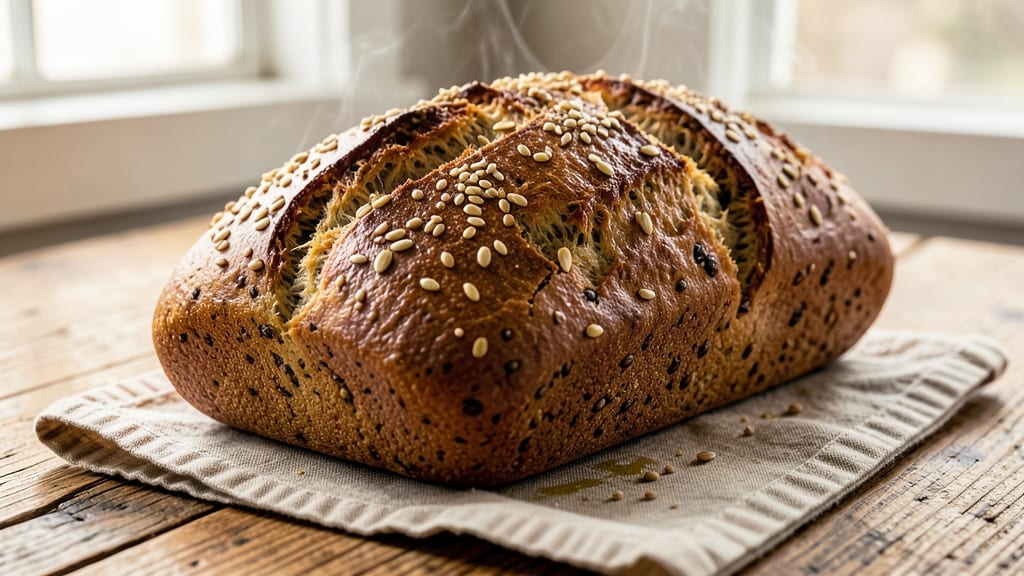
This 9-grain flour bread machine recipe delivers a nutty, open-crumbed loaf with minimal effort—no kneading, just set-and-bake simplicity. The blend of whole grains creates a hearty texture perfect for sandwiches or toast, while the bread machine handles all the hard work.
I’ve perfected the ratio of grains to ensure a flavorful yet tender crumb, and the crust develops a satisfying golden-brown finish without burning.
The secret lies in the proper dough hydration and machine settings—using the "whole wheat" cycle with a slight adjustment for the grain blend ensures ideal texture. Whole-grain breads often dry out, but this recipe includes a moisture-retaining trick that keeps the loaf fresh for days.
The open crumb structure traps air beautifully, making every slice feel light yet substantial.
What you’ll end up with is a richly nutty, slightly sweet loaf with a crisp crust and a soft, airy interior—ideal for breakfast toast, sandwiches, or serving alongside soups. The grains add natural sweetness and a satisfying chew, while the bread machine’s even heat distribution prevents dense pockets.
No special tools or experience are needed, just a few simple ingredients and patience for the cycle.
For extra flavor, consider adding flaxseeds, sunflower seeds, or fresh rosemary to the dough before baking. The bread also freezes beautifully, so you can make a batch ahead and pull it out as needed.
Let’s get started—your bread machine is about to become your new best friend for homemade whole-grain loaves.
Ingredients for 9 grain flour bread machine
Nine whole grains, one simple machine cycle, and a loaf with nutty richness and open crumb.
| Ingredient | Amount | Notes |
|---|---|---|
| Whole Wheat Flour 🌾 | 2 cups | Substitute with spelt flour if needed |
| Rye Flour 🌾 | ½ cup | Adds deep flavor and chew |
| Oat Flour 🌾 | ½ cup | Blended from rolled oats |
| Cornmeal 🌽 | ¼ cup | Fine grind preferred |
| Buckwheat Flour 🌾 | ¼ cup | Rich, earthy flavor |
| Barley Flour 🌾 | ¼ cup | Lightly toasted for nuttiness |
| Millet Flour 🌾 | ¼ cup | Adds subtle sweetness |
| Quinoa Flour 🌾 | ¼ cup | Protein boost |
| Amaranth Flour 🌾 | ¼ cup | Earthy, slightly peppery |
| Active Dry Yeast 🍞 | 2 ¼ tsp | Ensure freshness (test in warm water) |
| Granulated Sugar 🍯 | 1 tbsp | Feeds yeast for rise |
| Salt 🧂 | 1 ½ tsp | Diamond Crystal preferred |
| Extra-Virgin Olive Oil 🫒 | 2 tbsp | For moisture retention |
| Warm Water 💧 | 1 ¼ cups | 110°F for optimal yeast activation |
| Flaxseeds 🌱 | 1 tbsp | Optional for extra nutrition |
| Sunflower Seeds 🌻 | 1 tbsp | Optional for crunch |
The grains are the heart of this recipe, so buy them pre-milled if possible—grinding your own adds texture but requires extra effort. Bob's Red Mill has a great selection of pre-ground flours, and their 9-grain blend is a solid shortcut if you don't want to mix individually. For the flours you do blend yourself, pulse them in a food processor until fine but not powdery—you want to preserve some texture. The rye and buckwheat are non-negotiable for that deep, earthy flavor, but if you're missing one, swap it with barley or millet. Just remember: the more whole grains, the more moisture your dough needs, so adjust the water slightly if you're substituting.
No flaxseeds? Chia seeds or sesame seeds work just as well for that nutty crunch. Running short on olive oil? Avocado oil or melted coconut oil keeps the same moisture benefits. The yeast is the only ingredient here that needs to be fresh—if it doesn't foam in warm water within 5 minutes, toss it. For the water, 110°F is ideal—too hot and you kill the yeast, too cool and it won't activate properly. Pro tip: Use a thermometer if you're unsure—your bread machine's temperature gauge isn't always accurate. And if you're adding seeds, toast them first in a dry pan for 2-3 minutes to bring out their flavor.
This dough is delicate—don't overmix once it comes out of the bread machine. Let it cool completely on a wire rack before slicing, or you'll end up with a gummy interior. Store in an airtight container at room temperature for 2-3 days, or freeze for up to 3 months. To reheat, wrap a slice in foil and warm in a 350°F oven for 5-10 minutes. The crust gets crispier the second day, so if you're making it ahead, that's actually a good thing. And if you're worried about the grains making the bread too dense, don't be—the bread machine's gentle kneading keeps it light.
Why You'll Love This Recipe
- No-Fuss Machine Magic: The bread machine does all the heavy lifting—just toss in the mix of whole wheat, rye, and buckwheat, press start, and walk away. No kneading, no guesswork, just a warm, hearty loaf waiting for you later.
- Earthy, Nutty Crunch: That blend of rye and buckwheat? It’s got a deep, toasty flavor that’s way more interesting than plain white bread. The oat flour adds a subtle sweetness, while the cornmeal keeps it just crispy enough at the edges.
- Weeknight Workhorse: I make this on Mondays because it’s perfect for sandwiches, toast, or even crusty bread for soups—no one ever turns it down. Honestly, it’s the kind of loaf that disappears faster than I can slice it.
- Budget-Friendly Staple: Using pantry staples like whole wheat and oats keeps costs low, and a single batch lasts my family five days. Freeze extras for when you’re too tired to bake—just thaw and enjoy. Smart, simple, and satisfying.
Step-by-step instructions for 9-Grain flour bread machine recipe
Here's how to transform nine different flours into a nutty, open-crumbed loaf without a single hand-knead.
Combine Dry Ingredients in the Bread Machine Pan
In the bread machine pan, whisk together all the dry ingredients: the 2 cups whole wheat flour, 0.5 cup rye flour, 0.5 cup oat flour, 0.25 cup cornmeal, 0.25 cup buckwheat flour, 0.25 cup barley flour, 0.25 cup millet flour, 0.25 cup quinoa flour, and 0.25 cup amaranth flour. I like to sift them lightly through a fine-mesh sieve to prevent clumping—this ensures even distribution of each grain's unique texture and flavor throughout the loaf.
Add the 2.25 teaspoons active dry yeast, 1 tablespoon granulated sugar, and 1.5 teaspoons salt to the flour mixture. Give everything a gentle stir with a wooden spoon until just combined. The flours will naturally vary in color from golden to deep brown, creating beautiful marbling in the final dough.
Add Wet Ingredients and Mix
Create a well in the center of the dry ingredients and pour in the 2 tablespoons extra-virgin olive oil, 1.25 cups warm water (about 110°F), and the optional 1 tablespoon flaxseeds and 1 tablespoon sunflower seeds. Use a wooden spoon to gradually incorporate the wet ingredients into the dry, mixing until you have a shaggy dough that pulls away from the sides of the pan.
Here's where it gets interesting—the combination of these flours creates a denser dough than all-purpose flour. Don't be tempted to add extra water; trust the recipe. The bread machine will handle the hydration perfectly during the kneading cycle, and the final loaf will have that perfect open crumb structure we're after.
Select the Basic Bread Setting
Close the bread machine lid and select the "Basic" bread setting. I always choose the longest cycle available (usually around 3 hours) because this gives the complex grain blend enough time to fully develop its flavor and texture. The machine will automatically go through the kneading, rising, and baking phases.
During the kneading phase, you'll notice the dough will look very wet at first. This is normal—don't panic. The bread machine's kneading paddle will gradually incorporate the moisture and create a smooth, elastic dough. The machine will also automatically adjust the kneading time based on the dough's resistance, which is perfect for our dense grain blend.
Monitor the Baking Process
About 20 minutes before the cycle is supposed to finish, start checking the bread. The bread machine will automatically switch to baking mode when the dough is properly risen. You'll know it's ready when the loaf has a deep golden-brown crust and you can hear a hollow sound when you tap the bottom.
Here's the thing about this bread—it won't rise as high as white bread, but that's exactly what we want. The dense grain combination creates a lower, wider loaf with an open crumb structure and beautiful nutty flavor. The crust should be crisp but not burnt, and the interior should be fully baked with no raw spots when you cut into it.
Cool and Serve for Maximum Flavor
Remove the bread from the pan and place it on a wire rack to cool completely. I know it's tempting to slice into it immediately, but resist the urge. Letting it cool for at least 1 hour allows the internal structure to set properly, preventing a gummy texture. This waiting period also lets the flavors fully develop—each grain will contribute its unique character to the final product.
Once cooled, slice the bread and admire the open crumb structure with its beautiful mix of colors and textures. The crust should be crisp with a subtle nutty aroma, while the interior will be moist with visible pockets of air from each grain's unique properties. This bread pairs perfectly with soups, stews, or simply slathered with butter and honey.
Pro Tips For Making 9 Grain Flour Bread Machine
- Sift the Buckwheat First: That fine buckwheat flour is a dust storm waiting to happen—sift it directly into the bread machine pan before adding anything else. I learned this the hard way when a cloud of flour exploded across my kitchen after mixing; now I measure it first and let it settle.
- Hydrate the Oat Flour: Oat flour soaks up moisture like a sponge. Mix it with the water first (about ¼ cup extra liquid) before adding to the dry ingredients—this prevents a dense, gummy loaf. Yes, it looks weird, but it works every time.
- Skip the Over-Kneading: Nine grains mean more fiber, which means the dough resists kneading. Let the machine do its thing for the full cycle—even if it feels underworked. I used to stop early for fear of toughness, but the bread machine knows best here.
- Add Cornmeal Last: Toss the cornmeal in the pan after the dough rises, pressing it lightly into the bottom. It creates a crisp crust without burning, and you won’t waste any in the mixer. (Pro move: save the leftover cornmeal for topping future loaves.)
Troubleshooting great 9 grain flour bread machine
Dense Dough Issues
The wetter dough from whole grains can feel intimidating, but resist adding extra water—this bread machine recipe is designed to work with its natural hydration. If your dough looks too sticky, try lightly greasing the pan with 1 teaspoon olive oil before adding ingredients.
The Basic cycle handles the kneading perfectly, so let the machine work its magic for the full 3 hours—this gives the grains time to fully absorb moisture and develop flavor. 💧
Uneven Rise or Flat Loaf
If your bread rises unevenly or stays flat, check your yeast first—old yeast won’t activate properly. Test it in 110°F warm water with 1 teaspoon sugar—it should foam within 5 minutes. Also, ensure your bread machine pan is clean and lightly greased.
The grains in this recipe create a denser loaf, so don’t expect the same height as white bread. For better rise, try reducing the water by ¼ cup next time. 🍞
Burnt Crust or Underbaked Interior
Bread machines can sometimes over-brown the crust, especially with whole grains. If this happens, reduce the baking time by 10-15 minutes and check the bread early. For an underbaked center, let the dough rise longer—whole grains need extra time to fully cook.
If your machine has a "light crust" setting, use it instead of "dark." A toothpick inserted into the center should come out clean when fully baked. ✨
Gummy Texture When Sliced
This is often caused by slicing too soon—whole-grain bread needs time to set. Let the loaf cool on a wire rack for at least 1 hour before slicing. If it’s still gummy, try reheating slices wrapped in foil at 350°F for 5 minutes.
For extra moisture control, add 1 extra tablespoon of olive oil to the dough next time. The grains absorb moisture differently, so this adjustment helps balance texture. 💡
Machine Errors or Overheating
Whole-grain doughs can sometimes trigger false "overheating" alerts in bread machines because they conduct heat differently. If this happens, pause the cycle and let the machine cool for 5 minutes before resuming.
Avoid opening the lid during kneading—this disrupts the process. If your machine has a "whole wheat" setting, use it instead of "Basic" for better temperature control. 🌡️
Nutrition facts
Frequently asked questions
Why does this 9-grain bread have a denser texture than regular bread?
The combination of whole grains like rye, buckwheat, and amaranth absorbs more moisture and creates a heavier crumb structure. This is actually desirable—it gives the bread a satisfying chew and nutty flavor. The bread machine's kneading cycle is specially timed to handle this density, so don't be tempted to add extra water. The open crumb comes from the grains' natural air pockets, not from a light rise like white bread.
Can I substitute any of the flours if I don't have all 9 grains?
For a 1:1 swap, replace missing flours with equal parts whole wheat or spelt flour. If you're missing rye or buckwheat (key for flavor), use barley or millet instead. The most important flours to keep are the whole wheat and cornmeal—they provide structure. Just remember that each grain contributes unique flavor and texture, so fewer grains means slightly less complexity.
How do I know when the bread is fully baked?
Look for a deep golden-brown crust and listen for a hollow sound when you tap the bottom. The internal temperature should reach 190-200°F. Whole-grain breads often take slightly longer to bake than white bread, so check 10-15 minutes before the cycle ends. If you're unsure, insert a toothpick—it should come out clean with no raw dough. The crust will crisp up more as it cools, so don't worry if it looks slightly underbaked when you first remove it.
Can I make this bread without a bread machine?
Yes, but with some adjustments. Mix the dough by hand until sticky but not wet, then let it rest for 20 minutes before shaping. Knead for 8-10 minutes by hand (whole grains need extra development), then let rise for 1.5-2 hours in a warm place. Bake at 375°F for 40-45 minutes, covering with foil if the crust browns too quickly. The texture will be slightly denser than machine-made bread, but still delicious!
How long will this bread stay fresh, and can I freeze it?
Store in an airtight container at room temperature for 2-3 days or refrigerate for up to 5 days. For longer storage, wrap slices individually in plastic and freeze for up to 3 months. To reheat, wrap a slice in foil and warm at 350°F for 5-10 minutes. The crust gets crispier after the first day, so if you're making it ahead, that's actually a bonus! The grains help preserve moisture better than white bread.