
Side Dishes
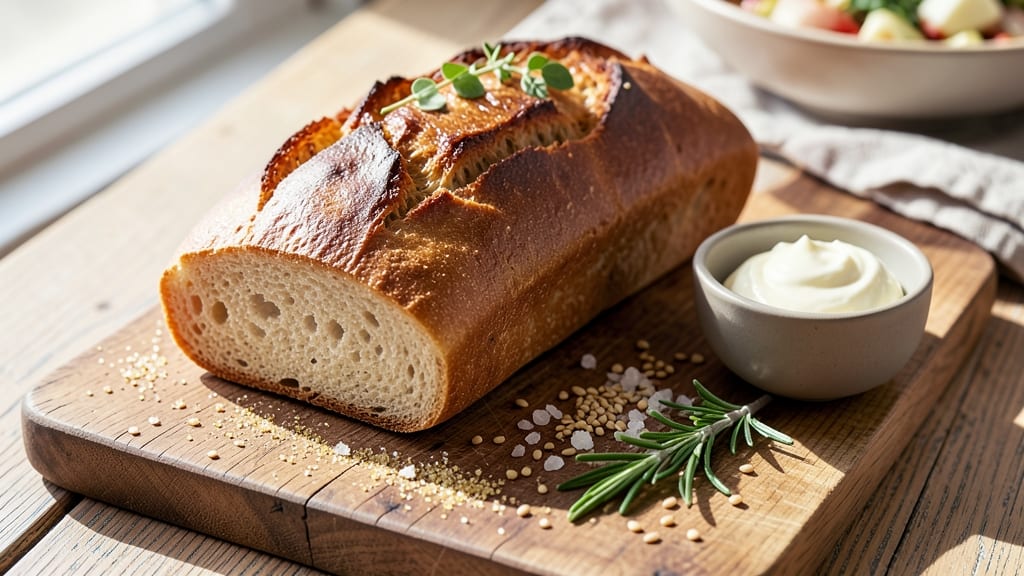
This bread recipe transforms ordinary loaves into moist, tender masterpieces that stay fresh for days—thanks to the secret ingredient: dry milk. 💛 The powdered milk enhances gluten development while adding subtle richness, creating a crumb that's both airy and satisfyingly dense.
I've perfected this technique over years of baking, ensuring your bread never turns stale prematurely.
The dry milk works by binding moisture within the dough, which prevents that dry, crumbly texture we all hate. This isn't just about extending shelf life—it's about achieving restaurant-quality bread at home with just one simple addition.
The recipe uses standard pantry ingredients, and the process is straightforward: mix, knead, proof, and bake, with optional egg wash for that golden finish.
What you'll end up with is a loaf that's soft yet sturdy, with a crisp crust and a tender interior that stays fresh for up to five days when stored properly.
The dry milk doesn't alter the bread's flavor—it simply elevates the texture, making every slice worth savoring. Perfect for sandwiches, toast, or serving alongside soups.
Whether you're making classic milk bread, brioche, or a simple sandwich loaf, this technique works wonders. The dry milk integrates seamlessly, so you won't notice it's there—just the improved results. Let's get started on creating bread that's as delicious as it is practical.
Ingredients for adding dry milk to bread
Standard pantry staples plus one game-changing powder for restaurant-quality bread at home.
| Ingredient | Amount | Notes |
|---|---|---|
| All-Purpose Flour 🌾 | 4 cups | Sifted for best texture |
| Nonfat Dry Milk Powder 🥛 | ¼ cup | Key for moisture retention |
| Instant Yeast 🍞 | 2 ¼ tsp | Ensure it's fresh |
| Granulated Sugar 🍚 | ½ tsp | Enhances browning |
| Salt 🧂 | 1 ½ tsp | Diamond Crystal preferred |
| Unsalted Butter 🧈 | ½ cup | Cold, cubed for dough |
| Large Eggs 🥚 | 1 whole | Room temperature |
| Warm Water 💧 | 1 ¼ cups | 110°F for activation |
| Whole Milk 🥛 | ¼ cup | Warmed for tenderness |
| Extra-Virgin Olive Oil 🫒 | 1 tbsp | For dough handling |
| Cornmeal 🌽 | ½ cup | For dusting surface |
| Egg Wash 🥚 | 1 whole | Optional for shine |
The dry milk is your secret weapon here—look for nonfat powdered milk in the baking aisle, not the coffee creamer section. Great Value or Store Brand works perfectly, but if you want to splurge, Organic Valley has a cleaner taste. The flour? King Arthur or Gold Medal are my go-tos—they handle the extra moisture from the dry milk without getting gummy. Keep your yeast in the freezer until use (it lasts 6-12 months that way), and if it's been sitting out, do the float test: toss a pinch in warm water—it should sink then rise in 10 minutes. Butter matters too: Plugrá is my favorite for consistency, but any unsalted stick works. Pro tip: cube the butter before measuring for even distribution in the dough.
No dry milk? Substitute 1/4 cup whole milk powder (though it won't bind moisture quite as well) or 1/2 cup plain Greek yogurt (reduce other liquids by 2 tbsp). Running low on butter? Coconut oil or vegetable shortening works in a pinch, but the flavor won't be identical. Egg wash optional but worth it—beat the egg with 1 tsp water for extra gloss. The warm water is crucial: too hot and you'll kill the yeast; too cold and it won't activate. 110°F is perfect—think warm bathwater. For the olive oil, any mild EVOO works, but avoid heavily flavored ones like infused oils. And if you're short on cornmeal, semolina or flour will do in a pinch.
This dough keeps for 24 hours in the fridge before baking—perfect for overnight prep. For longer storage, shape the dough into a log, wrap tightly in plastic, and freeze for up to 3 months. Thaw overnight in the fridge before baking. The finished loaf stays fresh 5-7 days at room temperature thanks to that dry milk magic. Slice with a serrated knife for clean cuts, and store in a bread bag or wrapped in a towel to prevent drying. Leftovers? Toast them—toast is the best way to revive stale bread, and this loaf toasts beautifully.
Why You'll Love This Recipe
- Here’s what sold me: I can bake a batch, slice it, and freeze it for weeks. Toss a few slices in the toaster later, and it’s like fresh bread—no sad, rubbery leftovers here.
- Pantry Magic: I swear, this bread comes together with stuff I already have—no special trips to the store. That dry milk powder? It’s my secret weapon for a tender crumb and subtle richness without extra effort.
- No-Yeast Night Fix: Honestly, I’ve burned yeast before, but this recipe uses instant yeast that just works. Mix it in dry, let it sit, and boom—no waiting around for proofing drama.
- Budget Stretch: Between us, this bread costs less than half of fancy artisanal loaves. The dry milk cuts down on fat while keeping it moist, so every slice feels like a treat without breaking the bank.
Step-by-step instructions for homemade bread with dry milk
Here's how to incorporate dry milk for that perfect balance of moisture and freshness.
👨🍳 Step 1: Mix the Dry Ingredients for Optimal Texture
In a large bowl, whisk together the 4 cups all-purpose flour, 0.25 cup nonfat dry milk powder, 2.25 tsp instant yeast, 0.5 tsp granulated sugar, and 1.5 tsp salt. The dry milk powder works its magic right here—it'll help retain moisture while keeping the bread tender for days. Sift the flour first for a lighter texture, then add the dry milk powder and other dry ingredients.
I like to use a whisk to break up any lumps in the yeast and sugar. The yeast should be fresh—if it's past its prime, it won't activate properly. Mix these ingredients thoroughly until they're evenly distributed and no flour pockets remain. This ensures your bread rises evenly and develops that perfect crumb structure.
🍳 Step 2: Incorporate Wet Ingredients and Form the Dough
Create a well in the center of the dry ingredients and add the 0.5 cup cold unsalted butter, 1 whole large egg, 1.25 cups warm water (about 110°F), and 0.25 cup warm whole milk. The warm water activates the yeast while the cold butter adds richness. Mix gently with a wooden spoon until a shaggy dough forms.
Once the dough comes together, turn it out onto a lightly floured surface. The dry milk powder helps here too—it prevents the dough from sticking while adding subtle flavor. Knead the dough for about 8-10 minutes until it's smooth and elastic. You'll know it's ready when it springs back slowly when poked. If it feels too sticky, add a little more flour (about 1 tbsp at a time).
🥘 Step 3: First Rise for Maximum Flavor Development
Shape the dough into a round or oval loaf and place it in a lightly greased bowl. Cover with a damp towel or plastic wrap and let it rise in a warm place for 1-1.5 hours, or until it doubles in size. The dry milk powder helps regulate fermentation, so you won't get that overproofed, dense loaf. You'll see bubbles forming on the surface and the dough will feel light when pressed gently.
I always place my bowl near a slightly warm oven with the light on—this creates the perfect environment for gentle rising. If your kitchen is cold, you might need to extend the rising time by 30 minutes. The goal is to let the yeast work its magic without overdoing it, which would make your bread dense.
🔥 Step 4: Shape and Second Rise for Crispy Crust
Punch down the risen dough and shape it into your desired loaf form. For a classic boules, divide the dough into 4 equal pieces (since this makes 4 servings) and shape each into a round. Place them on a baking sheet dusted with 0.5 cup cornmeal—this prevents sticking and adds texture. Cover again and let them rise for another 30-45 minutes until puffy.
Preheat your oven to 375°F while the dough rises. The dry milk powder helps here too—it creates a softer interior while maintaining that crispy crust. Just before baking, brush the loaves with 1 whole egg wash (beat the egg with a splash of water) for a golden finish. This step is optional but gives that bakery-style shine.
🔥 Step 5: Bake to Golden Perfection
Bake the bread for 25-30 minutes until the crust is deep golden brown and sounds hollow when tapped on the bottom. The dry milk powder helps lock in moisture, so you won't get that dry, stale bread the next day. For extra crispiness, you can place a tray of water in the oven during the first 10 minutes of baking—this creates steam for a softer crumb.
Let the bread cool on a wire rack for at least 30 minutes before slicing. The dry milk powder helps maintain freshness, so you can enjoy this bread for 5-7 days without losing that fresh-baked taste. Store it in an airtight container or wrapped in a clean towel to keep it soft and delicious.
Pro Tips For Making Adding Dry Milk To Bread
- SIFT THE MILK POWDER: Mix the nonfat dry milk powder directly into the flour before adding liquids—this prevents clumping and saves you from scraping stubborn lumps out later. I learned this the hard way when I tried adding it to warm water first, and it turned into a gritty mess.
- WEIGH YOUR FLOUR: Use a kitchen scale for the all-purpose flour—volume measurements (like cups) leave room for error, and this bread relies on precision. A 1-gram difference in flour can throw off the texture, especially with the milk powder’s moisture content.
- STOP THE KNEADING TOO SOON: The dough will feel tacky and resist shaping at first—keep kneading until it springs back slowly when poked (about 8-10 minutes by hand). I used to quit early because it felt "overworked," but that’s when the bread turns dense instead of light.
- LET THE YEAST BLOOM FIRST: Dissolve the instant yeast in the warm water (not hot) with a pinch of sugar, then wait 5 minutes before mixing it into the dough. This gives the yeast a head start and ensures it’s active—no one wants a flat, sad loaf because the yeast was asleep at the wheel.
Perfect pairings for this adding dry milk to bread
Buttery Spreads
Pair your dry milk bread with homemade cultured butter for an extra layer of richness. I love whipping 1 cup softened unsalted butter with 1 tbsp honey and a pinch of flaky sea salt—the sweetness complements the bread's subtle milkiness.
For a savory option, mix 1 cup softened butter with 1 tbsp fresh rosemary and 1 tsp garlic powder, then chill until firm. Spread generously on warm slices for a restaurant-worthy experience. 🧈
Sweet Jam Pairings
Balance the bread's mild flavor with fruit preserves that add brightness. Raspberry jam (I use Bon Appétit brand) or fig jam with walnuts create a perfect contrast. For a breakfast twist, try orange marmalade—the citrus cuts through the bread's richness.
Spread about 1 tbsp per slice and top with a sprinkle of toasted pecans for crunch. The dry milk keeps the bread moist enough to soak up the jam beautifully.
Cheese Boards
Create a charcuterie-style pairing with aged cheddar, brie, and smoked gouda. The dry milk bread's soft texture holds up well to sharp cheeses like cracked pepper jack or creamy goat cheese. Add dried apricots, walnuts, and honeycomb for a balanced bite.
For a quick assembly, arrange 4 oz cheese per person with 2 tbsp jam and 3 slices of bread—perfect for gatherings. The bread's extended freshness makes it ideal for multi-day cheese boards.
Soup Companions
Serve this bread with creamy soups like tomato basil or butternut squash. The dry milk bread's soft interior contrasts perfectly with brothy soups like chicken noodle or lentil. For a hearty meal, pair with French onion soup—the bread's moisture soaks up the rich broth beautifully.
I often toast slices lightly before serving to enhance the crust's texture. The bread's long shelf life makes it practical for meal prep too.
Breakfast Pairings
Transform your bread into a breakfast staple by topping with scrambled eggs, avocado slices, and everything bagel seasoning. The dry milk keeps it fresh for days, so you can prep ahead.
For a sweet breakfast, spread with almond butter and sliced bananas, or make French toast using thick slices. The bread's tenderness makes it ideal for soaking up syrups or custards without falling apart. Store leftovers in the fridge for up to 3 days for quick morning meals.
Nutrition facts
Frequently asked questions
Why does dry milk make bread stay fresh longer?
The dry milk powder acts as a natural moisture retainer, binding water molecules within the bread's crumb structure. This prevents the dreaded dry, crumbly texture that happens when bread loses moisture too quickly. The proteins in milk also help strengthen the gluten network, creating a more stable loaf that stays soft for 5-7 days instead of just 2-3.
Can I use regular powdered milk instead of nonfat?
Yes, but with a slight adjustment. Regular powdered milk (which contains fat) will make your bread slightly richer and denser. Use the same amount (0.25 cup), but you may need to reduce other fats like butter by 1 tablespoon to maintain proper texture. The fat content won't significantly alter the bread's freshness benefits, though.
What happens if I skip the dry milk?
Your bread will still bake fine, but it'll lose that signature tender crumb and freshness. Without the dry milk, you'll notice the bread dries out faster (typically within 2-3 days) and may develop a gummy texture. The dry milk also adds subtle sweetness that enhances the overall flavor. Think of it as the difference between store-bought bread and artisanal bakery loaves—same base ingredients, but one has that extra magic touch.
How much dry milk should I use in other bread recipes?
For most bread recipes, start with ¼ cup dry milk powder per 4 cups flour. This ratio works well for sandwich bread, milk bread, and brioche variations. For whole wheat or rye breads (which are naturally denser), you can reduce to 2 tablespoons since they absorb moisture differently. Always measure by weight (30g) for consistency—volume measurements can vary by brand.
Can I make this bread without an egg?
Replace the 1 whole egg with ¼ cup unsweetened applesauce or 2 tablespoons ground flaxseed mixed with 3 tablespoons water (let it sit for 5 minutes to thicken). The dry milk will still work its moisture magic, though the texture may be slightly less tender. For best results, use the flax "egg" as it mimics the binding properties more closely.