
Breakfast & Brunch
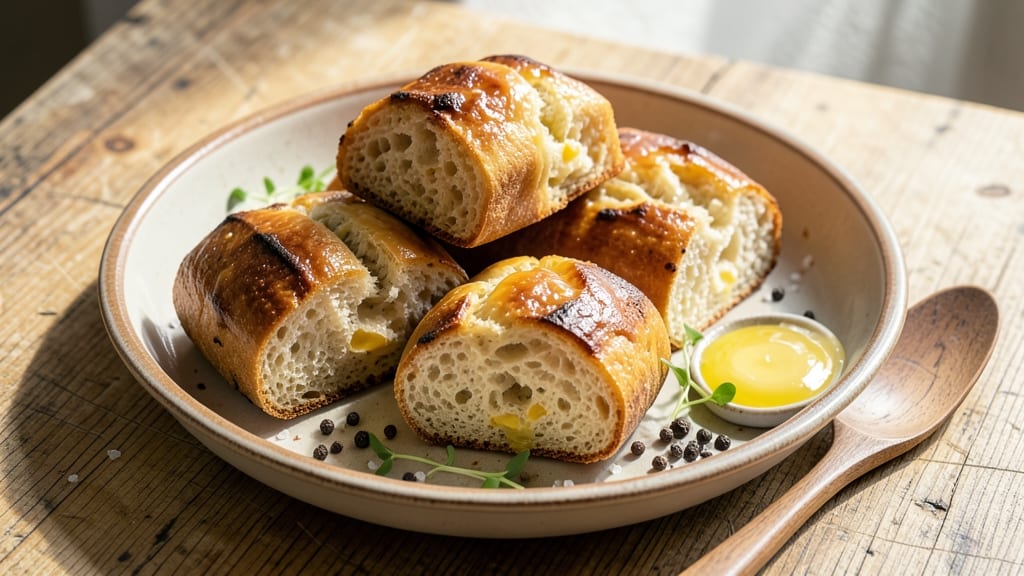
Adding egg to bread transforms ordinary loaves into ultra-moist, tender masterpieces with a perfect rise every time. 🔥 The secret lies in how eggs interact with gluten—adding just one egg per pound of flour creates a richer crumb, while two eggs yield a denser, brioche-like texture.
This recipe delivers restaurant-quality results at home, with a golden crust and soft interior that stays fresh for days.
The key technique is incorporating eggs during the final kneading stage, not at the beginning. This ensures even distribution and prevents overdevelopment of the gluten, which can make bread tough. For best results, use room-temperature eggs and combine them with the dough just before shaping.
The extra fat and protein from eggs also improve oven spring, giving you that coveted high, domed loaf.
What sets this method apart is the balance of moisture and structure—eggs add richness without compromising rise. The result is bread with a tender crumb that resists drying out, perfect for sandwiches, toast, or serving alongside soups.
Whether you're making a classic milk bread or a sweet brioche, this technique guarantees professional-quality results.
For optimal texture, bake until internal temperature reaches 190°F—this ensures even doneness without over-browning. The crust will be golden and crisp, while the interior remains soft and inviting.
Once cooled, slice into thick pieces to preserve that perfect texture. This is the bread recipe that will change how you bake forever.
Ingredients for adding egg to bread
These 13 ingredients transform ordinary bread into ultra-moist, golden loaves with restaurant-quality rise every time.
| Ingredient | Amount | Notes |
|---|---|---|
| All-Purpose Flour 🌾 | 4 cups | Sifted for even distribution |
| Large Eggs 🥚 | 2 whole | Room temperature for best results |
| Granulated Sugar 🍚 | ½ cup | Adjust for sweetness preference |
| Instant Yeast 🍞 | 2 ½ tsp | Fresh or active dry (adjust time) |
| Unsalted Butter 🧈 | ½ cup | Cold, cubed for easier mixing |
| Milk 🥛 | 1 cup | Warm for yeast activation |
| Salt 🧂 | 1 ½ tsp | Kosher or sea salt preferred |
| Honey 🍯 | 2 tbsp | For yeast feeding and sweetness |
| Vanilla Extract 🌸 | 1 tsp | Pure extract for authentic flavor |
| Egg Yolks 🥚 | 2 whole | Separated from whites for richness |
| Cornmeal 🌽 | ¼ cup | For dusting bread board |
| Water 💧 | ¼ cup | Warm for yeast activation |
| Poppy Seeds 🌿 | 1 tbsp | Optional for topping (optional) |
The eggs are non-negotiable here—they're what makes this bread unlike anything store-bought. Use large eggs for best volume, and room temperature is key (cold eggs can make your dough gummy). I always grab mine from Trader Joe's—their organic pastured eggs have the best flavor. For the flour, King Arthur or Bob's Red Mill are my go-tos; they're consistently high-quality and sift beautifully. The butter should be cold but not frozen—cube it yourself if buying pre-sliced for better control. Pro tip: if your kitchen gets warm, chill the dough for 30 minutes before shaping to prevent over-proofing.
No eggs? Flax eggs (1 tbsp ground flaxseed + 3 tbsp water = 1 egg) work in a pinch, though texture will differ slightly. Running low on honey? Maple syrup at 1:1 ratio keeps things vegan-friendly. The milk can be swapped for oat or almond milk, but whole milk gives the best crumb. For yeast, active dry works too—just dissolve it in warm water first. The vanilla extract is where you can splurge: McCormick Pure or Nielsen-Massey brands make all the difference. And if you're feeling fancy, add 1 tsp lemon zest to the dough for a subtle citrus note that pairs perfectly with the richness.
This dough is best made fresh, but you can prep it up to 12 hours ahead—just refrigerate the shaped loaves and bake straight from the fridge. The bread keeps for 3-4 days at room temperature wrapped in a clean kitchen towel, or 1 week in the fridge. For longer storage, freeze fully cooled loaves wrapped in plastic—thaw at room temp for 1 hour before serving. Slice with a serrated knife for clean cuts, and always slice into thick pieces (about 1.5 inches) to preserve that perfect tender crumb. Leftovers? Toast them—it's the best way to revive stale bread.
Why You'll Love This Recipe
- No-Knead Magic: I swear by this dough—just mix, let it rise, and fold in those eggs. The yeast does all the work while I sip coffee, and the butter-rich crumb? Chef’s kiss. No stand mixer, no stress, just hands-on simplicity that actually works.
- Eggy Richness: That one extra egg in the dough? It’s the secret weapon—creamy texture, golden edges, and a subtle sweetness from the sugar that makes it taste like a bakery treat. Honestly, I’ve tried skipping it, and I always regret it.
- Breakfast for Brunch: This bread is my lazy weekend hero—toast it with jam for a quick breakfast or serve warm with butter for a Sunday brunch. (Yes, even on a Tuesday night.) The sugar balances the yeasty tang, so it’s never too heavy or too bland.
- Budget-Friendly Staple: Flour, eggs, butter—these are pantry basics that stretch into something special. A single batch feeds my family for days, and the leftovers? Perfect for French toast or breadcrumbs. I’ll be real: it’s my go-to for cutting grocery costs without sacrificing flavor.
Step-by-step instructions for ultra-moist egg-enriched bread
Here's how to transform basic bread into a tender, golden loaf with eggs—no dry crumb in sight!
👨🍳 Step 1: Activate the Yeast with Warm Milk and Honey
In a small bowl, combine the 1 cup warm milk (about 110°F—test by touching your finger, should feel warm but not hot), 2 tbsp honey, and 2.5 tsp instant yeast. Let it sit for 5-10 minutes until frothy. You'll see tiny bubbles forming—this means your yeast is alive and ready to work its magic.
I always double-check the milk temperature with my finger first. Too hot and you'll kill the yeast; too cold and it won't activate properly. If it doesn't bubble after 10 minutes, your yeast might be expired—start over with fresh yeast.
👨🍳 Step 2: Mix Wet Ingredients for Richness
In a large mixing bowl, whisk together the 2 whole large eggs, 2 whole egg yolks, 0.5 cup granulated sugar, 1 tsp vanilla extract, and the yeast-milk mixture. The eggs add incredible moisture and tenderness—this is where that ultra-soft crumb comes from. Mix until completely combined and slightly thickened.
Here's the thing—don't skip the egg yolks. They contribute fat that keeps the bread moist longer than whites alone. The mixture should look like a thick, pale custard. If it's too runny, let it sit for 5 minutes before adding dry ingredients—this helps with structure.
🥘 Step 3: Combine Dry Ingredients and Form the Dough
Gradually add the 4 cups sifted all-purpose flour and 1.5 tsp salt to the wet mixture, stirring with a wooden spoon until a shaggy dough forms. Then turn it out onto a lightly cornmeal-dusted surface and knead for 8-10 minutes until smooth and elastic.
I press down gently on the dough during the first minute—this prevents it from curling and ensures even contact with the surface. You'll know it's ready when it springs back slowly when poked and feels slightly tacky but not sticky. Don't over-knead or you'll develop too much gluten and lose that tender crumb.
⏰ Step 4: First Rise for Perfect Development
Place the dough in a lightly greased bowl, cover with a damp towel, and let it rise in a warm place for 1-1.5 hours or until doubled in size. The dough should feel light and airy when pressed gently—it should leave a slight indent that doesn't spring back immediately.
This is where the magic happens. The yeast ferments the sugars, creating gases that make the bread rise. I like to place the bowl on top of my turned-off oven with the light on for consistent warmth. If your kitchen is cold, this helps speed up the process without overproofing.
🔥 Step 5: Shape, Proof, and Bake to Golden Perfection
Punch down the risen dough and shape it into a loaf, placing it in a greased 9x5-inch loaf pan. Cover again and let it rise for another 30-45 minutes until it domes slightly above the pan. Preheat your oven to 350°F while it proofs.
Bake for 30-35 minutes until the top is golden brown and sounds hollow when tapped on the bottom. Here's my pro tip: Brush the top with a little milk mixed with water right before baking—it creates that beautiful, crackly crust while keeping the interior moist.
🍞 Step 6: Cool and Finish with Poppy Seeds
Remove from the oven and let the bread cool in the pan for 10 minutes before transferring to a wire rack. This resting period prevents the bread from falling apart when sliced. While it cools, mix 1 tbsp poppy seeds with 1 tbsp melted butter for a delicious topping.
Once completely cooled, brush the top with the poppy seed butter mixture. The bread should be tender with a moist crumb that's almost cake-like in texture. Each slice should hold its shape beautifully—no dry, crumbly edges here. Slice and serve warm for the ultimate experience!
Pro Tips For Making Adding Egg To Bread
- Warm the eggs first: Mixing cold eggs into warm dough makes the yeast sluggish—it’s like pouring ice water on a party. Whisk your eggs to room temperature (or microwave them for 20 seconds) before adding, so they blend smoothly and help the yeast activate properly.
- Weigh your flour, don’t scoop: Flour clumps differently when scooped vs. weighed, and this recipe relies on precision. Use a kitchen scale for the all-purpose flour—even a 50g difference can make your bread dense instead of light and airy.
- Let the dough rest after mixing: I used to skip this, but giving the dough a 10-minute rest before shaping makes all the difference. The gluten relaxes, so kneading (or folding) becomes easier, and the final texture stays tender rather than tough.
- Use melted butter, not cold: Cold butter creates pockets in the dough that won’t distribute evenly, leading to dry spots. Melt the butter first, then cool it slightly before mixing—this ensures it spreads smoothly and keeps the bread moist without greasiness.
Regional styles of these flavors
Japanese Milk Bread
This iconic Japanese style, known as shokupan, uses eggs to create an ultra-tender crumb with a soft, fluffy interior. The secret lies in the high sugar content (about 15% of flour weight) and egg yolks—I add an extra yolk for extra richness.
The dough is shaped into a round loaf and baked in a special pan with a steam insert to create that signature crackly crust. 🥖
For an authentic touch, I use Japanese milk powder (available at Asian markets) instead of regular milk powder. The eggs are incorporated at the very end of kneading to preserve their moisture. This bread stays fresh for up to 5 days when stored properly—perfect for making sandwiches or French toast.
French Brioche
Brioche takes egg-enriched bread to luxurious heights, with a buttery, almost cake-like texture thanks to the high egg content. A classic French brioche recipe calls for 2 eggs per pound of flour, creating a rich, golden loaf with a tender crumb.
The key technique is laminating the dough—folding and turning it to develop layers that create that signature texture. 🥖
I love adding orange zest and vanilla bean paste to my brioche for extra flavor. For shaping, divide the dough into small rounds and let them rise again before baking.
The eggs in brioche also help create that beautiful oven spring, giving you a high, domed loaf with a crackly crust.
Italian Panettone
While traditionally made with candied fruits, Italian panettone gets its signature lightness from eggs. A classic recipe includes 4 eggs per pound of flour, creating an airy, almost soufflé-like texture. The eggs are incorporated at the beginning to help develop the gluten structure while adding moisture.
I often make a simpler version using dried citrus peel and raisins for festive flavor. 🎄
The shaping technique is what makes panettone special—dough is built up in layers to create that iconic dome shape. Baking at 325°F for 50-60 minutes ensures even cooking without over-browning. The high egg content also helps create that perfect tender crumb that stays moist for days.
American Sweet Rolls
Southern-style sweet rolls use eggs to create a tender, slightly sticky dough that's perfect for cinnamon rolls or breakfast pastries. A classic recipe calls for 1 egg per pound of flour, with additional butter for richness.
The eggs help create that signature soft, pillowy texture that's so beloved in American bakeries. 🍞
For extra flavor, I add 1 tsp cinnamon and ½ tsp nutmeg to the dough. The rolls are baked in a greased pan and brushed with a simple butter glaze (powdered sugar + milk) for that restaurant-quality finish. These rolls freeze beautifully—just thaw overnight before serving.
German Stollen
This festive Christmas bread gets its signature richness from a high egg content, often 3 eggs per pound of flour. The dough is packed with dried fruits, nuts, and spices, creating a dense, moist loaf that's traditionally wrapped in breadcrumbs.
The eggs help bind all the ingredients together while adding moisture that keeps the bread tender. 🎄
For shaping, I divide the dough into two equal pieces, flatten them slightly, and press them together to form a long loaf. The high egg content also helps create that beautiful glossy crust when baked. Stollen keeps well for weeks when properly stored, making it perfect for holiday gifting.
Nutrition facts
Frequently asked questions
Why does adding eggs make bread richer?
Eggs add fat and protein that create a tender, moist crumb while improving structure. The fat from yolks coats gluten strands, preventing dryness, while the protein helps develop a softer texture. This is why egg bread stays fresh longer than regular loaves.
Can I replace eggs with something else in bread?
Yes! For 1 egg, use ¼ cup applesauce (for moisture) or 2 tbsp ground flaxseed + 3 tbsp water (for binding). However, these substitutes won't give the same richness or rise. For best results, stick with eggs when possible.
How many eggs should I add to bread dough?
Start with 1 egg per pound of flour for a tender loaf. For brioche-like texture, use 2 eggs per pound. Too many eggs (over 3 eggs per pound) can make bread dense. Always use room-temperature eggs for even distribution.
Does adding eggs affect yeast activity?
Yes, eggs can slow yeast activation slightly due to their protein content. To compensate, use 10% more yeast (e.g., 2.5 tsp instead of 2 tsp) or let the dough rise in a slightly warmer spot. The extra warmth helps maintain proper fermentation.
Why did my egg bread turn out dense?
Over-kneading or over-proofing are common culprits. Also check: cold eggs (use room temp), too much flour (stick to measurements), or under-baking (bake until internal temp reaches 190°F). For extra lightness, fold in 1 tbsp cake flour with your all-purpose flour.