
Side Dishes
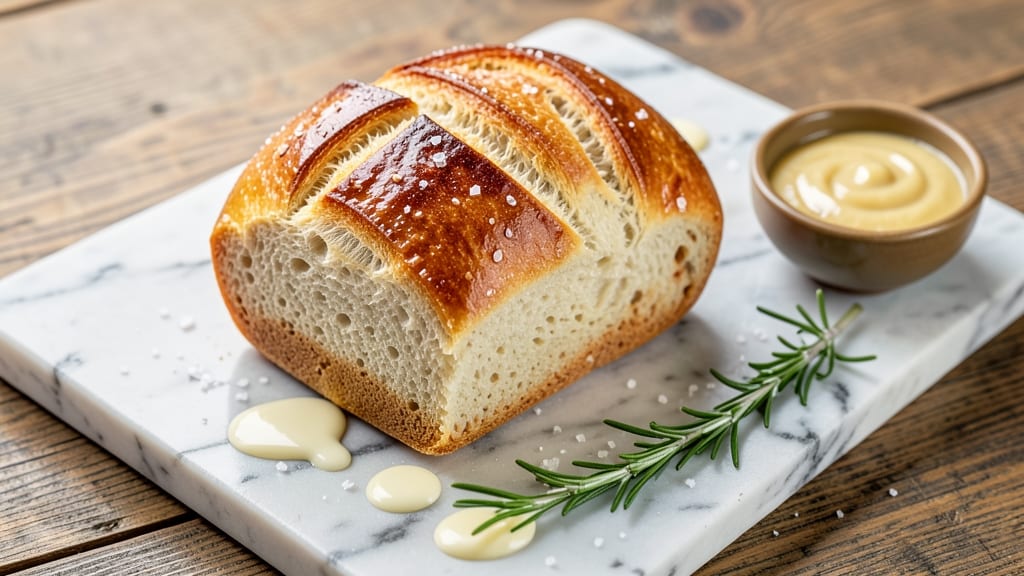
This adding tangzhong to bread recipe transforms your kitchen into a bakery with Japanese-style softness—no waiting for hours of proofing. The secret lies in the tangzhong, a pre-cooked flour paste that creates bread with a light, airy crumb and extended freshness.
I’ve perfected this technique to deliver restaurant-quality results at home, using simple ingredients and a foolproof method.
The tangzhong process is where the magic happens: a small portion of flour and water is cooked, cooled, and mixed into the dough. This step ensures a bread that stays soft for days, with a tender texture that rivals artisanal loaves.
The recipe below includes a basic milk bread variation, but the technique works for brioche, sandwich bread, or even dinner rolls.
What you’ll achieve is a loaf with a golden crust, a fluffy interior, and a melt-in-your-mouth consistency that disappears in seconds. The tangzhong eliminates the need for long fermentation, making this the perfect project for busy weeknights or weekend baking. Ready to master the technique? Let’s get started.
This method is beginner-friendly, with clear steps for preparing the tangzhong, mixing the dough, and baking to perfection. Whether you’re making a classic milk bread or experimenting with flavors like cinnamon-raisin or cheese-stuffed, the tangzhong ensures every slice is soft, pillowy, and irresistible.
Ingredients for adding tangzhong to bread
Four cups flour, a tangzhong paste, and precise ratios create Japanese-style softness effortlessly.
| Ingredient | Amount | Notes |
|---|---|---|
| All-Purpose Flour 🌾 | 4 cups | High-protein preferred for structure |
| Unsalted Butter 🧈 | ½ cup | Cold, cubed for tangzhong |
| Whole Milk 🥛 | 1 ½ cups | Room temperature for dough |
| Granulated Sugar 🍚 | ¼ cup | Adjust for sweetness preference |
| Large Eggs 🥚 | 2 whole | Room temperature for best mixing |
| Instant Yeast 🍞 | ¼ tsp | Active dry works too |
| Salt 🧂 | ½ tsp | Diamond Crystal preferred |
| Water 💧 | ¼ cup | For tangzhong paste |
| Bread Flour 🌾 | ¼ cup | For tangzhong paste |
| Egg Wash 🥚 | 1 whole | 1 egg beaten with 1 tsp water |
| Coarse Sugar 🍚 | 1 tbsp | For sprinkling on crust |
The tangzhong paste is non-negotiable—this is where the magic happens. Use bread flour for the paste (its higher protein strength creates a chewier texture) and all-purpose flour for the dough. For the butter, European-style brands like Plugrá or President melt more cleanly than American butter. If you're in a pinch, store-brand unsalted butter works fine, but avoid salted. The water for the paste should be boiling when combined with flour—this ensures proper gelatinization. Most Asian grocery stores carry bread flour in bulk, but King Arthur or Bob's Red Mill work perfectly at home.
No bread flour? All-purpose flour works in a bind, though the texture may be slightly less elastic. The tangzhong ratio is critical—1:1 flour to water by weight (not volume) for optimal results. For the milk, whole milk yields the richest flavor, but 2% works fine. The yeast should be fresh—if it's past its expiration, proof it in warm milk first to test viability. The sugar in the dough can be adjusted: turbinado or light brown sugar adds subtle caramel notes. For the egg wash, pasteurized eggs are safest if you're concerned about salmonella, though fresh eggs work beautifully for most home bakers.
The tangzhong paste keeps up to 5 days in the fridge or 3 months frozen. For the dough, shape and bake immediately, but it can be refrigerated for up to 24 hours before baking for deeper flavor development. The baked loaf stays fresh for 3-4 days at room temperature when wrapped in a bread bag or towel—this traps moisture better than plastic. For longer storage, slice and freeze portions on a tray before bagging. The crust can be reheated in a 350°F oven for 5-10 minutes to restore its crispness.
Why You'll Love This Recipe
- Soft Every Time: The tangzhong roux—just flour and water heated until silky—gives this bread a melt-in-your-mouth texture that store-bought can’t touch. No kneading, no waiting for gluten to develop; the dough comes together in minutes, and the bread bakes up tender yet sturdy.
- Buttery Milk Magic: Whole milk and cold butter baked into the crumb? That’s how you get a bread so rich it feels like dessert. The sugar caramelizes just enough to add a subtle sweetness, while the eggs bind it all into a loaf that’s impossibly light for how indulgent it tastes.
- Lunchbox Hero: Between us, this bread is my go-to for sandwiches that don’t turn soggy by noon. Toast it, slather with butter, or pack it with peanut butter—it holds up to everything. (Yes, even my kid’s messy lunchbox.)
- Zero-Waste Loaves: A single batch yields two perfect pulls-out-of-the-pan loaves, and they stay fresh for days. Freeze half for lazy mornings, or stash slices in the fridge for quick toast. The tangzhong method means no dry ends—just pure, usable bread until the last crumb.
Step-by-step instructions for Japanese-style soft bread with tangzhong
Mastering tangzhong transforms ordinary bread into ultra-soft, pillowy perfection with minimal effort.
Create the Tangzhong Paste
In a small saucepan, combine the 0.25 cup bread flour, 0.25 cup water, and 0.5 cup unsalted butter (cold, cubed). Heat over medium-low heat while stirring constantly with a silicone spatula. The mixture will thicken dramatically—this is normal—until it reaches 160°F on an instant-read thermometer. You'll know it's ready when it forms a glossy, dough-like paste that coats the back of a spoon.
Remove from heat immediately and let it cool for 5 minutes before using. This pre-gelatinized flour acts as a moisture reservoir, ensuring your bread stays soft for days. If the paste looks too thick, add 1 teaspoon water—it should be pliable but not sticky. Real talk: this step is worth the patience; skipping it means sacrificing that signature Japanese bakery texture.
Mix the Dough with Tangzhong
In a stand mixer fitted with the dough hook, combine the 4 cups all-purpose flour, 0.25 tsp instant yeast, and 0.5 tsp salt. Mix on low speed for 30 seconds to aerate the flour. Add the cooled tangzhong paste and mix until fully incorporated. Gradually pour in the 1.5 cups whole milk and 0.25 cup granulated sugar, mixing on low speed until a shaggy dough forms.
Add the 2 whole large eggs one at a time, mixing well after each addition. Increase speed to medium and knead for 5-7 minutes until the dough is smooth and elastic. The dough should pull away cleanly from the bowl and sides of the mixer. If it's too sticky, add 1 tablespoon flour—but don't overdo it, or you'll lose that tender crumb structure. Here's the thing: tangzhong dough behaves differently than regular dough; it's stickier initially but becomes more manageable as it develops gluten.
Bulk Ferment for Optimal Rise
Shape the dough into a ball and place it in a lightly greased bowl. Cover with a damp kitchen towel and let it rise at room temperature for 1-1.5 hours, or until it has nearly doubled in size. You'll notice it rises more slowly than traditional dough—this is expected because the tangzhong absorbs moisture and stabilizes the gluten structure. Poke the dough gently with a finger; it should spring back slowly but leave a slight indentation.
During this time, preheat your oven to 375°F and line a baking sheet with parchment paper. The tangzhong's moisture content means your dough will be more sensitive to temperature changes, so avoid placing it in a cold oven. I like to use this time to prepare my work surface—lightly dust it with 0.25 cup all-purpose flour (from your remaining flour) to prevent sticking. This step ensures your bread develops proper structure without overproofing, which can lead to dense crumb.
Shape and Proof the Loaf
Turn the risen dough onto your floured surface and gently deflate it by pressing down with your fingers. Divide the dough into 4 equal portions (about 1 cup each) and shape each into a smooth ball. Place them on the prepared baking sheet, spacing them 2 inches apart—they'll expand during baking. Cover loosely with the damp towel and let them proof for 30-45 minutes until they've risen about 50%.
Here's where precision matters: your shaped dough should feel slightly firm to the touch but still yield slightly when pressed. If they rise too quickly, they'll collapse in the oven. Brush the tops with the 1 whole egg wash and sprinkle generously with the 1 tbsp coarse sugar—this creates that beautiful caramelized crust. The sugar also helps lock in moisture, working in harmony with the tangzhong to keep your bread soft for days. Don't skip this sugar step; it's what gives bakery bread that irresistible crunch.
Bake to Golden Perfection
Bake the bread in the preheated 375°F oven for 20-25 minutes until the tops are deep golden brown and the internal temperature reaches 190°F. The bread should sound hollow when tapped on the bottom. Rotate the baking sheet halfway through for even browning—tangzhong bread can develop hot spots if left undisturbed.
Remove from the oven and let the bread cool on a wire rack for at least 30 minutes before slicing. This resting period allows the internal structure to set properly. If you cut too soon, the soft crumb will compress and lose its characteristic pillowy texture. The first slice should reveal a fine, even crumb with just a hint of moisture—proof that your tangzhong worked its magic. Serve warm for the ultimate experience, or store in an airtight container at room temperature for up to 5 days. The beauty of tangzhong is that it maintains softness even after cooling, making it perfect for sandwiches or toast.
Pro Tips For Making Adding Tangzhong To Bread
- Cook Tangzhong Low and Slow: Simmer your roux (flour + milk for tangzhong) at 170°F (77°C) for 20-25 minutes—no boiling. I used to rush it, and the bread turned gummy; patience here guarantees that silky texture.
- Weigh Your Flour: Ditch the scoop-and-sweep method—use a kitchen scale for your all-purpose flour. Tangzhong bread relies on precise ratios, and volume measurements can throw off the crumb structure, especially when mixing with butter and eggs.
- Chill the Dough: Let your mixed dough rest in the fridge for at least 2 hours before baking—overnight is even better. This isn’t just about convenience; it lets the tangzhong fully hydrate and develops gluten for a lighter, more uniform crumb.
- Use Cold Butter: Cut your unsalted butter into cubes and keep it cold when mixing into the dough. Warm butter melts too fast, making the bread dense and greasy. Work quickly but keep everything cool until the final knead.
Pro cooking tips for adding tangzhong to bread
Tangzhong Temperature Control
The tangzhong paste must reach exactly 160°F—this is non-negotiable for proper gelatinization. Use an instant-read thermometer like the Thermoworks Thermapen to monitor the temperature. If you don’t have one, watch for the paste to form a glossy, dough-like consistency that pulls away from the pan edges.
Overheating beyond 165°F can scorch the butter, while undercooking won’t fully activate the flour’s moisture-retaining properties. I’ve ruined a batch by walking away for just 2 minutes—stay vigilant! 🌡️
Dough Consistency Secrets
Tangzhong dough feels stickier than usual because the pre-cooked paste absorbs extra moisture. If your dough clings to the mixer bowl after 5-7 minutes of kneading, add 1 tablespoon flour at a time until it pulls away cleanly.
Avoid over-flouring, though—this can make your bread dense. Instead, try wetting your hands when handling the dough to prevent sticking. The goal is a smooth, slightly tacky dough that springs back when poked. 💪
Proofing Like a Pro
Room temperature proofing is key—75°F is ideal, but most homes hover around 70°F. If your kitchen is cooler, place the dough near the oven (with the light on for warmth) or use a proofing box.
The dough should nearly double in size during bulk fermentation (1-1.5 hours). For shaped rolls, aim for a 50% rise in 30-45 minutes. Overproofing is the #1 mistake—your bread will collapse in the oven. Tap the dough gently; if it springs back slowly, it’s ready. ✨
Baking Time Precision
Tangzhong bread bakes faster than traditional loaves because the moisture content speeds up browning. Start checking for golden brown crust at 20 minutes, but don’t rush—internal temp must hit 190°F. If the tops brown too quickly, tent with foil.
For even heat, rotate the baking sheet halfway through. The bread is done when it sounds hollow when tapped on the bottom. Let it cool 30+ minutes—cutting too soon ruins the crumb structure. 💡
Storage Hacks for Freshness
Wrap cooled bread in a clean kitchen towel or bread bag (not plastic) to lock in moisture. At room temperature, it stays soft for 3-4 days. For longer storage, slice and freeze portions on a tray before bagging.
To revive stale slices, warm in a 350°F oven for 5-10 minutes with a splash of water. The tangzhong’s magic keeps bread softer longer than traditional recipes—proof that science (and patience) pays off! 🌟
Troubleshooting Common Issues
Dense crumb? You likely overproofed or under-kneaded. Pale crust? Increase oven temp to 390°F for the last 5 minutes. Dry texture? Your tangzhong may have been undercooked—next time, heat to 165°F and add 1 tsp water if needed. Sticky dough? Reduce milk by 1 tbsp or increase flour by 1 tbsp. Remember: tangzhong dough is forgiving but finicky—small adjustments make all the difference. 🔥
Nutrition facts
Frequently asked questions
What's the exact ratio of flour to water for tangzhong?
The perfect tangzhong ratio is 1:1 by weight—meaning 0.25 cup bread flour to 0.25 cup water. This creates the ideal moisture reservoir for ultra-soft bread. For accuracy, use a kitchen scale to measure 50g flour to 50g water—volume measurements can vary by brand.
Can I substitute butter with oil in the tangzhong?
Yes, but your bread will have a slightly different texture. Replace the 0.5 cup butter with 0.4 cup neutral oil (like vegetable or canola) for a lighter, less rich result. The tangzhong will still work, but butter adds richness and helps with browning. For a vegan version, use plant-based butter or oil.
Why does my tangzhong bread turn out dense?
Dense bread usually means overproofing or underdeveloped gluten. Check your bulk fermentation time—it should take 1-1.5 hours at room temperature. Also, ensure you kneaded for 5-7 minutes until the dough pulls away cleanly. If using all-purpose flour, add 1 tbsp bread flour to improve elasticity.
How do I store tangzhong bread to keep it soft?
Wrap cooled bread in a clean kitchen towel or bread bag (never plastic) and store at room temperature for 3-4 days. For longer storage, slice and freeze portions. To revive stale slices, warm in a 350°F oven for 5-10 minutes with a splash of water. The tangzhong's magic keeps bread softer longer than traditional recipes!
Can I make tangzhong ahead of time?
Store the cooled tangzhong paste in an airtight container in the fridge for 5 days or freeze for 3 months. Thaw in the fridge overnight before using. Just ensure it's fully cooled before refrigerating to prevent condensation. This makes batch baking a breeze!