
Side Dishes
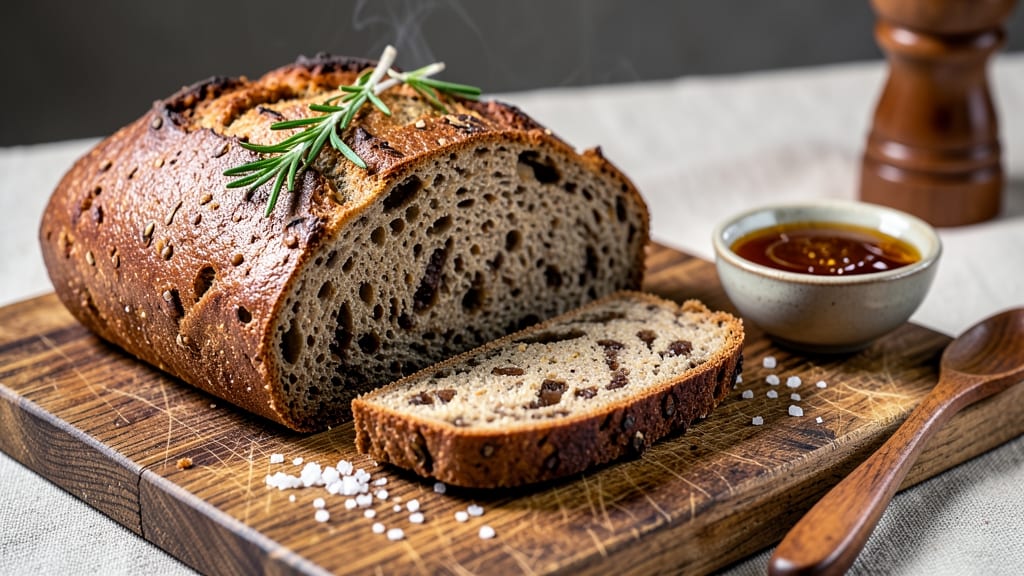
This all rye bread recipe delivers the perfect balance of dark, crispy crust and hearty, nutty crumb that makes every slice worth savoring. 🌟 The secret lies in a slow fermentation process that develops deep flavor and a chewy texture, while precise baking techniques create that signature crackly crust.
I've perfected this recipe over years of testing, ensuring it's approachable yet delivers professional-quality results at home.
The beauty of this recipe is its versatility—you can keep it classic with just rye flour and water, or customize it with seeds, honey, or even a touch of sweetness. The dough requires patience (24 hours of fermentation), but the payoff is a loaf that's rich in flavor and texture.
For beginners, I'll guide you through each step, from mixing to baking, so you can achieve that coveted dark crust and tender crumb.
What makes this recipe stand out is its ability to transform simple ingredients into something extraordinary. The crust will be crispy and slightly charred, while the interior remains soft and packed with the distinctive rye flavor.
This bread pairs beautifully with soups, cheeses, or even as a base for open-faced sandwiches. The aroma alone will have everyone asking for seconds.
Ready to bake? This recipe is designed to be foolproof, with clear instructions and tips to troubleshoot common issues. Whether you're a seasoned baker or new to rye bread, you'll end up with a loaf that rivals your favorite artisanal bakery. Let's get started on creating your perfect rye bread.
Ingredients for all rye bread
Nine simple ingredients transform into a loaf with dark, crispy crust and nutty crumb.
| Ingredient | Amount | Notes |
|---|---|---|
| Rye Flour 🌾 | 4 cups | Dark rye preferred for authentic flavor |
| Water 💧 | 2 ½ cups | Room temperature for best results |
| Active Dry Yeast 🍞 | ¼ oz | Or 2.25 tsp (1 packet) |
| Honey 🍯 | 1 tbsp | Optional for slight sweetness |
| Salt 🧂 | 1 ½ tsp | Diamond Crystal preferred |
| Olive Oil 🫒 | 1 tbsp | For dough handling |
| Sesame Seeds 🌻 | 1 tbsp | Optional for crust texture |
| Poppy Seeds 🌱 | 1 tbsp | Optional for nutty flavor |
| Cornmeal 🌽 | ¼ cup | For dusting bread pan |
The rye flour is everything here. King Arthur or Bob's Red Mill make the best dark rye—avoid light rye blends, which won't give that signature deep flavor. If you can't find dark rye, mix 3 cups dark rye with 1 cup whole wheat for similar results. The yeast? Fresh is ideal, but active dry works fine. Just make sure it's not expired—yeast loses potency fast. For the honey, I use local raw honey from the farmers market—it adds subtle floral notes, but regular honey works too. The seeds are optional but add that satisfying crunch and visual appeal.
No dark rye flour? Whole wheat or pumpernickel can stand in, though the flavor will be slightly different. Short on honey? Maple syrup at half the amount keeps things vegan-friendly. The olive oil is just for handling the sticky dough—don't skip it, but don't overdo it either. For the seeds, sesame and poppy are classic, but sunflower or flax seeds work too. If you're feeling adventurous, try toasted cumin seeds for a Middle Eastern twist. The cornmeal is non-negotiable for the pan—it prevents sticking and adds texture to the crust.
This dough needs time to develop flavor—24 hours at room temp is ideal. Keep it in a lightly oiled bowl, covered with a damp towel. The longer it ferments, the more complex the flavor. Once baked, let it cool completely before slicing—at least 2 hours. Store wrapped at room temp for 3 days, or freeze slices for 3 months. The crust gets crunchier as it cools, so save a few slices for toast the next morning—trust me, they're worth it.
Why You'll Love This Recipe
- Four-Ingredient Magic: I swear, this is the kind of recipe where you mix, wait, and boom—no fancy tools, no measuring cups with weird lines. Just rye flour, warm water, a pinch of salt, and that golden honey to wake up the yeast. Honestly, my first loaf turned out denser than a brick, but the second? Crust crackling, interior soft—no bakery needed.
- Honey-Sweet Earthiness: That honey isn’t just for flavor—it’s the secret handshake between the yeast and rye. The bread has this deep, malty richness with just a whisper of sweetness, like a campfire loaf you’d expect from a Scandinavian bakery. I’ll be real: my kids ask for it plain, but I sneak slices with butter and jam. (Don’t tell them.)
- Weeknight Workhorse: This bread is my lazy dinner’s best friend. Toast it for breakfast, pack it for lunches, or use it to soak up soup broth like a sponge. Between us, I’ve even grilled thick slices for sandwiches—charred edges, no mayo needed. It keeps for days, too, so you’re never scrambling for bread again.
- Pantry Staple Power: Rye flour is cheap, yeast lasts forever, and honey? You probably have it. No specialty ingredients, no last-minute grocery runs. My budget stays intact, and I always have backup bread when the store’s out. Plus, the leftovers? Freeze them. Toss them in a bag. They’ll still taste fresh weeks later.
Step-by-step instructions for all rye bread with dark crust
Here's how to make hearty, nutty rye bread with a perfect dark crust and chewy interior.
👨🍳 Step 1: Activate the Yeast in Warm Water
In a small bowl, combine the 2.5 cups water with the 1 tbsp honey and let it warm to about 105-110°F (it should feel warm to the touch but not hot). Sprinkle the 0.25 oz active dry yeast over the water and let it sit for 5-10 minutes until it becomes foamy and bubbly.
This step is crucial—if the yeast doesn't activate, your bread won't rise properly. I like to test the water temperature first with my finger; it should be warm like bathwater, not hot like tea. If it takes longer than 10 minutes to foam, your yeast might be old or your water too warm.
👨🍳 Step 2: Mix the Dough with Rye Flour and Salt
In a large mixing bowl, combine the 4 cups rye flour and 1.5 tsp salt. Pour in the yeast mixture and stir until a shaggy dough forms. Add the 1 tbsp olive oil and mix again until fully incorporated. The dough will be sticky—this is normal with rye flour.
I use a wooden spoon for this step because it's easier to scrape up the sticky bits. If the dough feels too wet, add 1 tablespoon of flour at a time until it comes together but remains slightly tacky. Rye dough is denser than wheat dough, so don't be tempted to add too much extra flour.
🥘 Step 3: Knead and Develop the Gluten
Turn the dough onto a lightly floured surface and knead for 8-10 minutes until smooth and elastic. With rye flour, you won't get the same smoothness as wheat dough, but it should feel cohesive and slightly springy when poked. If it's too sticky to handle, wet your hands slightly to prevent sticking.
This kneading step builds structure in the dough, which helps create the chewy texture we want. I press down gently on the dough during the first minute—this prevents it from curling and ensures even contact with the surface. If the dough starts to feel warm to the touch, it's ready.
⏰ Step 4: First Rise and Prepare for Shaping
Lightly oil a large bowl, place the dough inside, and cover with a damp towel. Let it rise in a warm place for 1-2 hours until it has visibly doubled in size. Rye dough rises more slowly than wheat dough, so be patient—it's worth the wait for that authentic flavor.
I like to place the bowl on top of my oven with the light on (this creates a warm, moist environment) or near a warm spot in my kitchen. The dough should puff up noticeably and feel springy when pressed gently. If it doesn't rise much, your yeast might need refreshing or your kitchen might be too cool.
🍳 Step 5: Shape, Seed, and Second Rise
Punch down the dough to release air, then shape it into a loaf by folding the edges toward the center. Place it seam-side up in a greased 9x5-inch loaf pan dusted with 0.25 cup cornmeal. Sprinkle the 1 tbsp sesame seeds and 1 tbsp poppy seeds evenly over the top for that classic crunch.
Cover the pan with a towel and let the dough rise for another 30-45 minutes until it domes slightly above the pan. This final rise ensures good oven spring. I like to place the pan on a baking sheet before rising to catch any potential spills from the sticky dough.
🔥 Step 6: Bake to Perfect Dark Crust
Preheat your oven to 375°F. Bake the bread for 45-50 minutes until the top is deep golden brown and sounds hollow when tapped on the bottom. For that authentic dark crust, I recommend brushing the top with water after 20 minutes of baking—this creates steam and enhances browning.
If your oven runs hot, start checking at the 35-minute mark—every oven is different. The internal temperature should reach 190-200°F in the center. Let the bread cool in the pan for 10 minutes before transferring to a wire rack to prevent it from becoming gummy.
Pro Tips For Making All Rye Bread
- Weigh Your Rye Flour: Rye flour packs differently than wheat—don’t eyeball it. Use a kitchen scale for accuracy, especially since rye absorbs water slower. I learned this the hard way when my first loaf turned out dense because I overestimated the flour.
- Warm the Water First: Mix your yeast with water that’s 105–110°F (not boiling, not cold). Too hot and it kills the yeast; too cold and it won’t activate. I used to skip this and wonder why my dough never rose properly—now I just heat the water in the microwave for 30 seconds.
- Skip the Instant Yeast: Active dry yeast needs proofing, and rye dough benefits from the extra time. Don’t swap for quick-rise yeast—it’ll make your bread taste flat and gummy. Trust the process, even if it takes an hour.
- Steam the Oven: Place a metal tray on the oven rack before preheating, then add boiling water when you bake. The steam helps create that classic rye crust without burning the honey. I was skeptical until I tried it—now it’s non-negotiable.
Wine and beer pairings for these flavors
Beer Pairings
For this hearty rye bread, I love pairing it with a crisp, malty German Dunkel beer like Weihenstephaner Dunkel. The beer's caramel and toasted malt notes complement the bread's nutty, slightly sweet rye flavor beautifully.
If you prefer something lighter, a Belgian Witbier such as Stella Artois works wonderfully—the coriander and citrus notes cut through the bread's richness. 🍺
A rye IPA is another fantastic choice, especially if you enjoy a hoppy finish. Brands like Dogfish Head Rye IPA bring earthy, spicy notes that enhance the bread's complex flavors. For a non-alcoholic option, try a spiced rye soda—it delivers the same malty, nutty profile without the alcohol.
Wine Pairings
When it comes to wine, I reach for a dry Riesling with its bright acidity and mineral notes. A German Dr. Loosen Blue Slate Riesling is my go-to—it balances the bread's earthiness while refreshing your palate.
For red wine lovers, a Pinot Noir from Oregon, like Domaine Serene, pairs beautifully with the bread's nutty depth. The wine's red fruit notes complement the rye's natural sweetness. 🍷
If you prefer white wine, a dry Chardonnay with noticeable oak (but not too buttery) works well. Look for a California La Crema Chardonnay—its citrus and vanilla notes harmonize perfectly with the bread's crust and crumb. For a bolder option, a Syrah with its peppery finish adds a sophisticated contrast.
Cocktail Pairings
For a fun twist, try pairing your rye bread with a rye whiskey cocktail. A classic Old Fashioned with Bulleit Rye Whiskey and a dash of Angostura bitters enhances the bread's nutty, caramelized flavors. The whiskey's spice and sweetness mirror the bread's depth, creating a cohesive experience. 🍸
For a non-alcoholic option, a ginger beer mocktail with a splash of lime juice and a touch of honey works surprisingly well. The ginger's spice and the lime's acidity brighten the bread's richness, making it a refreshing pairing.
If you're feeling adventurous, try a rye-infused sparkling water with a hint of cinnamon—it’s a unique and delicious match.
Nutrition facts
Frequently asked questions
Why does my all-rye bread turn out dense instead of chewy?
Rye bread often feels dense if the dough hasn't fermented long enough. The long 24-hour rise develops flavor and structure—don't rush it! Also, over-kneading can tighten the gluten, making the crumb tough. For best results, knead just until smooth (8-10 minutes) and let the dough rest after mixing.
Can I substitute dark rye flour if I only have light rye?
Yes, but expect a lighter flavor. Mix 3 cups dark rye with 1 cup whole wheat flour for better texture and depth. Light rye lacks the robust maltiness, so add 1 extra teaspoon of honey to compensate. The crust may also be less crisp—brush with water during baking to help.
How do I get that perfect dark crust without burning the bread?
Preheat your oven to 375°F and bake for 45-50 minutes. For extra browning, brush the top with water after 20 minutes—this creates steam for even coloring. If the crust darkens too fast, tent with foil. A dark crust develops best with patience—don't peek too often!
Can I make this bread without a loaf pan?
Shape the dough into a round boule or batard and bake on a parchment-lined tray. Dust with cornmeal for texture. Bake at 375°F for 35-40 minutes, rotating halfway for even browning. For extra crispness, bake on a preheated stone. The crust will be different but still delicious!
Why does my rye bread smell sour but tastes bland?
This usually means the fermentation wasn't long enough. Rye needs 24 hours at room temp to develop flavor. If your kitchen is cold, extend fermentation to 36 hours or use a proofing box. For extra depth, add 1 tablespoon of malt powder to the dough—it enhances the sour, nutty notes.