
Side Dishes
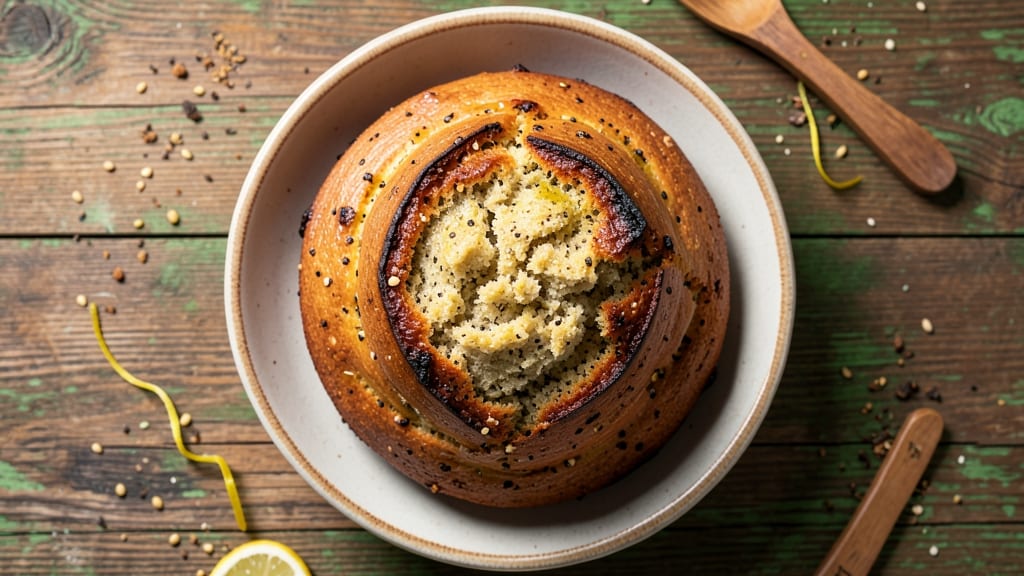
This almond flour and flaxseed bread recipe delivers a lightweight, nutty loaf that’s perfect for sandwiches or toast—without any eggs or refined flour. The secret lies in flaxseed meal as an egg replacer, which adds moisture and structure while keeping the texture tender yet sturdy.
Almond flour brings a delicate crunch and rich flavor, while a touch of baking powder ensures a satisfying rise. The recipe requires just 15 minutes of prep and bakes at 350°F for 30-35 minutes, making it ideal for busy weeknights.
Unlike dense gluten-free breads, this loaf stays moist and slightly crisp on the outside, with a fine crumb that holds up to slicing. Optional add-ins like chia seeds or dried herbs can customize the flavor without compromising texture.
What sets this apart is how effortlessly it replaces traditional bread—vegan, grain-free, and packed with protein. It’s the perfect solution for those with dietary restrictions or simply craving a lighter, nuttier alternative.
The aroma of toasted almond flour fills the kitchen as it bakes, promising a loaf that’s both functional and delicious. For best results, let the bread cool completely before slicing to maintain its structure. Store wrapped at room temperature for 3-4 days or freeze for longer shelf life.
Whether you’re making sandwiches or simply enjoying toast with butter, this bread delivers on both nutrition and taste.
Ingredients for almond flour and flaxseed bread
Nutty, fluffy, and packed with protein—this bread replaces traditional loaves without eggs or grains.
| Ingredient | Amount | Notes |
|---|---|---|
| Almond Flour 🌰 | 2 ½ cups | Finely ground, unsweetened |
| Flaxseed Meal 🌾 | ½ cup | Ground flaxseeds, not whole |
| Water 💧 | ¾ cup | Room temperature preferred |
| Baking Powder 🍞 | 1 ½ tsp | Metal container preferred |
| Salt 🧂 | ½ tsp | Fine sea salt preferred |
| Psyllium Husk Powder 🌿 | 1 ½ tbsp | Key for binding texture |
| Maple Syrup 🍁 | 2 tbsp | Pure, grade B preferred |
| Chia Seeds 🌱 | 1 tbsp | Optional for extra crunch |
| Dried Herbs 🌿 | 1 tsp | Rosemary or thyme works |
| Olive Oil 🫒 | 1 tbsp | Extra-virgin for richness |
| Apple Cider Vinegar 🍎 | 1 tsp | For tangy flavor balance |
| Vanilla Extract 🌸 | ½ tsp | Pure alcohol-free preferred |
Almond flour is the star here, so buy it pre-ground from Trader Joe's or Bob's Red Mill—pre-ground stays fresher longer. The flaxseed meal needs to be freshly ground (or buy pre-ground) for that perfect egg replacement texture. Penzeys Spices has great bulk options if you're stocking up. Psyllium husk powder is non-negotiable for that perfect sliceable texture—it's what makes this bread hold together like traditional bread. I always grab mine from the health food section at Whole Foods, but the bulk bins at Sprouts are cheaper too. The maple syrup adds just enough sweetness to balance the nutty flavors, so don't skimp on quality here—grade B has more flavor than the lighter grades.
No almond flour? Cashew flour works in a pinch, but the flavor will be different. Short on flaxseed? Chia seeds soaked in water can replace it at the same ratio, but texture will be slightly denser. The baking powder needs to be fresh—if it's older than 6 months, toss it. For dried herbs, anything Mediterranean works—oregano, basil, or even a pinch of smoked paprika. The olive oil can be swapped for avocado oil if you prefer a milder flavor. Want extra protein? Add another 0.25 cup almond flour and reduce water by 1 tbsp. The vanilla extract is optional but adds that cozy bakery feel—imitation won't cut it here.
This bread stays fresh 3-4 days at room temperature if wrapped tightly in foil. For longer storage, freeze slices in a bag for up to 3 months. I like to slice it while still warm and freeze on a tray first—prevents soggy layers. Toasting is a must to bring out that almond crunch. The aroma while baking? Unreal. It's worth the wait to let it cool completely before slicing—trust me on that one. Leftovers make amazing croutons or breadcrumbs for future recipes.
Why You'll Love This Recipe
- No Mixer Needed: I swear by this—just stir, pour, bake. The almond flour and flaxseed blend comes together with zero fuss, no kneading, no waiting for dough to rise. Honestly, my blender’s only job is to grind the flaxseed meal, and that’s it.
- Nutty But Not Heavy: The almond flour gives it a subtle richness, but it’s light—not dense or greasy like some grain-free breads. Between us, the flaxseed adds a pleasant earthiness that balances it perfectly. (Yes, even on a Tuesday night.)
- Slicing for Days: This bread stays fresh for ages—I’m talking 5-7 days in the fridge, no weird aftertaste. Toast it, use it for sandwiches, or just snack on it straight. My kids actually ask for it, which is rare.
- Budget-Friendly Staple: Almond flour isn’t cheap, but this recipe stretches far. One batch feeds my family for a week, and I repurpose leftovers into croutons or breadcrumbs. (Here’s what sold me—it’s cheaper than buying store-bought gluten-free loaves.)
Step-by-step instructions for almond flour and flaxseed bread
This nutty, lightweight loaf comes together with simple steps and delivers incredible texture every time.
Mix the Wet Ingredients for Perfect Binding
In a medium bowl, whisk together the 0.75 cup water, 1 tbsp olive oil, 1 tsp apple cider vinegar, and 0.5 tsp vanilla extract until completely combined. The vinegar helps activate the baking powder later, while the oil adds richness to balance the nutty flavors. Let this mixture sit for 5 minutes—this resting period helps the psyllium husk powder work its magic.
Next, add the 0.5 cup flaxseed meal and 1.5 tbsp psyllium husk powder to the wet ingredients. Whisk vigorously for 2 full minutes until the mixture thickens dramatically—it should resemble a sticky, gel-like batter. This is crucial for the bread's structure. If it looks too thick, add 1-2 teaspoons of water to reach a smooth, pourable consistency. The psyllium husk is the secret to that light, airy crumb you're after.
Combine Dry Ingredients and Create the Dough
In a separate large bowl, sift together the 2.5 cups almond flour, 1.5 tsp baking powder, and 0.5 tsp salt. This prevents lumps and ensures even distribution. Make a well in the center and pour in the wet mixture. Add the 2 tbsp maple syrup, 1 tsp dried herbs, and 1 tbsp chia seeds. Using a spatula, gently fold everything together until just combined—don't overmix or you'll develop gluten and get a dense loaf.
The dough will be sticky and thick, almost like cookie dough. Here's the thing—this texture is exactly what we want. The almond flour absorbs moisture differently than wheat flour, so resist the urge to add extra liquid. If it feels too wet, let it sit for 5 minutes—the psyllium will continue thickening as it hydrates. The chia seeds will add subtle crunch while the herbs infuse earthy depth.
Prepare the Loaf Pan for Perfect Rise
Preheat your oven to 350°F and lightly grease a 9x5-inch loaf pan with olive oil or line it with parchment paper. The paper makes removal easier and prevents sticking. Pour the dough into the prepared pan and smooth the top with a spatula. Tap the pan gently on the counter 2-3 times to release any air bubbles trapped in the batter.
Bake for 45-50 minutes until the top is golden brown and a toothpick inserted in the center comes out clean. Here's where patience pays off—don't open the oven during baking or the bread will sink. If the top browns too quickly, loosely tent with aluminum foil after 30 minutes to prevent over-browning while allowing the center to cook through. The interior should be fully set but still slightly springy to the touch.
Cool and Slice for Maximum Flavor
Remove the bread from the oven and let it cool in the pan for 10 minutes. Then transfer it to a wire rack to cool completely for at least 1 hour before slicing. This resting period is non-negotiable—it allows the psyllium to fully set and prevents a gummy texture. The bread will shrink slightly as it cools, which is normal and actually enhances the texture.
Slice with a sharp serrated knife for clean cuts. Each slice should reveal a tender crumb with subtle pockets of air from the psyllium, surrounded by nutty almond flavor. The exterior will have a delicate crispness while the interior stays moist. Serve warm with butter or jam for the ultimate experience—this bread shines when enjoyed fresh from the oven.
Pro Tips For Making Almond Flour And Flaxseed Bread
- Mix the Flaxseed First: Stir the flaxseed meal into your water before adding it to the almond flour—this prevents clumping and guarantees even distribution. I learned this the hard way when my first batch had dry pockets that tasted like sawdust.
- Preheat the Pan: Heat your loaf pan in the oven for 5 minutes before baking—almond flour bread needs that initial shock to rise properly. Skipping this step means a dense, sad loaf instead of a light crumb.
- Don’t Overmix the Batter: Stir just until combined; almond flour develops gluten-like structure when overworked, leading to a tough, chewy texture. Think "rustic" here, not "smooth."
- Add an Extra Egg: Swap one tablespoon of water for an egg yolk if your dough feels too dry—it binds the crumb better than extra liquid. (Yes, even if the recipe says no eggs.) My first few batches cracked because the mix was too stiff.
Serving suggestions for this dish
Breakfast Pairings
Start your day with this bread as a base for avocado toast—mash ½ ripe avocado with 1 tbsp lemon juice, salt, and black pepper, then spread on warm slices.
Top with everything bagel seasoning or crumbled feta for a Mediterranean twist. The nutty flavor balances the creamy avocado perfectly, and the psyllium keeps it from getting soggy. 🌱
For a vegan French toast, dip slices in a mixture of ½ cup unsweetened almond milk, 1 tbsp maple syrup, and 1 tsp vanilla extract, then cook in a buttered pan until golden.
Drizzle with berry compote or nut butter for a decadent breakfast. The bread’s sturdy structure holds up beautifully to the wet batter.
Lunch and Sandwich Ideas
Use this bread for vegan club sandwiches with layers of hummus, sliced cucumbers, roasted red peppers, and spinach. The almond flour adds a subtle crunch that complements the creamy hummus without overpowering it.
Toast the bread lightly before assembling to enhance the texture. For extra protein, add smashed chickpeas or tofu ribbons.
Create a Mediterranean wrap by spreading 2 tbsp tzatziki sauce on a slice, then adding sliced bell peppers, kalamata olives, and crumbled vegan feta. Roll tightly and slice into pinwheels for bite-sized appetizers. The bread’s neutral flavor lets the bold Mediterranean ingredients shine.
Dinner Sides and Accompaniments
Serve warm slices with roasted vegetable medleys—toss zucchini, bell peppers, and red onions in olive oil, garlic powder, and smoked paprika, then roast at 400°F for 25 minutes.
The bread’s slight sweetness pairs beautifully with the caramelized veggies. For a heartier meal, add a white bean dip made with 1 can white beans, 2 tbsp tahini, and lemon zest. ✨
Use the bread to make garlic breadsticks—slice into ½-inch strips, toss in melted garlic butter (mix 2 tbsp butter with 1 minced garlic clove and ½ tsp parsley), and bake at 375°F for 8-10 minutes until crispy.
These are perfect for dipping into marinara sauce or olive tapenade. The almond flour gives them a delightful nutty crunch.
Dessert and Sweet Applications
Dip slices in dark chocolate melted with 1 tbsp coconut oil, then sprinkle with crushed pistachios for a vegan dessert bread. Let the chocolate set for 10 minutes before slicing into squares.
The bread’s sturdy texture holds up to the melted chocolate without falling apart. For a lighter option, spread with almond butter and top with sliced banana and cinnamon. 🍫
Make bread pudding by cubing 2 slices, layering with coconut milk custard (mix ½ cup coconut milk, 1 egg substitute, 1 tbsp maple syrup, and 1 tsp vanilla), and baking at 350°F for 25 minutes.
The nutty flavor adds depth to the classic dessert, and the psyllium gives it a perfect custard-like texture.
Nutrition facts
Frequently asked questions
Can I substitute flaxseed meal with chia seeds?
Yes, you can use chia seeds as a substitute, but with a few adjustments. Replace the 0.5 cup flaxseed meal with 0.5 cup chia seeds soaked in 1 cup water for 10 minutes first. This creates a gel-like texture similar to flaxseed. However, the texture may be slightly denser since chia seeds absorb more moisture. For best results, reduce the water in the wet mixture by 1-2 tablespoons.
Why does my almond flour bread turn out dense? Density usually happens from overmixing or insufficient psyllium husk.
How do I store this bread to keep it fresh?
Wrap the cooled bread tightly in foil or place in an airtight container to maintain freshness for 3-4 days at room temperature. For longer storage, slice the bread and freeze individual slices in a freezer bag for up to 3 months. Thaw slices at room temperature for 10-15 minutes before serving. Toasting helps revive texture if it feels dry after freezing.
Can I make this bread without psyllium husk?
Psyllium husk is essential for the bread's structure, but you can try a 1:1 substitution of ground chia seeds in a pinch. However, the texture will be less tender and may crumble more easily. For a better alternative, consider using 1 extra tablespoon of flaxseed meal combined with 1 extra tablespoon of water to mimic some of the binding properties. The result won't be identical, but it'll be closer.
What can I do if my bread doesn't rise?
If your bread doesn't rise properly, check these common issues: First, ensure your baking powder is fresh (older baking powder loses potency). Second, verify you're using 350°F—higher heat can cause over-browning before proper rise. Finally,