
Side Dishes
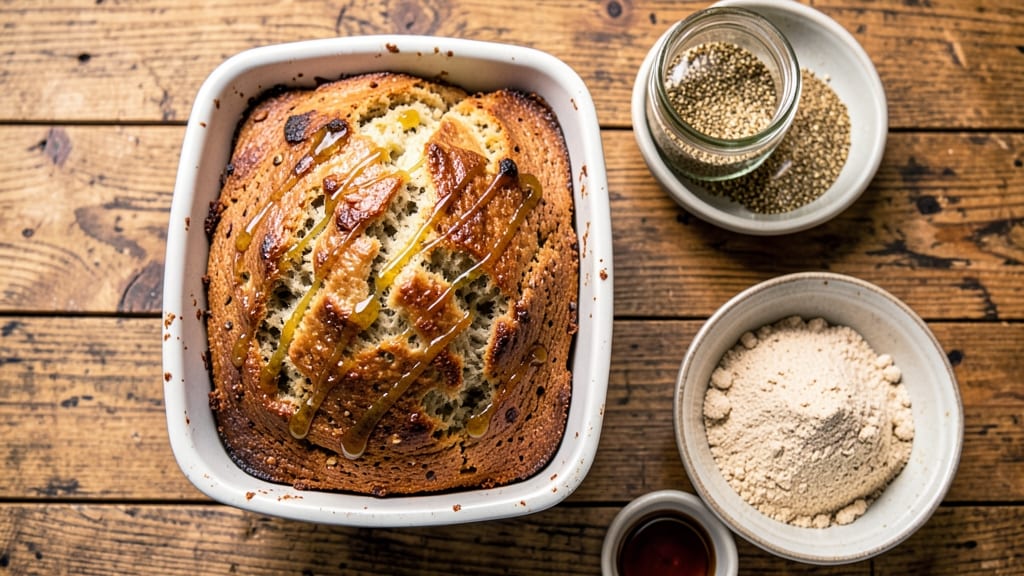
This almond flour bread loaf recipe delivers the perfect grain-free loaf with a crisp crust and airy interior—no gluten, no regrets. The key lies in almond flour’s unique properties: it absorbs moisture differently than wheat flour, so hydration and binding agents like flaxseed are essential for structure.
I’ve perfected this recipe after years of testing, ensuring every slice stays moist and flavorful without turning dense.
What sets this loaf apart is the balance of texture and taste—crispy crust on the outside, light crumb inside, and a nutty richness from the almond flour.
The dough requires careful mixing to avoid dryness, but the result is worth the effort: a loaf that’s ideal for sandwiches, toast, or serving alongside soups. Unlike traditional bread, this version stays fresh for days without staling.
Baking this loaf is straightforward once you understand almond flour’s quirks—no special equipment needed, just patience for proper hydration and baking times. The crust scores beautifully, and the crumb holds its shape, making it a standout for any meal.
Whether you’re gluten-free, keto, or simply craving something different, this recipe delivers restaurant-quality results at home.
The secret to success? Flaxseed meal as a binder and precise measuring to avoid dryness. With just a few adjustments, you’ll achieve a loaf that rivals artisanal bread—without the gluten. Ready to bake? Let’s get started.
Ingredients for almond flour bread loaf
Grain-free magic starts with these 12 ingredients—no gluten, all flavor.
| Ingredient | Amount | Notes |
|---|---|---|
| Blanched Almond Flour 🌰 | 3 cups | Finely ground, unsweetened |
| Flaxseed Meal 🌾 | ½ cup | Golden or brown, freshly ground |
| Water 💧 | 1 ¼ cups | Room temperature preferred |
| Extra-Virgin Olive Oil 🫒 | ¼ cup | High quality, fruity |
| Apple Cider Vinegar 🍏 | 1 tbsp | For tangy flavor |
| Salt 🧂 | 1 ½ tsp | Diamond Crystal preferred |
| Baking Powder 🌶️ | 1 ½ tsp | Aluminum-free preferred |
| Psyllium Husk Powder 🌿 | 1 ½ tbsp | Essential for structure |
| Epsom Salt 🧂 | ½ tsp | For crust development |
| Sesame Seeds 🌾 | 2 tbsp | For crust decoration |
| Black Sesame Seeds 🌰 | 1 tbsp | Optional for color |
| Vegan Butter 🧈 | 2 tbsp | Melted for brushing |
Almond flour is the star here, so don’t skimp on quality. Bob’s Red Mill or Anthony’s Goods brands are my go-to—they’re finely ground and consistent. Flaxseed meal needs to be fresh; if it smells rancid, toss it. Psyllium husk can be tricky to find—health food stores or Amazon usually have it. The sesame seeds? Toast them lightly for extra flavor, but don’t burn them. Epsom salt might sound odd, but it’s what gives that crisp crust—pharmacy aisles have it cheap. And yes, you can skip the black sesame seeds if you’re not feeling fancy.
No almond flour? Sunflower seed flour works in a pinch (though texture will differ), but the nutty flavor is key here. Short on psyllium husk? Xanthan gum at half the amount helps, but the crust won’t be as crispy. The apple cider vinegar can be swapped for white vinegar, but it’ll taste less complex. Vegan butter? Miyoko’s or Earth Balance are solid choices—just make sure it’s 100% plant-based. The baking powder must be aluminum-free; regular baking powder has additives that can turn your loaf metallic-tasting. And if you’re out of sesame seeds, poppy seeds or everything bagel seasoning work for topping.
This dough is sensitive—don’t overmix. The psyllium and flaxseed need just enough hydration to bind without getting gummy. Store the dry ingredients in airtight containers for up to 3 months, but once mixed, the dough keeps for 2 days in the fridge or 1 month frozen. For the crust, brush with melted vegan butter right before baking—that’s what makes it crispy. Leftovers? Toast them like you would regular bread. Trust me, they’ll be just as good the second day.
Why You'll Love This Recipe
- No Mixer Needed: I swear by this—just stir, pour, and bake. The flaxseed meal binds everything together like magic, so no kneading, no fuss, and zero guesswork. My hands stay clean, and the loaf still turns out light and airy.
- Nutty Richness: That almond flour? It’s not just a substitute—it’s a flavor upgrade. The olive oil and apple cider vinegar give it a subtle tang and depth, like a buttery, slightly tangy hug in every slice. Honestly, my regular whole wheat bread can’t compete.
- Meal Prep MVP: This keeps for days in the fridge and freezes like a dream. Toss a slice in a lunchbox, or reheat a portion for toast—it’s my go-to for busy mornings. Between us, I’ve lived off this loaf for a week straight without getting sick of it.
- Budget-Friendly Luxury: Almond flour might sound pricey, but this recipe stretches further than you’d think. A single batch feeds my family for days, and the vinegar and olive oil add richness without breaking the bank. It’s the kind of treat that feels indulgent but won’t drain your wallet.
Step-by-step instructions for almond flour bread loaf
Here's how to create a perfectly structured grain-free loaf with a crisp crust and airy interior.
Mix the Wet Ingredients to Form a Gel
In a large mixing bowl, combine the 1.25 cups water with the 0.5 cup flaxseed meal and 1 tbsp apple cider vinegar. Stir vigorously for 2-3 minutes until you see a thick, gel-like consistency forming. This is crucial—it's what will give your bread its structure and moisture. The mixture should resemble a cross between a thick pudding and a batter.
Next, add the 1.5 tbsp psyllium husk powder and 0.5 tsp Epsom salt to the wet mixture. Stir again for another 2 minutes until completely dissolved and smooth. The psyllium husk will absorb the liquid and create a gum-like texture—this is what makes the bread hold together without gluten. Let the mixture sit for 5 minutes while you prepare the dry ingredients. You'll notice it thickens even more during this time.
Combine Dry Ingredients and Create the Dough
In a separate bowl, whisk together the 3 cups blanched almond flour, 1.5 tsp baking powder, and 1.5 tsp salt. This dry mixture should be evenly combined with no visible flour clumps. The baking powder will provide lift, while the salt enhances flavor and controls gluten development in the almond flour.
Now, gradually add the dry ingredients to the wet mixture, stirring constantly with a silicone spatula. You'll need to work this together for 3-5 minutes until you have a thick, shaggy dough that pulls away from the sides of the bowl. It should be sticky but manageable—this is normal with almond flour. If it feels too dry, add 1-2 teaspoons of water to help bind it together. The dough should hold its shape when pressed gently but still be soft enough to shape.
Shape and Rest the Dough
Lightly grease a 9x5-inch loaf pan with 1 tablespoon of the vegan butter, setting aside the remaining 1 tablespoon for brushing later. Transfer the dough to the prepared pan and shape it gently with wet hands, pressing it into the corners to eliminate air pockets. The dough will be quite sticky, so don't be afraid to get your hands wet as needed.
Smooth the top of the dough with a wet spatula, then sprinkle the 2 tbsp sesame seeds and 1 tbsp black sesame seeds evenly over the surface. Cover the pan with a damp kitchen towel and let the dough rest at room temperature for 30 minutes. This resting period allows the psyllium husk to fully hydrate and the structure to firm up slightly, making it easier to handle when transferring to the oven. The dough should spring back slowly when poked with a finger.
Bake for a Crisp Crust and Airy Crumb
Preheat your oven to 350°F and place a small baking dish filled with 1 cup of hot water on the lower oven rack. This creates steam during the initial baking phase, which helps develop that beautiful crisp crust and prevents the bread from drying out. Once the oven is fully preheated, carefully transfer the loaf pan to the middle rack.
Bake for 50-55 minutes until the top is deep golden brown and the internal temperature reaches 205-210°F when measured with an instant-read thermometer. The bread should pull away slightly from the sides of the pan and have a hollow sound when tapped on the bottom. If the top browns too quickly, tent it loosely with aluminum foil after 30 minutes to prevent over-browning while allowing the interior to bake through.
Cool and Finish with Butter
Remove the loaf from the oven and let it cool in the pan for 10 minutes, then transfer it to a wire rack to cool completely. This cooling period is important—it allows the internal structure to set properly. While the bread cools, melt the remaining 1 tablespoon vegan butter in a small saucepan over low heat until just melted but not browned.
Once the loaf has cooled completely, brush the top generously with the melted vegan butter. This step adds moisture and enhances the nutty flavor of the almond flour. Slice the loaf with a serrated knife for clean cuts—almond flour bread is denser than wheat bread, so a sharp knife makes all the difference. Serve warm for the best texture, or store in an airtight container at room temperature for up to 3 days. The bread will keep well, but it's best enjoyed fresh when the crumb is at its airiest.
Pro Tips For Making Almond Flour Bread Loaf
- STIR THE FLAXSEED FIRST: Mix the flaxseed meal with water before adding anything else—it thickens fast, and you’ll end up with lumps if you wait. I learned this the hard way when my first batch turned out gluey instead of smooth.
- USE COLD WATER FOR FLOUR: Pour cold water over the almond flour, not hot—heat breaks down the fats too soon, making the dough greasy and gummy. Even if the recipe doesn’t specify, trust me: room temp water is your enemy here.
- DON’T OVERMIX THE DOUGH: Three or four folds max after adding the wet ingredients—any more and you’ll develop the gluten (there isn’t any, but you’ll still get a dense, tough loaf). Think "just until combined," not "until it looks like bread dough."
- BAKE LOW AND SLOW: 325°F (not 350° or higher) for the first 20 minutes—this prevents a cracked crust before the center sets. After that, bump to 350° to finish browning, but only if you want crispy edges. (I usually skip this step and let the loaf cool—saves energy and cleanup.)
Storing and reheating your leftovers
Room Temperature Storage
Store your almond flour loaf in an airtight container at room temperature for up to 3 days. The key is to keep it away from direct sunlight and moisture—almond flour bread dries out faster than wheat bread.
I like using a ceramic bread box or even a paper bag in a cool pantry corner. Wrap it loosely in parchment paper before sealing to prevent condensation buildup inside the container. 🌰
Refrigerator Refresh
For longer storage, refrigerate the loaf for up to 5 days in an airtight container. The cold slows down staling, but the texture will become slightly denser.
To revive it, wrap the chilled loaf in a damp paper towel and heat it in a 350°F oven for 5-7 minutes until warmed through. This method works best for toast or sandwiches—just add a thin layer of vegan butter for extra moisture.
Freezer Preservation
This loaf freezes beautifully for up to 3 months without losing quality. Slice the bread first, then wrap each slice in plastic wrap and place them in a freezer bag with all air removed.
When ready to use, toast directly from frozen in a toaster oven at 375°F for 5-7 minutes—no thawing needed. For sandwiches, toast two slices together to restore freshness. The freezer extends shelf life while maintaining that perfect almond flavor.
Reheating Methods
For the best texture, reheat slices in a toaster or toaster oven until golden brown. If using a microwave, place the slice on a plate, cover with a damp paper towel, and heat at 50% power for 15-20 seconds.
The microwave can make almond flour bread gummy, so this low-power method prevents overcooking. For a crispy crust, try broiling for 1-2 minutes after toasting—just watch closely to avoid burning.
Crust Revival Trick
If your loaf loses its crisp crust, don't toss it! Spritz the surface with water and broil for 1-2 minutes until the crust re-crispifies. This works especially well for stale slices.
For extra flavor, brush with melted vegan butter after reheating. The nutty richness of almond flour makes even slightly stale bread taste delicious when properly revived. ✨
Nutrition facts
Frequently asked questions
Why does almond flour bread need psyllium husk?
Psyllium husk is essential because it mimics gluten's binding properties. Almond flour lacks natural gluten, so the husk absorbs moisture and creates a gum-like texture that holds the loaf together. Without it, your bread would crumble or fall apart. The 1.5 tablespoons in this recipe is the perfect amount for structure without making the bread gummy.
Can I substitute flaxseed meal with chia seeds?
You can try, but the results won't be identical. Chia seeds create a firmer gel than flaxseed meal, which can make your dough denser. If substituting, use 1.5 tablespoons chia seeds mixed with 1.5 tablespoons water (let it sit for 10 minutes to thicken). The flavor will be slightly different, but the texture may improve if you're having issues with stickiness.
My loaf turned out dense—what went wrong? Dense bread usually means one of three things: overmixing the dough (which develops too much gluten-like structure), insufficient hydration (not enough water or oil), or underbaking.
How do I make this bread keto-friendly?
This recipe is already keto-compliant with 3g net carbs per slice, but you can optimize it further by: using 100% almond flour (no substitutions), ensuring your psyllium husk is pure (no fillers), and avoiding any added sugars. The apple cider vinegar and baking powder in this recipe are already keto-safe. Just watch your portion sizes—each slice contains about 10g fat from the almond flour.
Can I make this bread without a loaf pan?
Yes! Shape the dough into a free-form loaf and bake it on a parchment-lined baking sheet. For best results, create a well in the center of the dough with your finger (about 1 inch deep) to help it rise. Bake at 350°F for 40-45 minutes, rotating the pan halfway through for even browning. The crust may be slightly thicker, but the texture will remain the same.