
Side Dishes
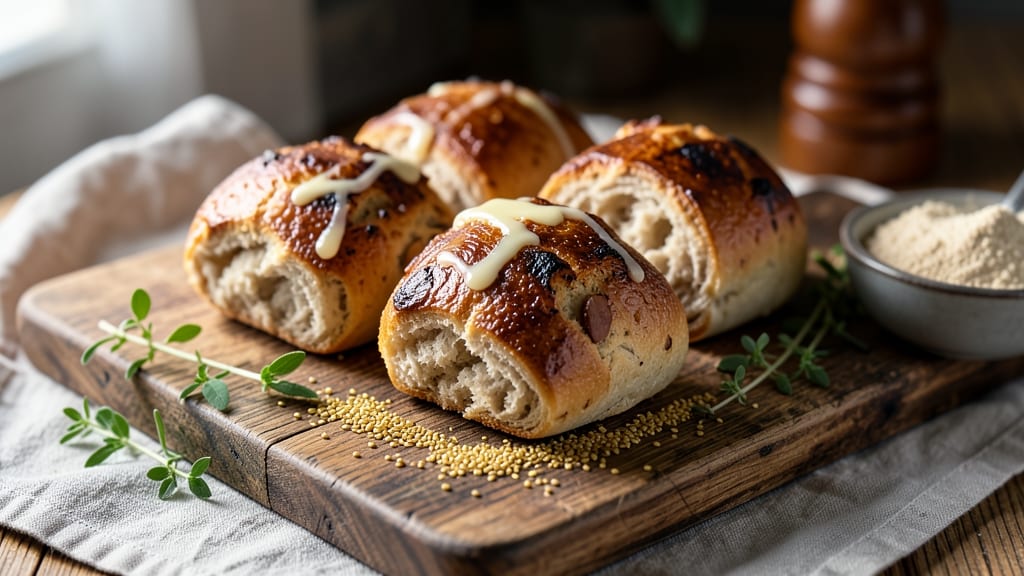
This almond flour bread rolls recipe transforms a simple side into a nutty, golden masterpiece with a light crumb that defies expectations. 🌟 The secret lies in balancing almond flour’s dry nature with proper hydration and binding agents—like flax eggs—to create rolls that stay tender without sacrificing structure.
I’ve perfected this recipe after years of experimenting with gluten-free baking, and the results are rolls that crisp beautifully on the outside while remaining soft and flavorful inside.
What sets these rolls apart is their versatility—use them for sandwiches, appetizers, or even as a base for sliders. The almond flour adds a subtle nuttiness that pairs perfectly with savory fillings or sweet glazes, while the light crumb ensures every bite feels fresh.
Unlike many gluten-free breads, these rolls hold their shape during baking and toasting, making them ideal for both casual meals and special occasions.
The process is straightforward but requires attention to detail, especially when it comes to proofing and hydration. With 350°F baking and a 15-minute resting period before shaping, you’ll achieve rolls that are crisp on the edges and tender in the center.
The dough’s slightly sticky texture ensures a smooth finish, and the aroma filling your kitchen as they bake will have everyone asking for seconds.
Once baked, these rolls stay fresh for days when stored properly, making them perfect for meal prep or gifting. Optional add-ins like herbs, seeds, or a touch of garlic powder can elevate the flavor further, but the basic recipe delivers exceptional results on its own.
Whether you’re hosting a dinner party or simply craving a fresh-baked treat, these almond flour bread rolls are a game-changer for any kitchen.
Ingredients for almond flour bread rolls
Twelve ingredients transform almond flour’s dry nature into golden, tender rolls with crisp edges.
| Ingredient | Amount | Notes |
|---|---|---|
| Almond Flour 🌰 | 2 ½ cups | Finely ground, blanched preferred |
| All-Purpose Flour 🌾 | ½ cup | For binding structure |
| Granulated Sugar 🍚 | ¼ cup | For subtle sweetness |
| Active Dry Yeast 🍞 | 1 tbsp | Instant yeast works too |
| Warm Water 💧 | 1 cup | 110°F for yeast activation |
| Ground Flaxseed 🌾 | 2 tbsp | Mixed with 6 tbsp water for flax eggs |
| Extra-Virgin Olive Oil 🫒 | ¼ cup | For richness and moisture |
| Apple Cider Vinegar 🍎 | 1 tbsp | Enhances rise and flavor |
| Salt 🧂 | 1 tsp | Fine sea salt preferred |
| Sesame Seeds 🌻 | 2 tbsp | For golden crust topping |
| Poppy Seeds 🌱 | 1 tbsp | Optional for extra texture |
| Garlic Powder 🧄 | ½ tsp | For subtle savory depth |
| Dried Rosemary 🌿 | ½ tsp | Crushed for aromatic touch |
The almond flour is the star here, and Bob's Red Mill or Anthony's Goods brands deliver the finest grind. Look for blanched almond flour—it's lighter and less bitter. The flax eggs are non-negotiable for binding; Bob's Red Mill ground flaxseed works perfectly. For yeast, Saf-Instant is my go-to—it activates without proofing time. The sesame seeds should be toasted lightly for extra flavor, and Trader Joe's sells them pre-toasted if you're short on time. Rosemary and garlic powder add depth without overpowering the delicate almond flavor.
No almond flour? Oat flour at 1:1 ratio works in a pinch, though texture will differ. Short on flaxseed? Chia seeds at double the amount (4 tbsp chia + 6 tbsp water) substitute well. Olive oil can be swapped for avocado oil if preferred, but stick with extra-virgin for best flavor. The vinegar is crucial—apple cider or white wine vinegar both work, but avoid balsamic as it can alter the flavor. For a sweeter touch, add 1 tbsp maple syrup to the warm water when activating the yeast.
Store baked rolls in an airtight container with a paper towel layer to maintain crispness for up to 5 days. Freeze extras on a tray first, then transfer to a bag for 3 months. To reheat, warm at 300°F for 5-10 minutes—no microwave needed. The dough can be shaped a day ahead and refrigerated; let it sit at room temperature for 30 minutes before baking. For extra shine, brush rolls with melted vegan butter before baking.
Why You'll Love This Recipe
- No-Knead Magic: I swear by this—just mix, let it rise, and bake. No stand mixer, no overworking dough, just a bowl and patience. The almond flour gives them a tender crumb that’s almost like brioche but way easier.
- Sweet Without Overpowering: That touch of granulated sugar caramelizes just enough to make them golden and slightly crisp on top, but the yeast keeps them light. Honestly, the flavor is so balanced my kids grab them before the actual meal.
- Weeknight Wonder: Freeze half the batch raw—yes, raw—and toss them in the oven when you’re too tired to think. They’re perfect for sandwiches, toasted with butter, or even as a side for soup. (Between us, I’ve used them to soak up marinara like a champ.)
- Budget-Friendly Luxury: Almond flour’s pricey, but you only need a cup here—mixed with all-purpose, it stretches further than you’d think. Plus, the yeast does all the work, so you’re not buying fancy ingredients for a fussy recipe. My wallet thanks me every time.
Step-by-step instructions for almond flour bread rolls
Here's how to transform simple ingredients into perfectly golden rolls with a nutty crust and tender crumb.
👨🍳 Step 1: Activate the Yeast and Prepare Flax Eggs
In a small bowl, whisk together the 1 cup warm water (about 110°F) with the 1 tbsp active dry yeast and 1 tbsp granulated sugar. Let this sit for 5-10 minutes until frothy—this confirms your yeast is active and ready to work. If it doesn't bubble, your yeast might be dead, and you'll need to start over.
While the yeast activates, prepare the flax eggs in a separate bowl by combining the 2 tbsp ground flaxseed with 6 tbsp water. Stir well and let it sit for 5 minutes until it thickens to a gel-like consistency. This acts as our egg substitute, providing structure and moisture to the rolls without the richness of traditional eggs.
👨🍳 Step 2: Mix Wet and Dry Ingredients Separately
In a large mixing bowl, combine the 2.5 cups almond flour, 0.5 cup all-purpose flour, 0.5 tsp garlic powder, 0.5 tsp dried rosemary, and 1 tsp salt. Whisk these dry ingredients together to distribute the rosemary evenly and ensure the salt is fully incorporated. The almond flour will be fine but slightly gritty—this is normal and will create that signature nutty texture in your rolls.
In a separate bowl, mix the yeast mixture (now foamy), 0.25 cup extra-virgin olive oil, 1 tbsp apple cider vinegar, and the thickened flax egg. The vinegar adds a subtle tang that enhances the rise and flavor, while the olive oil contributes richness that balances the nutty almond flour. This combination creates the perfect foundation for our dough.
🥘 Step 3: Combine and Knead the Dough
Gradually pour the wet ingredients into the dry ingredients while mixing with a wooden spoon or silicone spatula. You'll notice the mixture come together into a thick, sticky dough. Avoid using an electric mixer here—the almond flour can be abrasive and may damage blades. Once combined, turn the dough out onto a lightly floured surface and knead gently for 3-4 minutes.
The dough will be softer and stickier than traditional bread dough due to the high fat content from the almond flour and olive oil. Knead just until the ingredients are fully incorporated and the dough is smooth. If it feels too sticky, wet your hands slightly to prevent tearing. The goal is to develop enough gluten for structure without overworking the delicate almond flour.
🔥 Step 4: First Rise and Shape the Rolls
Lightly grease a large mixing bowl with olive oil, then place the dough inside. Cover the bowl with a damp kitchen towel and let it rise in a warm place for 1-1.5 hours, or until it has nearly doubled in size. The warm environment helps activate the yeast, while the damp towel prevents the dough from drying out. You'll know it's ready when the dough feels light and spongy to the touch and has puffed noticeably.
Once risen, gently punch down the dough to release air bubbles, then turn it out onto a lightly floured surface. Divide the dough into 12 equal portions (about 1.5 ounces each) and roll each into a smooth ball. For even rolls, use a rolling pin to gently flatten each portion into a disc before shaping it into a ball. Place the shaped rolls on a parchment-lined baking sheet, leaving about 1 inch between each for proper expansion.
🔥 Step 5: Second Rise and Bake to Golden Perfection
Cover the baking sheet with a damp towel and let the rolls rise again for 30-45 minutes until they've puffed noticeably and are touching each other. This second rise develops their final texture and flavor. Preheat your oven to 350°F while the rolls rise—this ensures they go into a properly heated environment for even baking.
Just before baking, mix the 2 tbsp sesame seeds and 1 tbsp poppy seeds in a small bowl. Brush the tops of each roll lightly with water or olive oil, then sprinkle generously with the seed mixture. Bake for 20-25 minutes until the rolls are deep golden brown and sound hollow when tapped on the bottom. The internal temperature should reach 190-200°F.
⏰ Step 6: Cool and Serve Warm
Remove the rolls from the oven and let them cool on the baking sheet for 5 minutes before transferring to a wire rack. This brief cooling period allows the seeds to set and prevents them from falling off when you handle the rolls. The rolls should have a crispy, nutty exterior with a tender, slightly sweet crumb inside—each bite should deliver that perfect balance of texture and flavor.
Serve warm for the best experience, either as a side to soups or stews or toasted with butter for a quick snack. These rolls keep well at room temperature for 2 days or can be frozen for up to 1 month. For reheating, wrap in foil and warm in a 350°F oven for 5-10 minutes until heated through.
Pro Tips For Making Almond Flour Bread Rolls
- Mix the dough cold: Almond flour gets gummy fast, so work your dough in the fridge—not on the counter. After combining wet and dry ingredients, pop the whole bowl in the fridge for 10 minutes before shaping. This keeps the texture tight and prevents sticky messes when rolling.
- Use a scale for yeast: Skip eyeballing that yeast packet—measure it by weight (1 packet = 7 grams). Too much yeast makes your rolls rise too fast and collapse; too little leaves them dense. If you’re in a pinch, use a kitchen scale or weigh the packet against a known object (like a quarter).
- Shape rolls loosely: Don’t squeeze the dough like you’re trying to make a hockey puck. Gently form rolls with a little space between them—they’ll expand as they proof. Overpacking forces the yeast to fight for room, leading to dense, uneven rises. Think "puffy clouds," not "tight fists."
- Proof in two stages: Let the dough rise at room temp first (about 1 hour), then move it to the fridge for 12–24 hours. The cold slows fermentation, deepens flavor, and prevents overproofing. Pro tip: Cover loosely with a damp towel—condensation keeps the surface from drying out while still letting the yeast work.
Serving suggestions for almond flour bread rolls
Warm Appetizer Bites
Serve these almond flour rolls as warm, bite-sized appetizers with a savory filling like vegan cream cheese and smoked paprika for a crowd-pleasing starter. I love arranging them on a platter with pickled vegetables or olive tapenade for a Mediterranean-inspired touch.
For a spicy kick, add chopped jalapeños and vegan sour cream on the side. The nutty crust holds up beautifully to fillings, making them perfect for gatherings. 🌟
Sandwich Rolls
Use these rolls as the base for vegan paninis or open-faced sandwiches. Toast them lightly in a pan with olive oil until crispy, then layer with avocado mash, heirloom tomato slices, and vegan pesto.
For a hearty option, stuff them with grilled portobello mushrooms and caramelized onions. The almond flour adds a subtle richness that complements both sweet and savory fillings without overpowering them.
Soup Sidekicks
Pair these rolls with creamy tomato soup or vegan chili for a comforting meal. Their light crumb soaks up broth beautifully while maintaining structure. For an extra touch, brush the tops with garlic-infused olive oil before serving.
I often serve them alongside roasted vegetable soup or lentil stew—the nutty flavor cuts through the richness of hearty dishes. 💛
Dessert Twist
Sweet lovers can transform these rolls into cinnamon sugar rolls by mixing 1 tbsp cinnamon and 2 tbsp sugar with the sesame seeds before baking. Serve warm with vegan vanilla ice cream or maple syrup for dipping.
For a festive touch, drizzle with melted dark chocolate and sprinkle with crushed pistachios. The almond flavor shines in sweet applications, making these versatile for both savory and dessert menus.
Slider Base
Halve the rolls horizontally and use them as vegan sliders with fillings like black bean patties, crispy tofu, or marinated tempeh. Toast the bottom halves until golden, then layer with fillings and top with a vegan cheese sauce or spicy mayo.
The crispy texture holds up perfectly to messy fillings, making them ideal for game day or casual lunches. 🔥
Garnish Game
Elevate presentation with fresh garnishes like microgreens, toasted almond slices, or edible flowers. For a herby touch, sprinkle with chopped parsley or basil after baking. A drizzle of balsamic glaze adds a sweet-tangy contrast to savory rolls.
The golden sesame seeds already provide texture, but these extras make your rolls look restaurant-worthy while keeping prep simple.
Nutrition facts
Frequently asked questions
Why do I need flax eggs in this recipe?
Almond flour lacks gluten, so flax eggs provide the binding and moisture needed for structure. The 2 tbsp ground flaxseed + 6 tbsp water creates a gel that mimics eggs perfectly. Without them, your rolls may crumble or dry out.
Can I make these rolls without all-purpose flour?
Yes! Swap the 0.5 cup all-purpose flour with 0.5 cup oat flour or 0.5 cup coconut flour—just add 1-2 tbsp extra water to compensate for coconut flour's absorbency. The texture will differ slightly but still work well.
How do I fix dough that's too sticky?
If your dough feels unmanageable, wet your hands slightly and work quickly. For extra help, chill the dough for 15 minutes before shaping—this firms it up. Avoid adding more flour, as almond flour needs moisture to bind properly. A damp towel over your workspace also prevents sticking.
Why did my rolls turn out dense instead of light?
Dense rolls usually mean underproofed dough or overmixing. Ensure your yeast is active (frothy in 5-10 minutes) and let the dough rise until nearly doubled. Also, avoid kneading too long—the almond flour needs gentle handling. A 350°F oven and proper seed topping help create that signature light crumb.
Can I bake these rolls in a Dutch oven for extra crispiness?
Place the shaped rolls in a cold Dutch oven, then bake at 350°F for 25-30 minutes with the lid on. Remove the lid for the last 5 minutes to get a crispier crust. This method works especially well for slider-style rolls. Just watch closely—they brown quickly!