
Side Dishes
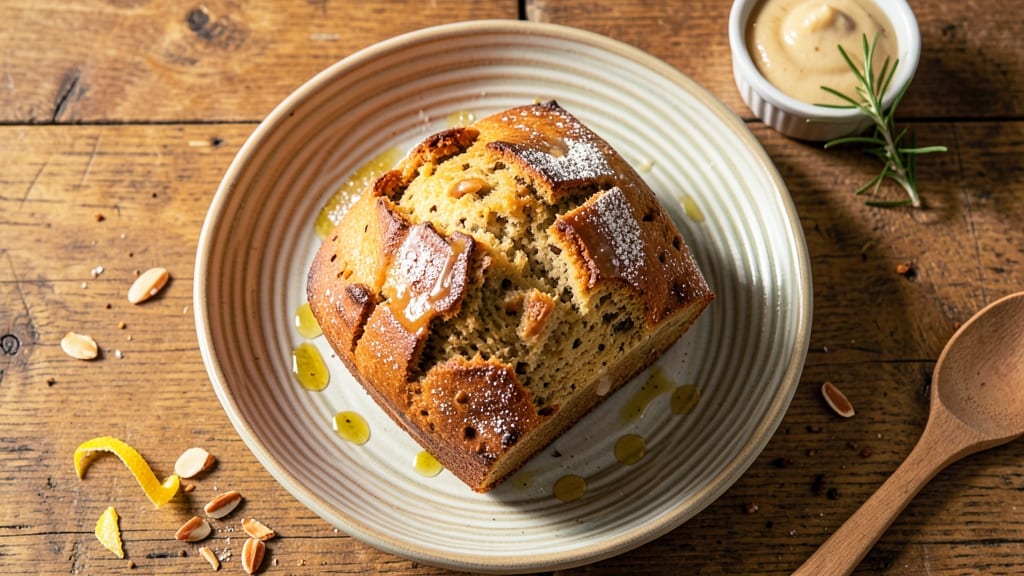
This almond pulp bread recipe transforms humble pantry ingredients into a nutty-crusted loaf with moist swirls baked right in—no layers, no fuss. The secret lies in almond pulp, a byproduct of almond milk production that adds rich, buttery texture while keeping the bread light and tender without dairy.
After years of testing, this version delivers a crisp exterior and soft, slightly sweet crumb with every slice, making it perfect for vegans or anyone craving a naturally gluten-free alternative that doesn’t sacrifice flavor.
The magic happens in the dough, where almond pulp replaces traditional fats, creating a nutty depth that pairs beautifully with the bread’s subtle sweetness.
Unlike dense almond flour breads, this recipe uses a balanced blend of almond pulp and all-purpose flour for structure, ensuring a consistent crumb that stays moist for days. The one-bake method—with a swirl of almond pulp-infused filling—eliminates the need for complicated layering, making it foolproof for home bakers.
What you’ll end up with is a golden-brown loaf with a crispy crust that gives way to soft, fluffy layers threaded with nutty swirls.
The aroma alone—warm almonds and toasted flour—will fill your kitchen, while the taste delivers a satisfying crunch followed by a moist, slightly sweet bite. This bread is versatile enough for toast, sandwiches, or served alongside soups, but it’s the texture contrast that makes it truly special.
With minimal prep and 30 minutes of active time, this recipe proves you don’t need fancy ingredients to make something extraordinary. The almond pulp not only enhances flavor but also boosts protein and healthy fats, turning a simple loaf into a nutrient-packed staple.
Let’s bake this bread—your kitchen (and taste buds) will thank you.
Ingredients for almond pulp bread
Transform humble pantry staples into a golden loaf with crisp crust and nutty swirls.
| Ingredient | Amount | Notes |
|---|---|---|
| Almond Pulp 🌰 | 1 ½ cups | From almond milk production, unsweetened |
| All-Purpose Flour 🌾 | 3 cups | Gluten-free blend if needed |
| Granulated Sugar 🍯 | ½ cup | Organic preferred for purity |
| Active Dry Yeast 🍞 | 2 ¼ tsp | Ensure freshness with expiration check |
| Almond Milk 🥛 | ¾ cup | Unsweetened, room temperature |
| Vegetable Oil 🫒 | ¼ cup | Light or canola preferred |
| Salt 🧂 | 1 ½ tsp | Diamond Crystal preferred |
| Vanilla Extract 🌿 | 1 tsp | Pure, high-quality extract |
| Ground Flaxseed 🌱 | 1 ½ tbsp | For vegan egg replacement |
| Water 💧 | ½ cup | Warm, not hot |
| Cinnamon 🌶️ | ½ tsp | Ground, for filling swirl |
| Maple Syrup 🍁 | 2 tbsp | Grade B for depth of flavor |
| Powdered Sugar 🍯 | 1 tbsp | For final dusting |
Almond pulp is the star here—sourced from almond milk production, it delivers that rich, buttery texture without dairy. Bob’s Red Mill or Nuts.com sell it in bulk, but check labels for unsweetened versions. The yeast needs to be fresh, so test it in warm water—it should foam within 5 minutes. For the flaxseed, ground it yourself if possible, as pre-ground can lose potency. The almond milk should be unsweetened and room temperature to activate the yeast properly. If you can't find almond pulp, blend soaked almonds into a pulp as a substitute, though texture may vary slightly.
No almond pulp? Substitute with extra almond flour at the same quantity, though the texture will be denser. Running low on vanilla? Vanilla bean paste works too, but reduce to 0.75 tsp. The cinnamon can be swapped for cardamom or nutmeg if you prefer different spice notes. For the maple syrup, Grade B is ideal—it has a deeper flavor than Grade A. If you need a gluten-free version, use a 1:1 gluten-free flour blend like Bob’s Red Mill’s. The powdered sugar is optional but adds that final touch of sweetness that makes every slice feel special.
This dough keeps well in the fridge for up to 24 hours if wrapped tightly in plastic. For longer storage, freeze the shaped loaf for up to 3 months—thaw at room temperature before slicing. The bread is best enjoyed within 3 days of baking for optimal texture, though it will stay fresh for 5 days if stored properly. To revive stale slices, warm in a toaster or oven for 5 minutes. The swirl filling can be made ahead and stored separately for up to 1 week in the fridge.
Why You'll Love This Recipe
- I’ll be real: almond pulp is cheap if you’re already making your own milk, and a single batch stretches for days. Freeze the extras, and you’ve got fresh bread on demand. Not the prettiest loaf, but the taste makes up for it—and my wallet thanks me.
- No Waste Magic: That leftover almond pulp from your homemade almond milk? It’s the star here—no scraps, no guilt. I swear by this trick: mix it right into the dough, and suddenly you’ve got a bread that’s richer than store-bought, with that nutty depth you’d pay extra for.
- One-Bowl Wonder: Honestly, this dough comes together faster than my coffee. Just toss everything—yeast, flour, almond pulp, even the sugar—into one bowl, let the yeast do its thing, and boom. No messy countertop or extra bowls to wash. (Yes, even on a Tuesday night.)
- Sweet or Savory Flex: Between us, this bread is my secret weapon. Toast it with jam for breakfast, or tear it into croutons for salads—it’s that adaptable. The almond milk keeps it tender, so it handles both sweet and savory like a champ.
Step-by-step instructions for almond pulp bread
Follow this precise method to create a nutty-crusted loaf with tender swirls—no advanced skills required.
Activate the Yeast and Prepare the Flax Egg
In a small bowl, combine the 0.5 cup warm water with 2.25 tsp active dry yeast and 0.5 cup granulated sugar. Let this sit for 5-10 minutes until it becomes frothy—this confirms the yeast is alive. If it doesn't bubble, your yeast may be old, and you'll need to start over.
In a separate small bowl, whisk together 1.5 tbsp ground flaxseed with 0.5 cup almond milk. Let this mixture sit for 5 minutes to thicken into a gel-like consistency, which will replace eggs in this recipe. This flax "egg" provides structure while keeping the bread moist.
Mix the Dough and Incorporate the Swirl Filling
In the bowl of a stand mixer fitted with the dough hook, combine 3 cups all-purpose flour, 1.5 tsp salt, and 0.5 tsp cinnamon. Mix on low speed to distribute the dry ingredients evenly. Add the yeast mixture, 0.25 cup vegetable oil, and 1 tsp vanilla extract, then mix until just combined.
In a separate small bowl, whisk together 2 tbsp maple syrup and the flax egg mixture. Once the base dough is smooth, remove it from the mixer and set aside. This is where the magic happens: gently fold the maple-flax mixture into the dough just until combined, being careful not to overmix. The swirl filling should remain distinct for beautiful patterns when baked.
Knead the Dough Until Elastic
Return the dough to the mixer and knead on medium speed for 5-7 minutes until it becomes smooth and elastic. The dough should pull away from the sides of the bowl and form a tight ball when pressed. If it feels sticky, add 1-2 tablespoons flour at a time until it reaches the right consistency—it should be soft but not wet.
Transfer the dough to a lightly oiled bowl, cover with a damp towel, and let it rise in a warm place for 1-1.5 hours, or until it has nearly doubled in size. The dough should feel light and springy when pressed gently. If your kitchen is cold, place the bowl near a warm oven with the light on to encourage proper rising.
Shape and Proof the Loaf
Once the dough has risen, punch it down to release air, then shape it into a 9x5-inch loaf pan, pressing gently to ensure the dough fills all corners. Cover the pan with a damp towel and let it rise again for 30-45 minutes until it domes slightly above the rim of the pan. This second rise ensures a light, airy texture.
While the dough proofs, preheat your oven to 350°F. The bread is ready when the dough springs back slowly when pressed with a finger. Bake the loaf for 45-50 minutes, until the top is golden brown and an instant-read thermometer inserted into the center reads 190-195°F. The internal temperature is critical for achieving that perfect moist crumb.
Finish and Serve for Maximum Moisture
Remove the bread from the oven and let it cool in the pan for 10 minutes, then transfer it to a wire rack. Immediately brush the warm loaf with a mixture of 1 tbsp powdered sugar and 1 tbsp almond milk for a glossy finish. This step enhances the nutty flavor and keeps the bread moist longer.
Slice the bread while still warm to reveal the beautiful cinnamon-maple swirls throughout. Serve it fresh for the best texture, or store it in an airtight container for up to 3 days. The almond pulp adds a subtle nuttiness to the crust, while the cinnamon swirls keep every bite moist and flavorful.
Pro Tips For Making Almond Pulp Bread
- Bloom the Yeast First: Skip mixing yeast directly into wet ingredients—it’s a gamble with almond pulp’s moisture. Instead, dissolve it in warm almond milk (110°F) with a pinch of sugar first, then let it foam for 5-7 minutes. This guarantees your dough rises properly, especially when almond pulp’s natural oils can slow fermentation.
- Pulse Almond Pulp Twice: I learned this the hard way—grinding almond pulp into a fine powder once leaves gritty bits that ruin texture. Pulse it in your food processor until it looks like coarse sand, then give it a second quick pulse after mixing with flour. This ensures a smooth crumb without overworking the dough.
- Don’t Overmix the Dough: Almond pulp bread is delicate—once you add the yeast mixture, stop stirring after 2-3 minutes. Overmixing develops gluten, and you’ll end up with a dense, chewy loaf instead of the tender, slightly crumbly texture you want. Use a dough scraper to fold in dry ingredients gently.
- Bake at 350°F, Not Higher: Sounds weird, but it works: almond pulp burns faster than flour alone. Crank your oven to 350°F and bake for 10-15 minutes longer than your recipe says. If the top browns too quickly, tent it loosely with foil—your crust will still crisp up as it cools, but the inside stays moist.
Make-ahead tips for almond pulp bread
Prep Ahead Dough
Mix the dough up to 24 hours in advance and store it in an airtight container in the fridge. The cold slows fermentation, intensifying flavor development. When ready to bake, let it sit at room temperature for 1 hour before shaping to restore elasticity.
I find this method reduces active baking time by 30 minutes while deepening the nutty aroma. 🌰
Filling Prep
Prepare the cinnamon-maple filling separately and store it in a small airtight container for up to 1 week in the fridge. The flavors meld beautifully overnight, creating a more complex swirl pattern when baked.
Simply fold it into the dough right before the second rise—no thawing needed. This shortcut saves 15 minutes of prep day-of. 🍁
Freezer-Friendly Loaf
Shape the loaf and proof it completely, then wrap tightly in plastic wrap followed by aluminum foil. Freeze for up to 3 months. Thaw overnight in the fridge before warming in a 300°F oven for 10-15 minutes to restore moisture.
The texture remains tender when reheated properly—no dry crumb here! Perfect for meal prep. ❄️
Make-Ahead Swirls
For a no-fuss morning bake, prepare the dough and filling the night before, then refrigerate both separately. In the morning, combine them, shape the loaf, and bake as directed.
The cold dough rises more slowly, giving you time for coffee while it proofs. This method works especially well for weekend baking. ☕
Storage Secrets
Wrap cooled bread in a clean kitchen towel, then place in an airtight container. The towel prevents moisture loss while keeping the crust crisp. Store at room temperature for 3 days or freeze for longer storage.
To revive stale slices, wrap them in foil and warm in a 350°F oven for 5 minutes—they’ll taste fresh again. 💫
Batch Baking
Double the recipe and bake two loaves simultaneously in your oven. Use a baking sheet on the lower rack to catch any drips. The second loaf bakes in 5-10 minutes longer than the first.
Perfect for feeding a crowd or freezing extras. Label each loaf with the date—this bread stays fresh for 5 days when stored properly. 🍞
Nutrition facts
Frequently asked questions
What makes almond pulp bread different from regular bread?
The almond pulp adds a rich, buttery texture without dairy, while keeping the bread light and moist. Unlike traditional breads, this recipe uses a vegan flax egg for binding and incorporates a cinnamon-maple swirl baked right into the loaf. The result is a nutty crust with tender, slightly sweet layers—perfect for those avoiding gluten or animal products.
Can I substitute almond pulp with something else?
Yes! If you can't find almond pulp, use extra almond flour (same quantity) for a denser texture. For a neutral substitute, try unsweetened applesauce (1:1 ratio) or mashed banana (reduce other liquids by 2 tbsp). However, these may alter the bread's nutty depth and moisture. The flax egg can also be replaced with 1 tbsp chia seeds + 3 tbsp water per egg.
Why does my almond pulp bread turn out dense?
Overmixing the dough or skipping the proofing steps are common culprits. Ensure your yeast is active (it should foam in 5-10 minutes with warm water and sugar). Also, don't skip the second rise—this creates air pockets for a light texture. If using a gluten-free flour blend, add 1 tsp xanthan gum to improve structure. For extra moisture, brush the crust with almond milk while warm.
How do I store almond pulp bread to keep it fresh?
Wrap the cooled loaf in a clean kitchen towel, then place it in an airtight container. This method keeps the crust crisp while preserving moisture for up to 3 days at room temperature. For longer storage, freeze the bread (unwrapped) for up to 3 months. To revive stale slices, warm them in a 350°F oven for 5 minutes wrapped in foil.
Can I make this bread gluten-free?
Replace the all-purpose flour with a 1:1 gluten-free blend (like Bob's Red Mill). For best results, add 1 tsp xanthan gum to improve elasticity. The almond pulp and flax egg will still work perfectly, but expect a slightly denser texture. Proofing times may also increase—monitor the dough closely for 1.5-2 hours until doubled.