
Side Dishes
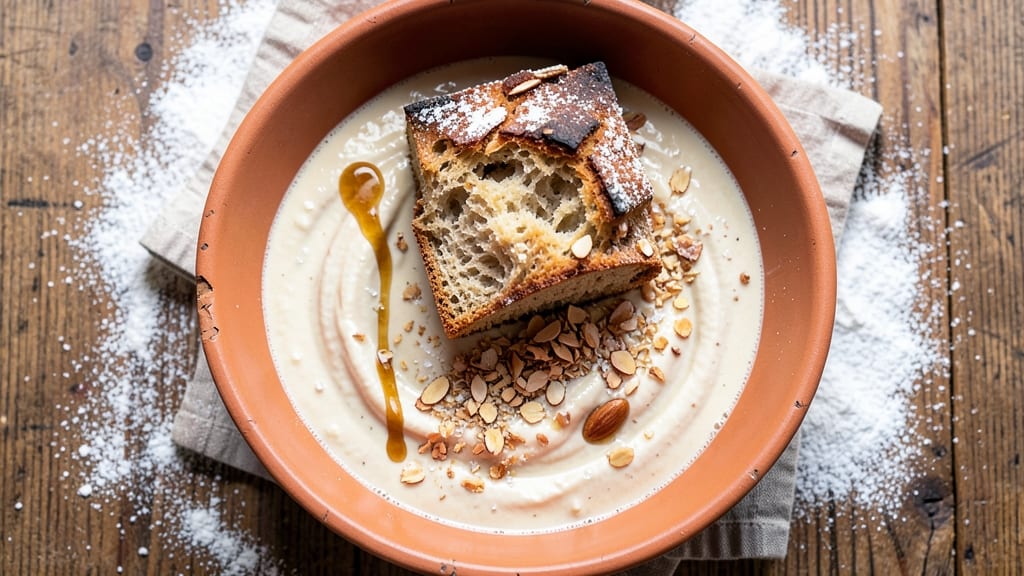
This almond sourdough bread recipe transforms classic fermentation into a nutty, crunchy masterpiece with every bite. The marriage of tangy sourdough and rich almond flavor creates a loaf that’s both rustic and refined—perfect for toast lovers and bread enthusiasts alike.
What sets this apart is the almond flour’s subtle nuttiness, which enhances the dough’s texture without overpowering the signature sourdough tang.
The process begins with a robust sourdough starter, but don’t worry—this method accommodates both beginners and seasoned bakers. You’ll mix, knead, and proof the dough with precision, then bake until the crust achieves that golden, crackly perfection.
The almond elements (whether flour, milk, or extract) add depth, making each slice uniquely satisfying.
What you’ll end up with is a loaf that’s crisp on the outside, tender within, and infused with almond’s natural sweetness. It’s ideal for breakfast toast, sandwiches, or simply enjoying with butter and jam. The best part? This recipe delivers restaurant-quality results at home, with minimal fuss and maximum flavor.
Whether you’re a sourdough novice or a seasoned artisan, this adaptation keeps tradition alive while adding a modern twist. Let’s get started on crafting your perfect loaf—one that’ll have everyone asking for seconds.
Ingredients for almond sourdough bread
Fourteen ingredients blend rustic sourdough tradition with almond's elegant nuttiness for a loaf that's crisp, tender, and utterly addictive.
| Ingredient | Amount | Notes |
|---|---|---|
| Active Sourdough Starter 🍞 | ½ cup | Fed and bubbly, 100% hydration |
| All-Purpose Flour 🌾 | 3 cups | Bread flour preferred for structure |
| Almond Flour 🥜 | 1 ½ cups | Finely ground, unsweetened |
| Unsweetened Almond Milk 🥛 | 1 cup | Room temperature, unsweetened |
| Granulated Sugar 🍚 | 1 tbsp | For subtle sweetness |
| Almond Extract 🌿 | 1 tsp | Pure, high-quality extract |
| Active Dry Yeast 🍄 | ¼ tsp | Freshly measured, room temp |
| Salt 🧂 | 1 ½ tsp | Diamond Crystal preferred |
| Olive Oil 🫒 | 2 tbsp | Extra-virgin, cold-pressed |
| Honey 🍯 | 1 tbsp | For fermentation boost |
| Toasted Almond Slices 🥜 | ¼ cup | For crust decoration |
| Coarse Sea Salt 🧂 | 1 tsp | For final crust sprinkle |
The almond flour is non-negotiable here—Bob's Red Mill or Anthony's Goods are my go-tos for consistency. Look for finely ground, unsweetened versions, as sweetened varieties can alter the dough's delicate balance. The almond milk should be room temperature to activate the yeast properly, so don't grab it straight from the fridge. For the starter, King Arthur's sourdough starter is a reliable option if you're just beginning, but any active, bubbly starter will work. Toast your almond slices lightly in a dry pan until golden for that perfect crunch on the crust.
No almond milk? Cashew milk or oat milk work beautifully, though the texture may differ slightly. Substituting almond flour with white whole wheat flour at a 1:1 ratio keeps the flavor profile intact but adds a different texture. Running short on almond extract? Vanilla extract at half the amount provides a similar depth, though it won't have that signature almond aroma. The honey can be swapped for maple syrup if you prefer, but honey's antimicrobial properties help with fermentation. For those avoiding gluten, you can replace up to half the all-purpose flour with gluten-free 1:1 flour blend, though the crumb will be slightly denser.
This dough is best made fresh, but you can prep it up to 24 hours ahead—just cover it tightly and refrigerate. The almond flour keeps indefinitely in a cool, dark place, while the almond milk lasts 7-10 days once opened. For the ultimate crust, brush the baked loaf with melted butter while still warm. Store wrapped at room temperature for 2-3 days or freeze slices for up to 3 months. The almond elements make every slice taste like a gourmet treat—worth the extra effort for that restaurant-quality crunch.
Why You'll Love This Recipe
- I’ll be real: this recipe makes enough for a week of snacks. The almond flour keeps it from drying out, so stale bread? Never. I freeze slices and toast them straight from the freezer—no one can tell the difference.
- No-Fuss Mix-In: I swear by this combo—just toss in almond flour with the starter and milk, no fancy techniques. The dough comes together smoother than my usual sourdough, thanks to that creamy almond milk keeping everything balanced.
- Nutty Crunch Magic: Between us, the almond flour gives this bread a texture I can’t get enough of—light yet dense, with these tiny bursts of crunch that disappear the second you take a bite. (Yes, even on a Tuesday night.)
- Breakfast to Brunch: Here’s what sold me—this bread is my go-to for toast in the morning, but it also holds up perfectly for brunch crostini. The sugar caramelizes just enough to make it irresistible, whether you’re slathering jam or pairing it with avocado.
Step-by-step instructions for almond sourdough bread
Here's how to craft that perfect nutty crunch and tangy fermented crust—simple steps for a showstopping loaf.
Combine Wet Ingredients for Fermentation
In a large mixing bowl, whisk together the 0.5 cup active sourdough starter, 1 cup unsweetened almond milk, 2 tbsp olive oil, 1 tbsp honey, 1 tbsp granulated sugar, and 1 tsp almond extract until fully incorporated. The almond extract will infuse a delicate nutty aroma—this is where the magic begins. Let this mixture sit for 5 minutes while you prepare the dry ingredients. The honey and sugar will help activate the yeast and create a slightly sweet base for the almond flour.
I like to use a whisk for this step to ensure the almond milk and olive oil emulsify properly. You'll see a smooth, pale mixture with tiny bubbles forming—this indicates the yeast is already beginning to wake up. If you notice any separation, give it a quick stir. The almond milk should be room temperature to prevent shocking the yeast.
Mix Dry Ingredients and Create the Dough
In a separate bowl, sift together the 3 cups all-purpose flour, 1.5 cups almond flour, 1.5 tsp salt, and 0.25 tsp active dry yeast. This creates a fine, airy base that will blend seamlessly with the wet ingredients. Gradually add the dry mixture to the wet ingredients, mixing with a wooden spoon or dough whisk until a shaggy dough forms. The almond flour will make this dough slightly denser than traditional sourdough, so don't be alarmed if it feels heavier.
Once combined, let the dough rest for 10 minutes. This allows the gluten to begin developing and the flour to fully hydrate. After resting, knead the dough by hand for 5-7 minutes until smooth and elastic. You'll notice it becomes slightly sticky but should pull away from the sides of the bowl. If it's too wet, add 1-2 tablespoons of all-purpose flour to bring it together. The dough should feel firm yet pliable—like a well-behaved sourdough.
First Rise for Maximum Flavor Development
Shape the dough into a loose ball and place it in a lightly oiled bowl. Cover with a damp kitchen towel and let it rise in a warm place for 4-6 hours, or until it has nearly doubled in size. The almond flour and active starter will work together to create a tangy, nutty flavor profile. I like to place my bowl near the oven with the light on, or use a proofing box set to 78°F—this creates an ideal environment for fermentation.
During this time, the dough should become puffy and slightly jiggly when gently shaken. You'll see small bubbles forming on the surface, and the almond aroma will deepen. If the dough rises too quickly, it may collapse—this is normal, especially with almond flour. The key is patience; let it rise until it's about 75% expanded before shaping. Overproofing leads to dense bread, so keep an eye on it.
Shape and Second Rise for Structure
Once the dough has risen, turn it out onto a lightly floured surface and gently deflate it by pressing down with your fingers. Fold the edges toward the center and shape into a round loaf, tucking the sides under for a tight seal. This technique, called "boule shaping," creates a beautiful, rounded loaf with an even crust. Place the shaped dough seam-side down in a greased 9x5-inch loaf pan and cover again with the damp towel.
Let the dough rise for another 2-3 hours, or until it has risen 1-2 inches above the pan. The almond flour will make this dough rise more slowly than traditional sourdough, so don't rush it. The final rise should be gentle—just enough to fill the pan. Preheat your oven to 375°F while the dough rises. This ensures the bread goes straight into a hot oven for maximum oven spring.
Bake for Crispy Crust and Nutty Perfection
Carefully remove the loaf pan from the oven and place it on the middle rack. Bake for 45-50 minutes, until the top is deep golden brown and the internal temperature reaches 205°F. The crust should be firm to the touch, with a beautiful crackly texture. If the top browns too quickly, tent the loaf with foil after 20 minutes to prevent over-browning.
For the final touch, brush the crust with a little olive oil and sprinkle generously with 0.25 cup toasted almond slices and 1 tsp coarse sea salt. Return the loaf to the oven for 5-7 minutes to toast the almonds and add extra crunch. Let the bread cool in the pan for 10 minutes, then transfer to a wire rack to cool completely. This resting period allows the crumb to set and the flavors to meld—patience here ensures every slice is moist and flavorful.
Pro Tips For Making Almond Sourdough Bread
- Weigh Your Flours: Almond flour is finicky—don’t eyeball it. Use a kitchen scale for both all-purpose and almond flour (1:1 ratio works, but precise measurements prevent a dense, gummy loaf). I learned this the hard way when my first batch turned out like a brick—turns out, scooping almond flour from the bag packs it too tightly.
- Hydrate Almond Flour First: Mix unsweetened almond milk with almond flour before adding it to the wet starter mix—this prevents clumping and ensures even distribution. Stir it into a smooth paste, then fold it in last. (Yes, even if you’re impatient like me, skip the temptation to mix everything at once.)
- Proof at Room Temp: Let the dough rise in a warm spot (75–80°F is ideal), not the fridge. Cold temps slow fermentation, and almond flour’s natural oils can make the dough sluggish. If your kitchen’s chilly, pop the bowl near the oven with the light on—it’s a hack I steal from bakeries.
- Steam the First 20 Minutes: Place a metal tray on the oven rack before baking, then pour boiling water into it. The steam helps the crust brown evenly without cracking—critical for almond sourdough, which dries out faster than regular bread. (Your future self will curse you if you skip this.)
Troubleshooting your almond sourdough bread
Dough Too Sticky?
Almond flour absorbs moisture differently than regular flour, so your dough might feel excessively sticky. If it clings to your hands or bowl, dust the surface with 1-2 tablespoons of all-purpose flour and knead gently. I’ve found that adding flour gradually prevents the dough from becoming dry.
For extra help, wet your hands slightly before handling—this creates a barrier between the dough and your skin, making it easier to shape without sticking. 🥜
Uneven Rise?
The almond flour can slow fermentation, leading to an uneven rise. If your dough rises slowly or collapses, try these fixes: First, ensure your starter is active and bubbly. Second, place the dough in a warmer spot—near a turned-on oven with the light on works well.
Finally, avoid overproofing; stop shaping when the dough is about 75% expanded. If it collapses, simply reshape and let it rise again for 1-2 hours. Patience is key here!
Flat or Dense Crust?
A flat or dense loaf often means the dough didn’t get enough oven spring. To fix this, preheat your oven to 375°F and let it sit for 15-20 minutes before baking. Also, ensure your dough is properly shaped and sealed—this helps trap gases for a better rise.
If the crust still seems flat, try brushing it with melted butter or olive oil after baking to add richness and crispiness. A steam pan trick (placing a tray of boiling water in the oven for the first 10 minutes) can also help create a lighter crust.
Almond Flavor Too Weak?
If your bread lacks almond flavor, boost it by using high-quality almond extract (like McCormick Pure Almond Extract) and toasting the almond slices until golden. For extra depth, add 1-2 tablespoons of almond butter to the wet ingredients.
Another trick? Sprinkle extra toasted almond slices on top before baking. The heat will enhance their flavor, making every bite more aromatic. 🌿
Dough Not Rising at All?
If your dough refuses to rise, check your yeast and starter first. Ensure your yeast is fresh (test it in warm water with sugar—it should foam within 5-10 minutes). For the starter, make sure it’s 100% hydration and fed 12 hours before use.
If all else fails, try adding ½ teaspoon more yeast or a pinch of sugar to kickstart fermentation. Sometimes, a colder kitchen slows things down—move the dough to a warmer spot, like near the oven or in a proofing box set to 78°F.
Crust Too Pale?
A pale crust usually means the bread didn’t bake long enough or the oven wasn’t hot enough. Increase your bake time by 5-10 minutes and ensure your oven is fully preheated.
For extra color, brush the crust with egg wash (1 egg + 1 tbsp water) before baking or sprinkle extra coarse sea salt on top—it helps create a darker, crispier crust.
If your oven runs hot, tent the loaf with foil after 20 minutes to prevent over-browning while ensuring even cooking.
Nutrition facts
Frequently asked questions
Can I make this almond sourdough bread without almond flour?
Yes, but the texture and flavor will change. Replace 1 cup of almond flour with 1 cup all-purpose flour for a lighter crumb, though you’ll lose the nutty depth. For a closer match, use ½ cup almond flour + ½ cup whole wheat flour—this keeps some nuttiness while improving structure. The almond extract remains key for that signature flavor.
How long does this bread keep fresh?
Wrap the cooled loaf tightly in plastic wrap or place it in an airtight container. It stays fresh at room temperature for 3-4 days. For longer storage, slice the bread and freeze the pieces for up to 3 months. Toast frozen slices directly from the freezer for best results. The almond elements actually enhance flavor over time!
Why does my dough smell like alcohol?
This is completely normal! The fermentation process produces small amounts of alcohol and acetic acid (the tangy component). A mild alcohol scent means your sourdough starter is active and working properly. If the smell is strong or vinegary, your starter may need refreshing. For a less potent aroma, reduce the starter to ¼ cup and increase the flour slightly.
Can I add chocolate chips or other mix-ins?
Fold in ½ cup chocolate chips or ¼ cup chopped walnuts during the final kneading stage. For best results, use dark chocolate (70% cocoa or higher) to complement the almond flavor. Keep mix-ins to 10% of the total dough weight to maintain structure. The almond-chocolate combo is particularly delicious!
What’s the best way to reheat sliced almond sourdough?
For crispy toast, warm slices in a 350°F oven for 3-5 minutes until golden. For softer bread, use a toaster or toaster oven. To revive stale slices, wrap them in a damp paper towel and microwave for 10-15 seconds. The almond crust benefits most from dry heat methods. Never reheat in water—it makes the crust soggy!