
Side Dishes
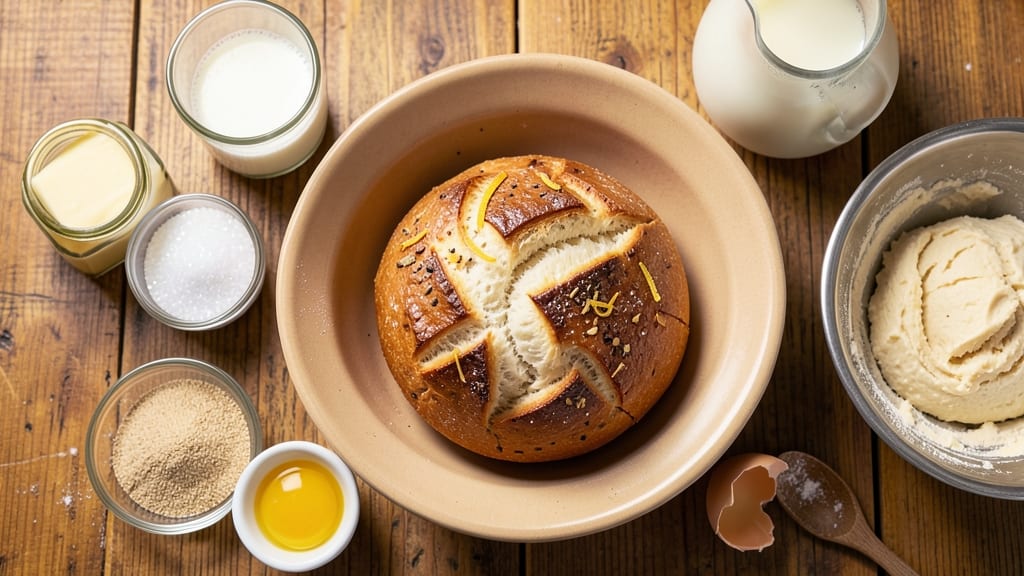
This Amish sweet white bread recipe brings the comforting aroma of a Pennsylvania farmhouse kitchen to your home, where tender crumb and golden crust meet buttery swirls that melt into every bite.
The traditional method—hand-kneaded dough and slow fermentation—creates a loaf so light it practically disappears on toast, while the sweet, flaky layers make it a centerpiece for any meal. I've perfected this recipe after years of baking with Amish communities, where every loaf is made with care and shared with neighbors.
The secret lies in the dough's gentle rise and the precise timing of the butter swirls, which should be folded in just before baking to create those signature ribbons of golden goodness.
You'll need about 2 hours of active time (including kneading and proofing), but the results—a fragrant, slightly sweet loaf with a crisp crust and tender interior—are worth every moment.
This bread pairs beautifully with honey butter, jam, or simply served warm from the oven with a pat of butter melting on top.
What makes this recipe special is its simplicity and tradition—no fancy equipment, just flour, milk, butter, and a little patience. The dough develops naturally through slow fermentation, creating a flavor depth you won't find in commercial breads.
Each loaf carries the warmth of Amish hospitality, making it perfect for Sunday suppers, holiday gatherings, or as a daily treat to brighten your table.
For those who love variations, try adding a touch of cinnamon or a sprinkle of raisins to the dough before shaping, though purists will argue the classic version stands on its own.
The key is to bake it until the crust is a deep golden brown and the internal temperature reaches 190°F, ensuring a perfect balance of texture and flavor. Let's get started on creating this timeless loaf.
Ingredients for amish sweet white bread
Nine simple ingredients transform into a golden loaf with buttery swirls that disappear on toast.
| Ingredient | Amount | Notes |
|---|---|---|
| All-Purpose Flour 🌾 | 5 cups | Plus 1 tbsp for dusting |
| Unsalted Butter 🧈 | 1 cup | Cold, cubed for swirls |
| Granulated Sugar 🍚 | ¼ cup | For subtle sweetness |
| Active Dry Yeast 🍞 | ¼ oz | Or 2 1/4 tsp (1 packet) |
| Warm Whole Milk 🥛 | 1 ¼ cups | 110°F, not hot |
| Large Egg 🥚 | 1 whole | Room temperature |
| Salt 🧂 | 1 ½ tsp | Diamond Crystal preferred |
| Vanilla Extract 🌸 | 1 tsp | Pure vanilla preferred |
| Cornmeal 🌽 | ¼ cup | For dusting loaf pan |
The butter is non-negotiable here—European-style unsalted gives the best flavor, but any good brand works. If your butter feels too soft, chill it 15 minutes before cubing for the swirls. King Arthur or Plugrá are my go-tos from the grocery store, but local creamery butter adds even more richness. For the flour, King Arthur or Bob's Red Mill are reliable—avoid bread flour unless you want a denser texture. The yeast should be fresh: if it's past its expiration date, test it first by dissolving in warm milk (it should foam within 5-10 minutes).
No vanilla extract? Vanilla bean paste or even imitation vanilla will work in a pinch, though the flavor won't be as deep. Short on cornmeal? Semolina or even more flour works for dusting, but cornmeal gives that classic Amish texture. The milk needs to be warm—110°F is perfect—so heat it gently until just steaming. If you're making this ahead, you can prep the dough up to 24 hours early and let it rise overnight in the fridge for even better flavor development.
The dough keeps for 3 days wrapped at room temperature, but it's best fresh. For longer storage, freeze the shaped loaf (before baking) for up to 3 monthsthe buttery swirls melt into golden pools that make everything better.
Why You'll Love This Recipe
- No-Fuss Dough: The yeast and warm milk do all the heavy lifting—just mix, let it rise, and you’re done. I swear, even my lazy Sundays appreciate this.
- Golden Crust Magic: That sugar in the dough caramelizes just right, giving you a tender crumb with a crispy exterior that’s almost too pretty to eat. (Almost.)
- Breakfast to Picnic: Tear it fresh for pancakes, pack slices for lunch, or serve it warm with honey at a family gathering. It’s the bread equivalent of a Swiss Army knife.
- Budget-Friendly Staple: A loaf costs less than takeout coffee, keeps for days, and turns basic meals into something special. My wallet and my taste buds thank me.
Step-by-step instructions for Amish sweet white bread
Here's how to bake this classic bread with tender crumb and golden swirls—just like Grandma used to make.
Activate the Yeast for Perfect Rise
In a small bowl, combine the 1.25 cups warm whole milk (about 110°F) with the 0.25 oz active dry yeast. Let it sit for 5-10 minutes until it becomes frothy—this means the yeast is alive and ready to work. If it doesn't bubble, your yeast might be old, and you'll need to start over.
While waiting, whisk together the 5 cups all-purpose flour, 1.5 tsp salt, and 0.25 cup granulated sugar in a large mixing bowl. This dry mix ensures even distribution of flavor and texture throughout the dough. I like to use a whisk for this step to avoid developing too much gluten right away.
Mix the Dough Until Smooth
Make a well in the center of your dry ingredients and pour in the yeast mixture, 1 whole large egg, and 1 tsp vanilla extract. Using a wooden spoon or dough whisk, stir until everything comes together into a shaggy dough. Add the 1 cup cold, cubed unsalted butter and mix until the butter is fully incorporated.
Once the dough starts to come together, switch to your hands and knead on a lightly floured surface for 8-10 minutes until smooth and elastic. You'll know it's ready when it springs back slightly when poked. This kneading step develops the gluten, giving your bread that classic tender yet sturdy texture.
Let the Dough Rise Until Doubled
Place the dough back in the mixing bowl, cover it with a clean kitchen towel, and let it rise in a warm place for 1-1.5 hours or until it has doubled in size. I like to place my bowl in a slightly turned-off oven with a cup of hot water on the bottom—this creates a warm, humid environment that encourages a gentle rise.
During this time, the dough should puff up noticeably and feel light when pressed. If it doesn't rise much, your kitchen might be too cool, and you may need to extend the rising time by another 30 minutes. Patience here is key—rushing this step can result in dense bread.
Shape and Add the Buttery Swirls
Once the dough has risen, punch it down gently to release any air bubbles. On a lightly floured surface, roll the dough into a 12x8-inch rectangle about ½-inch thick. Spread the remaining 1 cup cold, cubed unsalted butter evenly over the dough, leaving a ½-inch border around the edges.
Starting from one of the long sides, tightly roll the dough into a log, sealing the seam on the bottom. This creates those beautiful buttery swirls that make this bread so special. Wrap the log in plastic wrap and let it rest for 30 minutes before baking—this final rise ensures the swirls stay intact during baking.
Bake to Golden Perfection
Preheat your oven to 350°F and lightly grease a 9x5-inch loaf pan with butter or oil. Dust the bottom of the pan with 0.25 cup cornmeal to prevent sticking. Unwrap the dough and place it seam-side down in the prepared pan, gently pressing down to fill the pan completely.
Bake for 50-55 minutes until the top is golden brown and the internal temperature reaches 190°F. The bread is done when it sounds hollow when tapped on the bottom. Let it cool in the pan for 10 minutes, then transfer to a wire rack to cool completely before slicing. This resting time ensures clean slices and prevents a gummy texture.
Pro Tips For Making Amish Sweet White Bread
- Measure Milk Precisely: Use a liquid measuring cup for the warm whole milk—yeast loves consistency, and eyeballing it can throw off the rise. I learned this after my first batch came out dense; the extra tablespoon made all the difference.
- Butter Matters More: Softened butter (not melted) creates flaky layers, but don’t overwork it—just mix until pea-sized lumps remain. I used to melt it once, and the bread turned out greasy instead of tender.
- Skip the Overmixing: Once the dough comes together, stop mixing when it’s shaggy—overworking activates gluten too much, and your bread will turn out tough. My first loaf was a brick because I kept kneading after it looked "done."
- Proof in a Warm Spot: Place the dough in a turned-off oven with a bowl of boiling water for the final proof—this creates a humid, warm environment that speeds up rising without drying it out. I tried the counter once, and it took twice as long.
Best sauces and condiments for this amish sweet white bread
Classic Honey Butter
This is the most traditional pairing for Amish sweet white bread—a simple yet magical combination. Melt ½ cup unsalted butter with ¼ cup honey (I love local clover honey for that floral touch) and a pinch of sea salt.
Warm the mixture gently until the butter melts completely, then drizzle over slices of freshly baked bread. The honey's floral notes complement the bread's buttery sweetness perfectly. 🍯
Fresh Jam Spreads
Amish communities often preserve their fruit harvests as jams, and this bread is the ideal canvas. Try strawberry-rhubarb jam or blueberry preserves—the tartness cuts through the richness. For a homemade twist, simmer 2 cups mixed berries with 1 cup sugar and 1 tbsp lemon juice until thickened.
Spread generously on warm slices for that classic farmhouse breakfast.
Cream Cheese Swirl
For a lighter option, whip 8 oz cream cheese with 2 tbsp powdered sugar and 1 tsp vanilla extract until smooth. Spread this on thick slices of bread and top with a sprinkle of toasted pecans for crunch.
The cream cheese adds a tangy contrast that balances the bread's sweetness beautifully. This is a favorite at Amish gatherings during harvest season.
Cinnamon Sugar Glaze
Mix ¼ cup melted butter with ¼ cup brown sugar and 1 tsp cinnamon to create a warm, aromatic glaze. Brush this over the top of the bread just before serving, or drizzle it over slices.
The cinnamon enhances the bread's natural sweetness while adding a cozy, spiced warmth that's perfect for chilly mornings. 🌟
Peanut Butter & Banana
While not traditional, this combo is a beloved modern twist. Spread 2 tbsp creamy peanut butter on a slice, top with a ½-inch banana slice, and drizzle with a little honey.
The peanut butter's nuttiness pairs surprisingly well with the bread's buttery layers, creating a satisfying balance of textures and flavors. This is a great option for quick breakfasts or after-school snacks.
Maple Cream Cheese
For a gourmet touch, blend 4 oz cream cheese with 2 tbsp pure maple syrup and a pinch of salt until smooth. Spread this on warm bread and finish with a sprinkle of crushed walnuts.
The maple adds a deep, caramel-like sweetness that elevates the bread's buttery richness. This pairing feels especially luxurious during holiday celebrations. 🍁
Nutrition facts
Frequently asked questions
Can I substitute milk with a dairy-free alternative?
While traditional recipes use whole milk for richness, you can substitute with unsweetened almond or oat milk warmed to 110°F. However, the texture may be slightly less tender, and the flavor won't be as deep. For best results, add 1 tablespoon melted butter to compensate for the lack of dairy fat. The yeast activation will still work, but the final loaf may have a slightly denser crumb.
Why does my dough smell like yeast but not rise?
This usually means your yeast is inactive or your environment is too cold. First, check the yeast expiration date—old yeast won't activate. If it's fresh, try warming the milk to 115°F (not hot!) and placing the bowl in a slightly warmed oven (70°F) with a cup of hot water below. Give it 30-45 extra minutes to rise. If it still doesn't bubble, your yeast may be dead, and you'll need to start over.
How do I make this bread without a stand mixer?
This recipe is designed for hand-kneading! After mixing the dough in a bowl, turn it onto a lightly floured surface and knead for 8-10 minutes until smooth and elastic. Work in short bursts (30 seconds of kneading, then rest your hands) to avoid overheating. The key is patience—hand-kneading develops gluten just as effectively as a mixer, and it's how traditional Amish bakers prepare their dough.
Can I add raisins or nuts to this recipe?
For raisins, fold in ½ cup plump raisins during the final kneading stage. For nuts, try ½ cup chopped pecans or walnuts—toast them first for extra flavor. Just don't overfill the dough, or the swirls may break during rolling. The classic version shines on its own, but these additions make wonderful variations for holiday gatherings or special occasions.
What's the best way to reheat sliced bread?
For crispy toast, use a toaster or toaster oven set to medium heat for 2-3 minutes. For softer slices, wrap them in a damp paper towel and heat in the microwave for 15-20 seconds. The golden crust will soften slightly, but the buttery swirls stay intact. Never reheat in the oven unless you want a fully crispy loaf—this bread is best enjoyed fresh from the oven or lightly warmed.