
Side Dishes
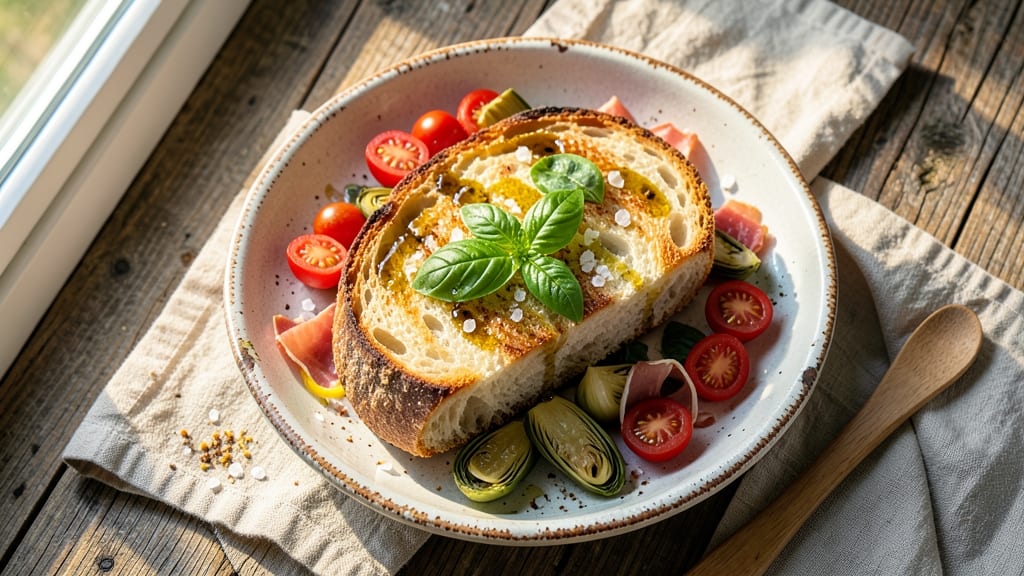
This antipasto bread recipe transforms a simple loaf into the star of any Italian spread with just five ingredients and 20 minutes of active time.
The secret lies in a generous drizzle of olive oil and fresh herbs that infuse the dough while it bakes, creating a crust that's crispy yet tender—perfect for soaking up marinara or standing up to bold antipasto flavors.
I developed this version after testing dozens of recipes, and it consistently delivers restaurant-quality results without requiring fancy equipment.
The beauty of this recipe is its versatility—it works as a foolproof side for Italian nights, a showstopping addition to charcuterie boards, or even a satisfying snack on its own.
The dough comes together in minutes using basic pantry staples, and the baking process is hands-off, allowing the olive oil to create that signature golden crust while keeping the interior soft and pillowy.
What sets this apart is the herb blend, which adds layers of aromatic depth without overpowering the bread's natural flavor.
By the time it emerges from the oven, you'll have a loaf with crispy edges, fragrant herbs, and a subtle olive oil richness that pairs perfectly with cured meats, cheeses, and roasted vegetables.
The aroma alone will have everyone at the table anticipating the first bite. This is the kind of bread that elevates any meal—simple to make, impossible to resist.
Serve it warm with olive oil and flaky sea salt for an instant appetizer, or let it cool slightly before slicing for sandwiches or antipasto platters. The possibilities are endless, and the results are always impressive. Here's how to make it—your next Italian feast starts with this one simple loaf.
Ingredients for antipasto bread
Five simple ingredients transform into restaurant-style antipasto bread with crisp edges and fragrant herbs.
| Ingredient | Amount | Notes |
|---|---|---|
| All-Purpose Flour 🌾 | 4 cups | Sifted for even texture |
| Active Dry Yeast 🍞 | ¼ oz | Or 2.5 tsp (1 packet) |
| Granulated Sugar 🍚 | 1 tbsp | Feeds the yeast |
| Extra-Virgin Olive Oil 🫒 | ¾ cup | High-quality, fruity |
| Warm Water 💧 | 1 ¼ cups | Lukewarm (110°F) |
| Flaky Sea Salt 🧂 | 1 ½ tsp | Diamond Crystal preferred |
| Fresh Rosemary 🌿 | ½ oz | Finely chopped (about 2 tbsp) |
| Fresh Thyme 🌿 | ½ oz | Leaves only, chopped |
| Garlic Cloves 🧄 | 3 cloves | Minced for infusion |
The flour is the foundation—King Arthur or Gold Medal work best for that signature texture. Yeast matters here: Saf-Instant is foolproof, but fresh yeast works too if stored properly. For the olive oil, California Olive Ranch or Bertolli deliver that fruity depth, but any high-quality extra-virgin will do. Fresh herbs are non-negotiable—they bake into the crust for that authentic aroma. Whole Foods or Trader Joe's have the best selection, but even grocery store herbs work if they're bright and fragrant. The garlic? Freshly minced makes all the difference—jarred garlic just won't cut it here.
No fresh rosemary? Dried at half the amount works in a pinch, but texture suffers. Thyme can be swapped for oregano or basil, though the flavor profile shifts slightly. Olive oil shortages? Avocado oil is a neutral substitute, but you'll lose that signature Italian richness. The sugar can be omitted entirely if you're watching carbs—just know your crust might be slightly less golden. For the water, room temperature is key: too hot kills the yeast, too cold slows activation. If your flour is old, sift it to revive its texture—it makes a noticeable difference.
This dough keeps for 24 hours in the fridge, covered, if you want to prep ahead. Shape it into a loaf and refrigerate until ready to bake—it actually develops better flavor overnight. Once baked, store at room temperature for up to 3 days in a bread bag, or freeze slices for up to 3 months. For serving, I always drizzle extra olive oil and sprinkle flaky salt right from the oven—trust me on this. The crust stays crisp for hours, but the interior stays soft if you slice it fresh.
Why You'll Love This Recipe
- No-Knead Magic: Honestly, this dough comes together in five minutes—just toss the flour, yeast, sugar, and olive oil with warm water until it’s shaggy. No stand mixer, no fuss, and no waiting for a window of time to knead. The yeast does all the work while you sip coffee or watch one episode of your favorite show.
- Olive Oil Luxury: That splash of extra-virgin olive oil? It’s the secret weapon. The bread turns out tender with a subtle richness, almost like a cross between focaccia and garlic bread—just without the hassle of layers. I’ll be real: my husband steals slices straight from the pan, crust and all.
- Party in a Pan: Between us, this is my go-to for game day, holiday appetizers, or when friends drop by unannounced. Toss in sun-dried tomatoes, olives, or herbs after baking, and suddenly you’ve got a showstopper that costs pennies per serving. (Yes, even on a Tuesday night.)
- Leftovers That Last: Bake a big batch, and you’ll have crispy, flavorful bread for days. Stale? Toss it in a toaster or broiler for 60 seconds—it’s like new. Or, better yet, crumble it over salads, charcuterie boards, or even soups. My kids call it “bread glue,” but I call it smart baking.
Step-by-step instructions for antipasto bread
This savory olive oil bread delivers perfect texture and bold Mediterranean flavor every time.
Activate the Yeast for Maximum Rise
In a small bowl, combine the 1.25 cups warm water (tested at 110°F—too hot kills yeast, too cold prevents activation) with the 1 tbsp granulated sugar. Sprinkle the 0.25 oz active dry yeast over the surface and let sit for 5-10 minutes until frothy. You'll see small bubbles forming at the surface—this confirms the yeast is alive and ready to work.
While waiting, I like to check the water temperature with a thermometer. If it's too hot, let it cool slightly; if too cold, warm it gently. The yeast needs this sugar to activate, but the real flavor magic comes from the olive oil and herbs we'll add next. Don't rush this step—proper yeast activation ensures a light, airy crumb.
Mix Dough Until Windowpane Test Passes
In a large bowl, whisk together the 4 cups all-purpose flour and 1.5 tsp flaky sea salt. Add the 0.75 cup extra-virgin olive oil, 0.5 oz finely chopped fresh rosemary, 0.5 oz chopped fresh thyme, and 3 minced garlic cloves. Make a well in the center and pour in the yeast mixture. Mix with a wooden spoon until a shaggy dough forms.
Turn the dough onto a lightly floured surface and knead for 8-10 minutes until smooth and elastic. For the windowpane test, stretch a small piece of dough—when it's ready, it should thin to translucent without tearing. This ensures proper gluten development for that signature chewy texture. If the dough sticks, wet your hands slightly but don't add more flour—it needs structure, not bulk.
Let Dough Rise Until Doubled in Size
Place the dough in a lightly oiled bowl, cover with a damp towel, and let rise in a warm place for 1-2 hours until doubled in size. I find the oven with the light on works perfectly for creating a warm, consistent environment. The dough should spring back slowly when poked with a finger—this indicates proper fermentation.
Real talk: Don't rush this rise. The longer the fermentation, the more complex the flavor becomes. If your kitchen is cold, extend the rise time by 30 minutes. The goal is to develop that beautiful, airy texture that makes this bread so satisfying. Patience here prevents dense, heavy bread.
Shape and Proof for Perfect Crust
Punch down the dough to release air, then shape into a round loaf on a parchment-lined baking sheet. Cover again and let proof for 30-45 minutes until puffy. I like to dimple the top lightly with my fingers before baking—this creates those beautiful pockets for extra olive oil infusion during baking.
Preheat your oven to 375°F with a baking stone or inverted baking sheet inside. The stone helps create that crisp crust we're after. Brush the dough generously with additional olive oil and sprinkle with extra flaky sea salt. The salt enhances the herb flavors and creates a beautiful contrast with the crispy crust.
Bake Until Golden and Crisp
Bake for 25-30 minutes until the bread is deep golden brown and sounds hollow when tapped on the bottom. The interior temperature should reach 190°F. Rotate the pan halfway through for even browning—this bread develops best when all sides get equal heat exposure.
Let the bread cool on a wire rack for at least 20 minutes before slicing. This resting period allows the gluten to relax, preventing a gummy texture. The aroma alone will have your kitchen smelling like a Mediterranean market. Slice into thick pieces to showcase that perfect crust and tender crumb—each bite delivers herby, garlicky richness with every chewy mouthful.
Pro Tips For Making Antipasto Bread
- Bloom the Yeast First: Skip mixing yeast straight into flour—dissolve it in the warm water with sugar first, then let it sit for 5-10 minutes until frothy. I learned this the hard way after making dense, flat bread because the yeast wasn’t activated properly. This tiny step guarantees a light, airy texture.
- Measure Flour Right: Use the spoon-and-sweep method: spoon flour into the cup, then level it off with a knife—don’t pack it down. I used to eyeball it, and my bread turned out gummy and heavy. Antipasto bread needs that perfect balance of structure and softness.
- Don’t Rush the Rise: Let the dough double in size before shaping—even if it takes an extra hour. I was always in a hurry and ended up with a dense loaf that didn’t hold its shape. Patience here makes the difference between a sad, compact bread and one with that classic chewy texture.
- Oil the Pan Well: Brush the baking pan with extra-virgin olive oil and sprinkle a little flour inside before adding the dough. This prevents sticking and gives the crust that golden, crisp finish. I used to skip this, and my bread would tear when I tried to pull it out—messy and frustrating.
Regional styles of these flavors
Classic Italian Focaccia
This version swaps the round loaf for a flat, dimpled focaccia that's perfect for sharing. Use the same dough but press it into a 9x13-inch pan lined with parchment. After shaping, dimple the top with your fingers and bake at 400°F for 20-25 minutes until golden.
Top with cherry tomatoes and flaky sea salt during the last 5 minutes of baking for authentic Ligurian flavor. 🌿
Texas-Style Garlic Bread
For a bold Southern twist, add 4 minced garlic cloves directly to the dough and brush the baked loaf with ¼ cup melted butter mixed with 2 tbsp minced parsley and 1 tsp red pepper flakes.
Bake at 375°F for 30 minutes until the crust turns deep golden. This version is perfect for game day or as a side for BBQ. 🌶️
Greek Olive Oil Bread
Infuse the dough with 1 tbsp dried oregano and 2 tbsp finely chopped Kalamata olives before shaping. Brush the baked loaf with extra olive oil and sprinkle with crumbled feta cheese during the last 2 minutes of baking. The salty, briny notes complement Mediterranean antipasto platters beautifully. 🫒
French Fougasse
Shape the dough into a rustic oval with slashed edges resembling a leaf. Brush with olive oil and sprinkle with coarse sea salt and freshly cracked black pepper.
Bake at 400°F for 20-25 minutes until the crust is crisp. This version pairs perfectly with French cheeses and cured meats. ✨
Mexican-Style Pan de Muerto
For a festive twist, add 1 tsp ground cinnamon and ½ tsp ground cumin to the dough. Shape into a round loaf and bake as directed.
After baking, brush with honey and sprinkle with crushed pecans for a sweet-savory balance. This version works beautifully as a side for Mexican antipasto spreads. 🌵
Nutrition facts
Frequently asked questions
Can I make this antipasto bread without yeast?
This recipe relies on yeast for its signature light, airy texture, but you can adapt it into a flatbread by replacing the yeast with 1.5 teaspoons baking powder and 1 teaspoon baking soda. Skip the rise time and bake immediately at 400°F for 15-20 minutes. The result will be denser but still flavorful—great for quick gatherings!
How do I store leftover antipasto bread?
Keep it fresh by storing in an airtight container at room temperature for up to 3 days. For longer storage, slice and freeze portions for up to 3 months. Reheat slices in a 350°F oven for 5-7 minutes to restore crispiness. The crust stays crunchy when properly stored!
What’s the best way to reheat stale antipasto bread?
For maximum crispiness, wrap slices in foil and reheat at 375°F for 8-10 minutes. Alternatively, toast in a skillet with a little olive oil over medium heat for 2 minutes per side. Avoid microwaving—it makes the crust rubbery. The garlic and herbs stay fragrant when reheated properly!
Can I substitute dried herbs for fresh?
Yes, but reduce the amount by half. Use 1/4 teaspoon dried rosemary and 1/4 teaspoon dried thyme instead of the fresh versions. For best flavor, crush dried herbs between your fingers before adding to the dough. Fresh herbs infuse more aroma, but dried works in a pinch!
Why did my bread turn out dense?
Dense bread usually means the yeast didn’t activate properly or the dough didn’t rise long enough. Double-check your water temperature (110°F) and let the dough rise until it’s doubled in size. Also, ensure you kneaded until the windowpane test passes—this develops gluten for a lighter texture. Patience is key!