
Side Dishes
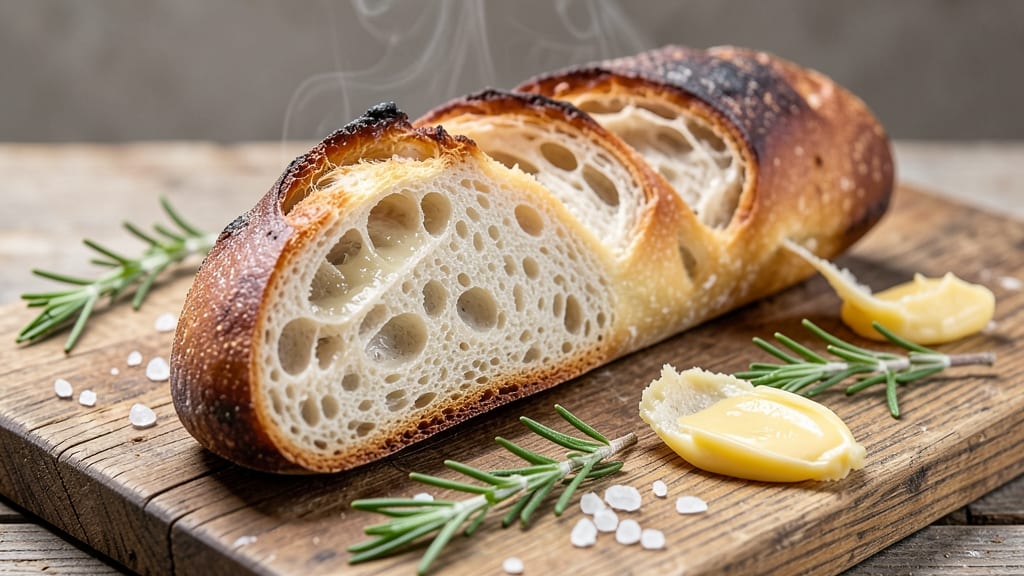
This antique white bread recipe brings back the golden era of artisanal baking with its signature golden crust and tender crumb—just like your grandma used to make. 💛 The secret lies in a precise blend of flour, yeast, and water, kneaded and proofed to perfection for that classic texture.
This isn’t your average sandwich bread; it’s a labor of love that delivers restaurant-quality results at home.
What sets this recipe apart is its sourdough-style approach, even without a starter—just a touch of yeast and time. The dough develops deep flavor as it ferments, creating a loaf with a crisp exterior and soft, airy interior.
Beginners will appreciate the clear steps, from mixing to baking, with time estimates that keep the process manageable. No fancy equipment needed, just patience and attention to detail.
The reward? A loaf with a crust that crackles when broken and a crumb so tender it melts in your mouth. The aroma alone will have everyone gathering around the table, and the versatility means it’s perfect for sandwiches, toast, or serving alongside soups.
This is bread that feels like a hug—warm, comforting, and impossible to resist.
Ready to bake a loaf that tastes like nostalgia? The process is simpler than it looks, and the results speak for themselves. Let’s get started on this classic recipe that’s as satisfying to make as it is to eat.
Ingredients for antique white bread
Nine simple ingredients transform into nostalgic, golden-crusted bread with a tender crumb.
| Ingredient | Amount | Notes |
|---|---|---|
| All-Purpose Flour 🌾 | 4 cups | Plus 1 tbsp for dusting |
| Active Dry Yeast 🍞 | ¼ tsp | Or 1 packet instant yeast |
| Granulated Sugar 🍚 | 1 tbsp | For yeast activation |
| Warm Water 💧 | 1 ¼ cups | 105-110°F for yeast |
| Unsalted Butter 🧈 | ½ cup | Cold, cubed for flavor |
| Salt 🧂 | 1 ½ tsp | Kosher or sea salt |
| Milk 🥛 | ½ cup | Warm for softness |
| Egg 🥚 | 1 whole | Room temperature |
| Honey 🍯 | 1 tbsp | Or maple syrup |
| Cornmeal 🌽 | ¼ cup | For dusting baking sheet |
| Ice Water ❄️ | ½ cup | For shaping dough |
The flour is the foundation—King Arthur or Bob's Red Mill make all the difference here. I always grab the all-purpose kind, not bread flour, because it gives that classic antique texture. The yeast? Fresh is best—if your packet says 'best by' is next month, toss it. Warm water is key: too hot and it kills the yeast (105-110°F is perfect). For the butter, Trader Joe's European-style melts beautifully and adds richness. If you're short on time, melted butter works, but cold cubes give that signature flavor. The milk adds tenderness, so whole milk is ideal—it's worth it for that melt-in-your-mouth crumb.
No yeast? Instant yeast packets work just fine—just dissolve the whole packet in the warm water. Short on honey? Maple syrup or even molasses (half the amount) gives that subtle sweetness. Want to make it richer? Add 1 tbsp sour cream to the dough. The egg is non-negotiable here—it gives structure, but if you're allergic, flax egg (1 tbsp ground flax + 3 tbsp water) works in a pinch. The cornmeal is just for dusting, but if you're out, semolina or rice flour does the same job. And that ice water? Don't skip it—it helps tighten the gluten for that perfect shape.
This dough is a beast, so cover it with a damp towel and let it rise in a warm spot (top of the fridge works too). Store-bought dough won't give you the same results—this needs time. The loaf keeps best 2-3 days at room temperature wrapped in a clean kitchen towel. For longer storage, freeze slices between parchment paper—they toast up like fresh. Pro tip: Toast the crust in a 350°F oven for 5 minutes before serving—it crisps up beautifully and makes the whole loaf taste fresher. Leftovers? French toast or bread pudding—this bread never goes to waste.
Why You'll Love This Recipe
- No-Knead Magic: I swear by this—just mix the flour, yeast, sugar, and warm water, let it rest, then fold in softened butter. The dough does all the work while you sip coffee.
- Buttery Soft Perfection: That touch of butter in the dough? It melts into pure, pillowy richness. No dry crumbs here—just melt-in-your-mouth softness with every bite.
- Weeknight Workhorse: Toss it in a pan for toast, slice it for sandwiches, or freeze slices for quick breakfast. Honestly, I make a batch every Sunday and forget it’s even there until I need it.
- Pantry Staple Gold: Five ingredients, minimal effort, and it keeps for days. Between us, this is the bread that actually lasts—no sad, stale loaves here. Budget-friendly and always reliable.
Step-by-step instructions for antique white bread
Here's how to craft that iconic golden crust and tender crumb—just like grandma made.
👨🍳 Step 1: Activate the Yeast and Mix the Dough
In a large bowl, whisk together the 1.25 cups warm water (105-110°F) with the 1 tbsp granulated sugar and 0.25 tsp active dry yeast. Let it sit for 5-10 minutes until frothy—this tells you your yeast is alive and ready to work. If it doesn't bubble, start over with fresh yeast.
Add the 4 cups all-purpose flour, 1.5 tsp salt, 0.5 cup cold unsalted butter (cubed), 0.5 cup warm milk, and 1 whole egg to the yeast mixture. Mix with a wooden spoon until a shaggy dough forms. Then, using your hands, knead on a lightly floured surface for 8-10 minutes until smooth and elastic. The dough should be slightly tacky but not sticky—if it sticks too much, add 1 tbsp flour at a time.
🥘 Step 2: First Rise and Shape the Dough
Lightly grease a large bowl with a bit of oil, place the dough inside, and cover with a damp kitchen towel. Let it rise in a warm spot for 1-1.5 hours or until doubled in size. You'll know it's ready when you poke it gently and the indentation stays—this means the gluten has relaxed and the dough is ready to shape.
Turn the dough out onto a lightly floured surface and divide it into 4 equal pieces (about 1 pound each). Shape each piece into a smooth ball, then roll it into a 12-inch log. Tuck the ends under to seal, creating a classic loaf shape. Place the shaped loaves on a baking sheet dusted with 0.25 cup cornmeal—this creates that iconic crunchy crust we love.
🔥 Step 3: Second Rise and Score for Crust
Cover the loaves loosely with a towel and let them rise again for 30-45 minutes until they've puffed up noticeably. Preheat your oven to 375°F while they rise—this ensures the oven is hot and ready when you're. Just before baking, use a sharp knife or razor to score each loaf diagonally about ¼-inch deep. This step isn't just for looks—it helps the bread expand properly and creates that beautiful crust.
Bake for 25-30 minutes until the crust is a deep golden brown and sounds hollow when tapped on the bottom. If the top browns too quickly, tent with foil to prevent over-browning. The internal temperature should reach 190-200°F—this ensures a perfectly baked loaf without a gummy center.
⏰ Step 4: Cool and Serve for Maximum Flavor
Remove the loaves from the oven and let them cool on a wire rack for at least 30 minutes. This cooling time is crucial—it allows the steam inside to escape and the crumb to set properly. If you can't wait, slice one loaf and toast it immediately—you'll still get that amazing texture, but the crumb won't be as tender.
For that authentic antique white bread experience, serve with a generous spread of soft butter or your favorite jam. Each slice should have a crisp, golden crust that gives way to a soft, airy interior with just the right amount of chew. Store any leftovers in an airtight container at room temperature for up to 3 days, or freeze for up to 3 months—just thaw at room temperature before serving.
Pro Tips For Making Antique White Bread
- Bloom the Yeast Right: Mix your active dry yeast with the warm water and that teaspoon of sugar first—let it sit for 5-10 minutes until frothy. I learned this the hard way: skipping this step means your dough will rise slower, or worse, not at all. Trust me, that 10-minute wait guarantees your bread won’t flop.
- Butter Should Be Soft: Take your unsalted butter straight from the fridge and cut it into small cubes—then let it sit at room temp for 30 minutes. Cold butter won’t melt into the dough evenly, and you’ll end up with greasy pockets instead of that tender, crumbly texture antique white bread is known for.
- Knead Until It Springs: Test your dough’s readiness by doing the “windowpane test”: stretch a small piece—if it’s smooth and thin enough to see light through (like a window), it’s done. Over-kneading is easy, but under-kneading means a dense loaf. My first few batches were brick-hard because I quit too soon.
- Shape Loaves Tightly: Roll your dough into a log, then pinch the seams shut like you’re sealing a gift—no gaps. Loose seams let air escape during proofing, leading to a sad, uneven rise. Sounds fussy, but it’s the thing that matters most for that classic tall, soft shape. (Yes, even if you’re impatient like me.)
Perfect pairings for this antique white bread
Butter Spreads
Nothing complements antique white bread like a rich, cultured butter spread. I love Plugrá European-style butter because it melts beautifully and adds a subtle tang.
For something extra special, blend softened butter with 1 tbsp honey and a pinch of sea salt—this sweet-salty combo enhances the bread's natural flavors. 🧈
Jam Pairings
Classic strawberry jam or blackberry preserves are timeless choices, but don’t overlook fig jam for a sophisticated twist. For a fruity kick, try raspberry-apricot spread—the tartness cuts through the bread’s richness. I recommend Bon Appétit or Smucker’s for reliable quality. A thin layer of jam elevates every bite.
Cheese Board Pairings
Turn your bread into a cheese board staple by pairing it with sharp cheddar, brie, and goat cheese. The bread’s soft crumb contrasts perfectly with the cheeses’ textures.
Add cured meats like prosciutto or salami for a savory touch. A drizzle of balsamic glaze ties everything together beautifully.
Soup Companions
This bread soaks up broth like a dream, making it ideal for creamy tomato soup or French onion soup. For a lighter option, try butternut squash soup—the bread’s crisp crust adds a delightful crunch.
A sprinkle of Parmesan cheese on top of the soup before serving takes it to the next level.
Sweet Toppings
Drizzle warm bread with maple syrup or honey for a quick dessert. For a gourmet touch, add whipped cream and fresh berries. Nut lovers can top slices with chopped walnuts or pecans—the crunch adds texture. A sprinkle of cinnamon or cardamom adds warmth to the sweetness.
Beverage Pairings
Sip chamomile tea for a comforting pairing that complements the bread’s soft texture. For coffee lovers, a dark roast with oat milk enhances the bread’s buttery richness. A cold sparkling lemonade balances the warmth of freshly baked bread on a summer day. 🍵
Nutrition facts
Frequently asked questions
Why does this antique white bread have a golden crust?
The golden crust comes from a combination of the cornmeal dusting on the baking sheet and the 375°F oven temperature. The cornmeal creates a crispy base while the high heat promotes even browning. For an extra touch, brush the loaves with melted butter before baking—this enhances color and flavor.
Can I make this bread without an egg?
Yes! Replace the 1 egg with a flax egg (1 tbsp ground flaxseed + 3 tbsp water) or 1 tbsp applesauce. The egg adds structure, so if you're avoiding it, reduce the milk slightly to 0.375 cup to maintain the right dough consistency. The texture will be slightly less tender but still delicious.
How do I know when the dough is ready for shaping?
Your dough is ready when it's doubled in size and leaves a slight indentation when poked gently with a finger. The surface should look smooth and slightly domed. If it springs back immediately, it needs more time—cover and wait another 15-20 minutes. This test ensures proper gluten development for that classic texture.
What if my bread turns out too dense?
Dense bread usually means the dough didn't rise enough or was over-kneaded. Next time, let the dough rise until it's fully doubled (not just puffy) and knead for exactly 8-10 minutes. Also, ensure your yeast is fresh and your water is 105-110°F—too hot or cold water can kill the yeast. For extra lightness, try adding 1 tsp baking powder to the dough.
Can I make this bread in a Dutch oven?
Shape the dough into a single large loaf and bake in a preheated 450°F Dutch oven for 30-35 minutes. The Dutch oven traps steam, creating a crispier crust and softer interior. Just score the loaf before baking and tent with foil if it browns too quickly. This method gives you that classic hearth-baked flavor.