
Side Dishes
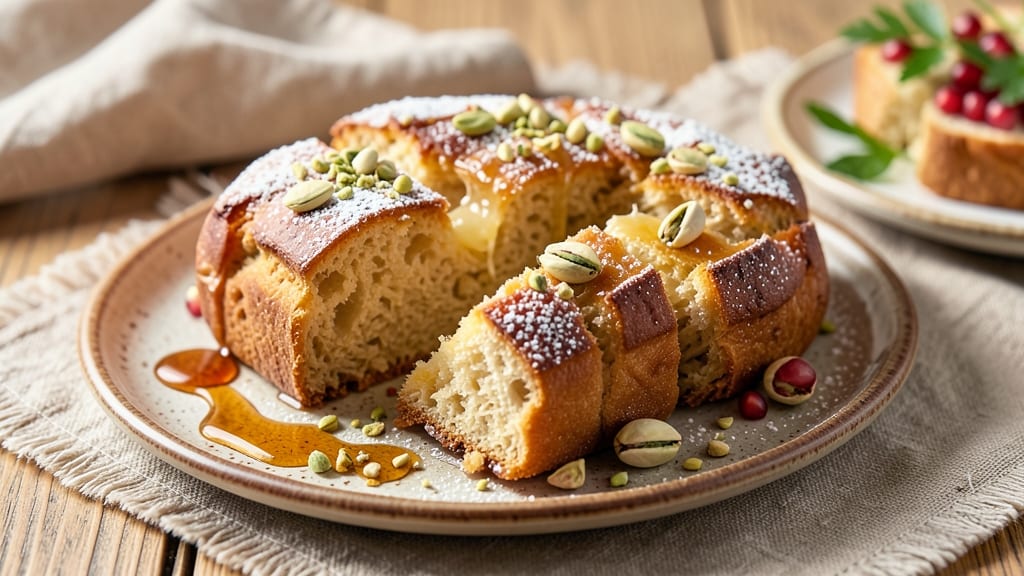
This Armenian sweet bread gata recipe brings the warm, spiced aroma of Armenia straight to your kitchen—each buttery layer swirled with honey or jam creates a delicate, melt-in-your-mouth texture. 💛 The secret lies in the precise dough-to-filling ratio and gentle shaping technique that ensures those iconic ribbon-like layers.
Unlike dense pastries, gata is light yet rich, with a tender crumb that dissolves effortlessly.
Traditionally served during celebrations, gata embodies Armenian hospitality with its golden, swirled appearance and fragrant spices like cinnamon and cardamom. The dough requires patience—resting at room temperature and chilling between folds—but the result is worth every minute.
Whether you fill it with honey, apricot jam, or rosewater-infused syrup, the contrast of sweet and spiced flavors makes this bread unforgettable.
What sets this recipe apart is the balance of crisp edges and soft centers, achieved through precise baking at 350°F for just 20-25 minutes. The layers puff gently, revealing a delicate lattice pattern when sliced.
Serve warm with a dusting of powdered sugar or a drizzle of melted butter for that authentic touch.
Perfect for holidays, brunch, or as a special dessert, gata transforms any occasion into a celebration. The recipe scales easily for gatherings, and leftovers reheat beautifully. Let’s create something truly special in your kitchen.
Ingredients for armenian sweet bread gata
Buttery layers, spiced warmth, and delicate swirls—this gata recipe delivers Armenian tradition with precision.
| Ingredient | Amount | Notes |
|---|---|---|
| All-Purpose Flour 🌾 | 4 cups | Sifted for light texture |
| Unsalted Butter 🧈 | 1 cup | Cold, cubed for dough |
| Granulated Sugar 🍚 | ½ cup | Fine grain preferred |
| Large Eggs 🥚 | 2 whole | Room temperature |
| Active Dry Yeast 🍞 | ¼ oz | Or 2 1/4 tsp (7g) |
| Whole Milk 🥛 | ½ cup | Warm (110°F) |
| Ground Cinnamon 🌿 | 1 tsp | Freshly ground preferred |
| Ground Cardamom 🌿 | ½ tsp | Toasted for aroma |
| Salt 🧂 | ½ tsp | Diamond Crystal preferred |
| Apricot Jam 🍑 | 1 cup | Or honey for filling |
| Powdered Sugar 🍚 | 2 tbsp | For dusting |
| Vanilla Extract 🌸 | ½ tsp | Pure vanilla preferred |
The flour is non-negotiable here—King Arthur or Gold Medal brands work best for that tender crumb. Butter quality matters: Plugrá or Land O'Lakes cultured gives the most flavor. Cardamom can be tricky to find; Penzeys or Middle Eastern markets carry the best. For the yeast, Saf-Instant is a great alternative if you prefer quick-rise. The jam should be thick and seedless—Welch's or Bonne Maman are reliable choices. If using honey instead, opt for a mild clover variety to balance the spices.
No cardamom? Double the cinnamon for warmth, though it won't replicate the floral notes. Substituting jam for honey? Reduce the sugar in the dough by 1 tbsp since honey is sweeter. Whole milk can be swapped for 2% or even unsweetened almond milk, though the texture may be slightly less tender. The vanilla extract can be omitted if you're strict about authenticity, but it enhances the filling beautifully. For the butter, European-style with higher fat content (82-86%) yields superior layers. If your jam is runny, simmer it for 5 minutes to thicken before using.
Store the dough in an airtight container in the fridge for up to 24 hours—it actually improves overnight. Once baked, gata stays fresh for 3 days at room temperature if wrapped tightly in plastic. For longer storage, freeze the whole loaf for up to 3 months. To reheat, wrap in foil and warm at 300°F for 10 minutes. The layers reheat beautifully, making this an ideal make-ahead dessert. Dust with powdered sugar right after baking for that restaurant-quality finish.
Why You'll Love This Recipe
- No-Knead Magic: I swear by this dough—just mix, let it rise, and shape. That butter gets folded in like a dream, and the yeast does all the work while I sip coffee.
- Buttery Sweet Bliss: The moment that warm, pillowy bread hits your plate with that crisp sugar crust? Pure indulgence. The eggs and sugar create this tender crumb that’s impossible to resist.
- Breakfast or Dessert: Honestly, I eat this for breakfast with jam or as a sweet treat after dinner. The versatility keeps it in rotation—whether it’s a lazy Sunday or a quick snack fix.
- Budget-Friendly Staple: Flour, butter, sugar, eggs—basic pantry stuff that stretches far. A single batch feeds my family for days, and the leftovers toast up just as good cold.
Step-by-step instructions for Armenian sweet bread gata
Master the art of Armenian gata with these precise techniques for perfect swirls and tender layers.
👨🍳 Step 1: Activate the Yeast and Prepare the Dough Base
In a small bowl, combine the 0.5 cup warm whole milk (about 110°F) with 0.25 oz active dry yeast and let sit for 5-10 minutes until frothy. This activation ensures your dough rises properly—if it doesn't bubble, your yeast is inactive and you'll need to start over.
In the bowl of a stand mixer fitted with the dough hook, combine the 4 cups all-purpose flour, 0.5 cup granulated sugar, 1 tsp ground cinnamon, 0.5 tsp ground cardamom, and 0.5 tsp salt. Mix on low speed until evenly distributed. Add the yeast mixture and 2 whole large eggs at room temperature. Mix on low until combined, then increase to medium speed for 3-4 minutes until the dough pulls away from the bowl and forms a smooth, elastic ball.
🥘 Step 2: Incorporate Cold Butter for Laminated Layers
Switch to the paddle attachment and add the 1 cup cold unsalted butter, cubed. Mix on low speed until the butter is fully incorporated and the dough becomes smooth and slightly sticky. This cold butter creates those signature flaky layers—don't rush this step or you'll end up with tough bread.
Shape the dough into a rectangle about 12x10 inches on a lightly floured surface. Fold the dough into thirds like a letter, sealing the edges tightly. This initial folding sets up the layered structure for the final swirl. Wrap the dough in plastic wrap and refrigerate for 1 hour to firm up before rolling.
🔥 Step 3: Create the Signature Swirl Pattern
Remove the chilled dough from the refrigerator and roll it out on a lightly floured surface to a 12x18-inch rectangle, about ⅛-inch thick. Spread the 1 cup apricot jam evenly over the surface, leaving a ½-inch border around the edges. This jam filling will create those beautiful golden swirls when baked.
Starting from the long edge, tightly roll the dough into a log. Cut the log into 1-inch thick slices and arrange them on a parchment-lined baking sheet, 1 inch apart. The cuts should be clean and even—use a sharp knife and re-dip it in flour between cuts to prevent sticking. Let the gata rest for 20 minutes while you preheat your oven to 375°F.
⏰ Step 4: Bake to Golden Perfection
Bake the gata for 20-25 minutes until the tops are deep golden brown and the edges are set. The jam should bubble through the cuts, creating those signature swirls. Rotate the baking sheet halfway through for even browning—this is especially important if your oven has hot spots.
Remove from the oven and immediately dust with the 2 tbsp powdered sugar mixed with 0.5 tsp vanilla extract. The powdered sugar should melt slightly from the residual heat, creating a delicate glaze. Let cool on a wire rack for 10 minutes before serving—this resting period prevents the layers from becoming soggy.
🍽️ Step 5: Serve Warm with Traditional Pairings
Serve the gata warm, cut into wedges to showcase those beautiful jam swirls. The exterior should be crisp and golden, while the interior remains tender with pockets of jam. For an authentic Armenian experience, pair with strong black tea or a glass of sweet red wine.
This gata keeps well at room temperature for 2 days in an airtight container, though it's best enjoyed fresh when the layers are at their most delicate. The combination of warm spices, buttery layers, and fruity jam makes this bread a true celebration of Armenian baking tradition.
Pro Tips For Making Armenian Sweet Bread Gata
- Use Cold Butter: Gata’s signature flaky layers come from cold butter—don’t skip chilling it before cutting into the dough. I learned this the hard way when my first batch turned out dense; now I keep the butter in the fridge until the last minute, even if it means extra prep time. Cut it into 1-inch cubes for even distribution.
- Proof Yeast Twice: Skip the single proof and give the yeast a head start in warm milk (or water) first—this ensures it’s active before mixing with flour. After 5 minutes of bubbly action, add the dry yeast and flour; this extra step guarantees a lift, not a flat loaf. (Yes, even if you’re impatient like me.)
- Don’t Overmix Dough: Gata dough is delicate—mix just until the flour is incorporated, then stop. Overworking it develops gluten, which kills the tender crumb. I used to knead like I was making bread, and my gata turned out tough. Now I fold it gently with a spatula until it holds together.
- Brush Egg Wash Lightly: A thin egg wash (1 egg + 1 tbsp water) adds shine, but too much makes the crust soggy. Brush it on just before baking and let it sit for 2 minutes—this gives the top time to set without steaming. (Your future self will thank you.)
Regional styles of this dish
Eastern Armenian Style
The classic version from Yerevan features a thicker jam filling—traditionally rosewater-infused apricot jam—and a slightly denser dough. The secret lies in toasting the cardamom seeds before grinding them to deepen their floral aroma.
I like using 1 tbsp rosewater mixed into the jam for that signature Armenian touch. The dough is often brushed with melted butter before baking to enhance crispness. 🌸
Western Armenian (Lebanon/Syria) Twist
In diaspora communities, this version often incorporates orange zest into the dough for brightness and pistachios in the filling. The jam is sometimes replaced with date paste for a deeper caramelized flavor.
I’ve seen recipes where the dough is rolled twice as thin to create more delicate layers—almost like a cross between gata and baklava. The baking temperature drops to 350°F for a softer crumb. 🍊
Russian-Inspired Variation
During Soviet times, Armenian bakers adapted gata by adding a pinch of nutmeg and using lingonberry jam instead of apricot. The dough is often enriched with 1 extra egg yolk for a richer texture.
I’ve found that Russian-style gata has a lighter golden hue because it’s baked in a round shape (like a braided loaf) rather than individual slices. The jam is spread in a spiral pattern before rolling. ❄️
Modern Fusion Adaptations
For a contemporary twist, I’ve experimented with matcha powder (½ tsp) in the dough and black sesame jam as the filling—it’s unexpected but works beautifully. Another fun version swaps butter for coconut oil (though purists will frown) and uses mango chutney for a tropical vibe.
The key is balancing the sweetness-to-spice ratio—reduce sugar by 1 tbsp if using intensely flavored fillings. 💫
Regional Filling Alternatives
While apricot jam is traditional, fig jam adds earthy depth, and plum jam brings a tart contrast. For a savory-sweet twist, try walnut-studded honey mixed with a pinch of smoked paprika.
I once made a version with chocolate-hazelnut spread—it became a hit at holiday gatherings! Always ensure your filling is thick enough to hold its shape during rolling. 🍫
Nutrition facts
Frequently asked questions
Why does Armenian gata have those signature swirls?
The swirls come from the layered dough technique! After spreading jam on the rolled-out dough, you tightly roll it into a log and slice it before baking. The jam bubbles through the cuts during baking, creating those beautiful golden patterns. Think of it like a cross between puff pastry and brioche—each slice reveals a delicate lattice of jam and dough.
Can I make gata without cardamom?
Yes, but the flavor will be different. Double the cinnamon to 2 teaspoons for warmth, or add ½ teaspoon nutmeg for depth. For authenticity, try to find cardamom—it's the floral note that makes gata special. If you can't find whole pods, ground cardamom works fine, just toast it lightly in a dry pan before grinding for extra aroma.
How do I fix if my gata turns out dense?
Dense gata usually means the butter melted too soon or the dough wasn't rested enough. Next time, chill the dough between folds and use very cold butter. Also ensure you're using cold milk (not warm) when activating the yeast, and let the dough rest 1-2 hours after mixing before shaping. The cold butter creates those signature flaky layers—never skip this step!
What's the best way to store leftover gata?
Wrap individual slices tightly in plastic wrap, then place in an airtight container. It stays fresh for 3 days at room temperature or up to 3 months in the freezer. To reheat, wrap in foil and warm at 300°F for 10 minutes. The layers reheat beautifully—just avoid microwaving, as it makes the dough gummy.
Can I use honey instead of jam?
Honey works wonderfully and adds a different texture. Use ¾ cup honey (it's sweeter than jam) and warm it slightly to make it more spreadable. For extra flavor, mix in 1 teaspoon lemon juice to balance the sweetness. The honey will create a glossy finish when baked, though the swirls will be less pronounced than with jam.