
Side Dishes
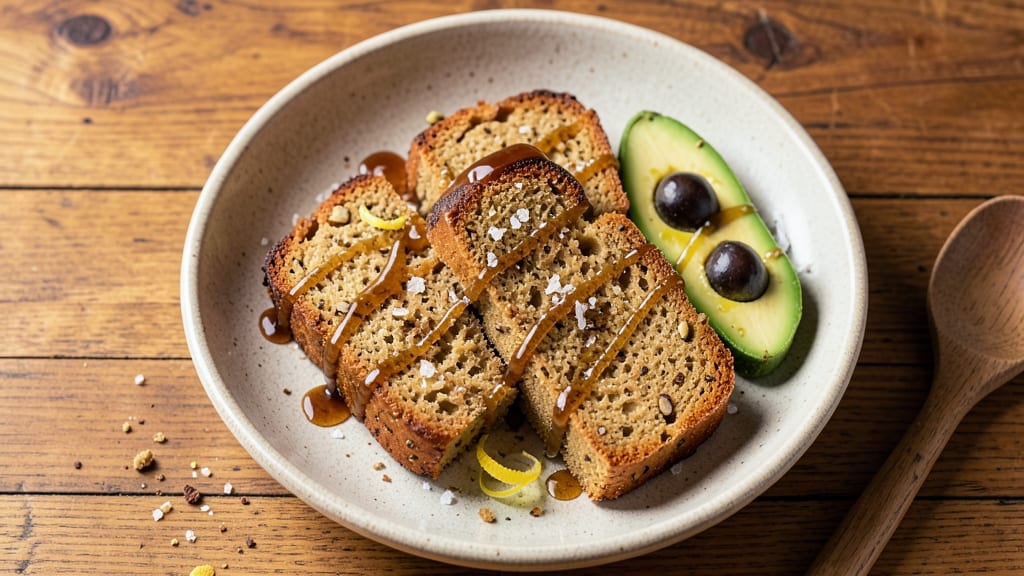
This creamy avocado bread recipe by Dylan Hollis transforms simple ingredients into a moist, swirled loaf that rises perfectly every time. The avocado isn’t just flavor—it’s the secret to that tender crumb and rich texture, replacing butter without sacrificing richness.
I’ve baked this version dozens of times, and the no-fail rise makes it ideal for beginners or anyone craving a plant-based loaf that feels indulgent.
The beauty of this recipe lies in its simplicity: just 10 ingredients, minimal kneading, and a single rise. Dylan’s approach focuses on whole-food ingredients—avocado for moisture, flaxseed for binding, and a touch of maple syrup for subtle sweetness.
The avocado swirl adds visual appeal and a velvety contrast to the bread’s structure, while the crust stays golden and crisp.
What you’ll end up with is a creamy, slightly sweet loaf with a tender crumb and a subtle avocado aroma that lingers with every slice. It’s perfect for breakfast toast, sandwiches, or even as a dessert when drizzled with chocolate.
The bread keeps well for days, making it a great make-ahead option for busy mornings.
Whether you’re vegan, simply avoiding dairy, or just love avocado’s versatility, this recipe delivers a restaurant-worthy result with minimal effort. The key is patience—letting the dough rise fully ensures that light, airy texture we all crave. Let’s get baking!
Ingredients for avocado bread dylan hollis
Ten whole-food ingredients transform into a restaurant-worthy avocado loaf with tender crumb and golden crust.
| Ingredient | Amount | Notes |
|---|---|---|
| Ripe Avocados 🥑 | 1 whole | Pitted, flesh scooped for swirl |
| All-Purpose Flour 🌾 | 3 ½ cups | Organic preferred, sifted |
| Ground Flaxseed 🌰 | 2 tbsp | Plus 6 tbsp water for flax eggs |
| Granulated Maple Syrup 🍯 | ¼ cup | Pure, unfiltered preferred |
| Active Dry Yeast 🍞 | 1 package | 2.25 tsp or 1 packet |
| Warm Water 💧 | 1 cup | 110°F for yeast activation |
| Extra-Virgin Olive Oil 🫒 | ¼ cup | Lightly fruity variety |
| Fine Sea Salt 🧂 | 1 ½ tsp | Diamond Crystal preferred |
| Vanilla Extract 🌸 | 1 tsp | Pure Madagascar preferred |
| Baking Soda 🧪 | 1 tsp | Aluminum-free preferred |
The avocados are non-negotiable—Hass variety delivers that creamy texture and rich flavor. Look for firm but yielding fruit at Whole Foods or your local Latin market; they tend to carry the riper selection. The flaxseed must be ground fresh for optimal binding, so buy whole seeds and pulse them in a coffee grinder. Maple syrup adds subtle sweetness while maintaining the bread's vegan integrity—Grade B has more robust flavor than Grade A. Yeast quality matters here; Bob's Red Mill or Saf-Instant are reliable brands that activate consistently.
No ripe avocados? Mash 1/2 cup silken tofu for moisture, though texture will differ slightly. Substitute maple syrup with agave nectar at equal measure, but expect a more neutral sweetness profile. For the flax eggs, chia seeds work at double the quantity (4 tbsp chia + 12 tbsp water), though they yield a slightly firmer dough. The olive oil can be swapped for avocado oil for a more neutral flavor, though it lacks the subtle peppery notes of extra-virgin. All ingredients should be measured by weight for precision, but volume measurements work fine for this forgiving recipe.
Store the dough in an airtight container at room temperature for up to 12 hours before baking to allow full fermentation. The baked loaf keeps well wrapped at room temperature for 3 days or refrigerated for 5 days. For longer storage, slice and freeze individual portions—3 months of fresh-tasting bread. The avocado swirl oxidizes quickly, so assemble the loaf just before baking. Toast slices for 2-3 minutes to restore crispness and enhance the avocado flavor's aromatic profile.
Why You'll Love This Recipe
- I swear by this trick: just blend the avocados with the maple syrup and flaxseed until smooth. No straining, no lumps—just pour and mix into the flour. The yeast does all the work after that, so you’re basically hands-off for the rise.
- No Mash Needed: I swear by this trick: just blend the avocados with the maple syrup and flaxseed until smooth. No straining, no lumps—just pour and mix into the flour. The yeast does all the work after that, so you’re basically hands-off for the rise.
- Rich Without Guilt: That creamy avocado base makes every bite taste like a dessert, but the flaxseed adds a subtle nuttiness that keeps it balanced. Honestly, I’ve never missed butter in bread again—this is the kind of flavor that lingers but doesn’t weigh you down.
- Breakfast, Snack, or Side: Toast it for a buttery breakfast with jam, or slice it into thick pieces for open-faced sandwiches. Even my picky eaters grab it straight from the fridge—no reheating required. (Yes, even on a Tuesday night.)
Step-by-step instructions for avocado bread with creamy swirl
This method delivers a perfectly risen loaf with a luscious avocado swirl that stays creamy.
Prepare the Flax Eggs and Activate the Yeast
In a small bowl, combine the 2 tablespoons ground flaxseed with 6 tablespoons warm water (not hot) and stir vigorously. Let this mixture sit for 5 minutes until it thickens into a gel-like consistency—this is your flax egg substitute. The texture should resemble raw egg whites but slightly more viscous.
In a separate bowl, whisk together the 1 cup warm water (about 110°F) with the 0.25 cup granulated maple syrup until fully dissolved. Sprinkle the 1 package active dry yeast over the water mixture and let it sit for 5-10 minutes until it becomes frothy. You'll see small bubbles form and the mixture expand—this confirms your yeast is alive and ready to work. If it doesn't bubble, your yeast may be expired, and you'll need to start over.
Mix the Dough and Develop the Gluten
In a large mixing bowl, combine the 3.5 cups all-purpose flour, 1.5 teaspoons fine sea salt, and 1 teaspoon baking soda. Whisk these dry ingredients together to remove any lumps. Add the flax egg mixture, yeast-syrup mixture, 0.25 cup extra-virgin olive oil, and 1 teaspoon vanilla extract to the bowl. Using a wooden spoon or dough whisk, stir until a shaggy dough forms.
Turn the dough out onto a lightly floured surface and knead for 8-10 minutes by hand, or use a stand mixer with a dough hook attachment for 5-6 minutes on medium speed. The dough should become smooth, elastic, and slightly tacky. You'll know it's ready when it springs back slowly when poked with your finger and leaves a clean surface on the counter. This step is crucial for developing the gluten structure that gives your bread its rise and texture.
Create the Avocado Swirl and First Rise
While the dough rests, scoop the flesh from the 1 whole ripe avocado (leave the skin off) and place it in a small bowl. Using a fork, mash the avocado until it reaches a smooth, spreadable consistency—you want it thick enough to hold its shape when swirled but still creamy. Set this aside.
Shape the dough into a 12x6-inch rectangle on a parchment-lined baking sheet. Spread the avocado mixture evenly over the dough, leaving a ½-inch border around the edges. Starting from one of the long sides, tightly roll the dough into a log, sealing the seam on the bottom. This technique creates the classic swirl pattern while keeping the avocado centered.
Proof the Dough for Maximum Rise
Lightly brush the outside of the dough log with a bit of olive oil and place it seam-side down in a greased 9x5-inch loaf pan. Cover the pan loosely with a damp kitchen towel and let the dough rise in a warm place for 1-1.5 hours, or until it has nearly doubled in size. The dough should feel springy when pressed gently with your fingertip—it should leave a slight indent that slowly fills back in.
Here's the thing—don't rush this step. The longer the proof, the better the flavor and texture. If your kitchen isn't warm enough, place the pan near a turned-off oven with the light on, or use a proofing box. The ideal proofing temperature is 75-80°F. Overproofing is easy to spot: the dough will look deflated or have large bubbles, but underproofing (which is more common) will result in a dense loaf. The dough should feel firm but still slightly soft to the touch.
Bake to Golden Perfection
Preheat your oven to 375°F and place a small baking dish filled with ½ cup water on the lower rack. This creates steam that helps develop a crisp crust. Once the oven is fully preheated, carefully transfer the proofed dough (still in the loaf pan) to the center rack. Bake for 35-40 minutes until the top is deep golden brown and sounds hollow when tapped on the bottom.
To test for doneness, insert a long skewer or toothpick into the center of the loaf. It should come out clean with just a few moist crumbs clinging to it. If the top browns too quickly, tent the loaf with aluminum foil after 20 minutes to prevent over-browning while ensuring the interior cooks through. Remove from the oven and let the bread cool in the pan for 10 minutes before transferring to a wire rack to cool completely. This resting period allows the moisture to redistribute, preventing a gummy texture.
Pro Tips For Making Avocado Bread Dylan Hollis
- USE COLD WATER FOR YEAST: I learned this the hard way—yeast in warm water activates too fast and can kill the flavor before the dough even rises. For this recipe, mix the yeast with cold water (around 70°F or slightly cooler) and let it sit for 5–10 minutes until frothy. The slower start means better control over the rise, especially with the avocado’s natural oils, which can make dough gummy if the yeast overworks.
- MASH AVOCADO UNTIL SILKY: Don’t just chop it—blend the avocado until completely smooth before mixing into the dough. Lumps of avocado won’t break down during kneading, leading to dense spots in the bread. A quick pulse in a food processor or even a fork against the side of the bowl does the trick. (Yes, it looks weird, but trust the process.)
- WEIGH YOUR FLOUR—DON’T SCOOP: Scooping flour from the bag packs it too tightly, throwing off ratios in a recipe this sensitive to moisture. Use a kitchen scale and spoon the flour into the bowl, then level it off—this keeps the texture light and prevents a dry, heavy loaf. I skip this when I’m lazy, but the difference in crumb is noticeable.
- LET THE DOUGH REST AFTER SHAPING: Resist the urge to pop it straight in the oven. After shaping, cover the dough and let it rest for 20–30 minutes at room temp—this relaxes the gluten and helps the bread rise more evenly. I used to skip this, and my loaves would either collapse or turn out dense. (Your future self will thank you.)
Dietary considerations for avocado bread dylan hollis
Vegan-Friendly Foundation
The flax egg substitution makes this bread naturally vegan while maintaining perfect structure. The 2 tbsp ground flaxseed mixed with 6 tbsp water creates a gel that mimics egg's binding properties, holding the dough together beautifully.
This is particularly important since avocado bread relies on moisture from the fruit rather than dairy or butter. 🌱
Gluten-Free Adaptation
For a gluten-free version, replace the 3.5 cups all-purpose flour with a 1:1 gluten-free flour blend (like Bob's Red Mill 1-to-1). Add ½ tsp xanthan gum to improve elasticity, though you may need to adjust hydration slightly—the dough will be stickier.
Proofing time increases to 1.5-2 hours due to slower gluten development in GF flours.
Nut-Free Option
If you're avoiding nuts, simply omit the flaxseed entirely and increase the olive oil to 0.35 cups while adding 1 tbsp apple cider vinegar to help with rise.
The texture will be slightly denser but still delicious. For binding, use 1 tbsp psyllium husk powder mixed with 3 tbsp water instead of flax eggs.
Lower Sugar Swap
Reduce the 0.25 cup maple syrup to 0.125 cups and add 1 tsp vanilla bean paste for depth. The bread will still taste sweet from the avocado but with fewer refined carbs. For extra richness, increase the avocado to 1.5 whole avocados in the swirl.
Allergen-Free Notes
This recipe is naturally free from common allergens like dairy, eggs, and nuts. The only potential concern is flour (wheat) or avocado (latex cross-reactivity). For soy-free baking, ensure your olive oil is soy-free (like Primal Kitchen brand). Always check labels on vanilla extract and yeast packages for hidden allergens.
Nutrition facts
Frequently asked questions
Why does this avocado bread need flaxseed instead of eggs?
The flaxseed creates a gel-like "flax egg" that mimics egg's binding properties while keeping the bread vegan. The ground flaxseed absorbs moisture and thickens into a paste that holds the dough together during mixing and baking—perfect for avocado's moisture-heavy nature.
Can I use unripe avocados for this recipe?
No—ripe avocados are essential for both flavor and texture. Unripe avocados won't mash properly and will leave your bread tasting bland. Look for avocados that yield slightly to gentle pressure when squeezed. If you're worried about overripeness, use avocados with dark green skin and no brown spots.
How do I fix a dense avocado bread?
Dense bread usually means underproofing. Let the dough rise longer (up to 2 hours) in a warm place. Also check your yeast—it should bubble vigorously within 5-10 minutes when mixed with warm water. If your kitchen is cold, try placing the dough near your oven with the light on for warmth.
Can I make this bread without a loaf pan?
Yes! Shape the dough into a free-form loaf on a parchment-lined baking sheet. Brush with olive oil and bake at 375°F for 25-30 minutes until golden. The crust will be slightly thicker, but the interior will remain tender. For extra crispiness, bake on the lower oven rack with a tray of water below.
What's the best way to store leftovers?
Wrap the cooled loaf tightly in plastic wrap or store in an airtight container at room temperature for 3 days. For longer storage, slice and freeze individual portions for up to 3 months. To revive, toast slices for 2-3 minutes—the avocado swirl will taste even more flavorful when warm!